






















-


Why the Lion Reigns in She Huo Festival
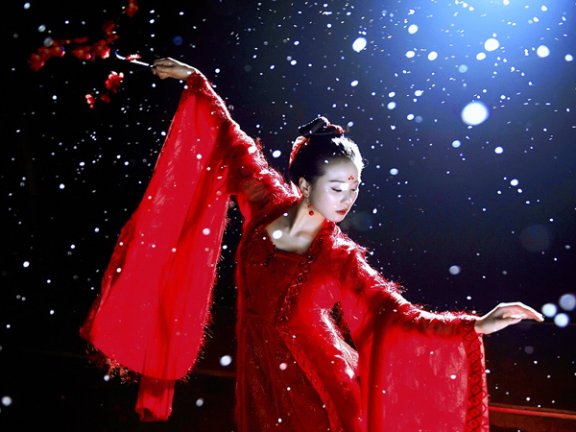
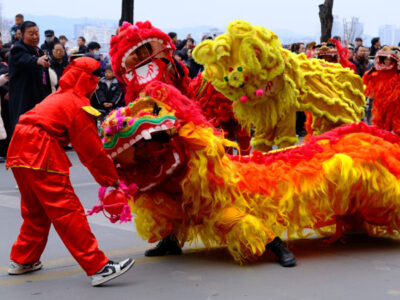
When the thunder of drums rolls across the frozen soil of northern China and the sharp clang of gongs pierces the winter air, you know the She Huo (社火) has begun. This ancient festival, a boisterous carnival of gods and men, transforms villages into living stages. Masks leer, stilt-walkers tower above the crowd, and painted processions snake through the streets. But amidst all this color and chaos, there is always one performer that draws the crowd into a tight, breathless circle: the lion. It is not merely an act; it is the heartbeat of the celebration. Its presence transforms a simple parade into a sacred ritual, a tangible link between the people, their land, and the heavens. Why, in this pageant of folk art, does the lion always take center stage? The answer lies in a story that spans centuries, blending faith, art, and the very soul of a community. Exotic Beast to Holy Guardian The lion is not a native creature of the Chinese plains, yet it has roared in the country's imagination for over two thousand years. Its journey into the heart of She Huo begins with the Han Dynasty, when these magnificent animals were first presented as…... -
Why Many Period Dramas Mistake Japanese for Chinese Style
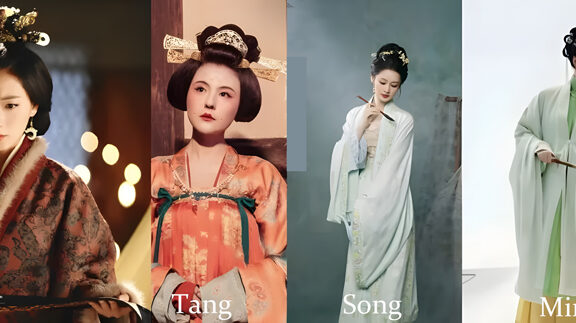
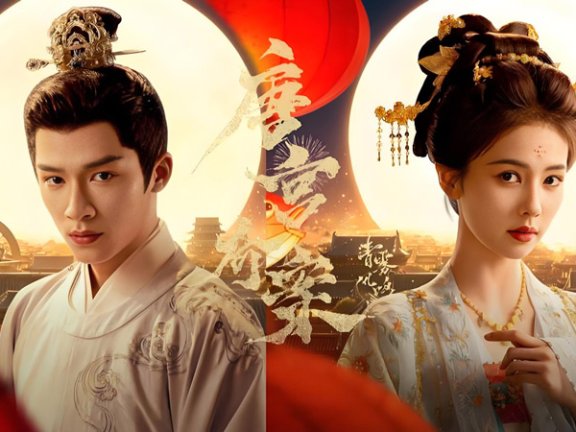
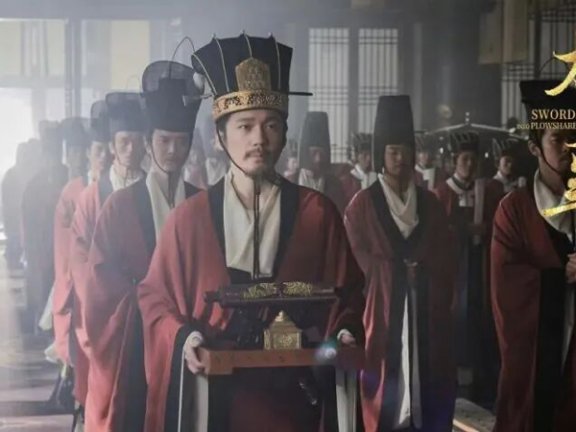
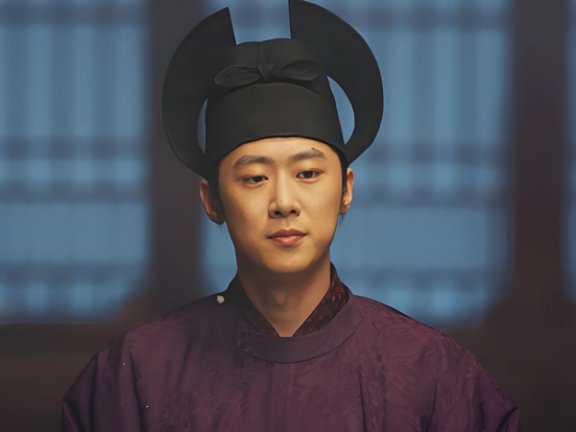
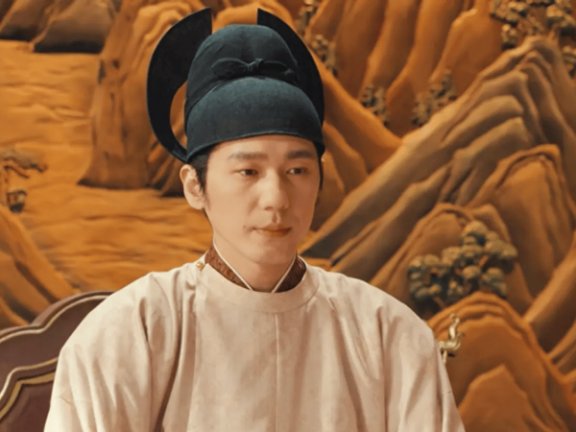
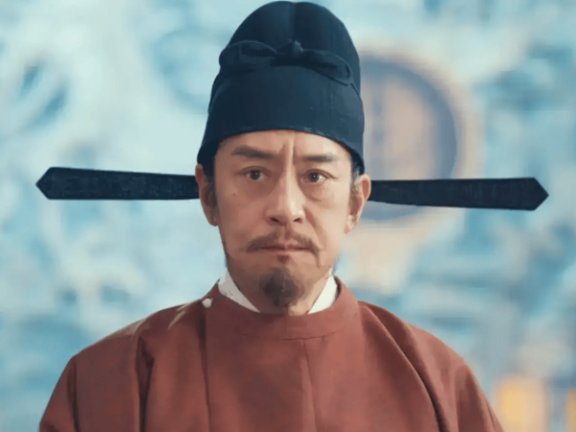
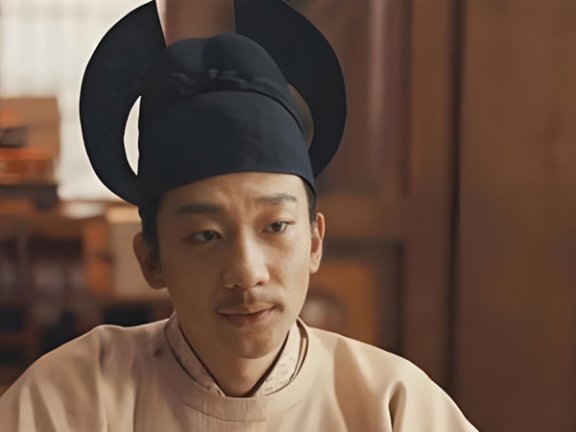
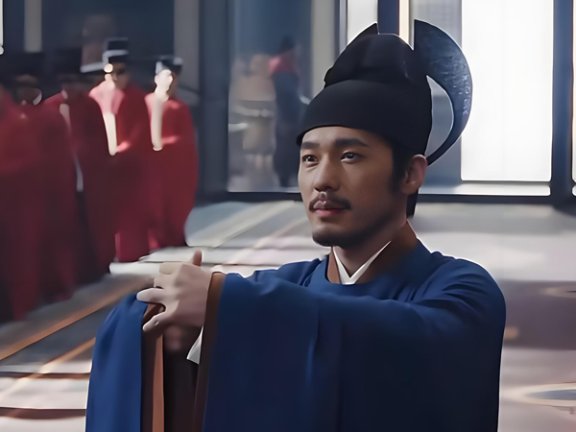
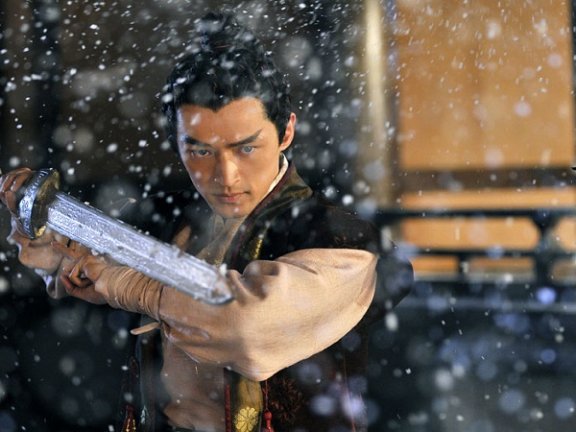
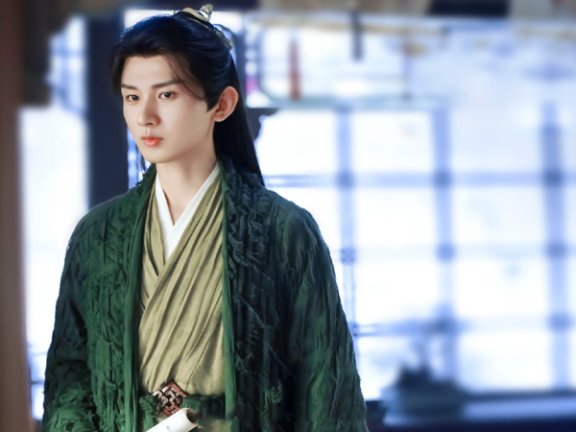
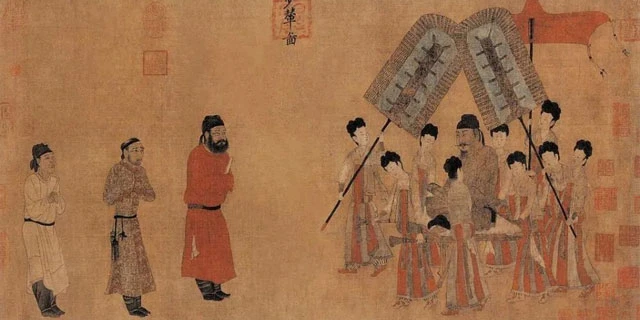
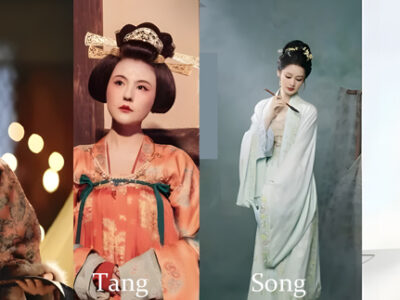
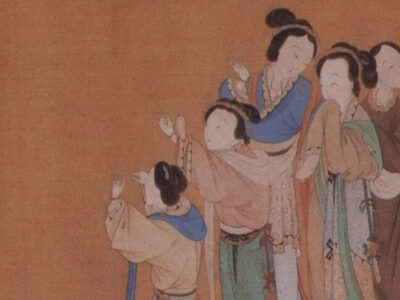
Why do so many period dramas look Japanese instead of Chinese? This question has sparked heated debate among viewers who sense something off about the aesthetics in recent productions. The distinction between authentic Chinese style and borrowed Japanese elements isn't merely academic—it's visually immediate once you know what to look for. While Japanese culture historically drew inspiration from China, centuries of separate evolution created fundamentally different aesthetic systems. Today's controversy stems not from overly critical audiences but from production teams who, whether through laziness or ignorance, substitute Japanese elements for Chinese ones. This isn't cultural appreciation; it's cultural erasure dressed in period costumes. The Clothing Code: One Fold Changes Everything The most commonly confused elements appear in costume design, particularly between Hanfu and Japanese kimono. Yet their fundamental structures diverge completely. Traditional Chinese clothing spreads horizontally across the body, with overlapping right-side closures, wide sleeves, and hidden ties instead of exposed buttons. Whether from Han, Tang, or Ming dynasties, these garments create flowing lines that move with the wearer—dignified, expansive, and structurally elegant. Even commoner's clothing maintains this generous proportion, never constricting the body unnaturally. Japanese kimono structure operates on opposite principles. Straight lines dominate—narrow sleeves that barely reach the…... -
What Did an Ancient Chinese ID Look Like?
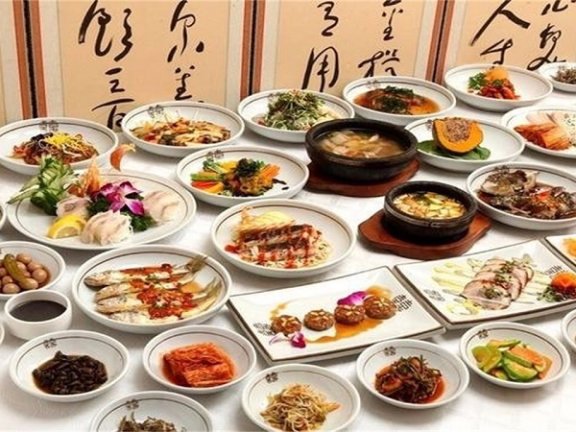
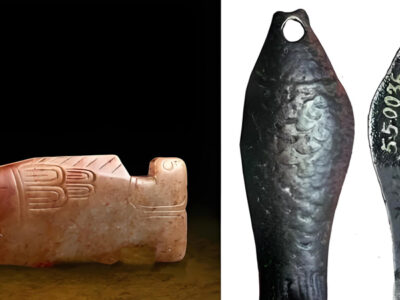
Imagine an object that everyone possesses, made from the same material, and engraved with the details that make you, you. In our modern world, the answer springs to mind instantly: it's an ID card. This little piece of plastic holds our birth date, our birthplace, and essentially summarizes all our social connections. In a way, it declares that we are who our society requires us to be. Within our familiar circles, we rarely need to prove our identity. But the moment we step into a completely new environment, our first task is to convince strangers that we are indeed ourselves, and not someone else. The ID card is the physical key to that proof. Today, it's a thin, simple card, yet it acts as a passport, safeguarding our journey wherever we go. But in the distant past, long before plastic and photographs, what object did a person use to answer the fundamental question: "Who are you?" 1. Sui and Tang Dynasties - Fish Tally China’s earliest known official ID emerged during the Sui and Tang Dynasties. It was Emperor Taizong (太宗) of the Tang who, during his Zhenguan (贞观) era, distributed a unique item to his officials called a "fish…... -
Uncovering Qixi’s Feminine Roots Beyond Romance
On summer nights, two bright stars stare at each other across the milky way. One is called Altair, the other Vega. For centuries, the Chinese have looked up and seen not just stars, but a love story—a cowherd and a weaving maiden separated by a celestial river, allowed to meet just once a year. This is the story behind Qixi (七夕), the seventh day of the seventh lunar month. But is this ancient festival really just China’s answer to Valentine’s Day? Look closer, and you will find it is far more complex, and in many ways, far more fascinating. A Meeting Written in the Stars The core of Qixi is the romantic legend of The Cowherd and the Weaver Girl (牛郎织女). The story goes that Niulang (牛郎), a humble cowherd, fell in love with Zhinü (织女), a weaving fairy. They married, had children, and were so happy that Zhinü neglected her heavenly duties. This angered the Goddess, who drew a vast river in the sky—the Milky Way—to separate them forever. Moved by their sorrow, magpies formed a bridge across the galaxy once a year, allowing the lovers to reunite. It is a tale of enduring love and the pain of…... -
The Rise of Sun Zhenni’s Majestic New Image
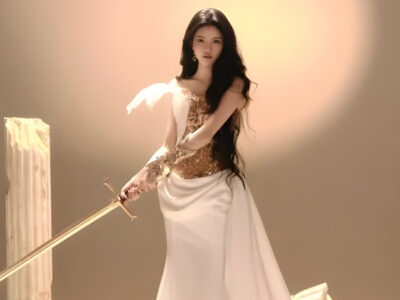
Is Sun Zhenni (孙珍妮) Hollywood's Next Big Fantasy Heroine? Her new look, a striking combination of gilded bodice and flowing white satin, has ignited the internet. It feels less like a photoshoot and more like a teaser trailer for an epic saga. We are witnessing the arrival of a "Dark Queen," a persona that is both icy and majestic, powerful and elegant. This isn't just a fashion moment; it's a statement that completely redefines her public image, leaving fans and onlookers utterly captivated by every single frame. Gilded Armor and Silken Strength The centerpiece of this transformation is a meticulously designed strapless gown. The upper half features a metallic gold fabric that catches the light, creating a shine that is bold yet never gaudy. Its sharp cut perfectly highlights the lines of her shoulders and neck. A single, large white satin bow drapes down one side, softening the golden intensity and adding a touch of dramatic flair. It is a masterful blend of strength and grace. Below, the dress flows into a high-quality white satin skirt. The fabric drapes perfectly, with smooth folds extending to the floor. This creates a rich, layered look that is both grand and understated. The…... -
The Quiet Glamour of Song Yi’s Red Carpet Look
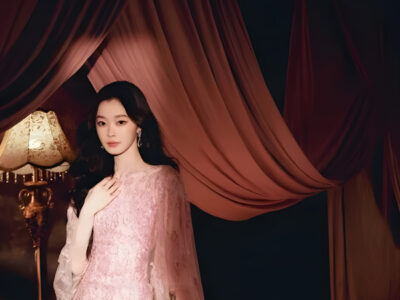
At a recent awards ceremony, actress Song Yi (宋轶) captivated audiences and ignited social media in a custom dusty pink gown. The look was an immediate sensation, hailed as a perfect fusion of classical Eastern aesthetics and modern high fashion. It wasn't just a dress; it was a statement that redefined red carpet elegance, proving that true glamour lies in subtlety and grace. As she moved through the venue, her silhouette evoked the charm of a classic film star, leaving onlookers mesmerized and sparking a viral debate on the power of understated beauty in a world of fleeting trends. The Canvas of Quiet Elegance This was far more than simply putting on a beautiful dress. The fitted silhouette of the gown was meticulously crafted to highlight her slender waist and graceful figure without being overt. The entire surface was a constellation of fine details, featuring three-dimensional embroidery and a sprinkle of diamond-like crystals that caught the light, creating a delicate, shimmering effect. It was as if fragments of a starry sky had been gently brushed onto the fabric—brilliant, yet never loud or ostentatious. The most breathtaking feature was the integrated cape sleeves made of diaphanous silk. This design moved with…... -
The Charm of Qipao in Wang Herun’s Guofeng Look
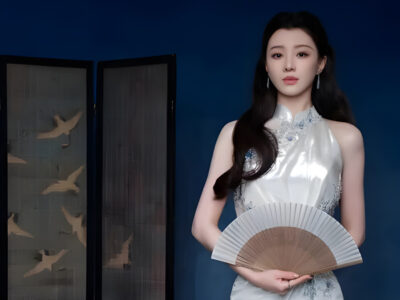
On a drizzly afternoon that seems plucked from a classical ink painting, actress Wang Herun (王鹤润) emerges not just in a new set of photographs, but as a living canvas of refined Oriental aesthetics. Her recent look—a silver-white modified Qipao with a halter neck and a plain fan—has ignited conversations across social media, not merely for its beauty but for how it seamlessly weaves centuries-old artistry with contemporary chic. This is more than a fashion moment; it is a statement about identity, heritage, and the evolving language of Chinese elegance in the modern world. A Stitch in Time: The Dress as Narrative The centerpiece of this visual symphony is undoubtedly the dress itself. Crafted from a fabric with a luminous, pearl-like sheen, the Qipao moves away from the rigid formality of vintage designs. Its true genius lies in the hand-embroidered motifs that cascade from the collar to the hem. These aren't just floral patterns; they are a gradient story of blue and green threads, each petal and leaf rendered with a lifelike quality that suggests the breeze of a Jiangnan (江南) water town is just about to stir them. This is where tradition speaks—through the painstaking art of Suzhou embroidery—but…... -
The 2,000-Year Story of Niu Ma
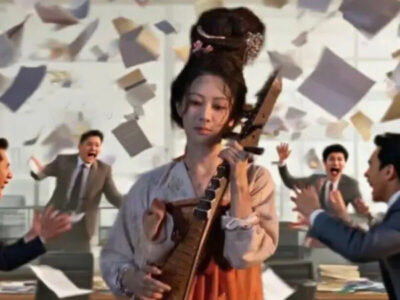
Have you ever called yourself a "Niu Ma" after a long day of work? This modern internet slang perfectly captures the exhaustion of the daily grind. But here's the kicker: government officials were using the exact same term to describe themselves over 2,000 years ago. That's right—feeling like a beast of burden at work is a tradition as old as Chinese civilization itself. When a Historian Called Himself a Beast The most famous example comes from the grand historian Sima Qian (司马迁). In his legendary letter Reply to Ren An (报任安书), he opens with the line, "The Grand Historian, a Niu Ma Zou (牛马走), Sima Qian, bows twice." By using "Niu Ma Zou"—which literally means "a running ox and horse"—he was calling himself a lowly servant, someone driven like livestock. It was a formal term of self-deprecation, but for Sima Qian, it carried profound weight. He endured castration to complete his historical masterpiece, making his use of "Niu Ma" less a polite gesture and more a bitter reality. He was a man of immense talent, yet in the eyes of the emperor, he was merely a tool, a creature to be used and discarded. The ox symbolized loyalty and hard…... -
Meng Ziyi’s Shen Miao: True to the Original?
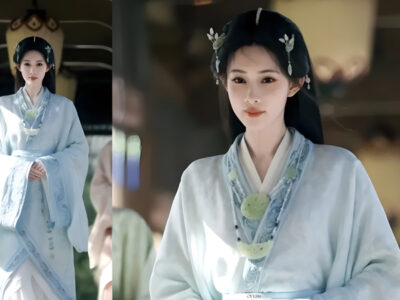
The announcement of the cast for the highly anticipated historical drama Jiang Men Du Hou (将门独后) has sent ripples through the Chinese entertainment sphere. Based on the beloved novel Jiang Men Du Hou (将门毒后), the series will see Wang Hedi (王鹤棣) and Meng Ziyi (孟子义) stepping into the roles of the legendary protagonists. While the pairing itself has ignited fervent online discussion, it is the first official images of Meng Ziyi in costume that have truly captured the spotlight. Fans and critics alike are now scrutinizing every detail, asking a single, pressing question: does this visual interpretation align with the Shen Miao (沈妙) they have imagined for years? Han Dynasty Inspirations The initial promotional stills and leaked set photos reveal a distinct stylistic direction for Jiang Men Du Hou. The creative team appears to have anchored the aesthetic in Han Dynasty (汉代) fashion. This is most evident in Meng Ziyi’s costume, a flowing, water-blue gown that is a modern interpretation of the Quju (曲裾), a type of formal Han-era robe. The design features the characteristic wrapped and overlapping front, creating a deep V-neckline and a layered silhouette that is both elegant and structured. It represents a specific vision for the…... -
Jiang Qinqin Shines in Song - Style Hanfu
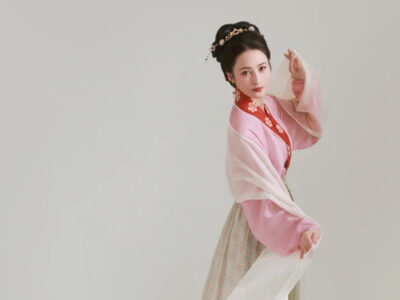
At a recent gala celebrating intangible cultural heritage, Jiang Qinqin (蒋勤勤) stepped back into the public eye. She didn't just appear; she arrived wrapped in the quiet elegance of Song-style Hanfu. The photos quickly rippled across social media, sparking a familiar question among viewers: Why has she stepped away from the screen so completely? The collective hope is for her to bring this very aesthetic—the muted tones and classic lines of the Song Dynasty—to life in a period drama. It feels like the perfect fit. Style Notes The outfit she wore is deceptively simple, yet it represents one of the most classic silhouettes in Hanfu. It’s a style centered on the Jiaoling (交领) or cross-collar, often paired with a long silk scarf known as a Pibo (披帛). Depending on the season and layering, a single layer is typically called a Shan (衫), while a lined garment is a Ru (襦). Historically, the combination of top and skirt was termed Ruqun during the Han and Jin dynasties. By the warmer Tang and Song periods, people often called it Shanqun. It's a subtle linguistic shift, but it reflects a real evolution in comfort and wearability. The genius of Song-style clothing lies in…...
Hi, friend
Welcome to Hanfu Community
No Announcement