Are you tired of historical Chinese dramas that take forever to get started, drowning you in exposition before anything actually happens? If you crave a series that throws you right into the heart of the mystery from the very first scene, then Unveil: Jadewind (唐宫奇案之青雾风鸣) is your next binge-watch. This show isn’t here to bore you with slow burns; it’s here to redefine what a palace suspense drama can be with sharp writing, a killer pace, and characters who actually respect each other.
Zero Warm-Up Time: A Mystery from the First Frame
The biggest compliment you can give this drama is its respect for your time. Forget the three-episode rule; this series hooks you in the first ten minutes. It opens with a high-stakes incident at a royal banquet, immediately establishing the central conflict. There are no lingering shots of scenery or drawn-out character introductions that go nowhere. The show employs a “case-of-the-unit” structure woven into a larger, overarching plot. This means you get satisfying mini-conclusions regularly while the pieces of a bigger puzzle slowly fall into place. It feels like a breath of fresh air compared to the padding often found in the genre. You can actually watch it without feeling the need to hit the fast-forward button, trusting that every scene serves a purpose.
The Right Kind of Creepy: Suspense, Not Horror
For viewers who love a good mystery but hide behind a cushion at the first sign of horror, this show strikes the perfect balance. It masterfully builds an atmosphere of unease using classic Chinese suspense elements without resorting to cheap jump scares or graphic violence. The eerie feelings come from strange patterns appearing in the palace and unexplained sounds at night—all of which have logical, human explanations. It is not a ghost story; it is a story about the strange and mysterious things people do. It uses the rich backdrop of the Tang Dynasty (唐朝) to frame a clever whodunit that relies on intrigue and deduction rather than terror. You get the thrill of the chase without the nightmares.
A Partnership of Equals: Why This Power Couple Works
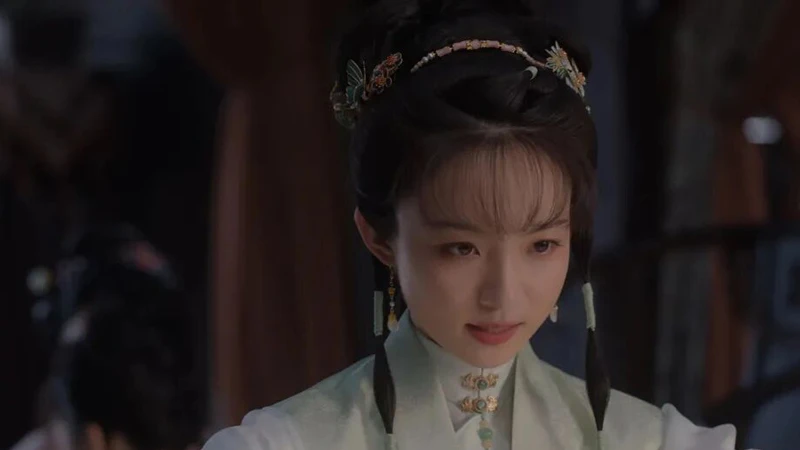
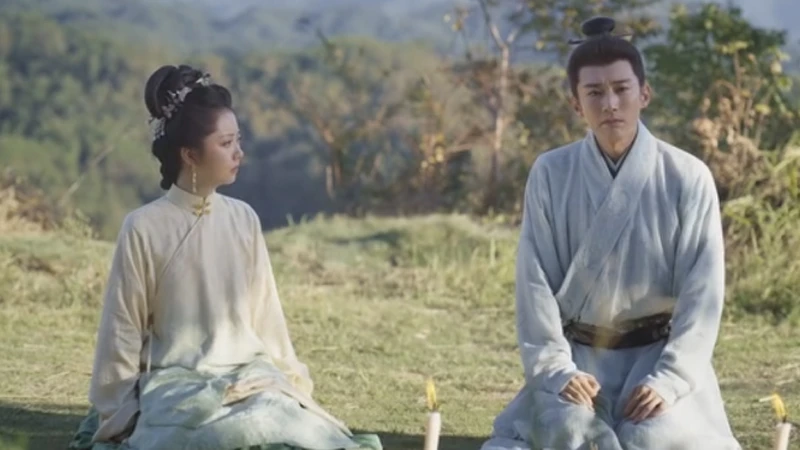
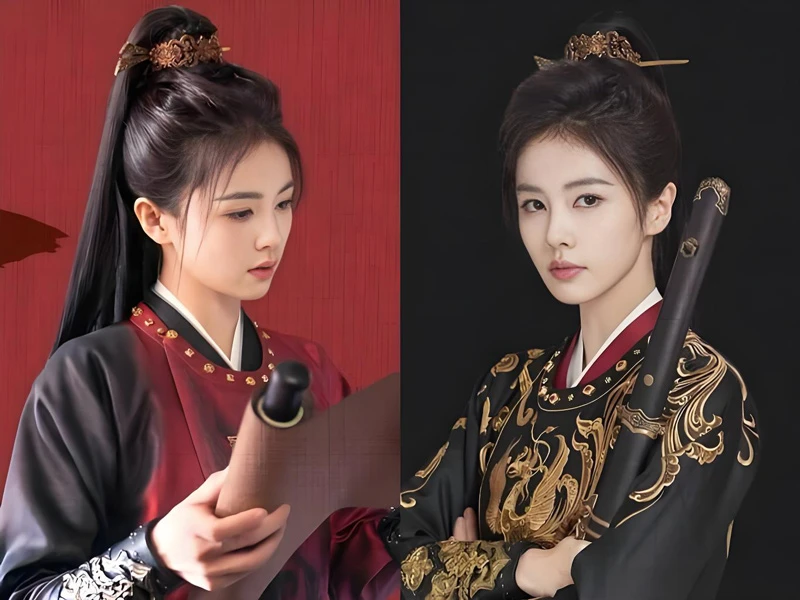
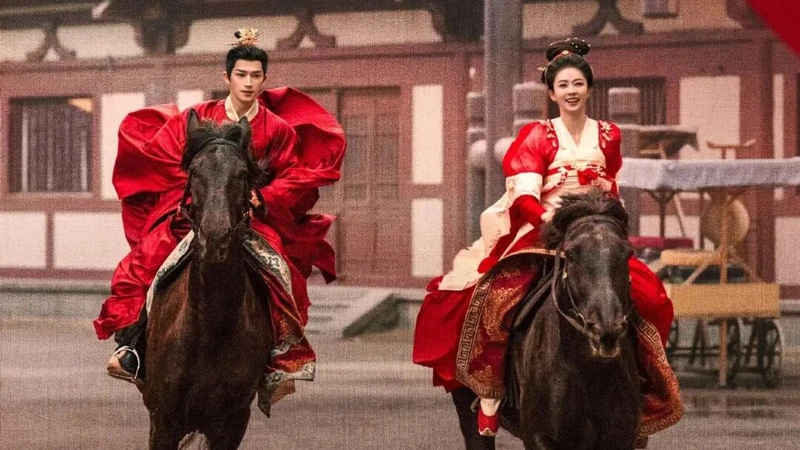
What truly sets this drama apart is its central relationship. The female lead, a county mistress, is no damsel in distress. She is physically capable, emotionally resilient, and refreshingly free of the “love-obsessed” trope. She fights her own battles and investigates with determination, driven by her own convictions. Her male counterpart, the Director of the Astronomical Bureau, is her perfect match. He is intelligent, reserved, and deeply analytical, using his knowledge of astrology and logic to piece together clues. Their dynamic is one of mutual respect—a true partnership where she handles the action and he handles the deduction. They operate as colleagues and allies first, with a subtle, mature chemistry that feels far more compelling than forced, saccharine romance. It is the kind of adult relationship viewers have been craving.
Visual Poetry: The Unpretentious Beauty of Tang Aesthetics
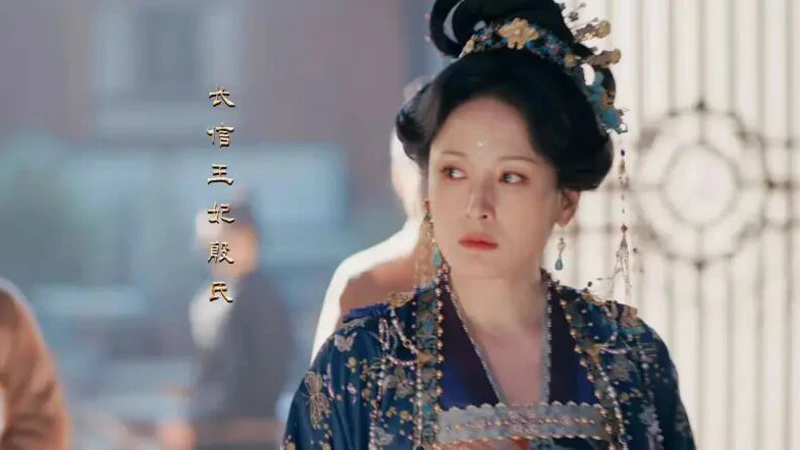
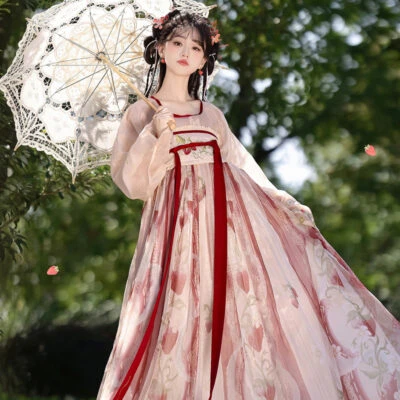
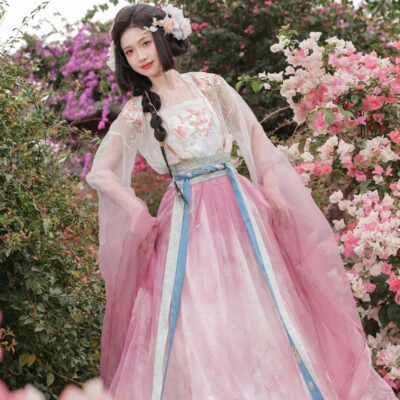
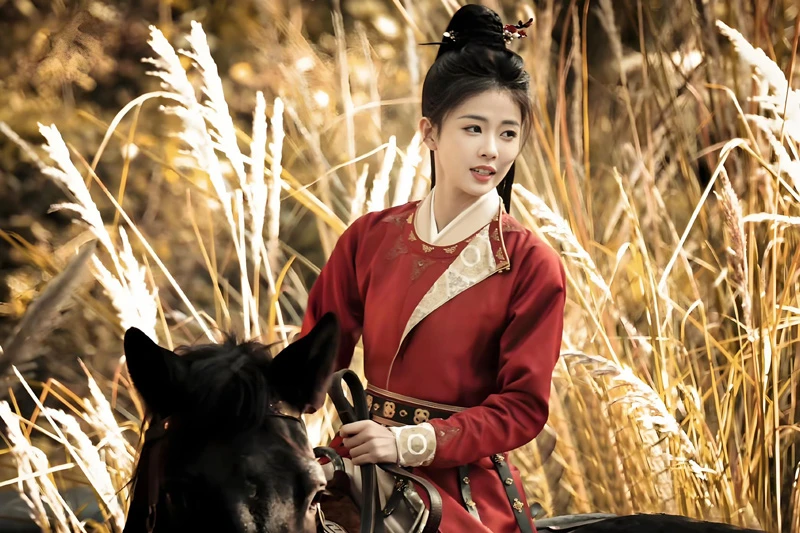
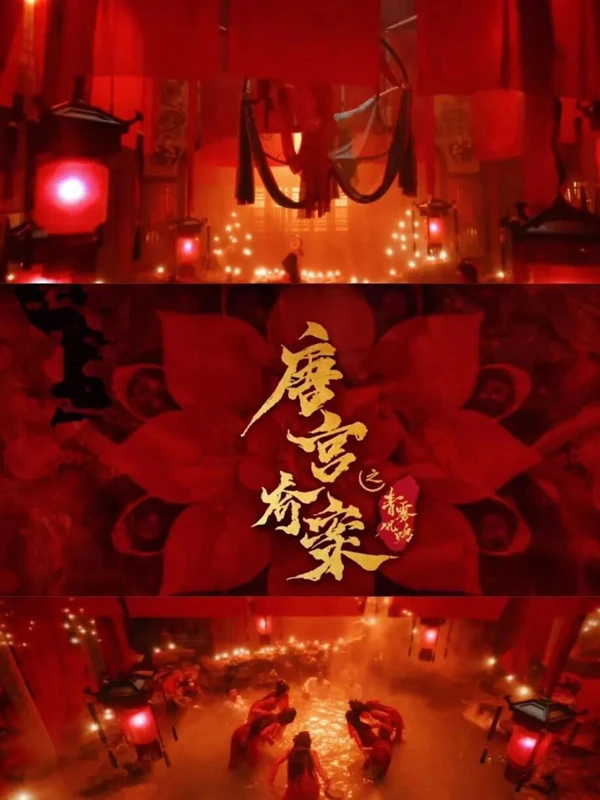
Visually, the series is a masterclass in restrained elegance. It avoids the overly saturated, neon-colored palette common in lower-budget productions. Instead, it embraces the calm and steady and grand and sophisticated aesthetic of the Tang era. The palace sets feel authentic and lived-in, the costumes are rich in texture without being gaudy, and the makeup enhances the characters rather than distracting from them. The cinematography, especially in night scenes, uses light and shadow to create depth and mood, while the action sequences are filmed with a clean, crisp style that highlights the choreography. It looks and feels like a premium production that trusts its audience to appreciate genuine artistry over fleeting visual trends.
Beyond the Harem: A Refreshing Take on Palace Life
Finally, the show deserves praise for its mature handling of palace dynamics. It completely sidesteps the exhausting and often tiresome tropes of —female rivalry and infighting. There is no simplistic division of women into “good” and “evil” characters. Instead, it paints a nuanced picture of the palace as a complex ecosystem. It highlights the desperation of minor figures trapped by circumstance, the difficult choices forced by power struggles, and, most importantly, the quiet solidarity that can exist between women. Every character, from imperial consorts to maids, acts with understandable motivations. You might not agree with their choices, but you understand why they made them, which makes for a far richer and more thought-provoking viewing experience.