A new wave is reshaping television landscapes far beyond its origin shores. Across platforms, narratives steeped in intricate political webs, resolute heroines, and reimagined legends are commanding unprecedented attention. These are not mere period pieces but sophisticated tales where personal destiny clashes with the fate of nations, and ancient traditions find new voice. Their staggering pre-release numbers and fervent fan discussions signal a shift in global viewing appetites.
The appeal lies in a potent alchemy: the strategic depth of a chess game, the emotional resonance of a character's hard-won growth, and the immersive pull of a meticulously built world. This phenomenon moves past simple entertainment; it offers a window into narrative frameworks where honor, strategy, and sacrifice are examined with fresh intensity. As audiences worldwide seek substance alongside spectacle, these stories deliver complex plots and compelling relationships.

Mo Li (莫离)
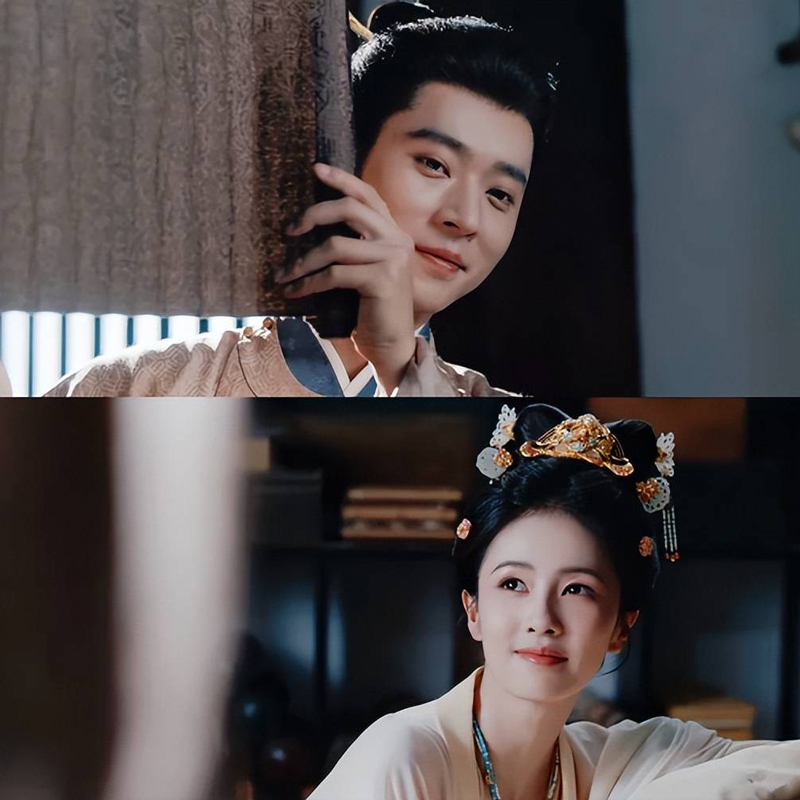
The series Mo Li immediately presents a compelling deceit. Adapted from the novel Sheng Shi Di Fei (盛世嫡妃), it follows Ye Li (叶璃), a modern special forces soldier reborn into the body of a seemingly gentle but actually disgraced noblewoman. Her assigned marriage partner is the Dingwang (定王), Mo Xiuyao (墨修尧), publicly dismissed as a disabled and ineffectual prince. This initial setup is a masterclass in hidden identities. He, far from powerless, commands a secretive guard known as the Qilin Wei (麒麟卫). Their union, a political calculation, becomes the furnace for a genuine bond.
Their journey begins as a performance. Each wears a mask: her cultivated meekness, his pretended frailty. This shared secret becomes their first, unspoken pact. The narrative tension derives not from misunderstanding but from mutual, gradual recognition of the formidable ally each has gained. They communicate in glances and actions meant for outsiders, building a private language of trust within the public fiction of their marriage.
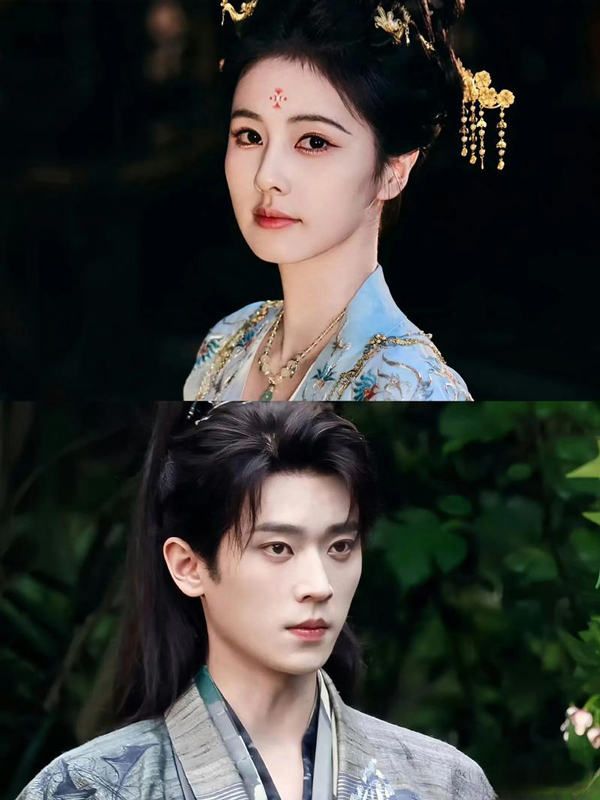
The conflict escalates from manor intrigues to battlefield crises and court rebellions. The story cleverly intertwines their personal alliance with their public duties. Defending a border or unraveling a conspiracy becomes a test and strengthening of their partnership. Their strengths complement; her modern tactical mind meets his deep understanding of their world's intricate social and military codes.
Ultimately, Mo Li crafts a vision of power rooted in equality. Their goal expands beyond survival to actively reshaping a corrupt kingdom. Their relationship, evolving from a convenient arrangement to a steadfast alliance, forms the emotional and strategic core that makes the sweeping political narrative resonate on a human level.
Qiao Chu (翘楚)
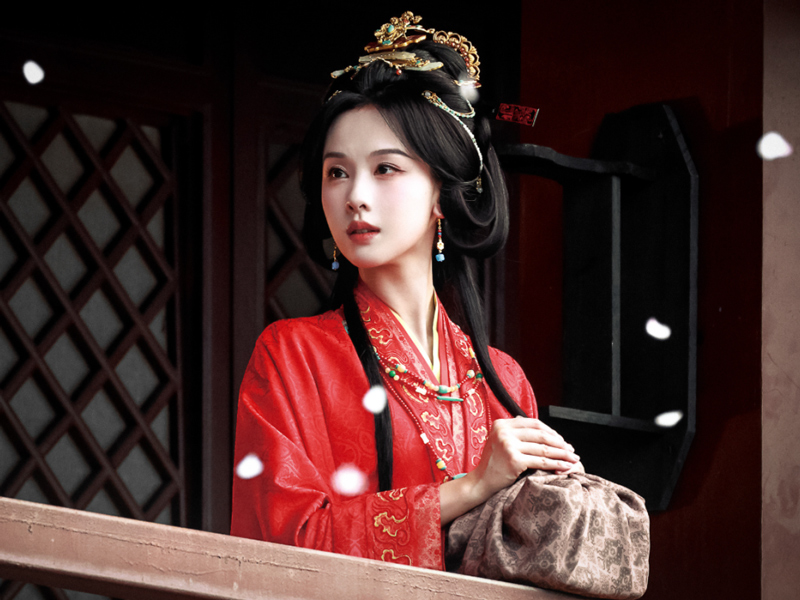
Qiao Chu begins not with a meeting, but with a memory. Chu Zhao (楚朝), daughter of a border general, is granted a second life carrying the searing knowledge of her previous betrayal and her family's ruin. Her target is her former husband, the scheming Xiaonan Wang Shizi (霄南王世子). This premise fuels a narrative driven not by romance, but by calculated vengeance and reclamation of agency. Her path crosses with Xie Yanlai (谢燕来), a marginalized son from a powerful family, offering a partnership of mutual benefit.
Chu Zhao’s transformation is the story's anchor. She shifts from a pawn in someone else's game to the player moving pieces on the board. Her "awakening" is cold and strategic, fueled by grief and rage. This focus on a heroine whose primary drive is strategic power, with romance as a potential complication rather than the goal, marks a distinct narrative direction.
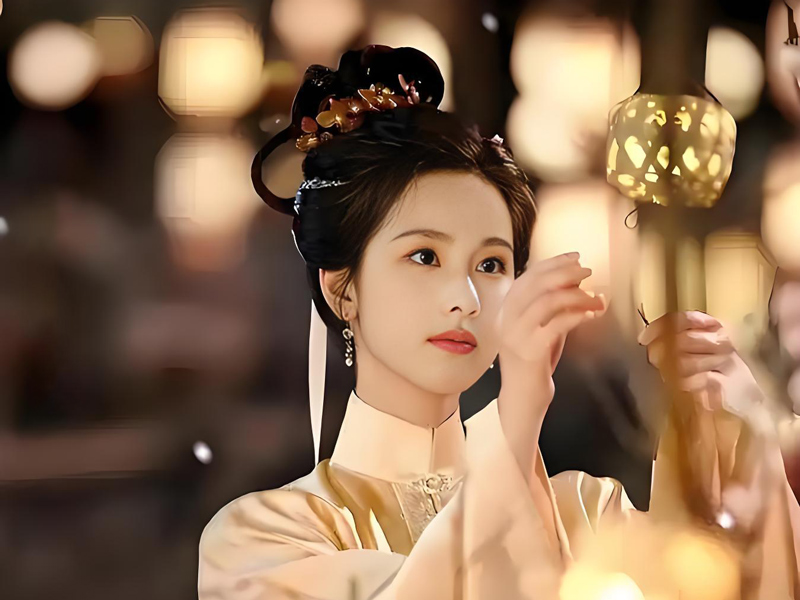
Her alliance with Xie Yanlai is transactional at its start. He seeks status and recognition; she needs an ally inside the power structures that destroyed her. Their collaboration is a dance of give-and-take, where trust is earned slowly through proven actions. They become co-conspirators, their bond strengthening as they navigate assassinations, political traps, and military campaigns side-by-side.
The story ambitiously weaves personal revenge into the fabric of national salvation. Toppling her enemy coincides with stabilizing the Chu kingdom, installing a rightful heir, and protecting its people. Her personal justice becomes inseparable from a greater good, adding moral weight to her quest and fulfilling a promise of narrative depth that satisfies both emotional and intellectual engagement.
Gu Yue Feng Hua Lu (古乐风华录)
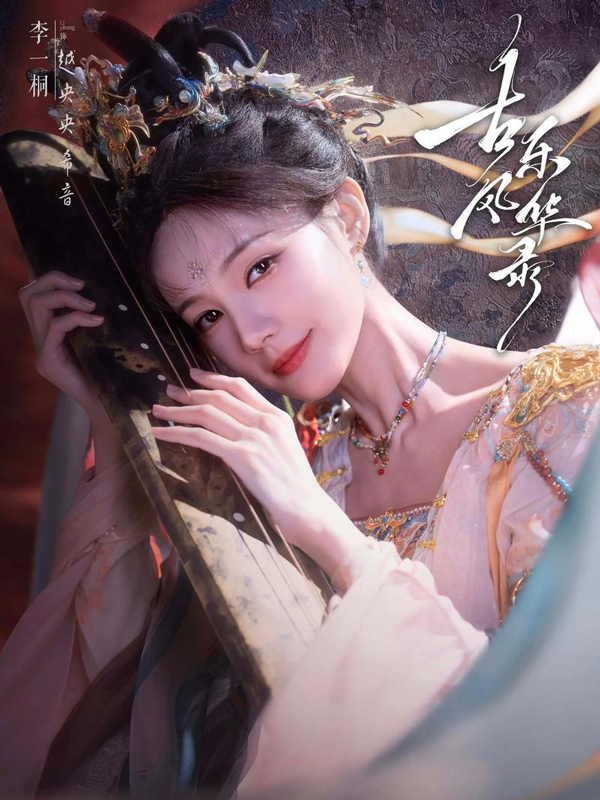
Gu Yue Feng Hua Lu builds its world not on swords alone, but on sound. It introduces Yue Yangyang (越央央), a "music hunter" who can discern the true spirit within melodies, and Shao Yi (少熠), a devoted Leling (乐灵), or music spirit, who protects her even through his own amnesia. They are drawn into a quest to collect fragments of a sacred score, the Fenghua Lu (风华录), to restore harmony. This framework blends Xianxia aesthetics with the soul of classical Chinese music.
The narrative's true innovation lies in its personification of instruments. Each of the twelve sacred music spirits embodies a traditional instrument like the Guqin (古琴) or Pipa (琵琶), complete with distinct personalities and entangled histories. A spirit of the Dongxiao (洞箫), or vertical flute, might be aloof, while a pair of twin spirits could share a tragic, inseparable bond. These relationships create a secondary layer of mythic drama.
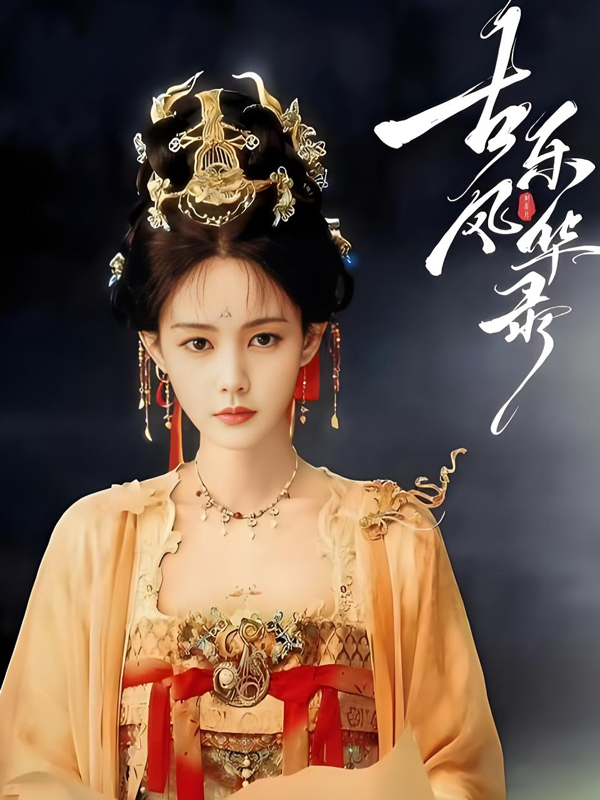
Yue Yangyang and Shao Yi’s journey through this realm is one of discovery and reluctant trust. Their alliance is fraught with hidden motives and the shadows of forgotten pasts. The trope of "fated enemies turned allies" plays out through their need to cooperate to survive and complete their mission, allowing respect and affection to grow amidst conflict and uncertainty.
Ultimately, the series proposes that music is a fundamental, ordering force. Restoring the Fenghua Lu is an act of cosmic repair. The characters' personal struggles—for memory, purpose, and connection—mirror the larger quest to heal a fractured world through melody, offering a poignant metaphor for harmony in both art and life.
Against the Current (兰香如故)
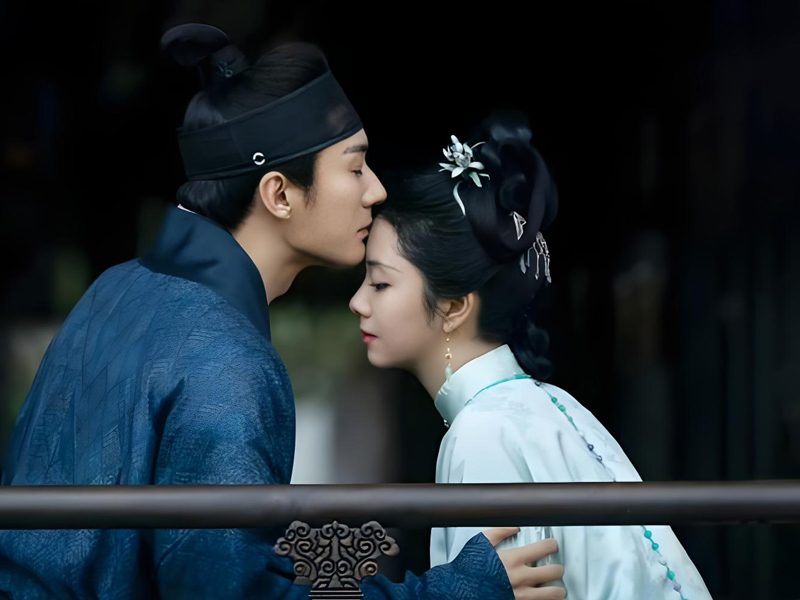
In the series Against the Current, we meet Shen Jialan (沈嘉兰). Once the cherished granddaughter of a Grand Secretary, her life shatters when her family is destroyed and her engagement is cruelly revoked. With everything lost, she makes a radical choice: to descend into the belly of the beast. Assuming a new identity as a lowly maid, she infiltrates the household of Lin Jinqi (林锦岐), the Minister of Personnel, the man linked to her ruin.
Her journey is one of astonishing duality. By day, she is a seemingly docile servant, her hands raw from scrubbing stone floors in the bitter cold. Yet her eyes betray a spirit unbroken, a calculating mind observing every detail. This is not a story of passive suffering, but of active, strategic re-building from the ground up.
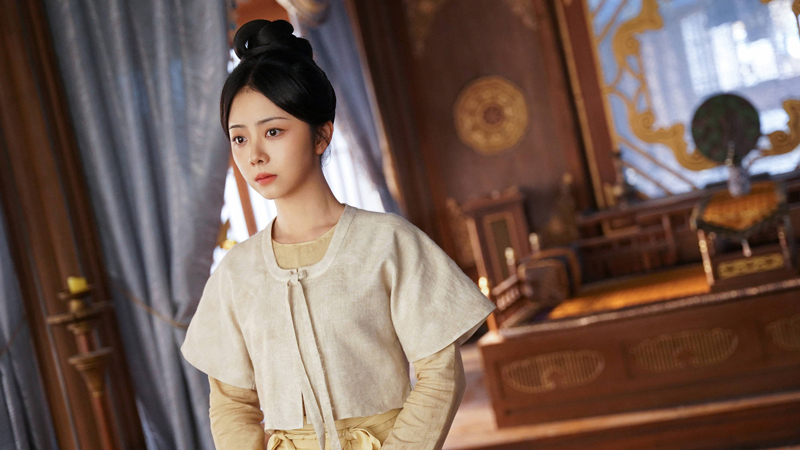
Shen Jialan’s weapons are her keen intellect and commercial acumen. She navigates the treacherous waters of household politics and high-stakes commerce, slowly weaving a web of influence. Her goal is twofold: to clear her family’s name and to ascend to a position of undeniable power within the very structure that sought to erase her.
Her dynamic with Lin Jinqi is fraught with complex tension. Initially perceived as cold and pragmatic, his later remorse creates a charged emotional landscape. Shen Jialan’s transformation—from noble lady to servant, and finally to master—challenges every traditional expectation, offering a portrait of resilience that is both cerebral and deeply compelling.
Marry My Cousin (表妹万福)
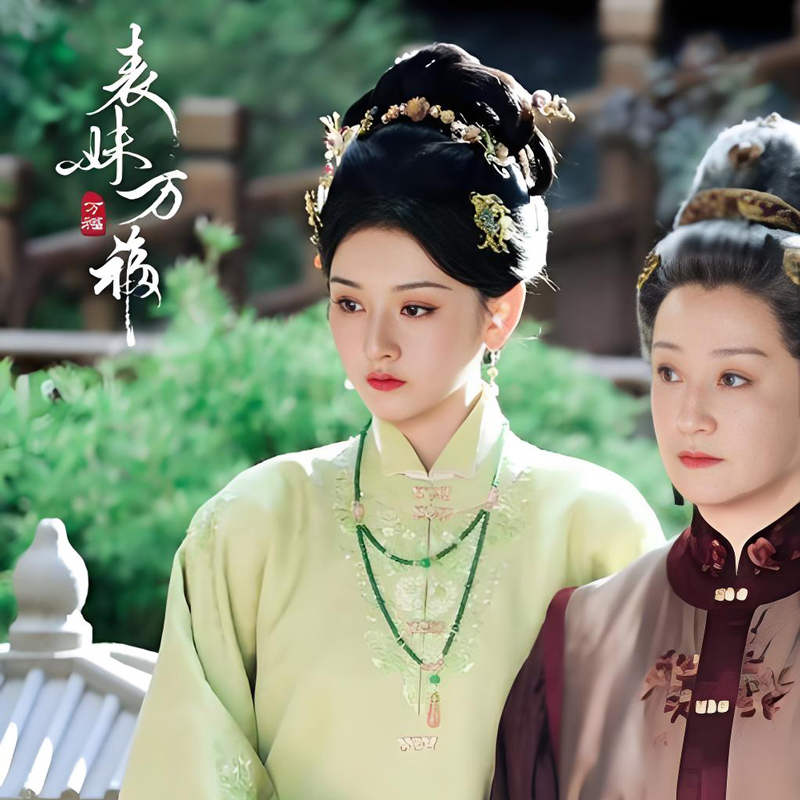
Knowledge of the future is a burden and a weapon in Marry My Cousin. The protagonist, Zhen Jiafu (甄嘉芙), carries the painful memories of a past life—one that ended in betrayal and tragedy after a misguided marriage. Given a second chance, she is determined to rewrite her script entirely. Her method is deliberate: she orchestrates a marriage of convenience to her cousin, Pei You’an (裴右安), a scholar from the powerful Dingguo (定国) Duke household.
This calculated move is her first step off a doomed path. Zhen Jiafu is strikingly self-aware, leveraging her foresight and business savvy to protect herself and those she comes to care for. Her pursuit of happiness is active, not wistful; she shapes her destiny with clear-eyed determination.
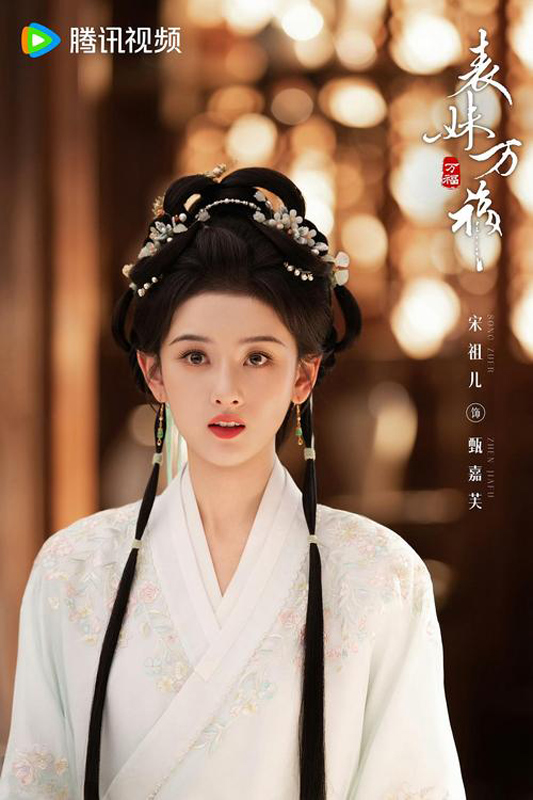
Her partnership with Pei You’an evolves from a tactical arrangement into a profound bond. Their path is strewn with obstacles: corporate warfare, political schemes, and family intrigues. When Pei You’an’s hidden lineage is exposed, leading to his exile, she stands by him, their relationship tempered by adversity.
The story expands its scope beyond the inner chambers, incorporating elements like naval battles against pirates and the development of advanced weaponry. Pei You’an’s own transformation from a refined scholar to a military commander mirrors the series’ theme of adaptive strength. Together, they embody a partnership built on mutual support and hard-won trust.
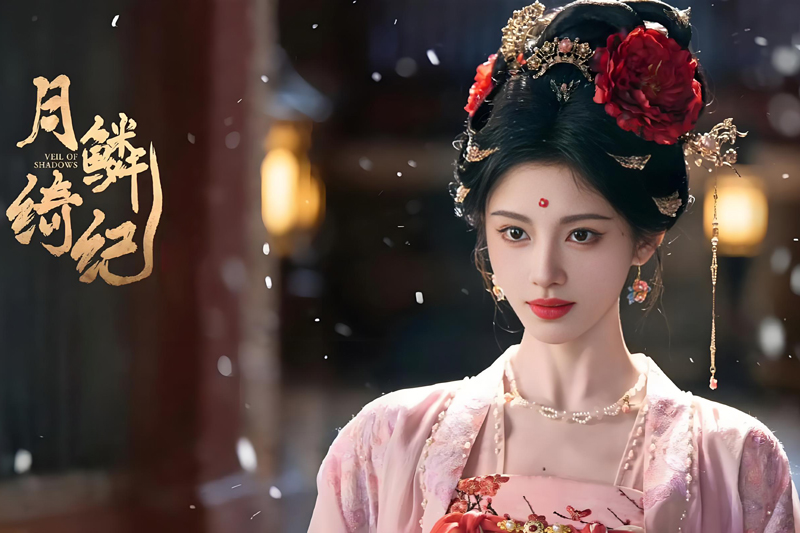
Veil of Shadows (月鳞绮纪)
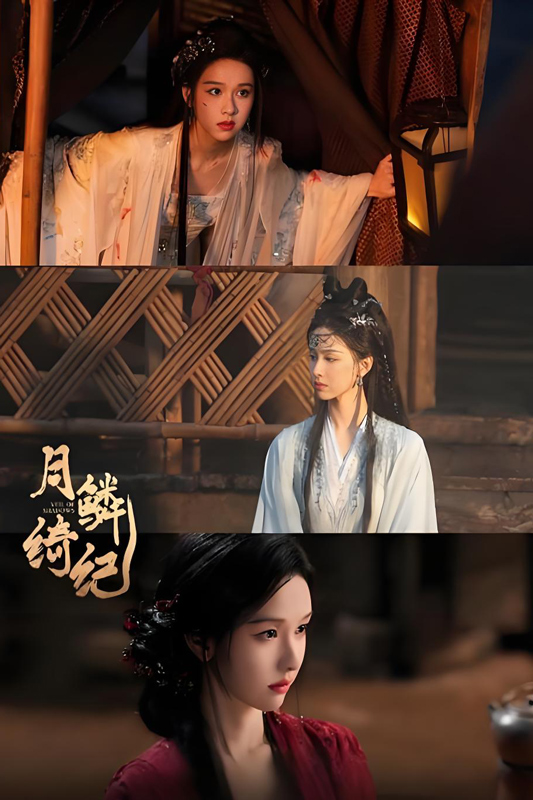
The realm of Veil of Shadows is one where fantasy and mystery collide. The city of Luo’an (洛安) is gripped by fear, its streets haunted by a series of gruesome heart-removal murders. These acts are tied to a sinister plot by the arch-demon Jiuying (九婴) to seize the primordial Dragon God’s power. Into this chaos steps Lu Wuyi (露芜衣), a nine-tailed fox spirit with a solemn duty to reclaim this scattered force.
Lu Wuyi is joined by an unlikely assembly: Wu Shiguang (武拾光), a human warrior burning with vengeance; Ji Ling (寄灵), a monk of mysterious origins; and another fox spirit, Wu Wangyan (雾妄言), whose mastery lies in manipulation and intrigue. This group presents a fragile alliance, cooperating by daylight to solve the supernatural crimes while guarding their own secrets by night.
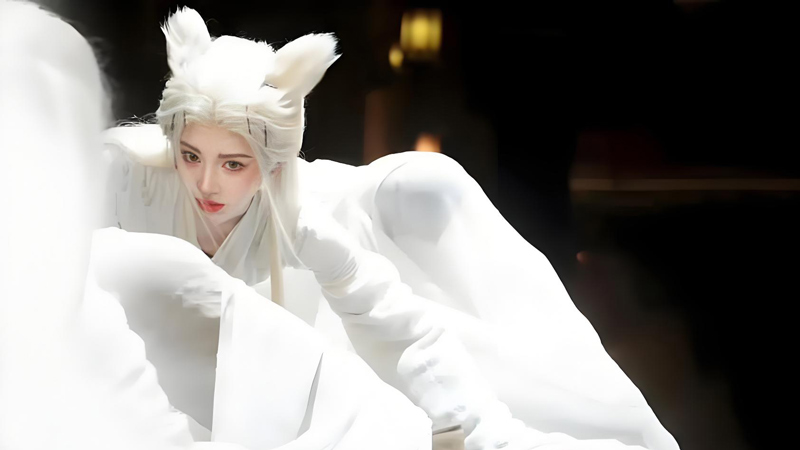
The narrative unfolds like a layered puzzle, with cases exploring themes of hidden heritage and ancient conspiracies, all while racing to prevent Jiuying’s full resurrection. The dynamic between the two fox spirits—one dutiful, one devious—creates a fascinating tension, a dance of contrasting motives and complementary skills.
Visual storytelling is paramount here. The series employs striking costume design and choreographed action to highlight the characters’ natures. Lu Wuyi’s journey is as much about confronting external threats as it is about navigating internal conflicts of loyalty and love that cross the boundaries of species, asking what it means to choose redemption in a world of predetermined roles.



In Conclusion
These anticipated series—from the strategic marital alliance in Mo Li to the musical mythos of Gu Yue Feng Hua Lu—epitomize a sophisticated new wave in Chinese storytelling. They transcend traditional genre boundaries, weaving intricate political intrigue, profound character evolution, and innovative cultural concepts into compelling narratives. At their core, these stories explore potent themes of identity, resilience, and partnership, whether through calculated vengeance in Qiao Chu or covert rebirth in Against the Current.
They promise not mere escapism, but immersive engagements where personal agency clashes with destiny, and ancient wisdom finds relevance in complex, modern conflicts. As these series prepare for release, they signal a bold direction for global television: one where depth of plot and richness of relationship are paramount, inviting audiences worldwide to experience a fresh, intellectually vibrant dimension of epic storytelling.