When a wise minister passes from the scene, the delicate balance of an empire often crumbles with him. The historical drama Swords into Plowshares (太平年) uses the death of the legendary counselor Feng Dao (冯道) as its pivotal turning point, forcing viewers to re-examine the fates of two key rulers: Guo Rong (郭荣) and Qian Hongchu (钱弘俶). Feng Dao was more than a politician; he was the anchor of stability across multiple dynasties. His departure left a power vacuum that no military campaign could fill.
Without his steadying hand and strategic foresight, the young emperor Guo Rong pushed himself to a fatal end on the battlefield. Meanwhile, in the lush south, King Qian Hongchu of Wuyue (吴越) found himself isolated, his diplomatic flexibility no match for the changing tides of a unified empire.
The narrative cleverly suggests that Feng Dao’s death was not just the end of a man, but the end of an era—an era where personal loyalty and measured governance might have prevented the brutal conquests and forced surrenders that followed. The show paints a picture of what could have been, highlighting how the absence of a single voice of reason reshaped the destiny of a nation.
The Architect of Stability
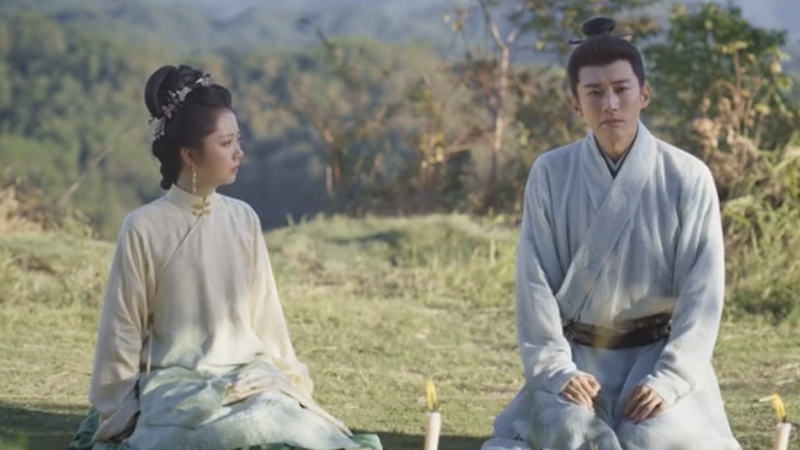
In the chaotic landscape of the Five Dynasties and Ten Kingdoms period, Feng Dao was an enigma. While others scrambled for the throne, he chose to serve it. The series portrays his grief at the death of Guo Wei (郭威), a rare emperor who embodied the Confucian ideals of frugality and diligent governance that Feng Dao valued. For Feng Dao, Guo Wei was the “wise ruler” he had always sought. His death was a personal and political tragedy, leaving the future of the Later Zhou dynasty in the hands of an adopted son, Guo Rong. Feng Dao saw potential in Guo Rong, a man who had proven his capability by managing floods and consolidating power. However, the counselor understood better than anyone that ruling an empire required more than just ambition; it required patience.
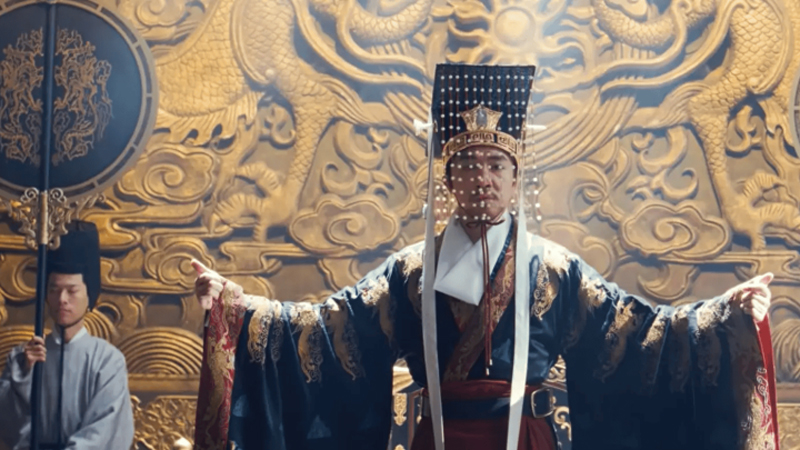
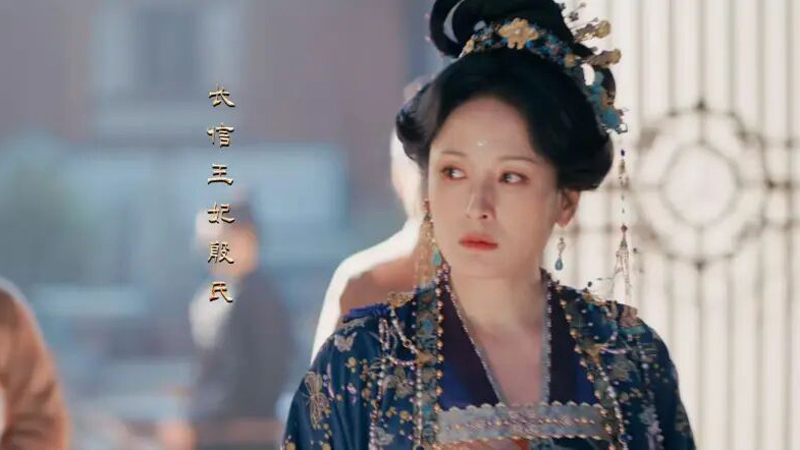
Feng Dao’s political genius lay in his understanding of logistics and human nature. Before Guo Rong even ascended the throne, Feng Dao had already facilitated discussions to transport grain from the fertile south to the starving north. He recognized the value of King Qian Hongchu of Wuyue, a leader who, unlike the hostile Southern Tang, maintained respectful relations with the central plains. Feng Dao likely saw in Qian Hongchu a partner, not a vassal. He supported the deal that granted Qian Hongchu the title of “Grand Marshal” in exchange for food and military cooperation. This was classic Feng Dao: building bridges to ensure survival, believing that a stable realm could only be built on a foundation of mutual benefit, not just brute force.
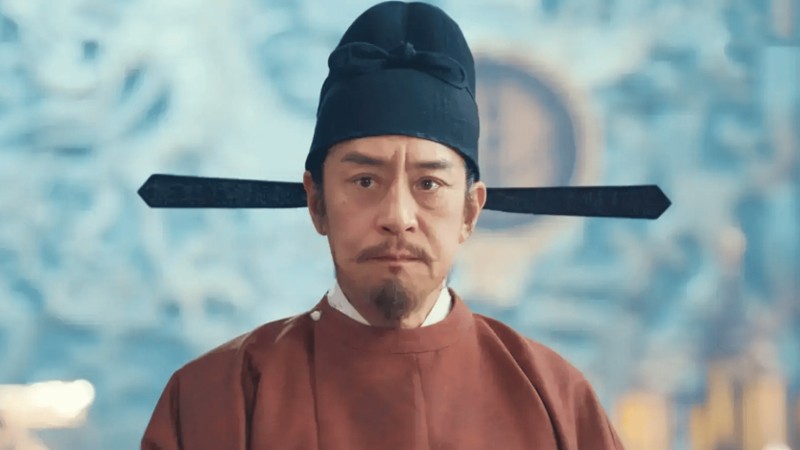
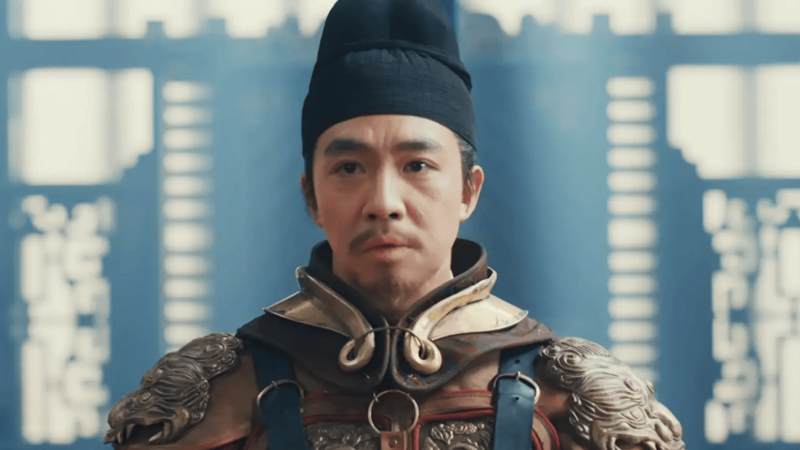
However, the defining trait of Feng Dao’s character was his unwavering commitment to the people over the throne. When Guo Rong impulsively decided to personally lead a campaign against the rebel Liu Chong (刘崇) and his Khitan allies, Feng Dao strongly objected. This wasn’t cowardice; it was strategic wisdom. He saw the empty treasury and the depleted borders. He knew that if the emperor fell, the entire dynasty would collapse. His famous warning, “the son of a rich man does not sit under the eaves,” fell on deaf ears. Guo Rong, fueled by the fire of youth, saw it as an obstacle. By leaving Feng Dao behind in the capital of Bianliang to manage the state, the emperor inadvertently signed the old man’s death warrant, as the stress of managing a nation at war proved too much for the aging counselor.
The Emperor’s Fatal Gamble
Guo Rong was everything a recovering dynasty needed: decisive, intelligent, and militarily gifted. His victory at the Battle of Gao Ping (高平), where he crushed Liu Chong’s rebellion, solidified his rule and silenced his critics. Yet, this very success blinded him. Feng Dao, on his deathbed in Bianliang, received the news of the victory and finally let go, perhaps sensing the trouble that lay ahead. Feng Dao had once asked the young Guo Rong if he was willing to bear the burden of the world. The emperor had answered yes, but his interpretation of that burden was different from his counselor’s. Feng Dao envisioned a thirty-year plan: ten years of conquest, ten years of recovery, and ten years of peace. Guo Rong wanted it all immediately.
Had Feng Dao lived, he would have reined in the emperor’s restless ambition. The series implies that Guo Rong’s fatal mistake was not his initial campaign, but his refusal to stop. “If Feng Dao had lived as long as Hu Jinsi,” the narrative suggests, he would never have allowed Guo Rong to lead every campaign personally. This led directly to the tragedy of the Sixteen Prefectures of Yanyun campaign. Guo Rong was winning, reclaiming three prefectures in just over a month. The strategic region, key to defending against northern nomads, was within his grasp. But the physical toll of constant warfare caught up with him. Struck by illness on the front lines, he was forced to retreat, dying shortly after with his grand ambition unfulfilled. He proved his might but lost the future.
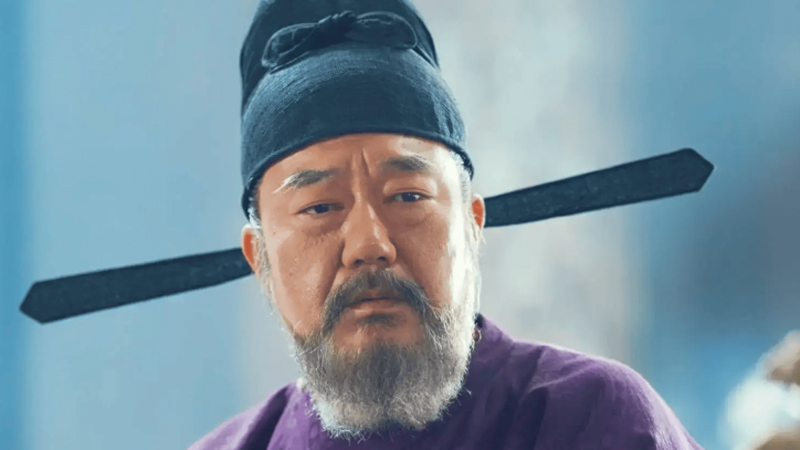
Guo Rong’s early death was the catalyst for everything that followed. It left a power vacuum in the north. His young son was left behind, a situation the ambitious general Zhao Kuangyin would soon exploit. The drama makes the viewer wonder: if Guo Rong had listened to Feng Dao and governed from the safety of the capital, delegating military campaigns to trusted generals, he might have lived longer. A living Guo Rong would have been a formidable emperor, one capable of retaking the lost territories and unifying the realm under the Later Zhou banner. His “death with regret” was not just a personal failure, but a historical one, closing the door on a potential path to peace that didn’t involve the bloody usurpation that was to come.