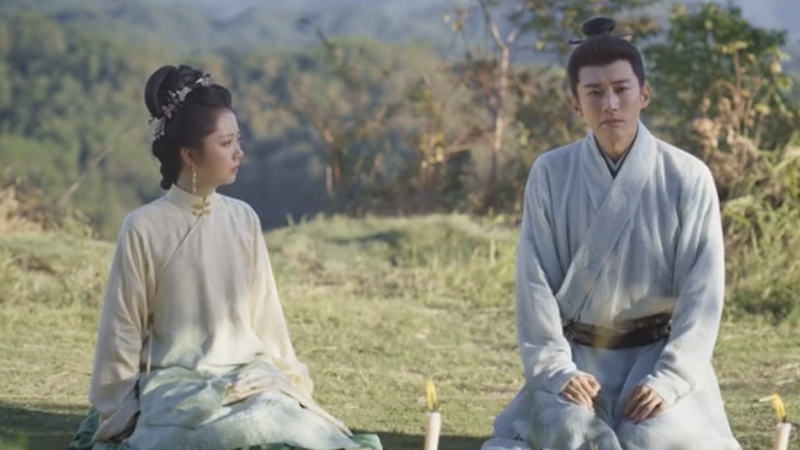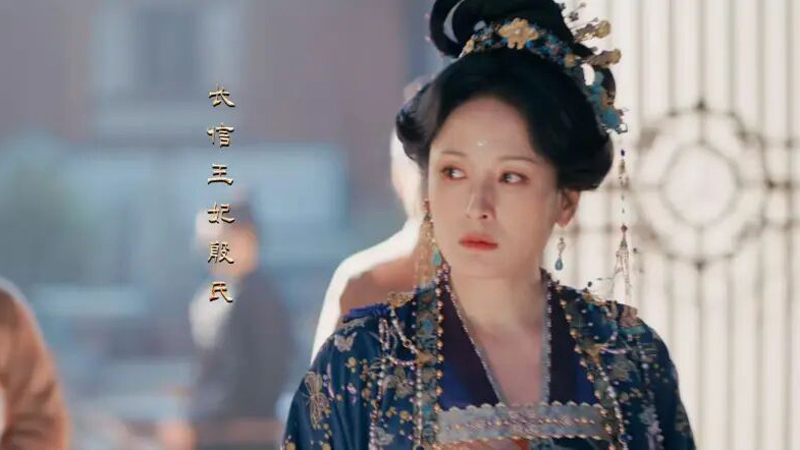
In recent years, Chinese costume detective dramas have carved out a loyal audience, with series like Strange Tales of Tang Dynasty (唐朝诡事录) setting high standards through immersive storytelling and rich period details. Now, a new contender arrives with ambitions to follow that path—Unveil: Jadewind (唐宫奇案之青雾风鸣). Directed by Yin Tao (尹涛) and starring Bai Lu (白鹿) and Wang Xingyue (王星越), the drama invests heavily in recreating the grandeur of Chang’an, but does its narrative offer more than just visual splendor? This review unpacks its plot, characters, and overall execution to see if it truly breaks new ground or merely treads familiar territory.
A Cold Case and a Faked Death
The series opens with a high-stakes premise: Li Peiyi (李佩仪), a young woman who survived the brutal massacre of her family nine years ago, now serves as an officer in the Nei Ye Ju (内谒局), a palace bureau handling internal affairs. Her sharp mind and combat skills make her a natural investigator, but her true motive is personal—she refuses to believe her father, the Prince of Duan (端), suddenly went mad and slaughtered their household. Determined to uncover the truth, she joins the Nei Ye Ju, where each case she handles potentially holds clues to that tragic night.
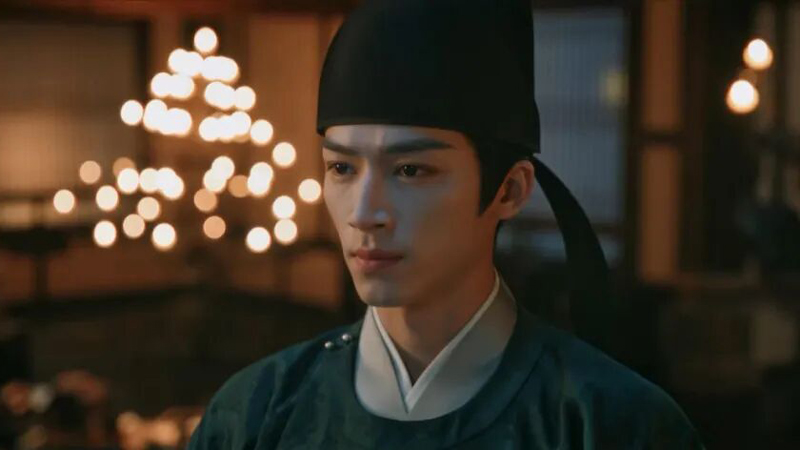
The first major case involves her close friend, Princess Wanshun (婉顺), who is betrothed to a prince of the Huihe (回纥) tribe. During a palace banquet, a mysterious fire erupts while the princess performs a dance. When the flames die down, her body is nowhere to be found. The emperor, Yongsheng (永盛, He Zhonghua), orders the Dali Si (大理寺) and the Nei Ye Ju to investigate together. Suspicion immediately falls on Xiao Huaijin (萧怀瑾), an astronomer from the Tai Shi Cheng (太史丞) who was spotted on a nearby tower during the incident.
Brought before Li Peiyi, Xiao insists on using astrological signs to guide the inquiry—a claim she initially dismisses as superstition. Yet as she follows his cryptic hints, evidence begins to align with his predictions. The emperor eventually assigns him as her official partner, forcing the pragmatic detective and the mystical stargazer to collaborate. Their dynamic is refreshingly free of forced romance, focusing instead on intellectual friction and mutual respect.
The investigation hits repeated snags: every promising lead ends with the witness murdered. When they zero in on Cui Manshu (崔曼姝), a noblewoman known to clash with the princess, she too is found dead before they can question her. Autopsy findings eventually reveal that Cui smuggled gunpowder into the palace by hiding it in diplomatic gifts, orchestrating the explosion. Yet Li Peiyi senses a deeper layer—the princess may still be alive. No remains were found at the scene, and Wanshun had once confessed a desire to “see the world beyond the palace.” A hidden sketchbook confirms she anticipated the blast.
Authentic Sets and Tangible Tensions
One of the drama’s strongest selling points is its commitment to visual authenticity. Over 30 million yuan was reportedly spent to reconstruct the 108 wards of Chang’an, and the costumes draw direct inspiration from Dunhuang murals (敦煌壁画). These details immerse viewers in the Tang era without feeling like a museum exhibit—the bustling markets, intricate palace corridors, and weathered alleyways all feel lived-in. Such craftsmanship elevates even routine dialogue scenes, grounding the mystery in a palpable world.
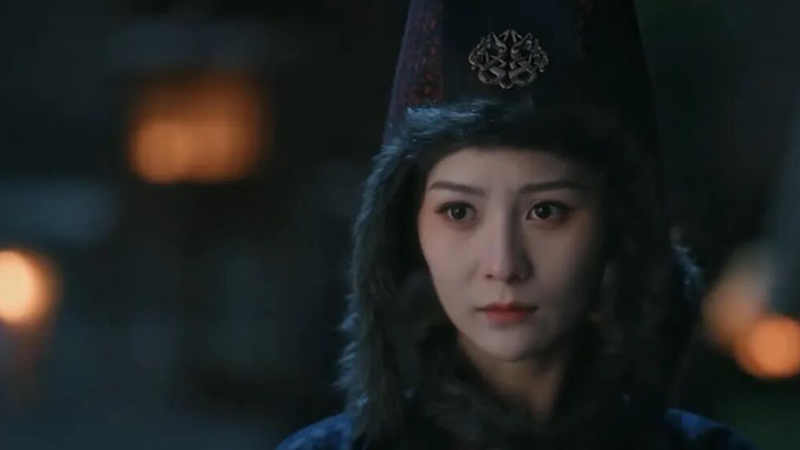
The characters, too, benefit from nuanced writing. Li Peiyi is not merely a vengeful heroine; her grief is channeled into quiet determination rather than melodrama. Xiao Huaijin, meanwhile, avoids the trope of the aloof genius. His reliance on astronomy stems from family tradition—his father also served as an astronomer and, as we learn, may have been involved in the very massacre Li Peiyi investigates. In the first case, Xiao’s mother casually mentions that her husband left the house after midnight on that fateful night, hinting at a connection that binds the two leads in unexpected ways.
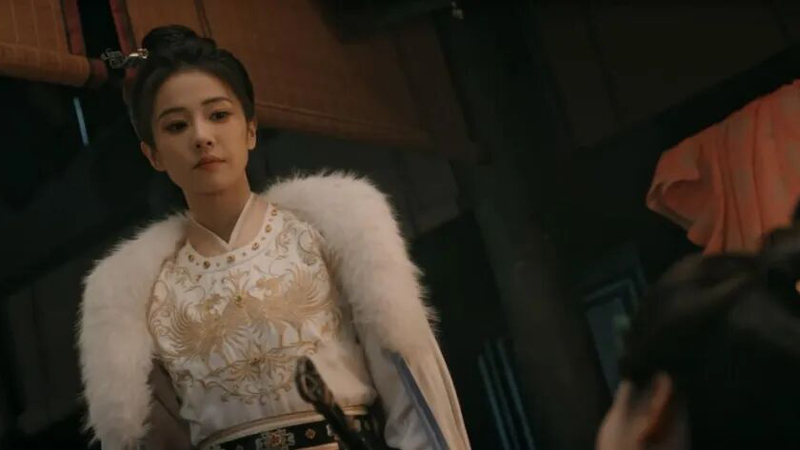
This thread slowly weaves through the episodic cases, ensuring that each standalone mystery contributes to the overarching puzzle. The princess’s “death,” for instance, introduces General Lin Ning (林宁), her secret lover, and forces Li Peiyi to confront how love can drive people to extreme measures. While the twist—Wanshun faked her death to elope—is foreseeable, the show handles it with enough emotional weight to keep viewers invested.
Where It Shines and Stumbles
Where the series succeeds most is in its refusal to cheapen the plot with unnecessary romance. The partnership between Li Peiyi and Xiao Huaijin remains professional; their exchanges are marked by skepticism and gradual trust rather than longing glances. This restraint allows the investigative work to take center stage, a wise choice for a genre often diluted by romantic subplots. The cases themselves are logically structured, with clues planted fairly and resolutions that mostly avoid deus ex machina.
However, the drama’s reliance on familiar formulas is hard to ignore. The “heroine with a tragic past” setup has become a staple, and while Li Peiyi’s quest for truth feels genuine, the framework is well-worn. Moreover, seasoned mystery enthusiasts will find the puzzles somewhat elementary. In the princess’s case, the hints about the gunpowder and the hidden sketchbook telegraph the outcome early on, leaving little room for surprise. The show seems designed for casual viewing rather than gripping, edge-of-your-seat deduction.
Production values aside, the writing occasionally falls into predictable patterns. Suspects are introduced and eliminated with mechanical precision, and the recurring motif of “every witness dies” grows repetitive. Still, the brisk pacing and competent acting ensure that boredom rarely sets in. Bai Lu brings a grounded intensity to Li Peiyi, while Wang Xingyue balances mysticism with subtle vulnerability. Their chemistry is understated but effective, hinting at deeper layers to be explored in future episodes.
Ultimately, Unveil: Jadewind is a solid entry in the costume detective genre—not groundbreaking, but far from a misfire. It respects its source material and audience by prioritizing plot over pandering, yet it also plays it safe, rarely venturing beyond the boundaries set by its predecessors. For viewers craving a visually rich, moderately engaging mystery to accompany meals or lazy afternoons, it fits the bill perfectly. Just don’t expect it to reinvent the wheel.