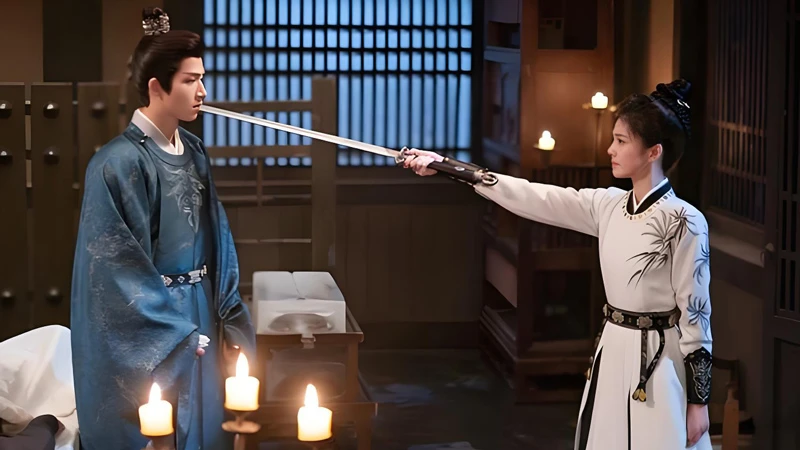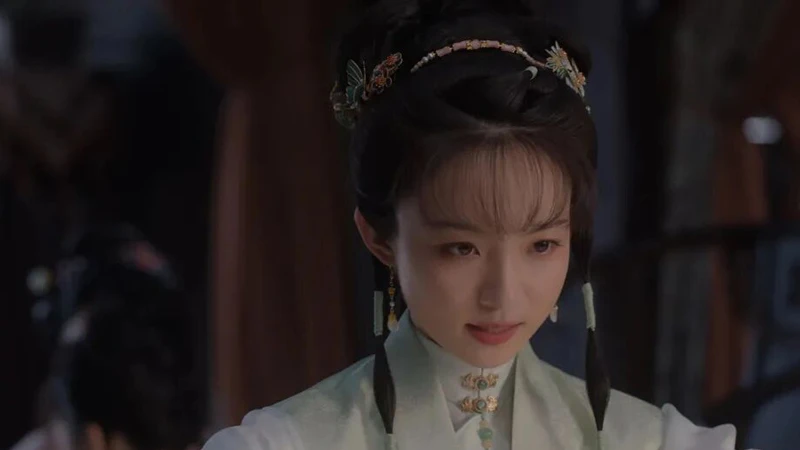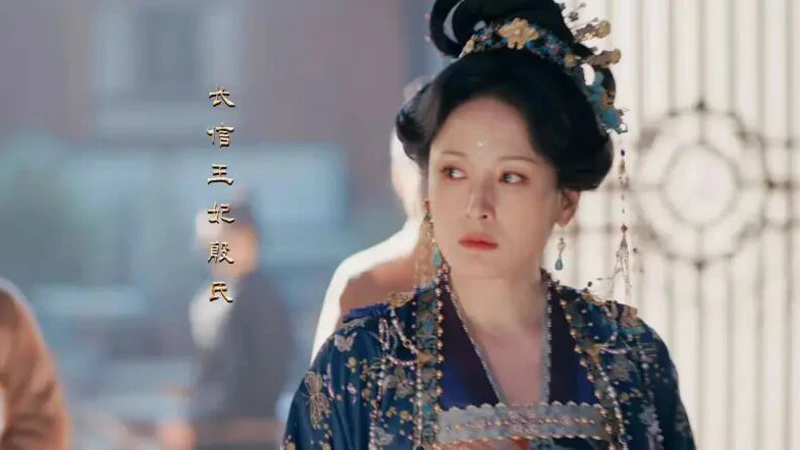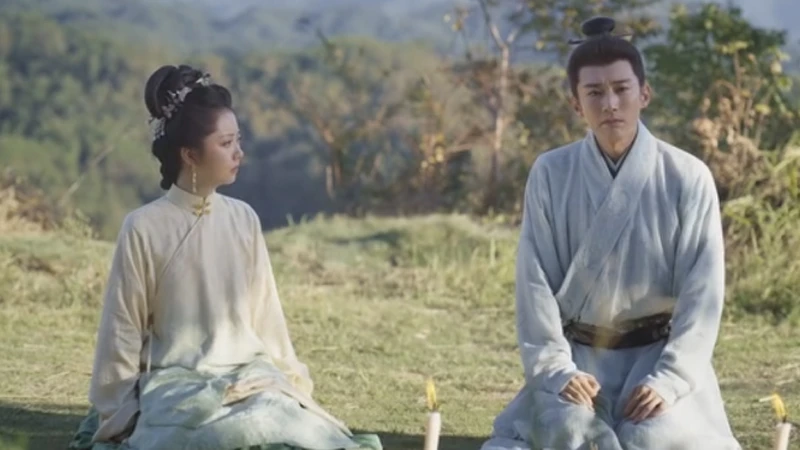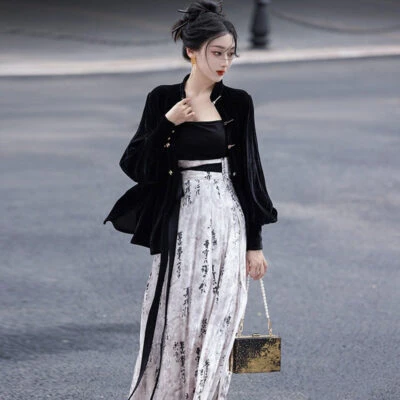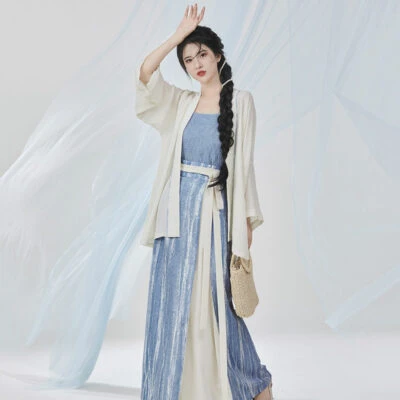
Unveil: Jadewind (唐宫奇案之青雾风鸣) introduces a captivating duo, Li Peiyi (李佩仪) and Xiao Huaijin (萧怀瑾). Their bond evolves through shared mysteries, not forced romance. She detects danger first; he notices hidden clues. This role swap feels fresh, emphasizing mental equality over typical tropes. Produced by Youku, the series has quickly gained traction, offering a nuanced take on adult relationships where intellect and mutual respect drive the narrative forward naturally.

1. The Sharp-Minded Pair Solving Palace Mysteries
In a landscape often filled with predictable stories, a new drama arrives with the freshness of a morning breeze. It presents two individuals who speak the language of logic and share a passion for their work. Their connection is not built on fleeting glances but on the sharp exchange of ideas. This is a story where the mind takes the lead, and the heart follows close behind. It offers a narrative that feels both intelligent and deeply engaging, a rare treat for those who appreciate substance over style.
Unconventional Heroes
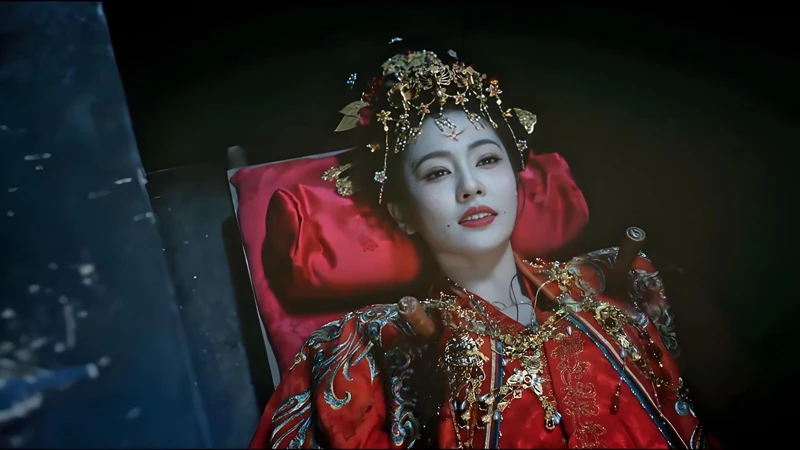
The story introduces us to Li Peiyi, a woman who defies expectations at every turn. Born a princess, she chooses a life of danger as an investigator in the Neiye Bureau (内谒局). Her focus is absolute. She builds traps for criminals with the same cold precision she would use to dismantle a weapon. When a corrupt official seems untouchable, she places herself directly in his path, risking her own life to secure his downfall. Her courage is not loud; it is a quiet, unshakeable force. Watching her outthink her enemies, one cannot help but feel a deep respect. She is a character built on action, not words.
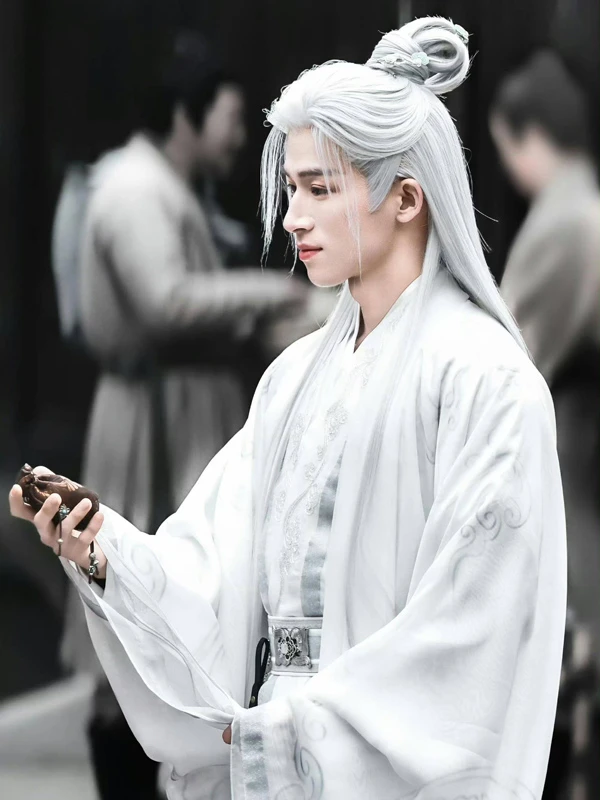
Opposite her stands Xiao Huaijin, an astronomer whose true talent lies in observation. His world is one of stars and shadows, where he has trained his eyes to notice the smallest details. Initially hesitant to join Li Peiyi’s investigations, he soon finds his skills are perfectly suited for the work. The length of a shadow at dusk tells him a suspect’s height. A discarded book or a plate of sliced fish reveals hidden truths. He is quiet where she is bold, thoughtful where she is direct. Together, they form a partnership where each completes the other, their strengths weaving together like threads in a sturdy cloth.
Partnership Forged in Shadows
Their relationship deepens not through soft words but through shared danger. In the case of the missing princess, they both spot the hidden mechanism behind the supposed ghost attack at the same moment, their minds working in perfect sync. Later, when palace maids vanish from a busy market, they instantly devise a plan, disguising themselves to infiltrate the criminals’ hideout. Each solved case adds a new layer of trust between them. This is a bond earned through trials, not given freely. It is the kind of connection that satisfies those who value intellectual companionship, proving that the sharpest minds often attract each other most powerfully.
The drama avoids the usual sugary exchanges seen in many shows. There are no long, drawn-out confessions or dreamy gazes set to music. Instead, it offers moments that are brief yet meaningful. Consider their first held hand. It happens not out of romance, but suspicion. Li Peiyi grabs Xiao Huaijin’s hand to smell the ash on his fingers, suspecting him of burning evidence. Their faces are cold, focused entirely on the clue. The second time, she offers her palm for him to draw a symbol he spotted on a suspect. They discuss the case, hands intertwined, until a passerby’s curious look makes them both realize their position. He pulls away, flustered, unable to meet her eyes. In that simple retreat, a universe of unspoken feeling is revealed.
Mystery with Measured Affection
The narrative unfolds in a brisk rhythm, wrapping up mysteries every few episodes. Each case, from a staged wedding to a embroidery tower trafficking ring, carries significant weight, hinting at larger conspiracies within the palace. As Li Peiyi and Xiao Huaijin work side-by-side, their respect for one another grows. They also encounter moments where their methods or views differ, adding realism to their partnership. Beneath the surface of these standalone cases, a deeper story stirs. Old memories surface for Li Peiyi, placing Xiao Huaijin at a childhood scene of chaos and flight. It raises a quiet question: did she seek him out for his mind, or for a reason buried in the past?
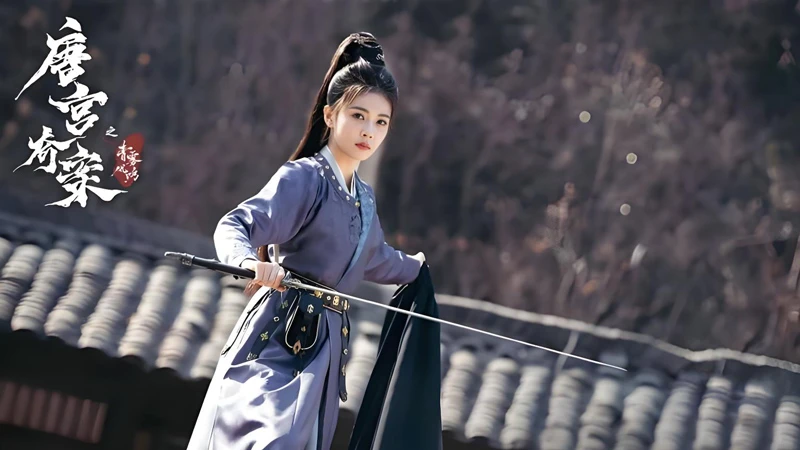
The series masterfully balances the thrill of the chase with the slow burn of a growing bond. The affection between the two leads never distracts from the central puzzles; instead, it enhances them. Their emotional journey moves in step with the plot, each revelation in a case echoing a small step in their personal connection. There are no grand gestures, only a series of small, telling moments that accumulate into something real. The show trusts its audience to notice these subtle shifts, to read between the lines. For those willing to pay attention, it offers a rich and rewarding experience, where the greatest mystery might just be the state of their own hearts.

2. Two Souls Heal Each Other
In a television landscape saturated with instant romance and manufactured tension, one series chooses a different path. It understands that the most compelling love stories are not built on fleeting glances or heated encounters, but on the quiet foundation of shared experience and mutual respect. This is a tale of two wounded souls who find not just a partner, but a home, in one another. Their connection doesn’t scream for attention; it whispers, and in its subtlety, it speaks volumes.
A Meeting of Wounds
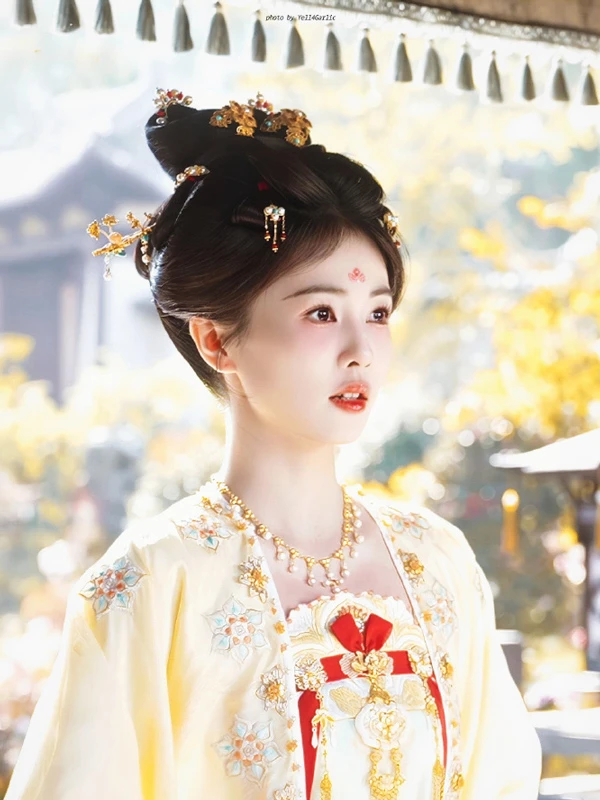
Before there can be an “us,” there must first be a fully realized “me.” Li Peiyi and Xiao Huaijin are introduced not as two halves of a whole, but as compelling, complete individuals, each carrying a past that has meticulously shaped them. Peiyi is defined by a singular, horrific tragedy: the massacre of her own family by her father, the Prince Duan (端), during a fit of madness. Waking from a fever to this devastating news, she is left with no memories, no family, and a gnawing disbelief that drives her every action. She dedicates her life to solving cases, a desperate search for truth in others’ lives to compensate for the impossible truth of her own. This quest leaves her untethered, a woman with no one to fear for and no one to fear for her, making her recklessly brave and profoundly alone.
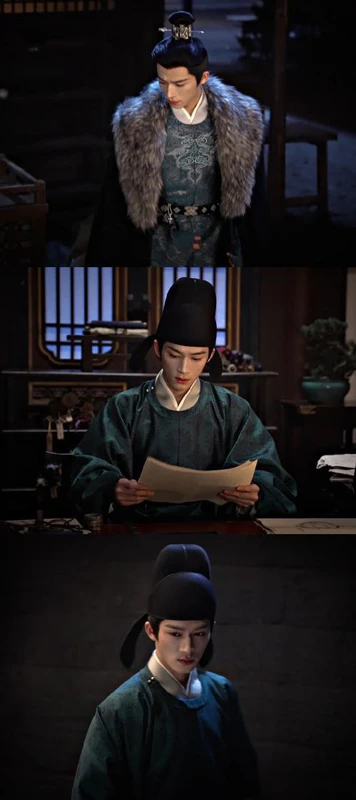
Xiao Huaijin, on the other hand, appears as the picture of composure. An official in the Imperial Observatory, he prefers the predictable company of stars and constellations to the messy complexity of people. But his polished exterior hides a secret he has carried since childhood, fostering an unnatural maturity and a deep-seated loneliness. He adheres to rules and principles, yet this very sense of justice torments him. He purposefully distances himself from his family and shuns career advancement, seeing this self-imposed exile as a necessary penance for the burden he holds. He is a man anchored by a past he cannot outrun, a past that has taught him to keep the world at arm’s length.
Respect to Reliance
For two people so guarded, the path to love cannot begin with grand gestures. It starts with a single, silent seed: genuine admiration. Huaijin witnesses Peiyi’s sharp mind and fearless dedication, and her passionate pursuit of justice reignites a spark of youthful idealism he thought he had long extinguished. In turn, when he berates himself for a mistake, Peiyi, usually so harsh on herself, offers him unexpected comfort, telling him he did his best. These small acknowledgements are their first real connection. Their trust is forged not in words, but in shared peril. When Peiyi finds herself in a desperate situation, poisoned and cornered, she entrusts her very life and unfinished business to Huaijin without a second thought. This act of ultimate reliance ties him to her in a way nothing else could.
What truly allows their love to flourish is respect. Huaijin understands Peiyi’s need to face danger; he worries but never tries to stop her. Instead, he becomes her steadfast “inner helper,” meticulously preparing for her safety and ensuring she has a way back. He takes her reckless courage and provides a foundation of security. This is not a love of possession, but of support. Their bond is built on the profound understanding that they are each other’s safe harbor, a place where their burdens are shared, not shouldered alone. He quietly assumes responsibility for her well-being, an act that speaks far louder than any declaration of love, transforming her solitary existence into one where someone is always waiting for her safe return.
The Quiet Shift to ‘Us’
The beauty of their relationship lies in the subtle, believable evolution from guarded individuals to an inseparable pair. It’s a transformation shown through tiny, unguarded moments. The typically stern Peiyi, caught in a game of Gomoku with Huaijin, playfully cheats, lifting her chin in defiance of a loss. The aloof Huaijin, who has closed himself off from the world, starts bringing her favorite patterned bean paste cakes before their meetings. He steps out of his self-imposed isolation, drawn into her orbit. These small acts—a moment of childishness from her, a thoughtful gesture from him—are the gentle tremors of their emotional earthquake, revealing how they are beginning to change each other. They are two people learning to be themselves, not in solitude, but in the presence of another.
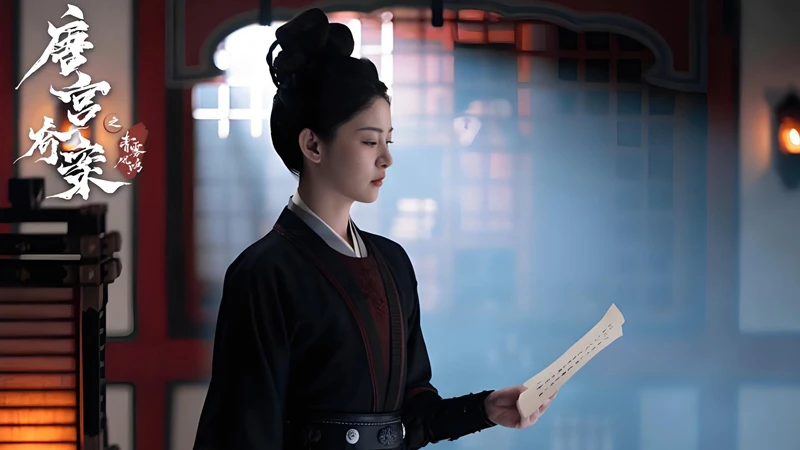
Their journey culminates in a scene of profound understanding. Peiyi prepares to reopen a wound on her own body to match a victim’s scar for evidence. As she raises the knife, Huaijin appears. He doesn’t just stop her; he presents a better solution, using incense powder to lift the evidence instead. Then, with quiet authority, he says, “It would be my dereliction of duty if you were hurt.” This simple statement holds more weight than a thousand proclamations of love. It is the final, perfect piece of their puzzle: the man who wanted no ties to the world has willingly, completely, taken her as his responsibility. This is the essence of their bond—he is the sheath that grounds the blade, allowing her to be sharp without being broken. They are, as one might say, a knife and its sheath, perfectly matched. Theirs is a love story not of passionate fire, but of steady, warming light, proving that the most enduring connections are built slowly, brick by brick, on a foundation of shared wounds, deep respect, and quiet, unwavering support.

3. Finding Light in the Shadows of the Past
In an era where love stories often feel hollow or overly idealized, one tale manages to cut through the noise. It grabs hold not with grand gestures, but with its raw portrayal of two people clawing their way toward the truth and, in the process, saving themselves. This is a narrative that understands a fundamental truth: the most powerful connection isn’t about finding someone who completes you, but finding someone who believes in you as you fight to become whole.
The Unyielding Flame
At the heart of this story is Li Peiyi, a character whose exterior of stubbornness and fierce independence masks a core of unwavering conviction. The world has tried to write her story for her, branding her with the cruel label of a “lonely star” destined to bring misfortune. She is told, repeatedly and with brutal certainty, that the massacre of her family was a simple, tragic event with no deeper mystery. Yet, she refuses this narrative. Her rebellion is not loud or petulant; it is a quiet, grinding persistence. She would rather live in the painful pursuit of truth than exist in the comfortable numbness of a lie.
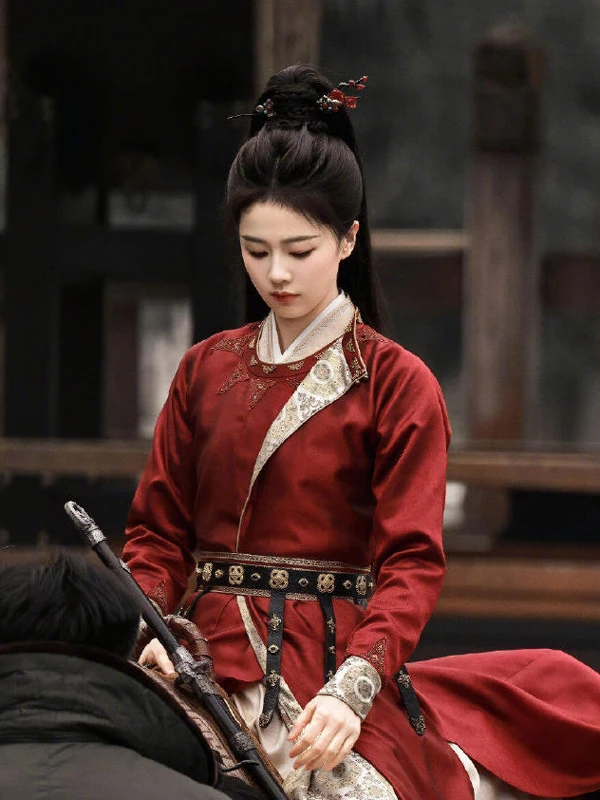
Her strength is not born of naivety. Peiyi is acutely aware of the constraints placed upon her, both as a woman navigating a male-dominated official world and as an individual whose quest for justice constantly brushes against the unyielding walls of imperial power. The privileges bestowed upon her due to her tragic past feel hollow. For her, the most precious moments are stolen whispers of memories about her parents from others. This constant state of awareness, of fighting to stay awake in what feels like a constructed reality, is precisely what makes her remarkable. Her personal creed—to seek justice for all the wronged under heaven—is not a lofty ideal but the very engine of her survival.
The Mirror of Another Soul
Then there is Xiao Huaijin, a man initially encased in ice, shaped by his own secrets and losses. He is a living repository of the truth Peiyi seeks, a witness to the very past she is trying to unearth. Their meeting is not a gentle collision but a convergence of two parallel forces. Peiyi’s relentless light does not soften him immediately; instead, it reflects off his cold exterior, forcing him to see the possibility of warmth and justice he had long abandoned. He does not rescue her from her quest; he becomes its crucial component, the key that can finally turn a locked door.
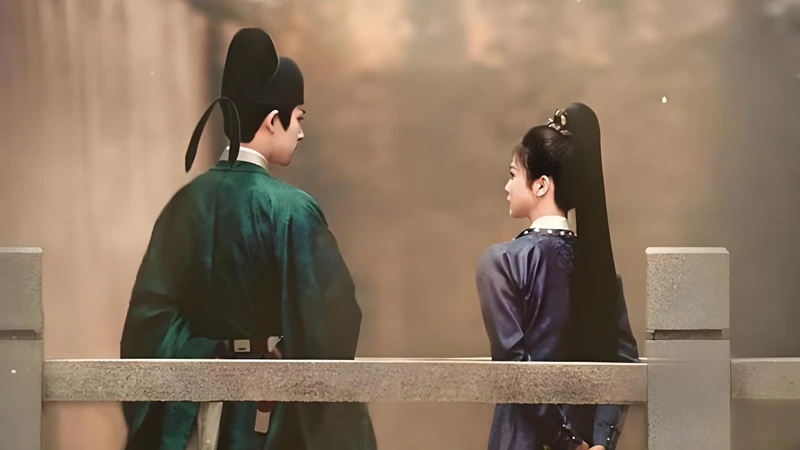
Their bond deepens not through whispered sweet nothings, but through shared purpose. As Peiyi investigates cases, dragging Huaijin along, he witnesses her empathy in action. He sees her connect with the suffering of strangers, her anger at injustice a palpable force. This shared experience chips away at the ice around his heart. The human emotions he witnesses—grief, loyalty, rage, love—begin to thaw his frozen core. He starts as a witness to her story and gradually becomes a co-author of his own. Their connection is forged in the fires of their individual battles, proving that true partnership is built on mutual respect for each other’s fight.
The Echoes in the Shadows
The story’s world expands beyond its central pair, populated by minor characters who are anything but small. Consider Lou Chuo (娄绰), a sanitation worker, a figure of scorn in her society. She risks her own tarnished reputation to seek justice for a courtesan named Hanxiao (含笑), a woman who once showed her a simple kindness. This act of loyalty stands in stark, brilliant contrast to the hypocrisy of high-ranking officials who compose poetry by day and commit atrocities by night. Lou Chuo’s actions scream a powerful message: morality and courage are not commodities of the elite.
Another powerful example is the palace maid, Tao Zhi (桃芝). When she and her fellow maids are imprisoned after leaving the palace, she endures brutal beatings, the marks on her face a grim tally of her suffering. Yet, she never waits for a rescuer. Her thoughts never turn to passive hope. Instead, her very bones seem to be made of a stubborn resilience. Her determination to escape, again and again, becomes a silent beacon for the other women. She doesn’t need to give a rousing speech; her unwavering will to fight, even in the face of overwhelming pain, speaks volumes and ignites a similar spark in those around her. These characters are not mere plot devices; they are the proof of the story’s central theme—that the drive to live with dignity and fight for what is right can erupt in anyone, anywhere.

Final Words
In the end, Unveil: Jadewind offers more than palace intrigue—it presents a rare portrait of love built on intellect and mutual healing. Li Peiyi and Xiao Huaijin don’t complete each other; they believe in each other’s battles. Through shared mysteries and quiet sacrifices, they prove that the strongest bonds are forged not in passion’s fire, but in the steady light of respect, trust, and the courage to face one’s shadows together.