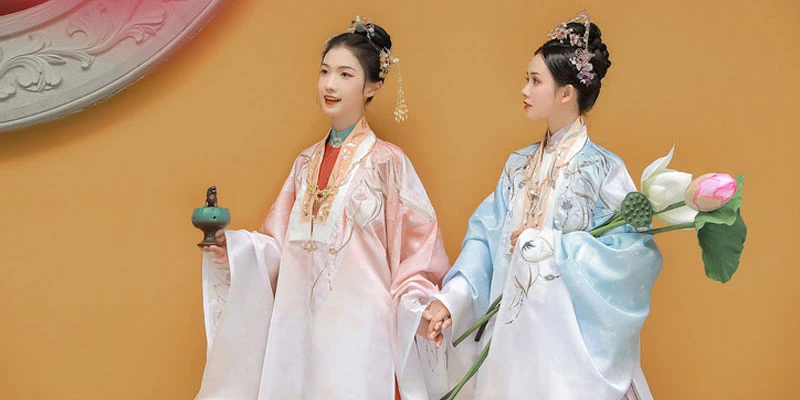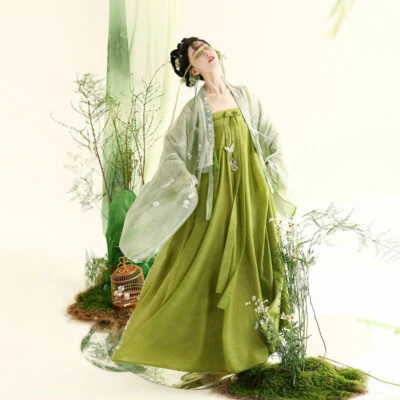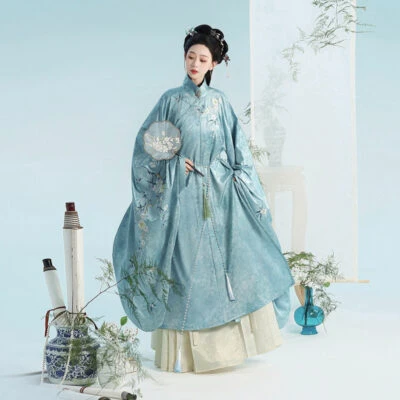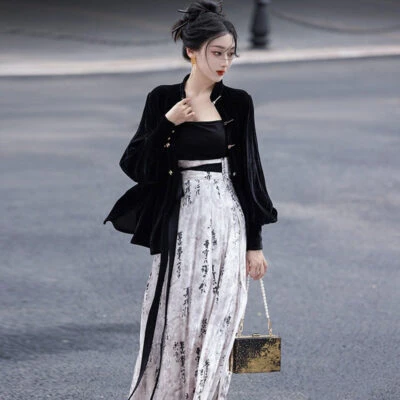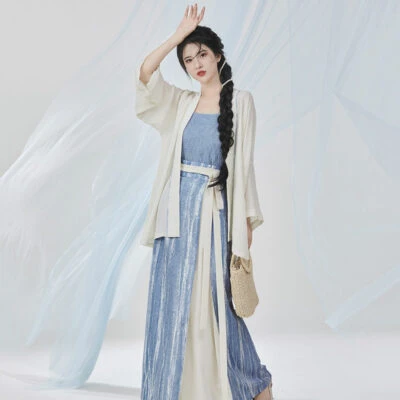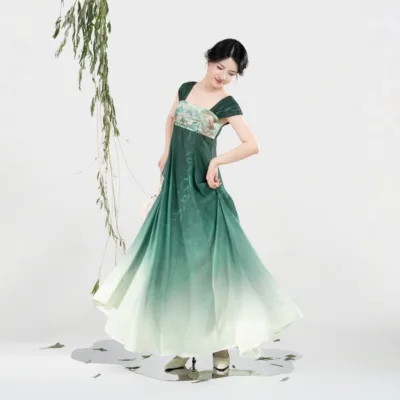
Have you ever wondered what it feels like to step directly into a traditional Chinese painting, surrounded by ancient architecture and the soft glow of lanterns? This March, Shanghai Fangta Park (上海方塔园) is turning that fantasy into reality by inviting thirty young men and women to ditch the modern world for an afternoon and immerse themselves in a curated Lantern Festival Garden Party. It is not just about observing traditions; it is about living them.
Performance Time:
Sunday, March 1st, 2026
Venue:
Shanghai Fangta Park
An Invitation to Step Into the Frame
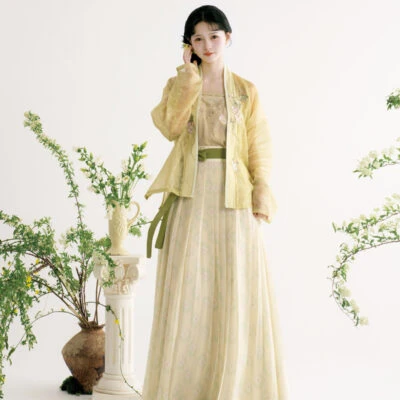
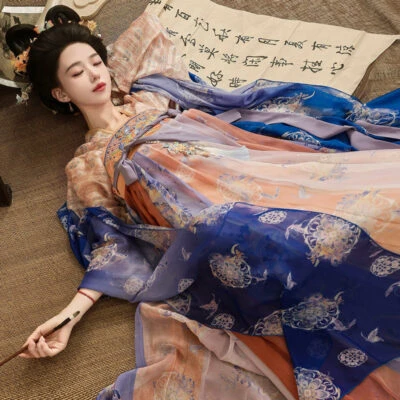
This isn’t your typical festival fair where you simply walk around and look at displays. The park is actively seeking thirty participants to become part of the living tapestry. Organizers want you to “enter the painting,” not just watch it from the outside. Scheduled for the afternoon of March 1st, this event is a deliberate move away from passive observation. It asks you to wear a set of Hanfu, the traditional clothing of the Han Chinese, and wander through the classical gardens as if you truly belong to another era.
The focus is on personal experience, making the ancient traditions feel immediate and personal. By limiting the main recruitment to thirty individuals, the event promises an intimate setting where connections—both with history and with each other—can be forged without the distraction of a massive crowd.
Melodies and Riddles in a Classical Setting
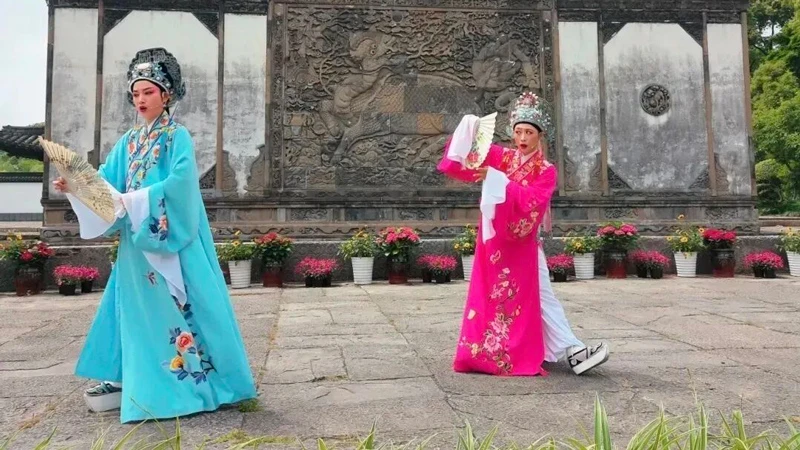
The afternoon air in Fangta Park will be filled with the sounds of Yueju (越剧), starting at 1:00 PM. Known for its lyrical melodies and delicate performances, this operatic form will find a perfect home against the ancient backdrop of the park’s screen wall. A specially invited troupe will perform classic excerpts, their ornate costumes and emotive storytelling offering a feast for the senses. It is an immersive experience where the dramatic arts and historical surroundings enhance each other.
Following the performance, the scene shifts to Qichang (其昌) Corridor, where hundreds of red lanterns will sway gently in the breeze. Attached to each lantern is a riddle, waiting to be solved. These are not simple puzzles; they draw from the depth of classical poetry and folk customs. Guessing the answers becomes a delightful intellectual game, with small prizes awaiting those clever enough to crack the codes .
Crafting Heritage With Your Own Hands
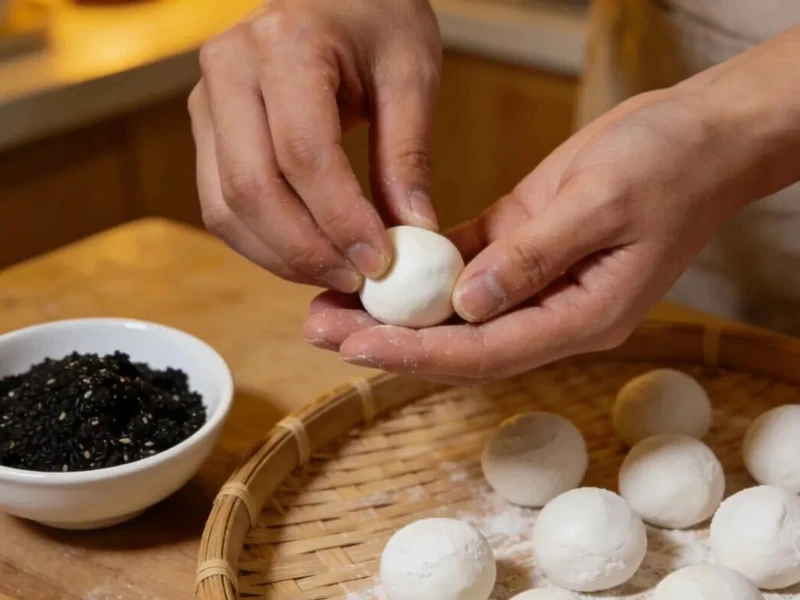
Moving beyond observation, the garden party places a strong emphasis on the “doing.” At Yangde Xuan (养德轩) and the Screen Wall Plaza, attendees get their hands dirty—literally. Under the guidance of skilled artisans, participants can construct their own lanterns, learning the traditional techniques from frame to pasting. The experience continues in the kitchen, where master chefs teach the art of making lantern, the sweet glutinous rice balls that symbolize reunion.

With hands dusted in flour, you’ll learn to knead the dough, wrap the filling, and roll the perfect sphere. Beyond food, the tactile tradition extends to knotting. A master of intangible cultural heritage will be on hand to teach the intricate patterns of the flat knot and the auspicious knot. A single red rope, through a series of twists and weaves, transforms into a tangible symbol of good fortune, a blessing you carry home with you.
A Sweet Finale and A Door Open to All
As the afternoon wanes and the activities wind down, a special tasting area opens to offer a warm and comforting conclusion. Here, free steaming bowls of rice dumpling are served, each bite a sweet reminder of the festival’s core theme of togetherness. It is a communal moment of simple pleasure shared among new friends and fellow travelers on this cultural journey. And for those who wish to capture the full spirit of the day, a significant gesture awaits.
The park is opening its doors wide to the Hanfu community. Anyone who arrives on March 1st dressed in traditional Hanfu and follows the park’s official social media account will receive free admission . It is an open invitation to turn the park into a living gallery of silk, brocade, and history, ensuring that the line between the spectator and the spectacle disappears entirely.