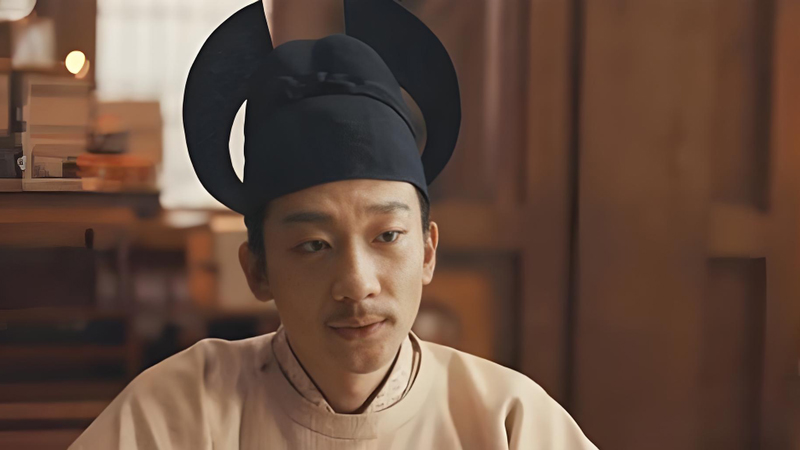
In the intricate dance of power, suspicion is often a ruler’s most loyal companion, whispering doubts about every friend and every foe. But what happens when this shadow grows so large it blinds a king to the truth, paving the way for a merchant to steal his throne? The historical drama Swords into Plowshares (太平年) plunges into this very dilemma, unraveling a court conspiracy where trust is the rarest currency. It tells the story of Qian Liulang (钱六郎), a newly installed king of the Wuyue (吴越) kingdom, whose deep-seated paranoia becomes the perfect weapon for a scheming businessman.
Yet, his near downfall offers a timeless lesson on leadership, contrasting sharply with the historical tragedy of Xiang Yu, a warlord who was not so fortunate. This is a tale of how one clear-headed advisor can dismantle a coup, and how a leader’s willingness to listen can mean the difference between survival and collapse.
The Lonely Throne and the Merchant’s Gamble
When Qian Liulang ascended to the throne of Wuyue, he found himself surrounded by ghosts of loyalty rather than living allies. Distrustful of his own brothers and the old nobility who had served his family for generations, he felt utterly isolated. In his desperation for capable hands, he turned to an unlikely figure: Cheng Zhaoyue (程昭悦), a merchant. In the rigid social hierarchy of the time, a merchant was considered lowly, yet the new king needed leverage against the established powers, so he granted Cheng significant authority.
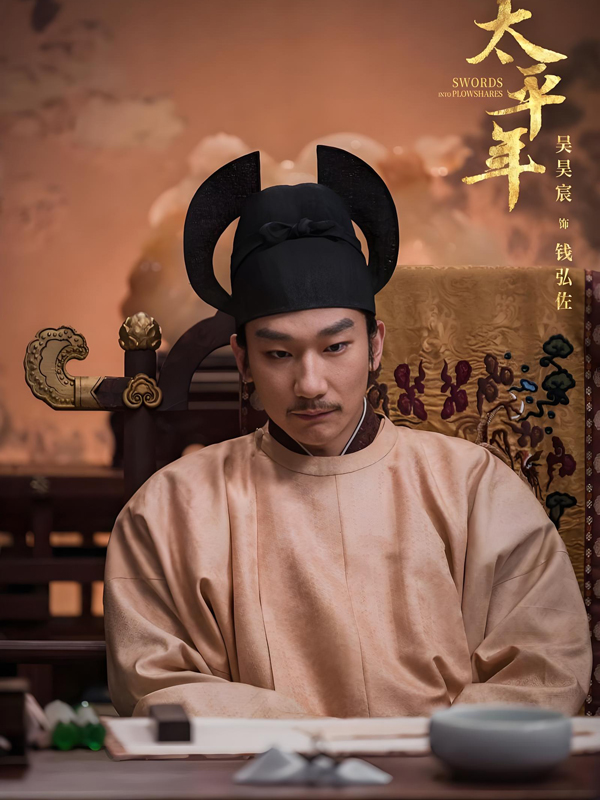
However, Qian’s reliance on Cheng was never born of respect, but of necessity. He used the merchant to check the power of his generals and court elders, yet he never trusted him. When his younger brother suggested giving Cheng a prestigious governorship, Qian flatly refused, revealing his core belief: a merchant could never truly rule. This contradiction—using a man while despising him—created a dangerous vacuum. The king trusted only his youngest brothers, leaving a bitter and ambitious Cheng Zhaoyue feeling both powerful and disrespected, a volatile combination that would soon ignite.
The Anatomy of a Coup and a Timely Rebuke
Cheng Zhaoyue was not content with wealth or a minor official post. His ambition was as vast as the kingdom itself; he wanted to be the King of Wuyue. He understood that his master’s paranoia was the key. Quietly, he used his merchant wealth to bribe court officials and military officers, weaving a web of corruption. His masterstroke was to approach the venerable elder Hu Linggong (胡令公), a man Qian had unjustly sidelined, planting the seeds of a rebellion. Cheng’s plan was brilliant in its simplicity: exploit the king’s distrust to make him push everyone away, leaving him isolated and vulnerable to a sudden coup.
Every step of the plot seemed to unfold perfectly until a co-conspirator lost his nerve and revealed everything to the king. The conspiracy, or conspiracy, was exposed, and it became clear how Cheng had manipulated Qian’s own nature. Just as the king was reeling from this betrayal, he made a critical error: he tested the loyalty of his relative, Shuiqiu Jun (水丘君). Instead of providing a simple answer, Shuiqiu Jun immediately sensed the crisis. He rushed to the palace and delivered a fierce lecture. He reminded the king that he was the sovereign; his word was law. Trust, he argued, was a two-way street. If the king commanded with confidence and faith, his subjects would follow. This blunt advice shattered the fog of suspicion, dismantling Cheng’s entire scheme in a single night.
A Tale of Two Rulers: Xiang Yu’s Fatal Mistake
Qian Liulang was fortunate. He had a loyal and wise minister like Shuiqiu Jun who dared to speak the truth. More importantly, he possessed the humility to listen, setting aside his pride to heed the warning. This stands in stark contrast to the fate of the historical overlord, Xiang Yu (项羽), during the Chu-Han Contention (楚汉之争). Xiang Yu was a military genius, far stronger than his rival Liu Bang (刘邦), yet he was undone by the very same poison: suspicion. His adversary’s strategist, Chen Ping, needed only a bag of gold to sow discord.
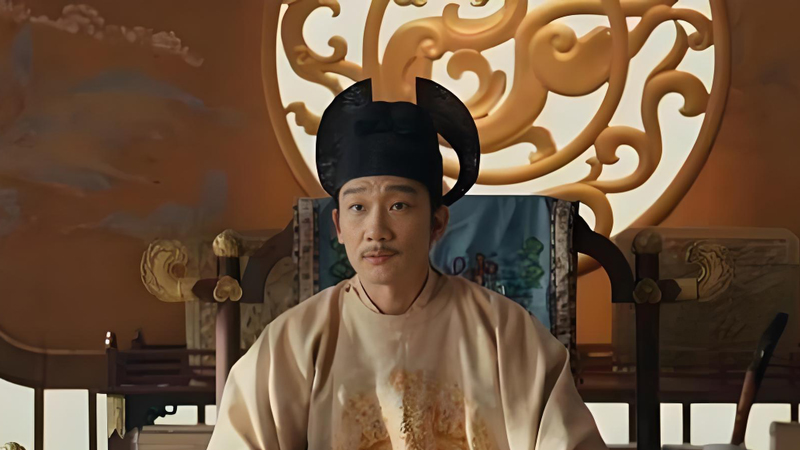
Rumors were spread that Xiang Yu’s own trusted generals and advisor, Fan Ju (范雎), were disloyal. Xiang Yu’s greatest flaw was not just his suspicion, but his inability to conceal it. When Fan Ju urged him to press the attack on Liu Bang, Xiang Yu questioned his motives. The rumor reached Fan Ju’s ears, and the proud advisor, feeling deeply wronged, quit in a rage. Xiang Yu let him go, and Fan Ju died on the road. By failing to trust his most loyal strategist, Xiang Yu lost the one man who could have secured his victory. The difference between the two rulers is clear: Qian Liulang’s reign was saved by a minister who dared to speak, while Xiang Yu’s empire was lost because no one like Shuiqiu Jun could survive his court. It was not just luck, but a difference in character that determined their ends.