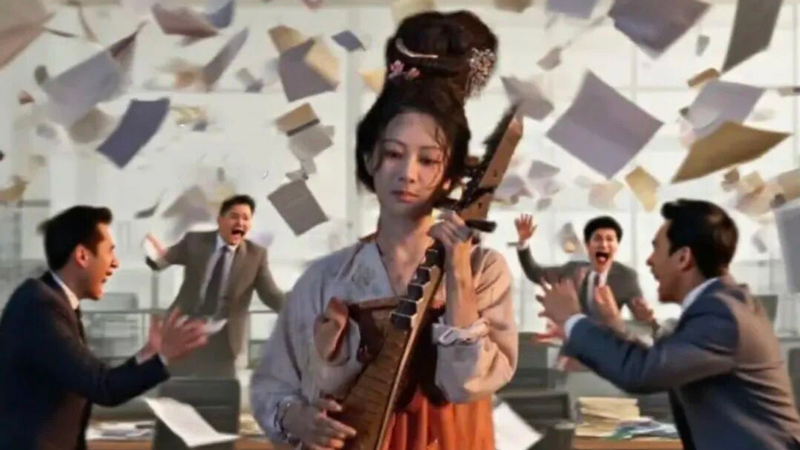
Have you ever called yourself a "Niu Ma" after a long day of work? This modern internet slang perfectly captures the exhaustion of the daily grind. But here's the kicker: government officials were using the exact same term to describe themselves over 2,000 years ago. That's right—feeling like a beast of burden at work is a tradition as old as Chinese civilization itself.
When a Historian Called Himself a Beast
The most famous example comes from the grand historian Sima Qian (司马迁). In his legendary letter Reply to Ren An (报任安书), he opens with the line, "The Grand Historian, a Niu Ma Zou (牛马走), Sima Qian, bows twice." By using "Niu Ma Zou"—which literally means "a running ox and horse"—he was calling himself a lowly servant, someone driven like livestock. It was a formal term of self-deprecation, but for Sima Qian, it carried profound weight. He endured castration to complete his historical masterpiece, making his use of "Niu Ma" less a polite gesture and more a bitter reality.
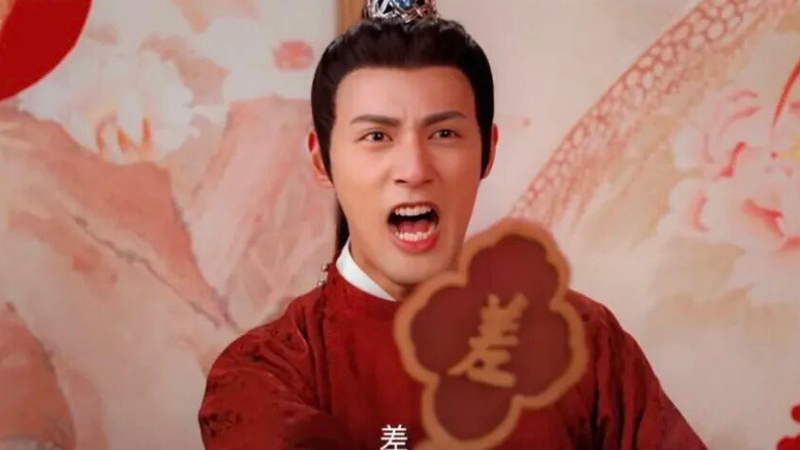
He was a man of immense talent, yet in the eyes of the emperor, he was merely a tool, a creature to be used and discarded. The ox symbolized loyalty and hard work, while the horse represented endless running. Combined, they create the perfect image of the ancient working class: faithful, honest, and perpetually on the move for their master.
The Human Price Tag: Worth Less Than Cattle
This feeling of being valued less than an animal wasn't just literary flair; it was written into law. The great writer Lu Xun (鲁迅) brutally analyzed this in his essay Random Thoughts Under a Lamp (灯下漫笔). He pointed out that when tyrants dehumanize people, they eventually envy the treatment of livestock. He cites the Yuan Dynasty law, which stated that if you killed someone else's slave, you only had to pay compensation of one ox. This cold, legal equation placed a human life at the exact value of an animal. Lu Xun argued that people would even be grateful for this, because being "equal to an ox" was better than being considered "nothing at all." This is the ultimate despair: when a person's only aspiration is to be treated as well as a farm animal.
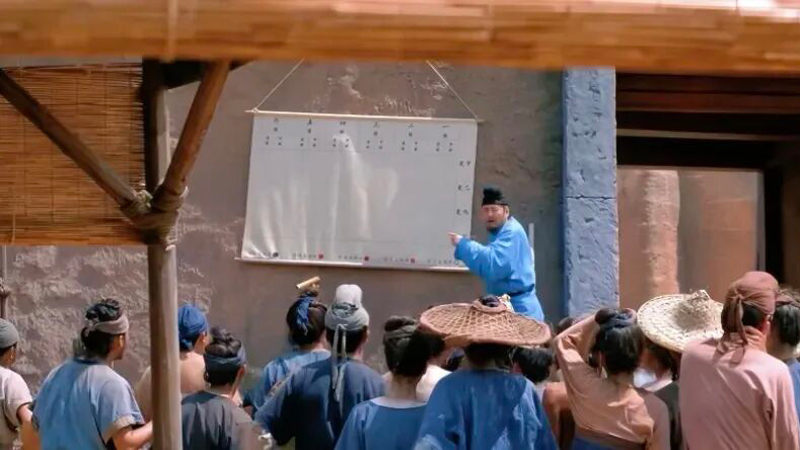
A poem from the Tang Dynasty, found in the Dunhuang (敦煌) Manuscripts and written by the folk poet Wang Fanzhi (王梵志), gives voice to the craftsman's pain. It translates roughly to: "Craftsman, don't learn to be too clever, for if you are clever, others will use you. You are born a servant, and your wife is a maid to an official. If your husband is away for a moment, you are dragged away and shamed. They promise money before the work, but when it's done, they just glare at you." The experience of being exploited, promised payment, and then treated with contempt is so painfully familiar. The "glare" of the ancient supervisor is the same as the disappointed sigh of a modern boss at the end of a 12-hour shift.
The Eternal Grind
Strip away the centuries, and the lives of the ancient "Niu Ma" and the modern office worker are strikingly similar. The ancient beast pulled a plow; the modern one chases Key Performance Indicators (KPIs). The ancient one ate hay; the modern one eats cold delivery food at their desk. The ancient one slept in a stable; the modern one rents a cramped apartment. The tools and the titles have changed, but the core experience of being a tool for someone else's profit remains intact. Sima Qian famously wrote that some deaths are "weightier than Mount Tai, and lighter than a feather." The tragedy of the "Niu Ma" is that their lives, their emotions, and their exhaustion are often treated as being lighter than that feather.
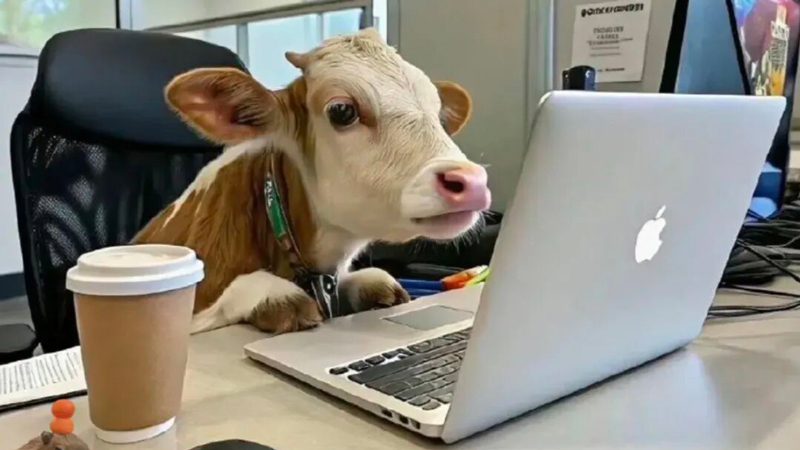
Yet, history is not built by the kings and generals, but by these very "Niu Ma." Sima Qian, in his humiliation, wrote the Records of the Grand Historian (史记). The anonymous craftsmen of Dunhuang, in their poverty, painted some of the world's most breathtaking art. And the modern worker, in their relentless grind, builds the economic miracles of today. Their emotions cycle through anger, numbness, and eventually, a spark of awakening. The ancient rebel shout, "Is nobility and birthright preordained?" still echoes in the hearts of those who refuse to be mere beasts of burden. The term "Niu Ma" is ancient, but the feeling it represents—and the quiet, simmering hope for something more—is eternal.