Article
Search results for the keyword [cdrama]:
-
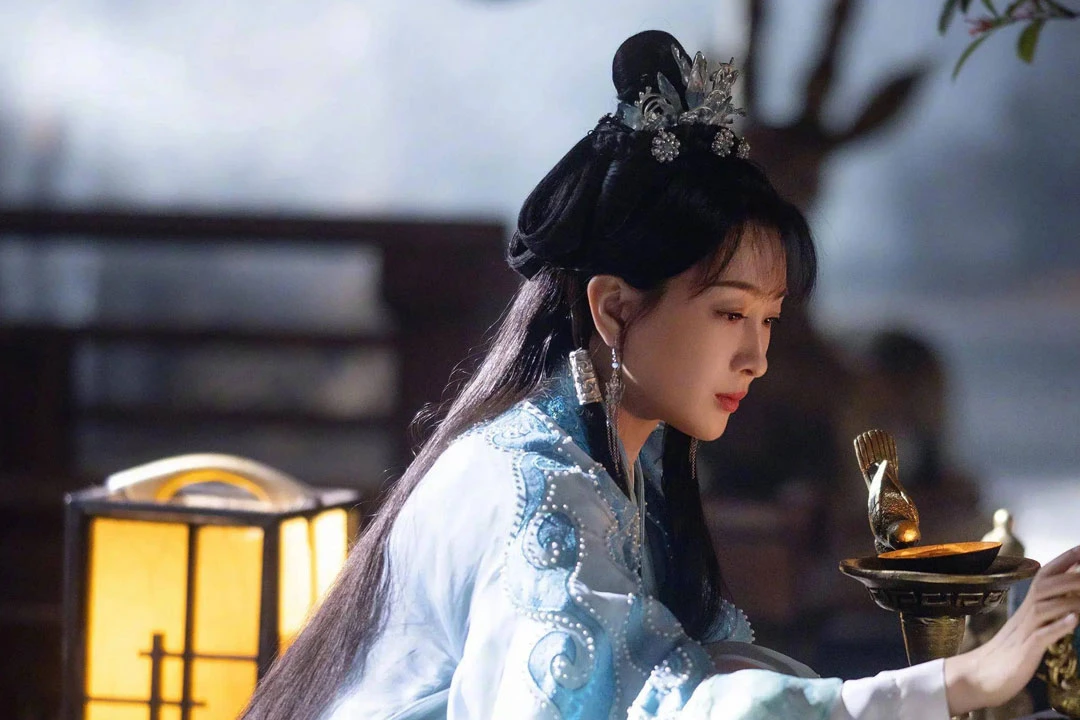
The Fiery Success of Cdrama "Flames"
"Flames," (烈焰) starring Ren Jialun (任嘉伦), has set ablaze the summer TV lineup with its gripping storyline and state-of-the-art visual effects. Adapted from the popular webcomic "Wu Geng Ji," (武庚纪) the series has not only won over loyal fans of the original but also attracted a new wave of viewers, marking a significant milestone in the realm of Chinese fantasy adaptations. Since its debut in the spring of 2024, "Flames" has dominated streaming platforms, topping charts with an impressive viewership of over 12.84 billion cumulative views. Its success extends internationally, capturing the top spot on iQiyi's international platform in 14 countries and regions, spreading Chinese heroic tales and Eastern culture worldwide. The series' success lies in its meticulous attention to detail and bold innovations. Unlike previous adaptations that often faltered in fidelity to the source material, "Flames" combines faithful adaptation with creative liberties, enhancing the narrative's depth and visual appeal. This approach not only pleased existing fans but also attracted a broader audience intrigued by its immersive world-building and compelling characters. Crafting Visual Spectacles with Precision At the core of "Flames" is its groundbreaking use of visual effects (VFX), which elevate the storytelling to cinematic levels. Unlike typical TV productions, which often rely on a… -
New Cdrama Longing Heart Season 2
In the realm of television drama, the wait for the second season of "Longing Heart" (长相思) has been a topic of anticipation among fans for nearly a year, following the resounding success of its first season. Recently, the official Weibo account of "Longing Heart" announced that Season 2 is scheduled to premiere on July 8th, featuring the original cast. According to a report from Cover News on July 3rd, the series will exclusively debut on Jiangsu TV on the same date. Let's rewind to July 2023 when the entire 39 episodes of "Longing Heart" Season 1 premiered on online streaming platforms. Shortly after its release, the series gained immense popularity, surpassing 33,000 in heat value due to its unique storyline, distinct characters, and high production standards. It became one of the hottest dramas of the summer of 2023. With the announcement of the premiere date for Season 2, glimpses of its standout scenes and climactic moments have already heightened audience expectations through teaser trailers. Particularly poignant scenes, evident from the trailers, showcase the emotional entanglements of the characters. Jiangsu TV has further indicated that they will innovate by airing both seasons consecutively: re-airing Season 1 during daytime slots and premiering… -
Cdrama Virtual Technology Applications and Shortcomings
In many ways, "Moon Red Arc" exposes a crisis of stellar gravity within the realm of scriptwriting—an issue that reverberates across genres like ancient puppetry, fantasy, and martial arts. An evident phenomenon emerges: even this year's frontrunner in the genre, "Phoenix Nirvana," has failed to meet expectations in terms of both popularity and critical acclaim. In recent years, series within the ancient puppetry genre seem to be trapped in a vicious cycle, with one leg firmly stuck in the pursuit of grandiosity, meticulous production, and high viewer numbers, while the other is mired in shallow storytelling, recycled character tropes, and lackluster performances. The current state of "Moon Red Arc" epitomizes this dilemma: its script and character development lack careful refinement, instead relying on the assembly of A-list stars and bombastic marketing blitzes to satisfy the demands of fans. However, beneath the veneer of Eastern aesthetics, the series finds itself ensnared in the whirlpool of superficiality. This crisis is emblematic of a broader stagnation within the genre landscape. Despite the immense potential offered by ancient puppetry, fantasy, and martial arts dramas to explore rich cultural tapestries and deliver compelling narratives, many productions have fallen into a formulaic trap, prioritizing style over… -

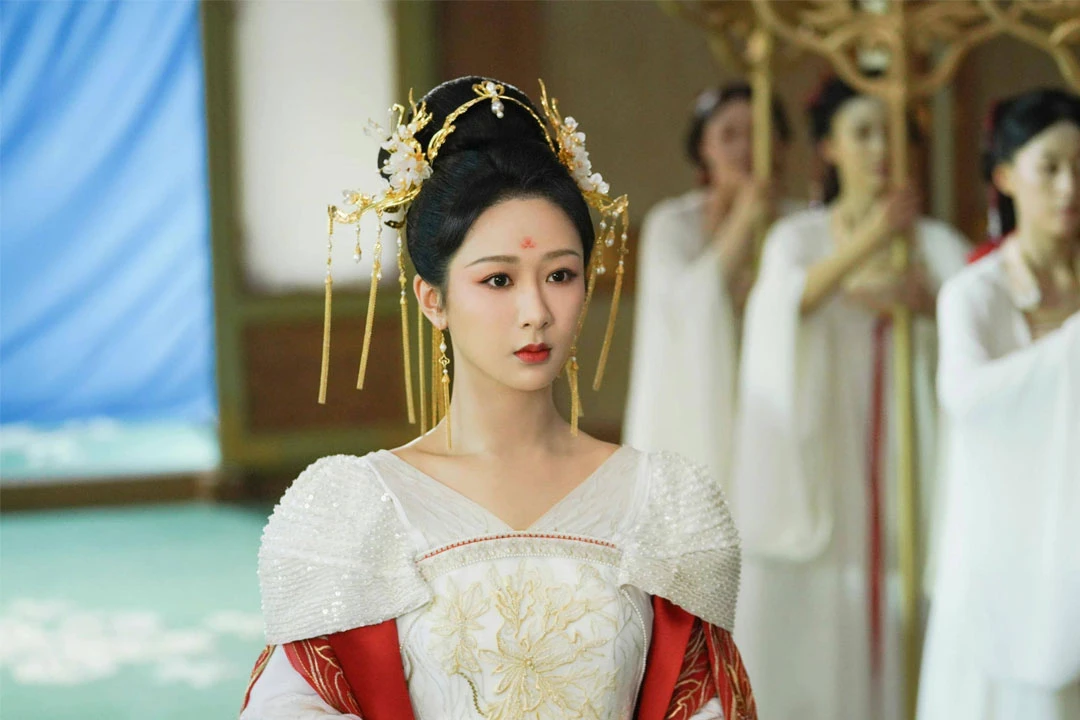
The Success Behind the Cdrama: Fox Spirit Matchmaker
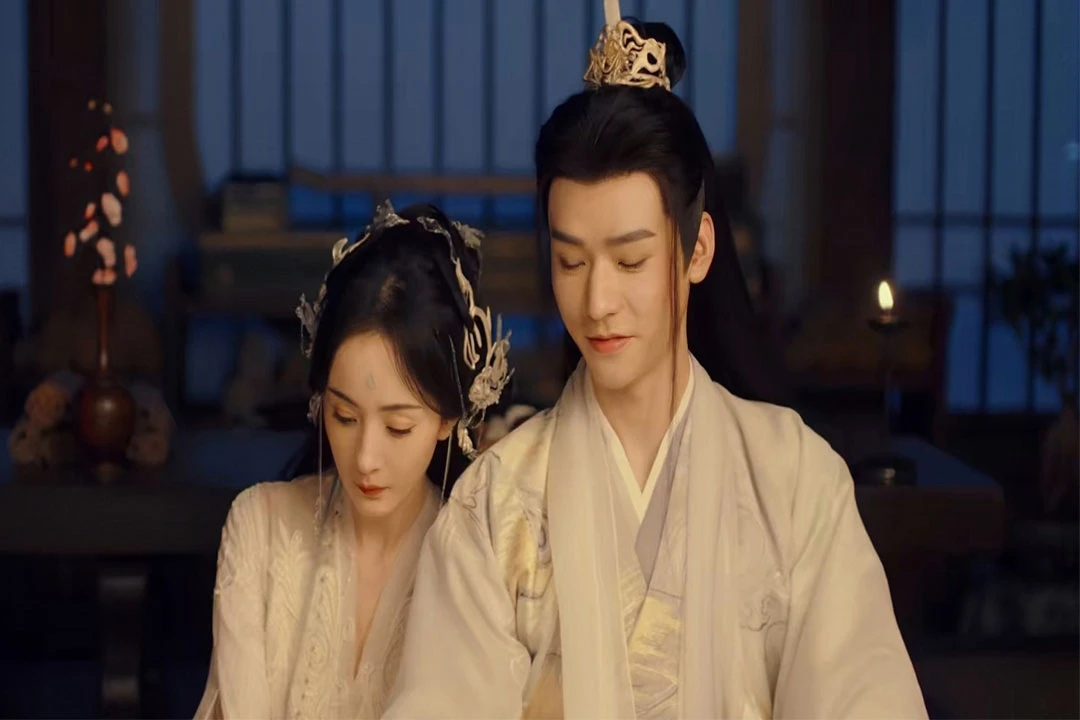
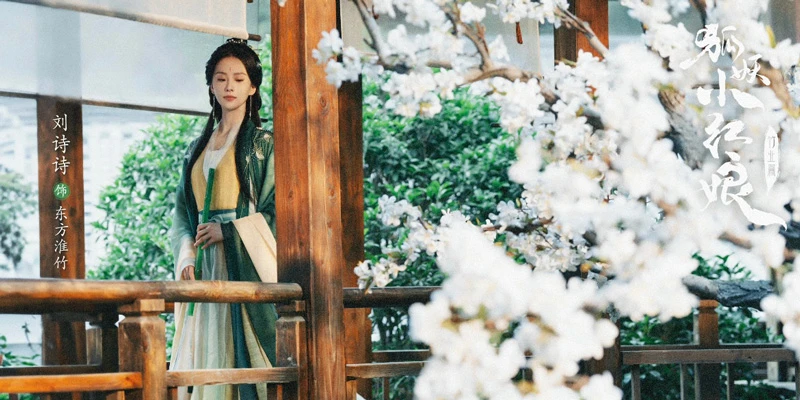
Fox Spirit Matchmaker, a historical romance drama led by Yang Mi and Gong Jun, with special appearances by Guo Xiaoting and Wei Zheming, has made waves on the streaming platform iQIYI. Breaking records on its premiere day, the series quickly became the fastest to surpass 9000 heat points on iQIYI this year. Adapted from the popular comic "Fox Spirit Matchmaker," the show tells the story of Tu Shan Hong Hong (played by Yang Mi), the head of the Tu Shan fox clan, and Dong Fang Yue Chu (played by Gong Jun), a member of the human clan, as they meet, fall in love, and strive to protect peace. Beyond the main storyline, this drama delves into a rich tapestry of characters. Guo Xiaoting portrays Tu Shan Ya Ya, whose character undergoes a complete growth arc from carefree youth to formidable warrior. Wei Zheming plays the role of the "strongest fighter" from the Ao Lai Kingdom, who forms a bond with Tu Shan Ya Ya and grows alongside her. In a recent interview with the Global Times Entertainment, Guo Xiaoting and Wei Zheming shared their insights into their characters and behind-the-scenes stories from the set of Fox Spirit Matchmaker. The success… -
Unveiling the Depths of Love and Duty from Cdrama
In a recent interview with the Global Times Entertainment, Guo Xiaoting and Wei Zheming shared their profound insights into their respective roles and offered a glimpse into the behind-the-scenes stories of the "Fox Spirit Matchmaker: Red-Haired Girl" production. For Guo Xiaoting, her portrayal of love and familial bonds in the series has been a journey of self-discovery. She emphasizes the importance of direct emotional expression, citing that characters in the drama always confront each other head-on, conveying the most genuine and heartfelt emotions. This pure emotional exchange, she believes, possesses the power to instill strength in others. Through her experiences, Guo has gained a deeper understanding of love, recognizing it as a courageous commitment to protect and stand by those we hold dear. Similarly, Wei Zheming resonates with the simplicity and purity of love depicted in the series, transcending romantic relationships to encompass the bonds shared between family and friends. Immersed in the narrative, Wei finds resonance in his character's unwavering dedication to justice and compassion. The noble ideals embodied by his character resonate deeply with him, as reflected in his character's iconic lines: "In the face of adversity, always choose kindness over malice, and confront evil with justice." With… -
How Chinese Post-85 Actresses Changing the Cdrama Industry
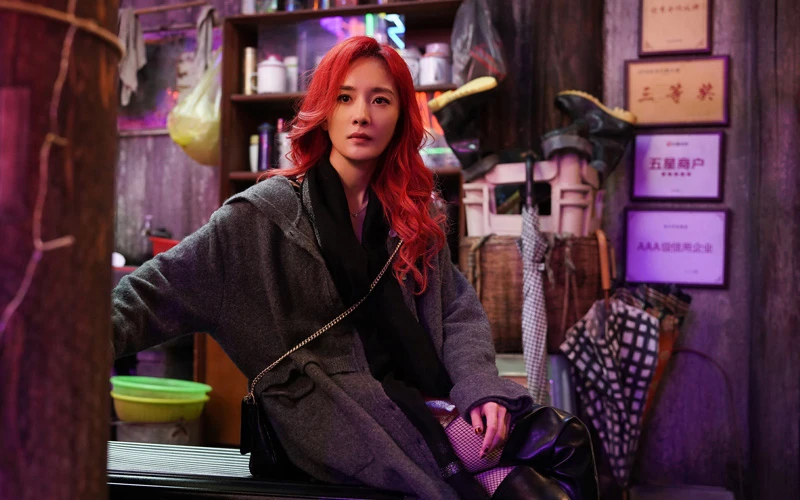
This year, the film industry has witnessed a perplexing move with the movie "Nothing Can't Be Undone by a Hotpot" being pulled from theaters and switched to streaming online. Just five days after its release, the film was withdrawn from cinemas, citing "various environmental factors" leading to low scheduling rates, with plans to re-release it at a later date. However, just six days after its withdrawal, this movie, originally intended for theatrical release, suddenly appeared online where it became accessible to subscribers without even a separate fee, leaving those who had paid for tickets feeling betrayed. This shift has significantly impacted Yang Mi, the lead actress, beyond just the director. This year has been pivotal for her, with not only "Nothing Can't Be Undone by a Hotpot" but also the spy drama "In the Name of the Brother," marking a substantial shift in her career towards both film and television. These roles signal a clear intention to transform, aligning with the broader trend among her peers from the post-85 actors, striving to redefine their artistic directions. Post-85 Full-scale Transformation in Film and Drama With "In the Name of the Brother" setting the stage and "Nothing Can't Be Undone by… -
Analyzing the Intricacies of In the Name of the Brother in a Deep Cdrama Review
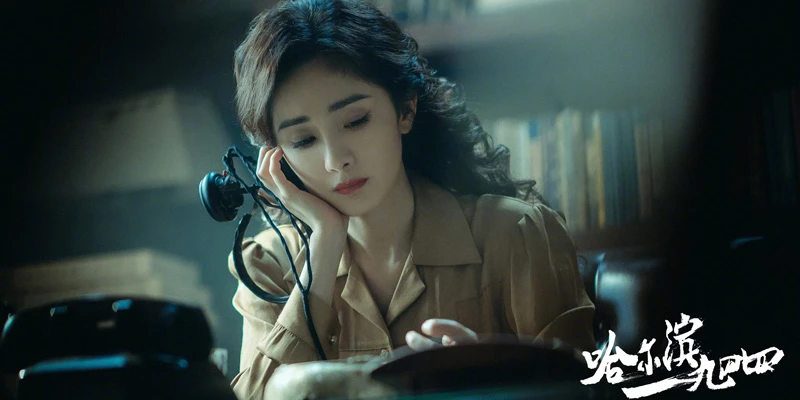
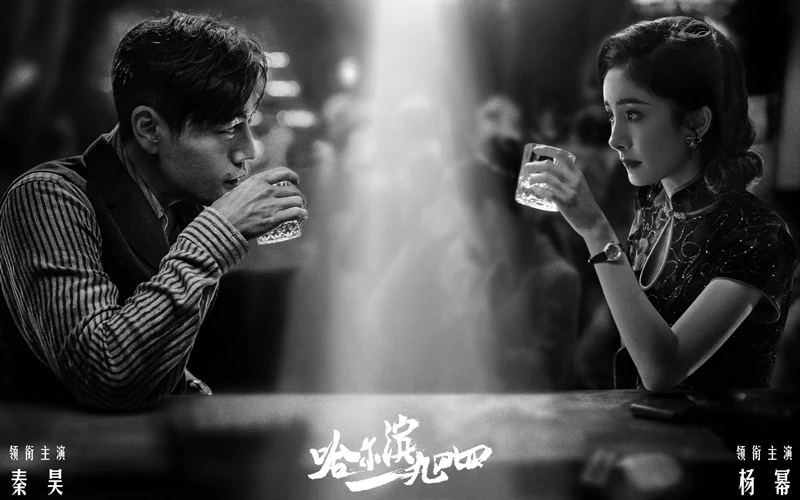
The throne of the hottest TV drama on iQIYI in 2024 has been updated once again, and this time it is claimed by the espionage drama "In the Name of the Brother". Perhaps the initial audience was drawn by the refreshing combination of the lead actors, Qin Hao and Yang Mi, but after watching a dozen episodes, viewers were undoubtedly captivated by the solid performance of the formidable creative duo, director Zhang Li and screenwriter Wang Xiaoqiang. In recent times, several period espionage dramas have emerged on the market, yet "In the Name of the Brother" not only airs simultaneously during prime time on three major TV stations, garnering widespread attention, but its online popularity continues to soar, fueling ongoing discussions and upholding the vitality of classic espionage narratives. A remark from a fervent viewer in the barrage succinctly encapsulates the audience's visceral experience: "Since watching this TV drama, I am always on edge." Despite the buzz surrounding topics like "Qin Hao taking on the challenge of portraying dual roles" and "Yang Mi's debut as a villain in a period drama", "In the Name of the Brother" does not rely on these as gimmicks. Instead, it weaves a tale around… -
In the Name of the Brother: Latest Thriller Espionage Cdrama that Must-Watch
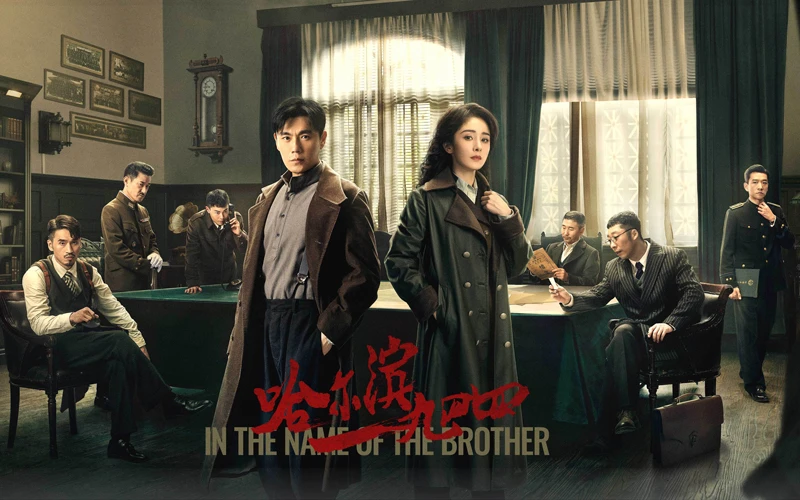
In the year 2024, the espionage genre is experiencing a long-awaited resurgence. On one hand, the innovative spy drama "War of Faith" has just concluded with great success, while on the other hand, "In the Name of the Brother" is quickly taking the spotlight. Looking at the lineup, the director is Zhang Li, and the screenwriter is Wang Xiaoqiang, both of whom have produced excellent works in the past, with Wang Xiaoqiang excelling in the espionage genre. As for the cast, Yang Mi partners with Qin Hao, possessing both beauty and acting skills. "In the Name of the Brother" is set in the puppet state of Manchukuo before the victory of the War of Resistance Against Japan, telling the story of Communist intelligence officer Song Zhuowen (played by Qin Hao) being mistaken as a savior by Guan Xue (played by Yang Mi), who is the head of the Special Service Department of the Harbin Police Bureau. Song Zhuowen, who is actually his brother Song Zhuowu, then infiltrates the enemy's ranks with a calculated plan. Thus, a grand drama of twin spies unfolds. Familiar with Espionage Dramas "In the Name of the Brother" exudes a sense of urgency from the very… -
An In-Depth Review of the War of Faith Series - New Historical Cdrama
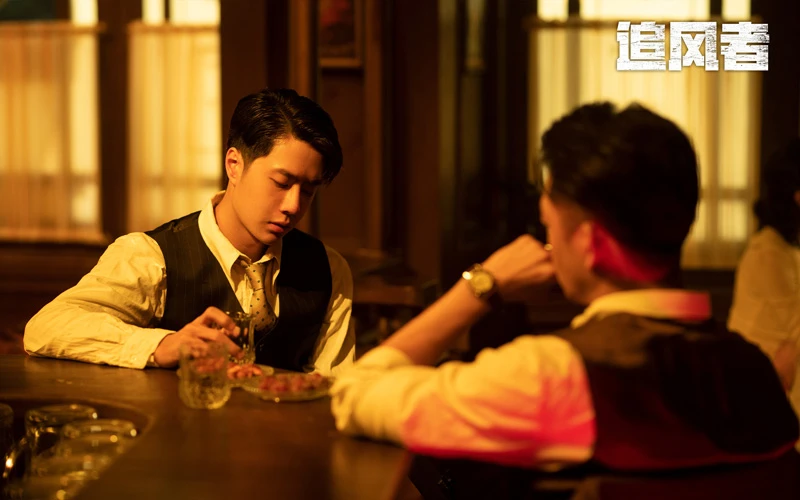
"War of Faith" continues to ferment in reputation and heat, breaking theratings record on the eve of the grand finale. The series has put great effort into character development, from the meticulous portrayal of characters like Arwen, who pulls a cart in Qibao Street, to the profound and restrained senior consultant Shen Tunan. The multi-dimensional conflicts make the characters full of tension, well-rounded in their portrayal, logically sound, and build a rich and diverse ensemble of characters. Recently, "War of Faith" reached its grand finale, where we witness Wei Ruolai (played by Wang Yibo) transforming from a naive newcomer in the workplace to a resolute revolutionary, after realizing the Nationalist Party's pursuit of interests disregarding the suffering of the people. Wei Ruolai undergoes a long process of reshaping after a collapse of faith, which proves to be an exceptionally challenging journey. Fortunately, after the agony, Wei Ruolai is reborn. Two pivotal figures in Wei Ruolai's life are his mentor who introduced him to this world, and a comrade who helped reshape his beliefs. Essentially guided by his mentor Shen Tunan to form his initial understanding of society, Shen Tunan provides him a glimmer of hope in his darkest moments, disregarding… -
Top 10 Anticipated Period Cdramas on the Horizon
In the fascinating world of television, period dramas have always held a special allure, captivating audiences with their rich tapestries of history, culture, and personal stories set against the backdrop of significant historical epochs. As we look ahead, the upcoming roster of period cdramas promises an enthralling blend of intrigue, romance, and historical authenticity. These upcoming ten period cdramas not only promise to be a visual feast but also aim to immerse viewers in the depths of human experience across various landscapes of time. According to incomplete statistics, currently there are more than ten period dramas awaiting broadcast, with key series including "Romance in the Alley," "Liu Zi Mei," "Zu Ji," and "Created in China." The Swimsuit Saga Director: Zhang Silin Starring: Qiao Shan, Yang Zishan, Liu Jia, Tang Jianjun, Yu Yang Recently, the period drama "The Swimsuit Saga" was scheduled to premiere. The series, led by Qiao Shan and Yang Zishan, with a special appearance by Yu Yang, mainly tells the story of the people of Xingcheng Swimwear seizing the opportunity of reform to successfully start their own business, with Peng Jinxi (played by Qiao Shan) and Luo Hong (played by Yang Zishan) as representatives. Plot Summary of… -
War of Faith: Unveiling the Secret World of Espionage in New Spy Cdrama
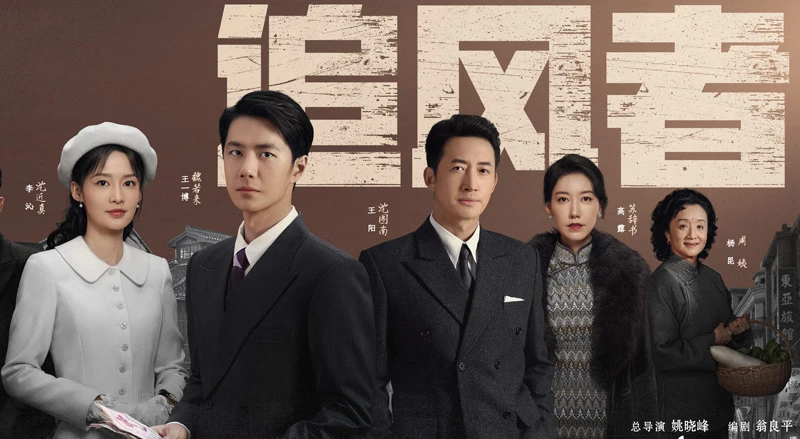
When the ancient costume dramas were in full swing, a spy cdrama burst into the hot lineup of March. Since its premiere, "War of Faith" has been climbing in viewership ratings and online popularity. As the only spy-themed drama in March, "War of Faith" can be considered a "new wave" in the current market dominated by ancient idol dramas. In Shanghai in 1930, Wei Ruolai (played by Wang Yibo), an ordinary employee of the Central Bank of the Kuomintang, gradually gained the appreciation of senior consultant Shen Tunan (played by Wang Yang) due to his outstanding work ability. In this process, Wei Ruolai witnessed the many corruptions and darkness in the Kuomintang's financial sector. In his confusion and distress, Communist Party member Shen Jinzhen (played by Li Qin) used Marxism as a guiding light to illuminate Wei Ruolai's inner self, leading to different choices that ultimately led him to part ways with Shen Tunan. Arranged by the organization, Wei Ruolai and Shen Jinzhen moved from Shanghai to Jiangxi. Under the strong leadership of the Communist Party, Wei Ruolai participated in the non-smoking war to break the Kuomintang's economic blockade of the Central Soviet Area, gradually growing into a prominent red… -
The Evolution of Game Adaptations and Comic Adaptations in the Cdrama Industry
In comparison to the vast number of literary work adaptations, there are relatively few cdrama adaptations based on games or comics as the source. This is partly due to the scarcity of game works or comic works that are suitable for visual adaptation, as well as the undeniable challenges of adaptation. However, this has not dampened the industry's enthusiasm for the development of game adaptations and comic adaptations, as the traffic effects and audience influence of these two special works far surpass those of ordinary literary works. Especially in the current wave of online literature work adaptations, game adaptations and comic adaptations are becoming increasingly lucrative. Just from the end of last year to the beginning of this year, we have seen the release of game adaptations such as "Sword and Fairy" and "Sword and Fairy 4," as well as comic adaptations like "The Hope" and "White Cat Legend," among others. Additionally, there are highly anticworkated upcoming series such as "Fox Spirit Matchmaker: Red-Moon Pact," "Fox Spirit Matchmaker: Love in Pavilion," and "Fox Spirit Matchmaker 3," indicating the enormous commercial value of game adaptations and comic adaptations. While there have not been many game adaptations and comic adaptations in the… -
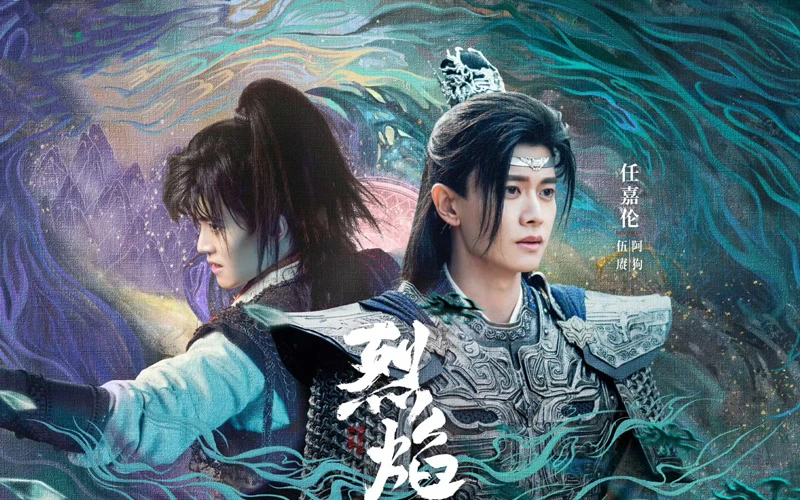
Burning Flames: A Thrilling Journey into the World of the Latest Fantasy Cdrama
When it comes to Chinese dramas, historical and fantasy themes are undoubtedly a tried and true popular choice. In recent years, outstanding works in the fantasy genre have emerged, from "Love Between Fairy and Devil " to "Till the End of the Moon," and then to "Lost You Forever," all igniting a craze for drama watching. This year, the upcoming series "Fox Spirit Matchmaker" and Zhao Liying's "The Legend of Shen Li" are highly anticipated, intensifying the competition in the historical costume drama genre. Amidst the bustling market, the highly anticipated drama "Burning Flames" has recently announced new developments. Today, the drama released a trailer and will aired in March 13th. With a strong cast and great potential for popularity, the pre-broadcast hype has already sparked a wave of enthusiasm for watching. The drama "Burning Flames" is adapted from the cartoon "Wu Geng Ji." This cartoon has reached the peak of popularity in recent years with its unique creativity and passionate storyline. Centered around Wu Geng, the son of King Yin Shou of the Zhou Dynasty, the story depicts a feud spanning across the human, god, and underworld realms. Wu Geng, a prince with blood ties to both the divine… -
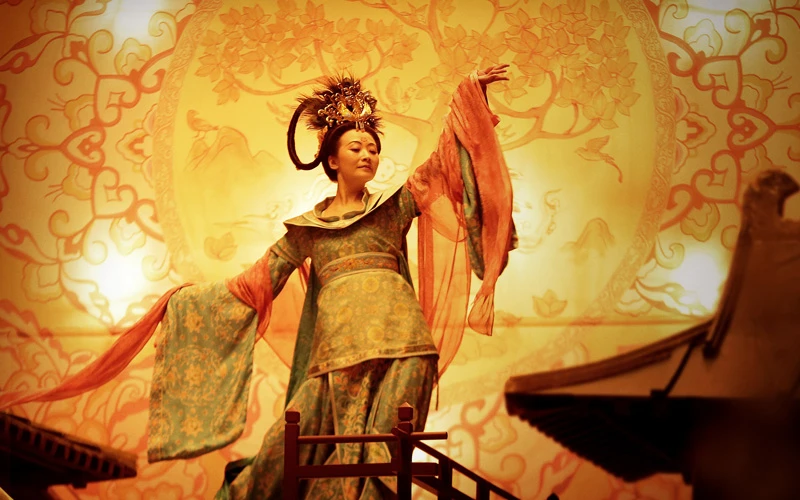
From Screen to Street: Exploring the Impact of Cdramas on China City Cultural Tourism
The notion that a popular cdrama drives tourism to a corresponding Chinese city has become commonplace in the past two years. Whether it is the popularity brought by "The Knockout" to Jiangmen, "Meet Yourself" to Dali, or "Blossoms Shanghai" to Shanghai, once a drama breaks free from its usual boundaries, a wave of enthusiastic followers is bound to emerge. In the realm of film and television catalyzing cultural tourism, there are typically three approaches. The most direct approach is through filming location sightseeing tours. The three aforementioned dramas fall into this category. According to the Dali Bai Autonomous Prefecture Cultural and Tourism Bureau, following the success of "Meet Yourself," Dali received a total of 4.2393 million visitors during the 2023 Spring Festival holiday, representing a 219% year-on-year increase. However, such following the trend phenomena require a strong sense of authenticity; once the illusion created by the series shatters, the audience may easily lose interest. The second approach involves film and television base tours. This type needs no elaborate explanation, with places like Hengdian World Studios, Xiangshan Film and Television Town, and the recent output from Oriental Movie Metropolis drawing substantial profits from holiday tourism. The third approach revolves around immersive… -
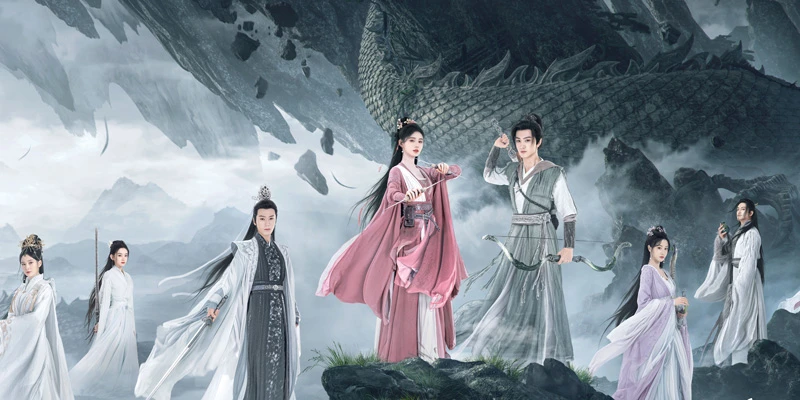
The Challenges of Remaking Classic Cdrama: Exploring the Difficulties Faced by New Adaptations
Before the Spring Festival, "Judge Dee's Mystery" officially premiered. This is the second series after 2010's "Detective Dee" to feature Di Renjie as the main character, vividly portraying his meticulous investigative abilities. While it may not have the original cast, it can be considered a revival of the classic IP of Di Renjie. However, audience data indicates that viewers seem somewhat unconvinced by this incarnation of Di Renjie. Currently, "Judge Dee's Mystery" has accumulated a total valid viewership of 287 million, which, for a series of this scale, can only be described as average. Coincidentally, "Sword and Fairy 4" and the adaptation of "Chinese Paladin 6" titled "Sword and Fairy" also premiered around the same time. Both are derived from the classic IP "Xian Jian Qi Xia Zhuan (Chinese Paladin)." As cherished memories for numerous viewers, "Chinese Paladin" and "Chinese Paladin 3" are untouchable classics. Naturally, viewers will scrutinize these two series with a critical eye. Presently, "Sword and Fairy 4" has a Douban rating of 4.3, while "Sword and Fairy" has a rating of 5.0, both receiving lukewarm reviews. In recent years, the revival and development of classic cdrama IPs (Intellectual Property) extend beyond Di Renjie and the Chinese… -
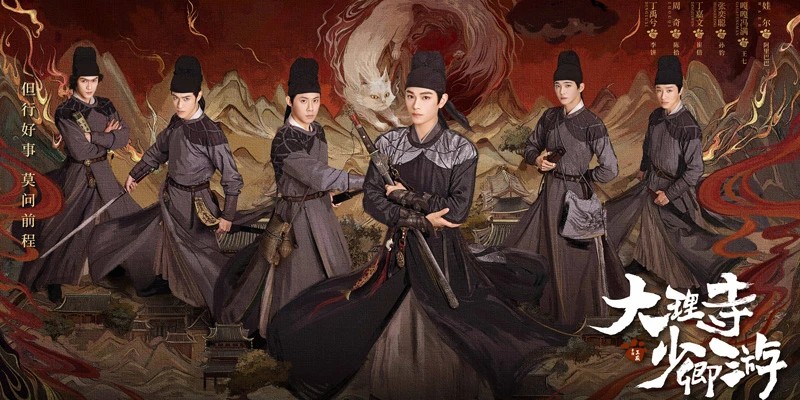
Embark on an Epic Adventure with White Cat Legend: Previewing the Latest Fantasy Cdrama
From the 2020 "Hikaru no Go" to "The Long Ballad," there has been a frequent emergence of excellent animes adaptations. In 2023, "I Am Nobody" concluded perfectly with a high score, showcasing the endless charm of popular anime, followed closely by the premiere of "Tiger and Crane," sparking a new trend in adapted dramas. It can be seen that this genre has risen as a new favorite in the drama market. Presently, another new work, "White Cat Legend," is about to debut on February 20. Young actors gather to solve mysterious cases and unveil the mysteries of the capital. This drama is adapted from the ancient-style detective work "Da Li Si Ri Zhi (大理寺日志)" by the cartoonist RC, telling the story of the mysterious new Young Inspector of Dali Temple, Li Bing, leading the people of the Dali Temple to embark on thrilling investigations, adventures, and uphold inner justice within the city of Luoyang. Youths chasing mysteries The story of "White Cat Legend" takes place in the divine capital under the rule of the empress. During a banquet at the Tang Palace, Li Bing, favored by the empress, is appointed as the Young Inspector of Dali Temple. With the guidance… -
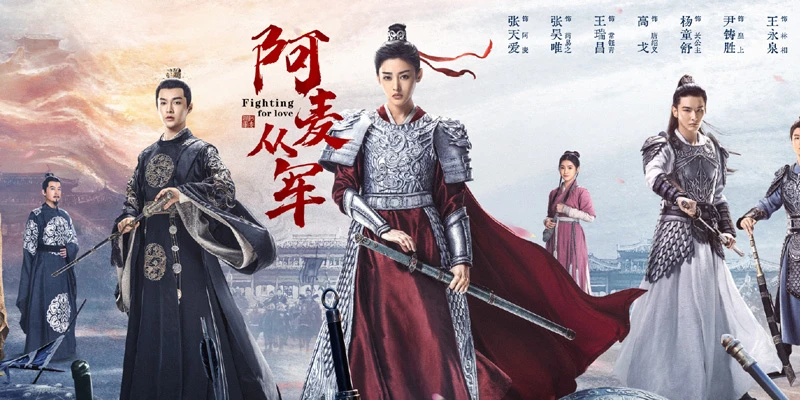
New Cdrama Fighting for Love: Embark on a Journey of Youthful Determination and Heartwarming Family Connections
In the pursuit of innovation in the Chinese drama market, traditional costume dramas are undergoing a revolution. With the rise of popular elements such as fantasy and idol, true costume dramas are becoming increasingly difficult to find. However, "Fighting for Love" brings a breath of fresh air to the audience with its simple style and authenticity. The drama abandons the glamorous special effects, vibrant costumes, and excessive filters, presenting the essence of costume dramas. Directed by Tian Shaobo, "Fighting for Love" stars Zhang Tianai, Zhang Haowei, Wang Ruichang, and others, and premiered on January 31, 2024. A Mai, the daughter of the Duke Jing of Nanxia, is killed by Chen Qi, her childhood friend. After several years, A Mai, who has grown into a young woman, disguises herself as a man and roams the martial world in order to seek revenge on Chen Qi. By a twist of fate, A Mai saves the son of the Crown Princess, Shang Yizhi, and subsequently helps him escape from danger multiple times. Their destinies become intertwined. As war breaks out, A Mai sheds her feminine appearance and joins the army as an infantry soldier. With her exceptional military talents, she achieves remarkable feats and… -
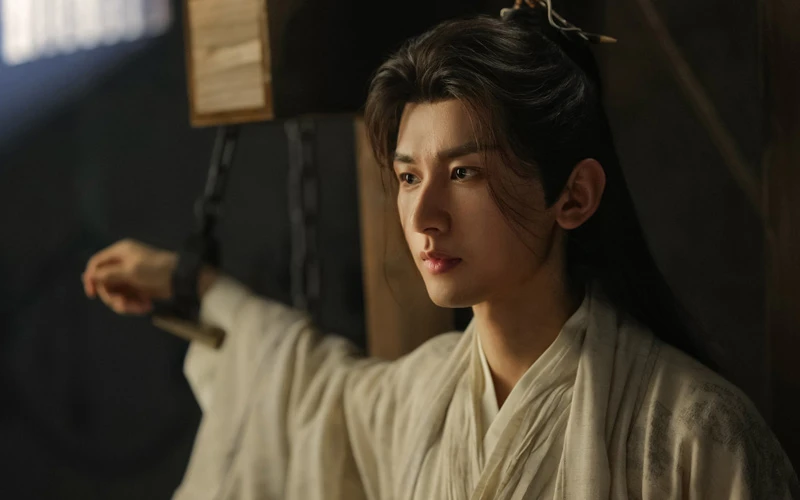
24 Must-Watch Mystery Cdramas to Look Out for in 2024
The year 2023 witnessed the emergence of mystery dramas as the undisputed delicacies of the Chinese television industry. The inaugural production of Tencent Video's X Theatre, "The Long Season," set the stage with a resounding success, garnering an impressive rating of 9.4 on Douban. It has transcended the boundaries of the suspense drama genre, becoming the highest-rated cdrama in the past eight years. The subsequent series, "Ripe Town," may not have garnered as much attention, but it has received equally high praise, setting a positive tone for X Theatre. iQiyi's Mystique Theatre, now in its fourth year, may not have produced a mega-hit like "The Bad Kid" this year, but it maintains a stable output. "Thirteen Years of Dust" demonstrates ingenuity in its suspenseful plot and character development, while "Why Try to Change Me Now" boldly combines artistry and mystery, achieving commendable results. Youku and Mango TV, on the other hand, have fewer mystery dramas with average quality. "Who Is He," despite benefiting from the popularity of its cast, only managed to secure a disappointing score of 5.6. "Desire Catcher," with its attention-grabbing dual male leads, failed to live up to its promising premise, ultimately receiving a score of 5.5. Overall, 2023… -
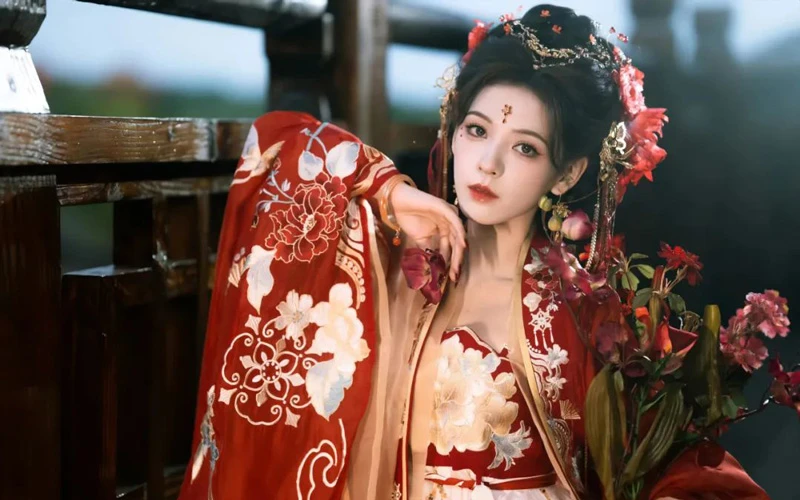
Exploring the Historical Context and Makeup Trends of Huadian in Cdramas
Have you mesmerized by the makeup of "A Journey to Love"? The beauty level is comparable to the grand award of Huadian in ancient costume dramas. BAZAAR brings you a look at the use of the Huadian in recent Chinese TV dramas and its history. As the chosen one of ancient times, Liu Shi Shi made a graceful appearance with a transcendent snow dance, dressed in a flowing red gown, with a graceful figure. The red of the Huadian between her eyebrows and the white of the snow complemented each other, making her as beautiful as a painting. After entering the palace, she abandoned her fierce killer aura and her presence became gentle and hazy. Her usual elegant attire, paired with the Huadian, exuded a cool and charming aura. The costume and makeup of other characters are also praiseworthy. He Lan Dou, who plays Princess Yang Ying, went from being overlooked to becoming the empress, and the appearance of the Huadian perfectly corresponded to her growth trajectory. Chen Xiao Yun's Huadian makeup in the role of noble consort Chu emanated a pure and captivating charm, making her beauty irresistible. Chen Du Ling, who caused a stir with her appearance, portrayed… -
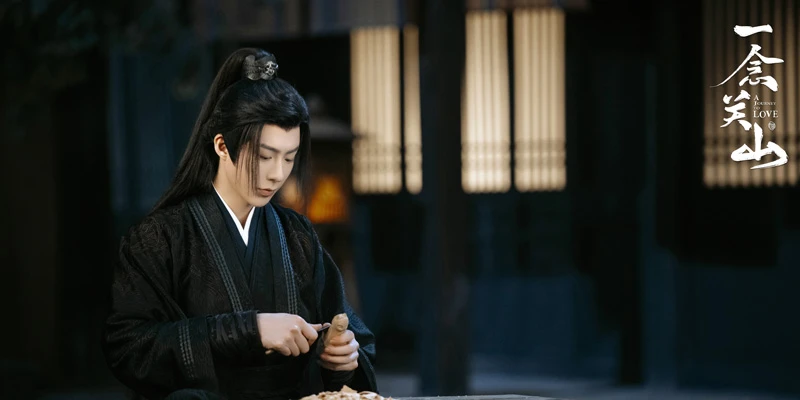
The Evolution of Liu Yu Ning: A Look at His Transition from Internet Celebrity to Cdrama Actor
The finale of "A Journey to Love" has arrived, but the controversies surrounding this drama have not yet subsided. Starting with a high score of 7.5 on Douban (with over 30,000 reviews), the overall rating dropped to 6.9 with nearly 100,000 reviews after the release of the complete series. It is a pity that what should have been a major blockbuster drama at the end of the year has faced such setbacks. During the early promotion, "A Journey to Love" consistently highlighted the independent character of the female lead, earning praise from all corners of the internet. However, as the plot progressed, discrepancies in the protagonist's storyline and character development emerged, leading to instances where the dialogue presented in the drama contradicted the actors' interpretations. "A Journey to Love" is Liu Shishi's first costume drama after her maternity leave, while for Liu Yuning, it is his first leading role in a costume drama. 1 - The spotlight in and out of the drama The debates surrounding "A Journey to Love" have never ceased since its broadcast. The coherence of character development before and after has been another major point of contention. In the eyes of fans, the leading female…