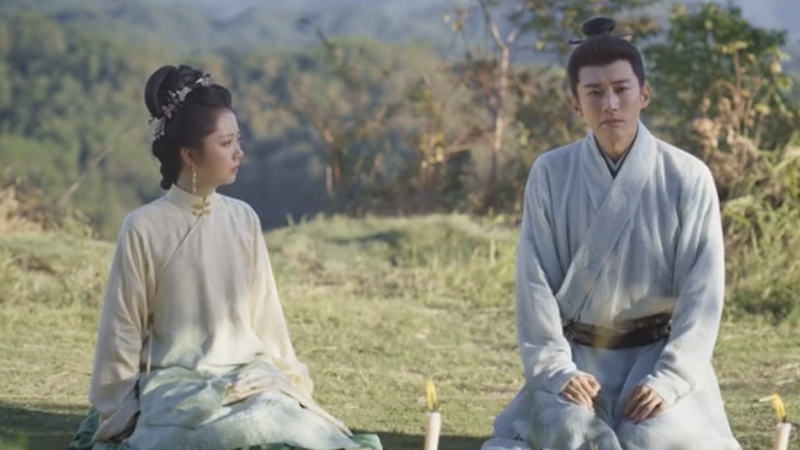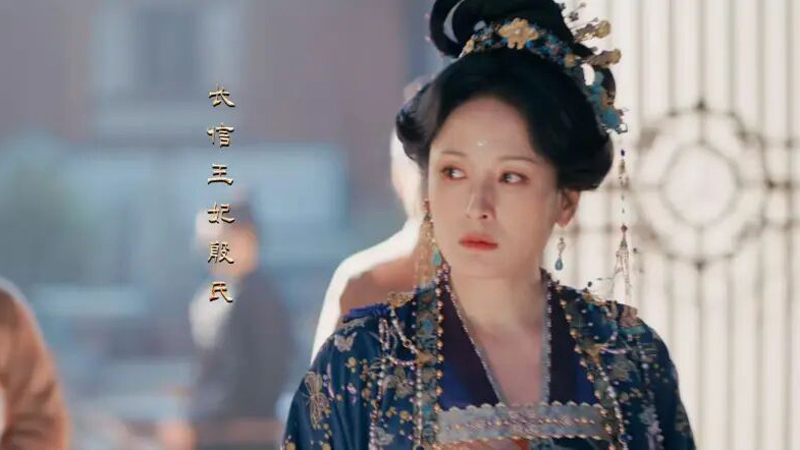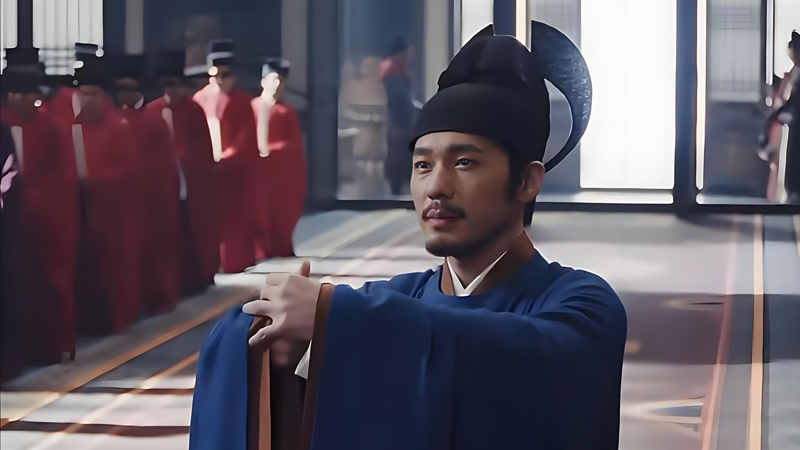
What happens to women when empires fall and kings submit? History textbooks rush through the chaos with dates and battle names, rarely pausing to ask: where were the wives, the mothers, the queens? The Chinese television drama Swords into Plowshares (太平年) refuses to look away. It pulls viewers into the turbulent tenth century, when the Five Dynasties and Ten Kingdoms clawed at each other’s throats.
At the center stands Wuyue (吴越) King Qian Hongchu (钱弘俶), a man who cooperated with Song Emperor Zhao Kuangyin (赵匡胤) to destroy the Southern Tang. But the show’s real heartbeat belongs to its women. They are not merely ornaments to male ambition. They are pawns, survivors, victims, and, occasionally, victors in a game they never chose to play. Their six very different endings reveal the brutal truth about “peace” won through swords and submission.
1. Madam Yu (俞大娘子)
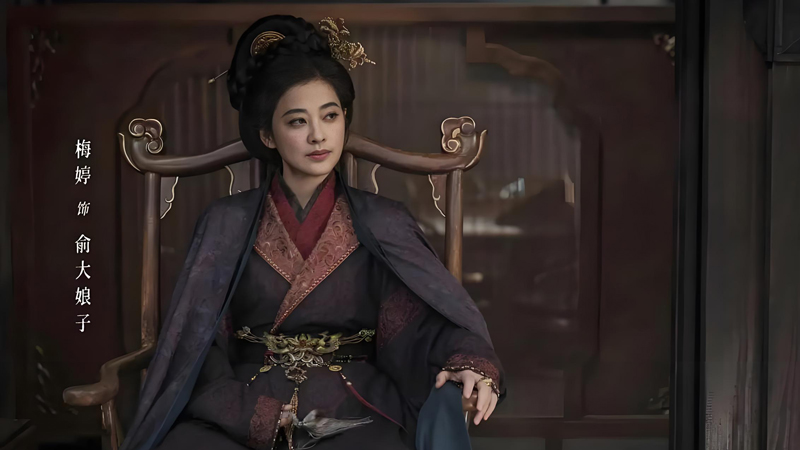
Madam Yu operates on a different level from the desperate noblewomen trapped in palaces. She controls Huanglong Island (黄龙岛), commanding a fleet of warships and trade vessels that would make any warlord envious. Her wealth is not inherited; it is built. She navigates the shifting alliances between Wuyue, the Later Zhou (后周), and the rising Song dynasty with the cool precision of a merchant counting profit. She does not weep when kingdoms fall. She calculates.
Her secret weapon is pragmatism. Madam Yu understands that loyalty is a luxury, but trade routes are forever. By backing her son-in-law Qian Hongchu early and securing commercial privileges with the northern regimes, she transforms her island into an untouchable fortress of commerce. While queens are dragged into captivity and poets’ wives are violated, Madam Yu simply continues doing business. Her eventual death from old age is not a tragedy. It is a quiet victory earned by refusing to let her fate depend on any man’s throne.
2. Empress Dowager Li (李)
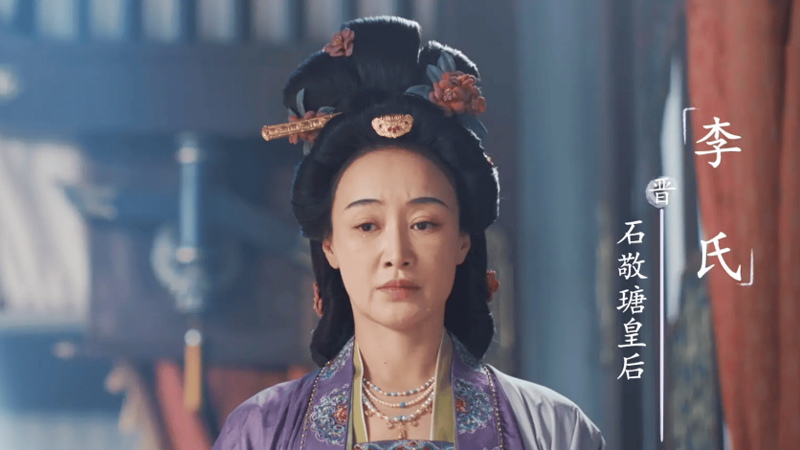
Empress Dowager Li knew glory once. As the daughter of Later Tang’s Emperor Mingzong (唐明宗), she was born into privilege. But marriage to Shi Jingtang (石敬瑭), the man who would sell the Sixteen Prefectures to the Khitan, cursed her. When Shi Jingtang rebelled, her natal family was slaughtered. The blood of her brothers and uncles stained the very throne she sat upon. History does not ask how she felt. It only records what happened next.
Captured and dragged north after the fall of the Later Jin, Li endured the ultimate degradation. She watched her stepson’s mother starve to death on the road. She saw her granddaughters and daughters-in-law seized by Khitan nobles, their bodies treated as war spoils. Li herself, though older, was not safe from hunger and cold. She died in exile, far from the palaces she once knew. Emperor Zhao Kuangyin later erected a memorial tablet for her—a kind gesture, perhaps, but a cold comfort for a woman whose entire existence was erased by men who claimed to love her.
3. Li Sanning (李三娘)
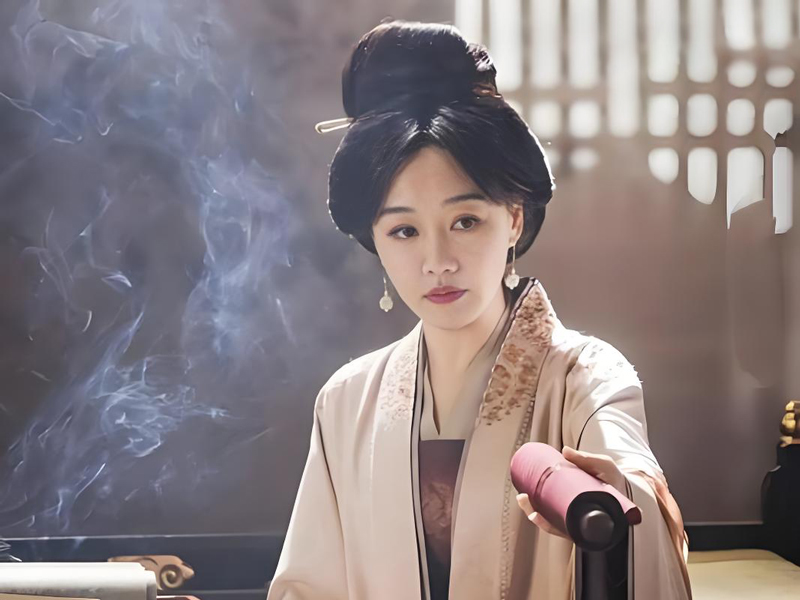
Li Sanning chose poverty. As a young woman, she insisted on marrying the impoverished soldier Liu Zhiyuan (刘知远) despite her family’s contempt. She scrubbed floors and bore children while he climbed the ranks on battlefields soaked with blood. When he finally became emperor of the Later Han, she did not rejoice. She missed the simple days in Taiyuan, where power did not require poisoning brothers and burying sons.
Her reward for loyalty was watching her second son, Emperor Liu Chengyou (刘承祐), murder her firstborn and then get himself killed by his own general. But General Guo Wei (郭威), the man who avenged his family by destroying hers, proved merciful. Instead of executing the former empress, he honored her as “Sacred Mother,” provided her a peaceful residence, and treated her with the respect due to a mother. Li Sanning died in her forties, having outlasted emperors and witnessed the birth of a new dynasty. She kept her humanity when everyone around her lost theirs.
4. Consort Fu (符) the Younger
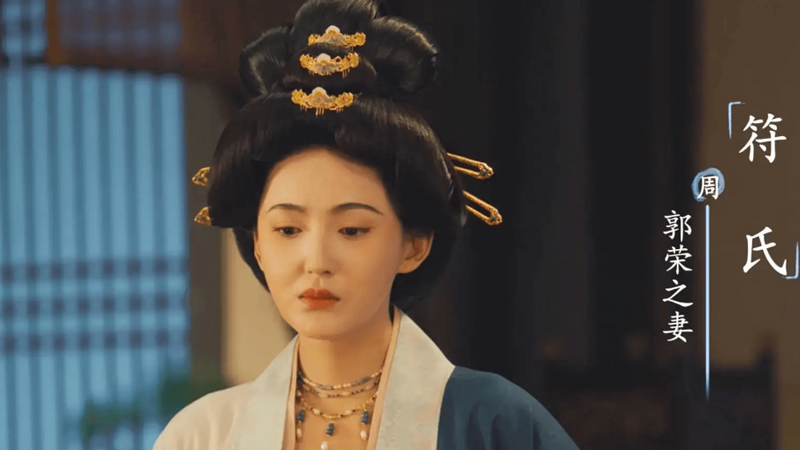
Consort Fu the Younger entered the palace as a replacement. Her older sister, the beloved empress of Chai Rong (柴荣, Emperor Shizong of Later Zhou), had died young. Now she was expected to fill the void in a dying man’s bed. Chai Rong succumbed to illness shortly after their marriage, leaving her a widow at twenty-seven. With a child emperor on the throne, she was thrust into the role of regent—a woman trying to hold back the tide of history with bare hands.
When Zhao Kuangyin staged his coup and founded the Song dynasty, he did not kill her. He politely relocated her to the Western Palace and titled her “Zhou Empress.” But the new peace felt like a cage. Years later, she made a choice that bewildered the court: she became a Taoist nun, taking the name “Jade Purity Master.” Perhaps she sought something the earthly palaces could never provide—control over her own spirit. She lived to sixty-one, a remarkable age for a woman who had been discarded by power.
5. Consort Zhou the Younger

Consort Zhou the Younger had the misfortune of loving Li Yu (李煜), the poet-king of Southern Tang. While Qian Hongchu built dykes and granaries in Wuyue, Li Yu composed exquisite verses about moonlight and vanished gardens. His kingdom rotted in luxury. When the Song armies finally marched in, there were no warriors to stop them—only poets clutching ink brushes. Captivity in the Song capital stripped away the last illusions.
According to persistent historical whispers, Consort Zhou was summoned repeatedly to the palace of Emperor Taizong (Zhao Guangyi). Each visit lasted days. Each return to their humble home brought floods of tears and curses aimed at her helpless husband. Li Yu could only weep. His final poem, lamenting his lost kingdom, gave Taizong the excuse he needed. Poison silenced the poet forever. Consort Zhou died shortly after, at twenty-eight. Whether from a broken heart, illness, or something more deliberate, history does not say. But her fate became the enduring symbol of how conquerors destroy the conquered—not just through war, but through the systematic violation of everything they love.
6. Sun Taizhen (孙太真)
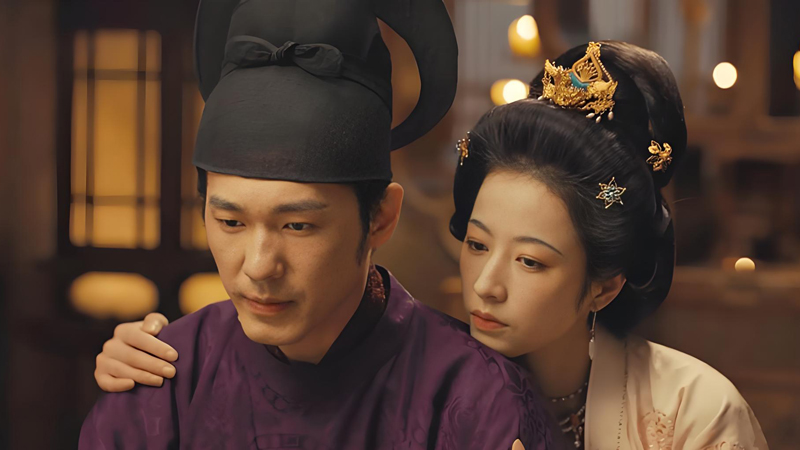
Sun Taizhen’s story is the exception that proves the cruel rule. As Qian Hongchu’s beloved consort, she spent decades protected by his devotion and Wuyue’s wealth. She bore his children, managed his household, and knew nothing of hunger or humiliation. While other royal women were dragged across frozen plains or violated in foreign palaces, Sun enjoyed the quiet dignity of a stable home. She did not live forever—forty-something years was a normal lifespan in the tenth century. But she died as she had lived: cherished, secure, and free.
Her early death, in fact, became her final protection. When Qian Hongchu was forced to surrender his kingdom and spent the next decade under house arrest in the Song capital, Sun was already gone. She never had to witness her husband’s degradation. She never became a hostage, a bargaining chip, or a target for conquerors’ lust. In a world where every woman’s body seemed to belong to the state, Sun Taizhen somehow kept hers for herself. Her peaceful death was the truest “peace” the era could offer any woman.
The six women of Swords into Plowshares teach a hard lesson: in times of “great unification” celebrated by emperors and generals, the bodies and souls of women often become the currency of peace. Some, like Madam Yu, learn to mint their own coins. Others, like Consort Zhou the Younger, are spent and discarded. Their stories, scattered across crumbling chronicles and speculative dramas, remind us that history’s “golden ages” are never golden for everyone. The women who survived, endured, or simply died on their own terms—they are the ones who truly paid the price for someone else’s peaceful era.