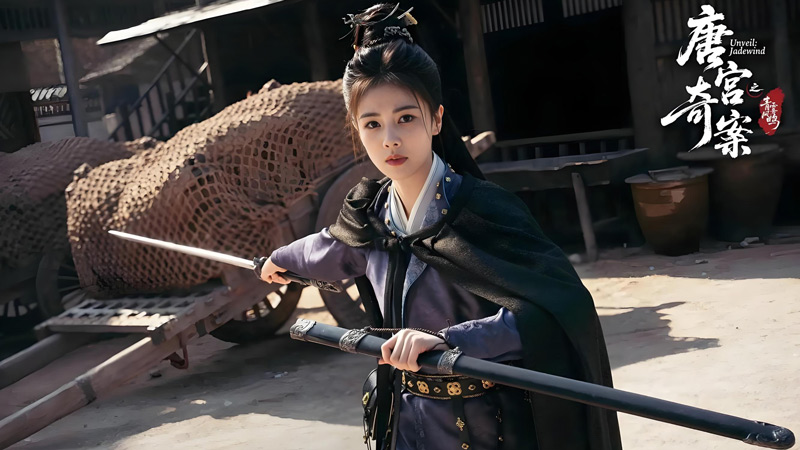
In a television landscape saturated with period dramas that often feel like they rolled off an assembly line—complete with interchangeable plots, sugary romances, and a heavy dose of déjà vu—a new contender has arrived making some serious noise. Unveil: Jadewind (唐宫奇案之青雾风鸣) has stormed onto Youku and CCTV-8, immediately capturing attention with blockbuster premiere data. But as the initial excitement settles, a more complicated picture emerges.
The series finds itself at the center of a heated debate: is it a refreshingly innovative entry that raises the bar for the ancient drama genre, or is it simply the same old formula dressed up in expensive new clothes? The answer, much like the mysteries within the show, requires a closer look beyond the surface.
Data vs. Debate: A Tale of Two Realities
The numbers don’t lie, and for Unveil: Jadewind, they tell a story of undeniable success. The drama premiered to a peak CCTV-8 viewership rating of 1.3% and crushed platform expectations by surpassing 9500 in popularity on Youku within hours . Attracting 54 sponsors across just four episodes, its commercial appeal is crystal clear. This isn’t just fan service; these metrics point to a broad audience base willing to stay up late for the unfolding intrigue. The show’s simultaneous release on Netflix for global audiences further underscores its ambitious reach . On paper, it’s a home run.
Yet, a glance at audience discussions reveals a starkly different reality. While some praise the series, a significant chorus of criticism has emerged, creating a fascinating “two-sided” reception. Detractors point to what they see as gaping logical holes, inconsistent performances, and a narrative rhythm that loses its footing . How can a show command such impressive viewership while simultaneously facing such intense scrutiny? The answer lies in the increasingly sophisticated expectations of today’s viewers, who are quick to celebrate genuine effort but equally swift to penalize perceived shortcuts, no matter how visually stunning the package.
Performances Under the Magnifying Glass
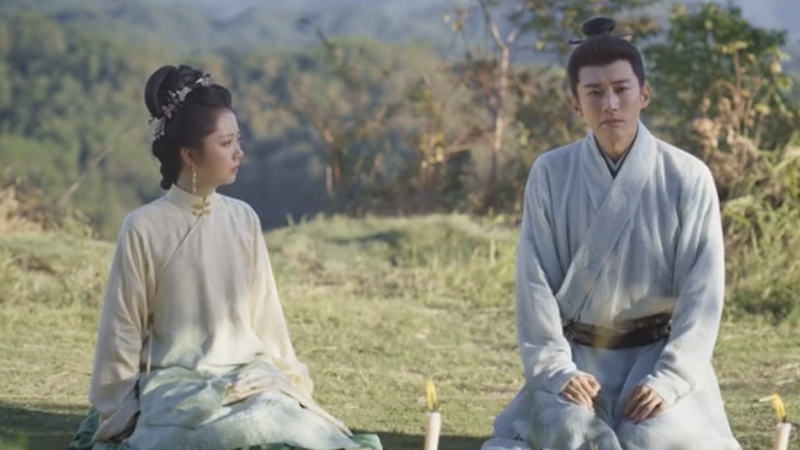
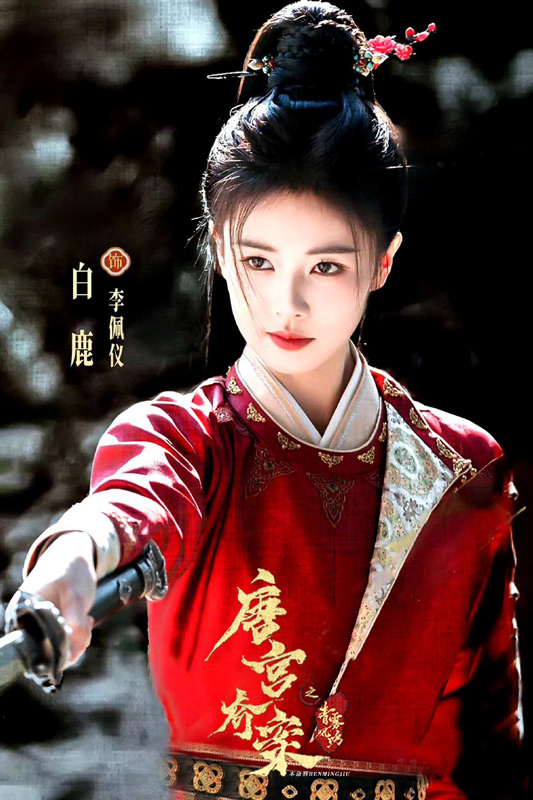
At the heart of the discourse is Bai Lu’s (白鹿) portrayal of Li Peiyi (李佩仪), the determined female official. For many, this role marks a departure from her previous parts. Gone are the wide-eyed, ingenue expressions; in their place is a high-ponytailed, Tang-dynasty-robed officer who moves with purpose. Her action sequences are sharp, and in moments of profound loss—such as grieving a fallen friend—she delivers a rawness that resonates. It feels like a conscious effort to prioritize acting prowess over mere aesthetics, a gamble that for some viewers pays off handsomely.
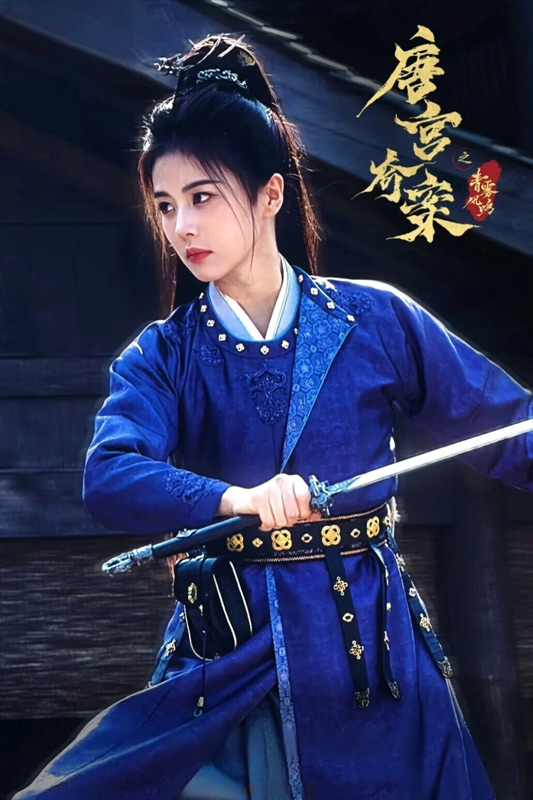
However, for a vocal segment of the audience, this performance falls short. Critics argue that her delivery of classical Chinese dialogue carries a distracting modern inflection, with unclear enunciation and weak breath control that flattens dramatic tension. A key interrogation scene, meant to showcase her character’s authority, was instead singled out for its lack of vocal power. This divergence in opinion suggests Bai Lu is in a transitional phase, successfully embodying the physicality of her role while still working to master the vocal demands of a historical drama that requires gravitas beyond the typical costume drama.
Opposite her, Wang Xingyue (王星越) as Xiao Huaijin (萧怀瑾) seems to have found his creative comfort zone. He portrays the cool, composed, and intellectually brilliant Taishi (太史) official with an assured ease that feels authentic. While some note that he remains within the familiar territory of period pieces, he demonstrates a knack for injecting subtle, distinct variations into archetypal roles. The dynamic between it and her is deliberately understated; there is no forced sweetness, only a partnership built on mutual respect and shared danger, allowing their characters’ bond to mature naturally alongside the plot .
The Devil in the Details: Crafting a Tang Dream
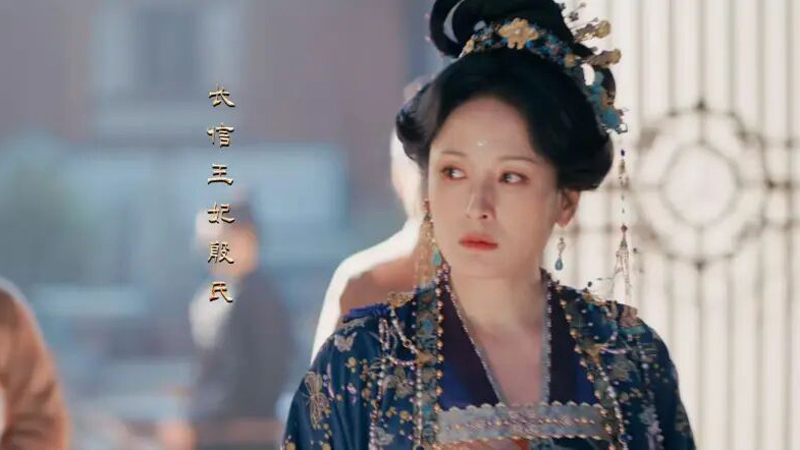
If there’s one area where the show earns nearly universal acclaim, it’s in its extraordinary production design. The team reportedly invested heavily in constructing 108 wards of Chang’an, essentially rebuilding a slice of the Tang capital from the ground up . This isn’t backdrop dressing; it’s immersive world-building. From the architectural precision of palace halls down to the patterns on palace lanterns and jade pendants, every visual element screams authenticity. The costumes, like Li Peiyi’s round-collar robe inspired by Tang murals, and the accessories of palace ladies traced to fabric remnants in the Shosoin repository, transport viewers directly into the era .
This dedication to craft extends to the atmosphere. The creative team deliberately used candlelight and lanterns to cast dynamic, period-accurate shadows, creating a palpable sense of mystery. Traditional instruments like the Ya Zheng (轧筝) and Bi Li (筚篥) score the scenes, deepening the auditory immersion. It’s a stark, welcome contrast to the overly filtered, soft-focus look that plagues many productions. For audiences weary of plastic-looking sets and costumey fashions, this commitment to tangible, researched aesthetics feels like a love letter to the era and a benchmark for future period pieces.
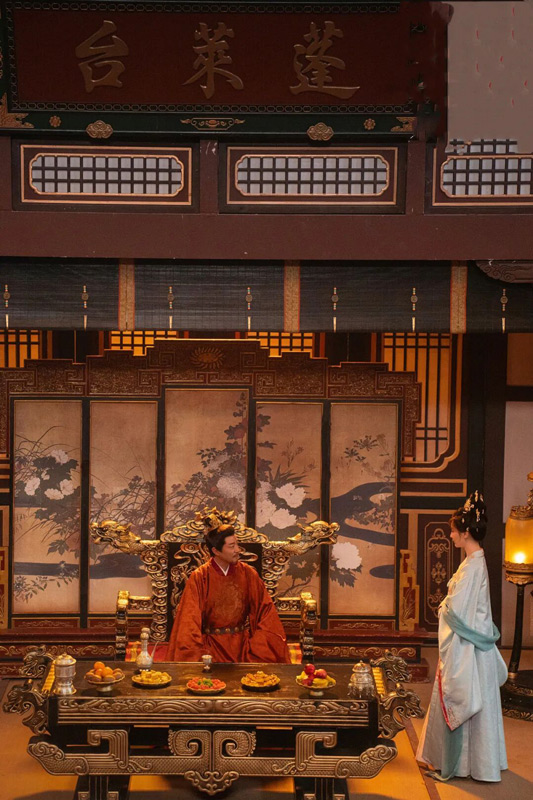
Yet, even this magnificent exterior can’t fully shield the cracks within. Critics point out that some cases rely on convenient, rather than clever, resolutions. The premiere’s ghost marriage case, for instance, sees the heroine buried alive with wooden nails—only to escape with implausible ease, leaning more on plot armor than sharp deduction. For seasoned mystery fans, some culprits are telegraphed too early, reducing suspense. When stacked against the intricate plotting of similar Tang dynasty hits, its political intrigue occasionally feels underdeveloped.
Ultimately, Unveil: Jadewind succeeds as a visually resplendent and earnestly made drama that genuinely attempts to innovate, particularly through its female-centric perspective. It may not be perfect, but in an era of creative complacency, its commitment to quality—even if inconsistently applied—makes it a conversation worth having.