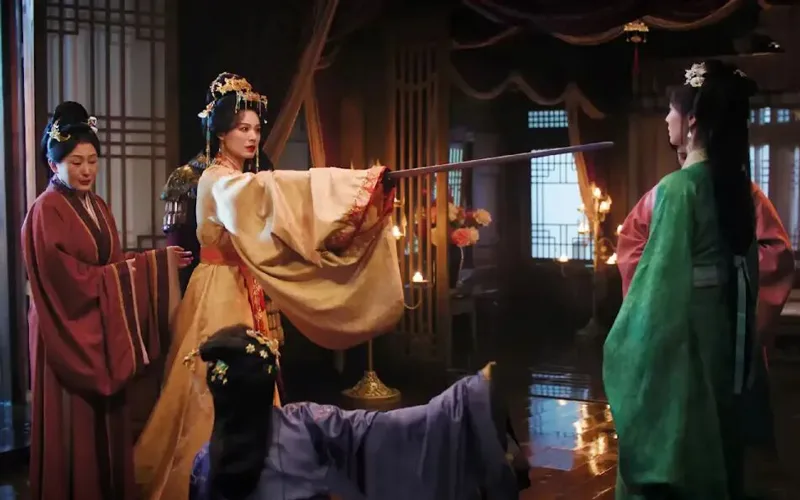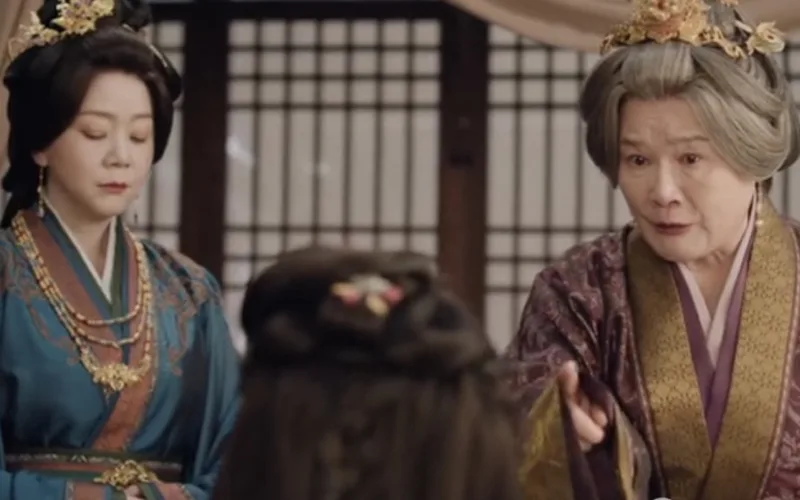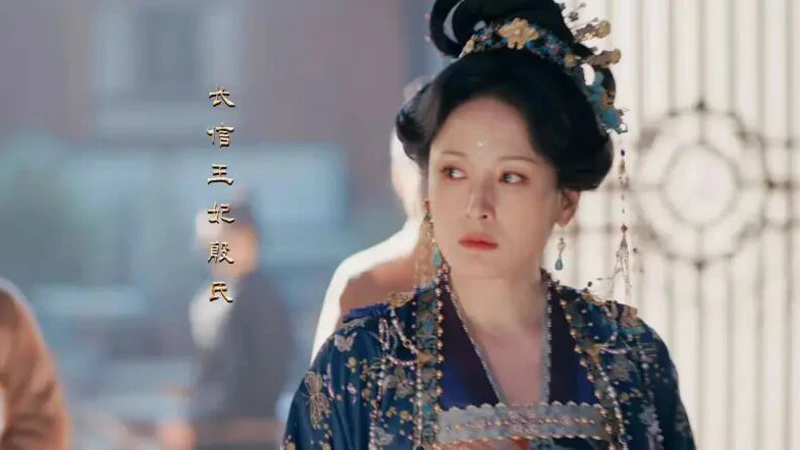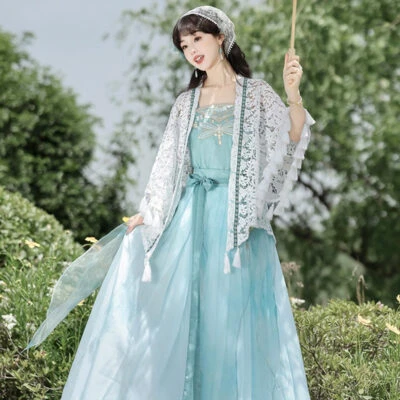
Why do so many period dramas look Japanese instead of Chinese? This question has sparked heated debate among viewers who sense something off about the aesthetics in recent productions. The distinction between authentic Chinese style and borrowed Japanese elements isn’t merely academic—it’s visually immediate once you know what to look for.
While Japanese culture historically drew inspiration from China, centuries of separate evolution created fundamentally different aesthetic systems. Today’s controversy stems not from overly critical audiences but from production teams who, whether through laziness or ignorance, substitute Japanese elements for Chinese ones. This isn’t cultural appreciation; it’s cultural erasure dressed in period costumes.
The Clothing Code: One Fold Changes Everything
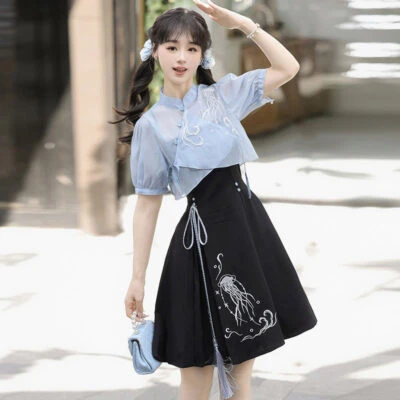
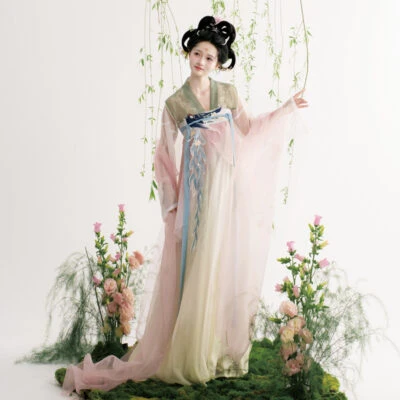
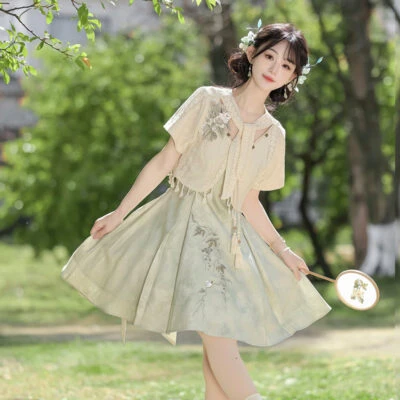
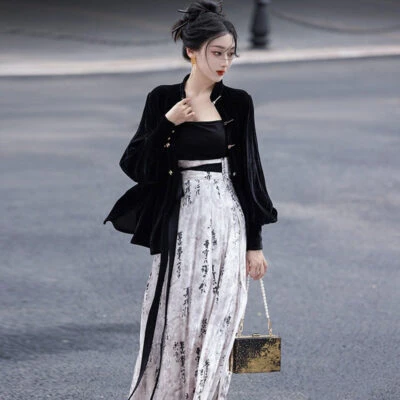
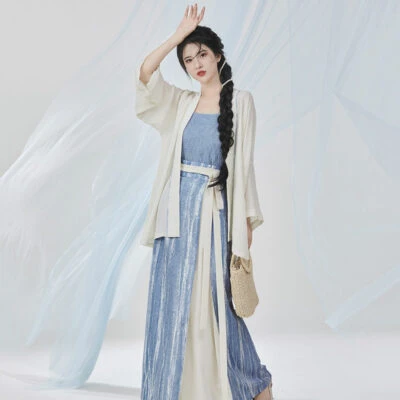
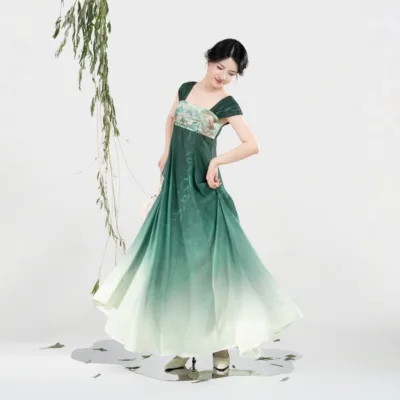
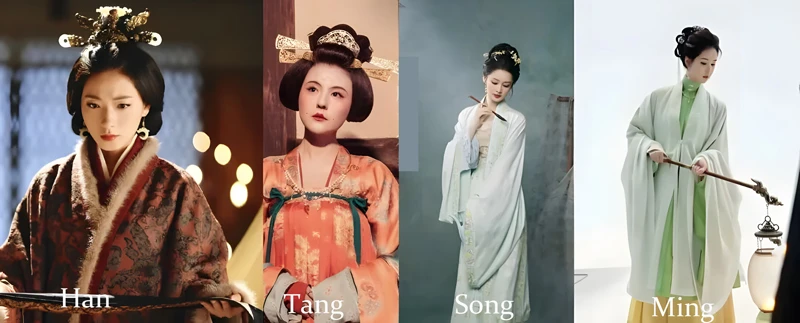
The most commonly confused elements appear in costume design, particularly between Hanfu and Japanese kimono. Yet their fundamental structures diverge completely. Traditional Chinese clothing spreads horizontally across the body, with overlapping right-side closures, wide sleeves, and hidden ties instead of exposed buttons. Whether from Han, Tang, or Ming dynasties, these garments create flowing lines that move with the wearer—dignified, expansive, and structurally elegant. Even commoner’s clothing maintains this generous proportion, never constricting the body unnaturally.
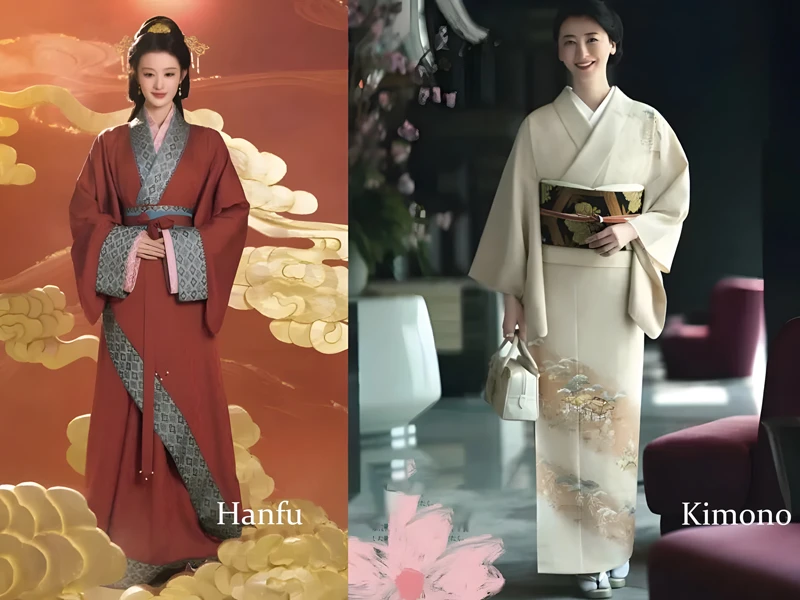
Japanese kimono structure operates on opposite principles. Straight lines dominate—narrow sleeves that barely reach the wrist, rigid body construction that confines movement, and most distinctively, the back pillow that Chinese attire never possessed. The overall effect resembles wearing a stiff box rather than flowing fabric. When period dramas dress characters in narrow-sleeved, tube-like garments with awkward back bumps, they’re not creating fusion—they’re directly copying kimono construction while calling it “ancient Chinese style.”
This fundamental difference creates an instant visual test: Chinese clothing breathes with the body, creating dynamic beauty through movement. Japanese clothing holds its shape like armor, prioritizing static perfection. You don’t need historical expertise to feel this difference—it hits you the moment a character walks on screen.
Hair and Headdress: Crowns That Cannot Lie
Hairstyling represents another giveaway. Traditional Chinese aesthetics demanded balanced, full silhouettes—women’s buns sat high or to the sides in elaborate but dignified arrangements, decorated with hairpins that angled gracefully. Men bound their hair beneath crowns that rose expansively upward, from scholar’s caps to official headwear, all projecting upward momentum that symbolized harmony between heaven and humanity.
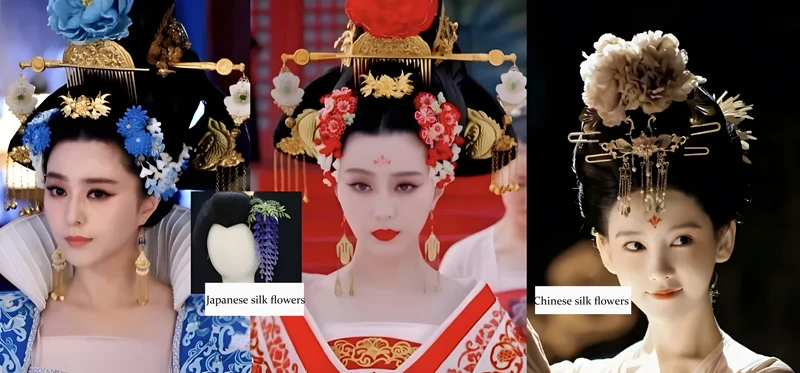
Japanese traditions developed different priorities. Women’s princess-cut flat hairstyles paired with delicate silk flowers create an entirely different visual language. Men’s shaved pates, tall black caps, and hanging crown cords feature sharp lines and eccentric shapes that contradict Chinese concepts of balance. When dramas plaster flat, face-clinging hairstyles onto Chinese historical figures or equip them with sharply angled crowns cribbed from Japanese武士 helmets, the wrongness registers instantly—even without historical training—because it violates aesthetic instincts developed through generations.
These aren’t minor stylistic choices. Hairstyling encodes cultural values about proportion, dignity, and humanity’s relationship with the natural world. Chinese approaches emphasize fullness and symmetry; Japanese developed different ideals. Confusing them betrays both traditions.
Architecture: Reading Space and Spirit
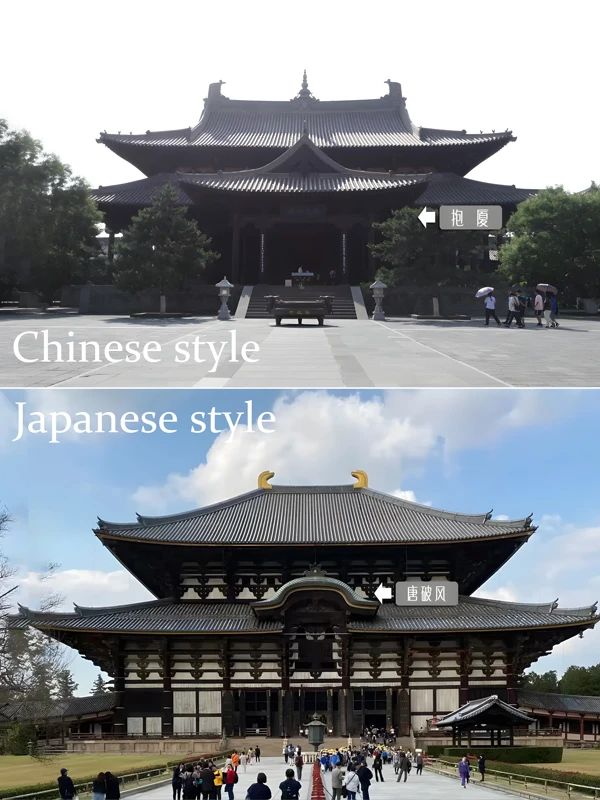
Buildings tell the story most clearly. Chinese classical architecture achieves its soul through Dougong (斗拱) brackets, sweeping roof curves, and strict axial symmetry. Roof lines curve gently upward like birds taking flight, creating expansive momentum. Courtyards open generously, each beam and column expressing steadiness and unfolding that characterize a civilization comfortable with space.
Japanese architecture, constrained by different geography and resources, developed lower, narrower lines with sharp angles. The most telling marker is gable—triangular decorative elements abruptly breaking roof lines, unique to Japanese building traditions. Eaves run straight or even droop, lacking the upward lift that makes Chinese roofs sing. The overall impression feels compressed, deliberately contained, the opposite of Chinese architectural grandeur.
Yet recent productions increasingly outfit imperial palaces with Japanese gable, torii gates, and curved Tang-gable elements. This isn’t aesthetic innovation—it’s transporting Japanese shrines onto Chinese sets while calling it historical drama. The difference between welcoming space and contained space isn’t subtle; it’s felt in every scene.
Why does this substitution happen? Not from aesthetic superiority but from convenience and ignorance. Researching Chinese historical dress requires consulting murals, examining artifacts, understanding regional and period variations. Japanese elements come prepackaged, visually consistent, easily copied. Many creators genuinely don’t know the difference, assuming “Asian” equals “Chinese.” Some unconsciously privilege Japanese aesthetics as more “refined,” forgetting that kimono, Japanese architecture, and tea ceremony all originated as Chinese exports adapted locally. What Japan preserved were branches—China remains the root. Branches never achieve the trunk’s thickness, the root’s vitality.
Chinese civilization offers five thousand years of aesthetic vocabulary: Han grandeur, Wei-Jin elegance, Tang opulence, Song refinement, Ming integrity. We have clothing beyond counting, architecture beyond cataloging, cultural essence beyond exhausting. These original, orthodox, expansive aesthetics constitute the Eastern beauty that genuinely moves global audiences. Audiences don’t reject innovation—they reject substitution, cultural appropriation, forgetting ancestors. Distinguishing Japanese from Chinese elements isn’t harshness—it’s cultural consciousness. Refusing Japanese-infused dramas isn’t pickiness—it’s protecting civilization.