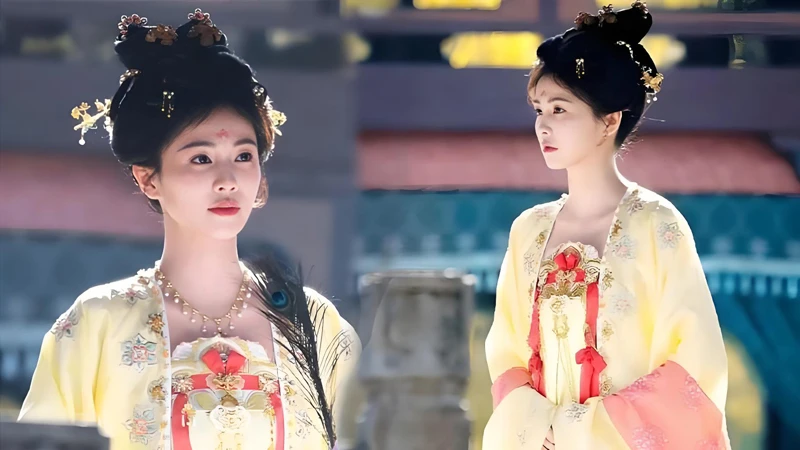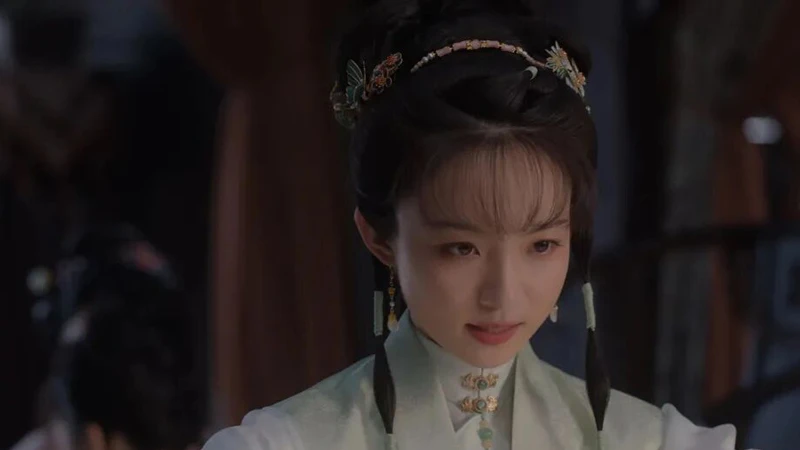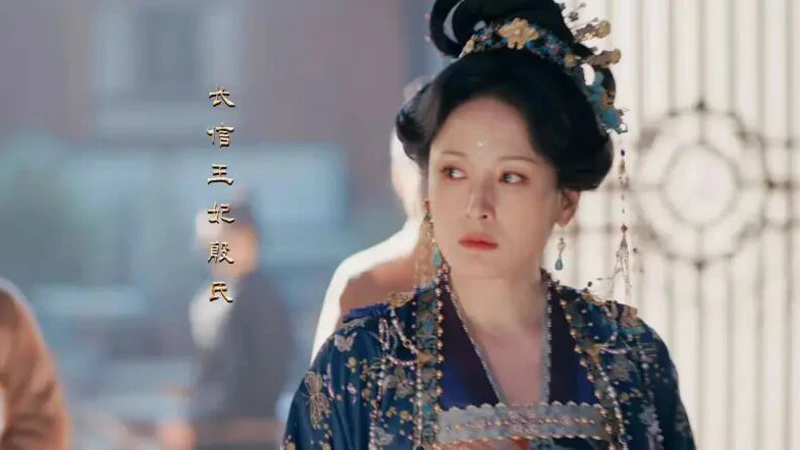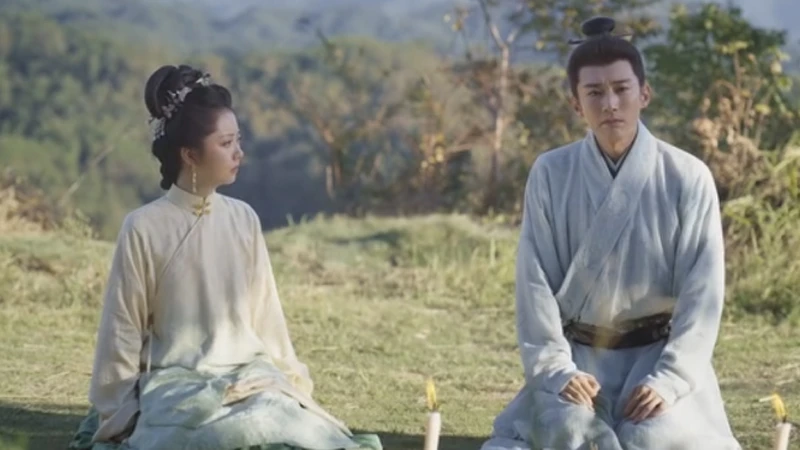
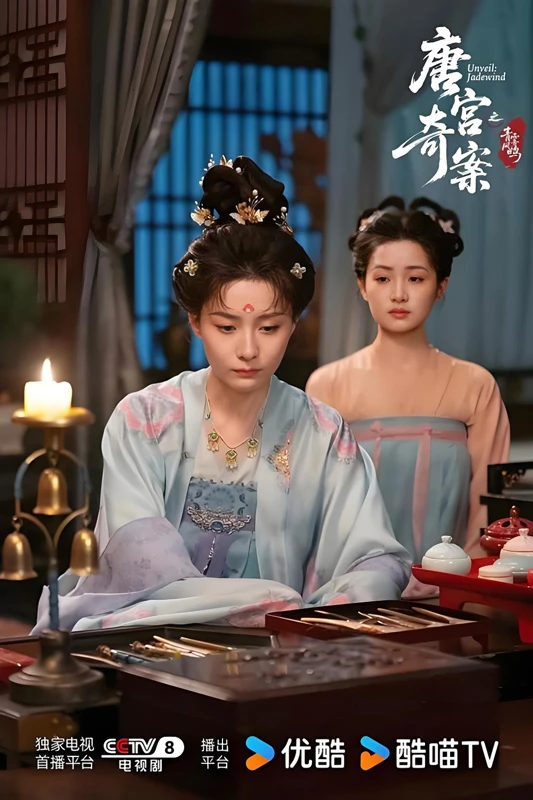
In Unveil: Jadewind (唐宫奇案之青雾风鸣), three women dared to speak—not with words, but with actions that would echo through the ages. A princess, a maid, and a noblewoman, each waged war against the chains that bound them.

1. Princess Wanshun (婉顺): Bound No More by Her Roots
In stories of ancient courts, royal princesses often appear as little more than elegant decorations. They are prizes for alliances, vessels for carrying royal bloodlines forward. Their lives follow a familiar path: born into the gilded cage, raised in luxury, and eventually married off to serve the state’s political needs. This narrative feels so fixed, so unchangeable, that it reads like destiny itself. But what happens when a princess refuses this fate? What if she dares to carve her own path, even when every door seems bolted shut from the outside?
The story of one such woman shows that sometimes, the only way to win a game is to refuse to play by its rules. Her journey from obedient daughter to desperate fugitive, and finally to a woman who seizes control of her own ending, reveals the quiet power that can bloom even in the darkest of places.
A Princess Invisible
Princess Wanshun grew up as a ghost in her own home. Her mother, a simple dancer, died when she was young, leaving her with no protector in the vast palace. Her father, the Emperor, barely knew she existed among his dozens of children. She wore the title of princess like a borrowed gown that fit poorly. To maintain even a shred of dignity, she took up needlework, stitching late into the night just to afford small necessities.
When she crossed paths with Lady Cui (崔), a noblewoman beloved by the court, her fragile status shattered instantly. Lady Cui, jealous of any attention Wanshun received, nursed a quiet grudge. For a princess without influence, such an enemy was dangerous. She learned early that her value was measured only by what she could offer, never by who she was.
The Fire Escape
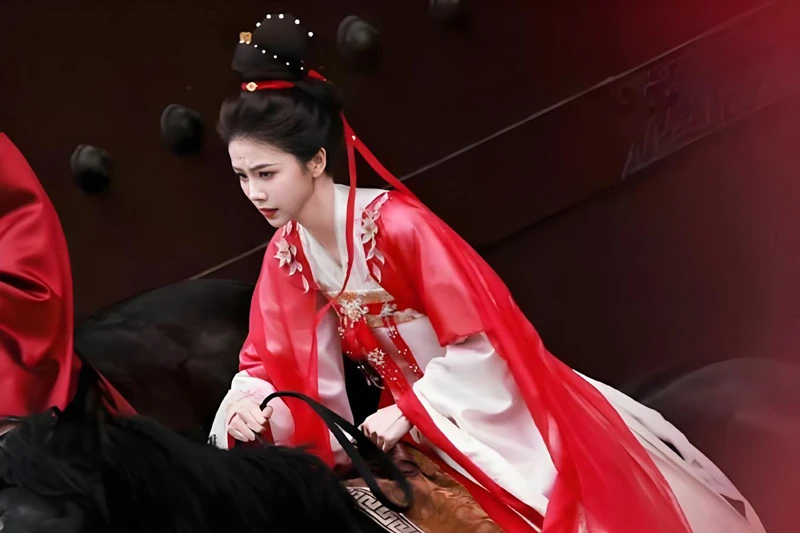
When word came that a princess must be sent to marry a distant chieftain, Wanshun knew her name headed the list. Two roads lay before her: the slow death of a foreign exile, or the quick execution that followed defiance. She chose a third path, invisible to everyone. She planned a grand dance, building a tall wooden platform for her performance. Below it, she secretly arranged a tunnel to freedom.
On the chosen night, flames erupted around the stage, a spectacular fire that consumed everything. The court mourned the princess who burned alive. But Wanshun, alive and hidden, ran toward a small house where her lover promised to meet her. She dreamed of open roads and ordinary days, of a life chosen, not assigned. Freedom felt close enough to touch.

Love’s Cruel Mask
The small house held no lover. Instead, Lady Cui waited there, dressed in the bridal gown Wanshun had sewn with her own hands for their escape. The handsome young man, the whispered promises, the hope of rescue—all were elaborate traps. Lady Cui’s envy had built this cage over months, a patient revenge for old slights. She wanted not just to humiliate Wanshun, but to own her complete despair.
Cornered by mocking laughter, Wanshun’s fear turned to cold fury. She grabbed a small knife given by a friend and struck out, cutting through the lies in one desperate act. Later, kneeling by a stream, she watched blood swirl away in the water. She could not wash her hands clean. In that moment, the frightened girl who waited for rescue died. Someone new stood up in her place.
Threads of Vengeance
She found her false lover and ended his life quietly. Then, with steady hands, she embroidered a pattern on his back: “Dragon and Phoenix Weave”, the traditional symbol of marital bliss she had once dreamed of. Onlookers whispered that the princess had turned cruel, her heart gone black. But cruelty implies a choice to harm for pleasure. Wanshun acted from a deeper place. She had learned that kindness brought exploitation, that hiding only invited hunters.
Every bitter act forced upon her had been carved by others’ hands. Returning to the palace with her friend Li Peiyi (李佩仪), she walked through familiar halls like a stranger. When the Emperor again decreed her marriage to a foreign land, she showed no tears, no anger. She had tried escape. She had hoped for love. She had believed in rescue. Each door slammed shut.
Falling Free
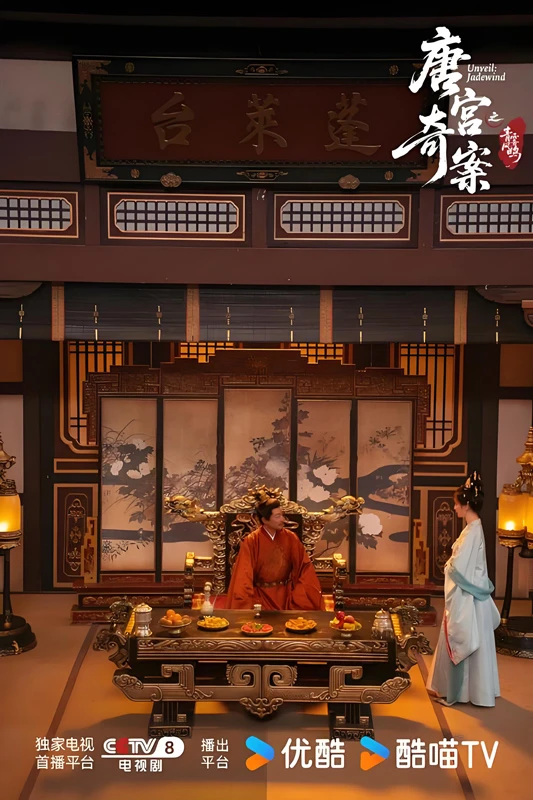
Standing again on a high platform, looking down at the court below, Wanshun understood her life completely. A princess exists only through the throne. She is a vine that cannot survive without its tree. If she stays, she bends forever to the wind. If she leaves, she withers. This was the trap disguised as destiny. But standing there, she realized one truth: the choice of how to end belonged to her alone.
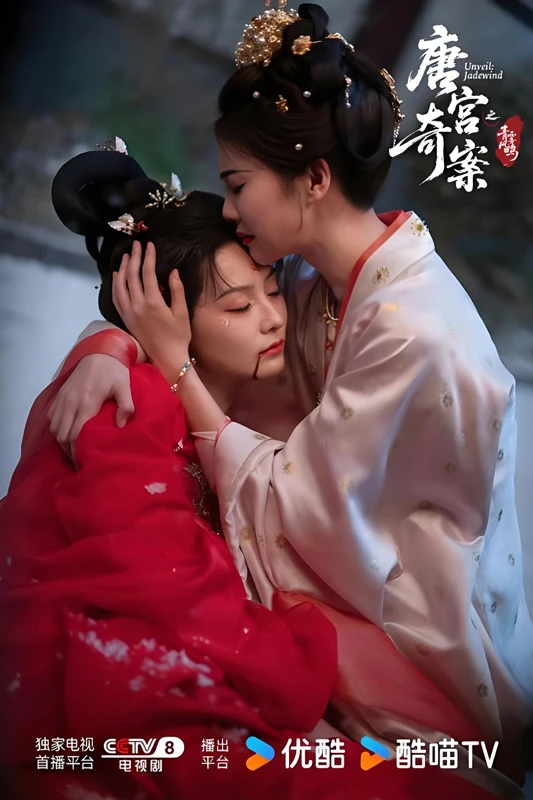
No Emperor, no enemy, no false lover could take that final decision. She stepped off the platform not in despair, but in possession. Her fall became flight. In that last moment, the invisible princess finally became the author of her own story. She did not escape the cage—she dissolved it entirely, leaving nothing behind but the memory of a woman who refused to be anyone’s decoration.

2. Gongnü (宫女): Ants Enslaved, United to Topple Giants
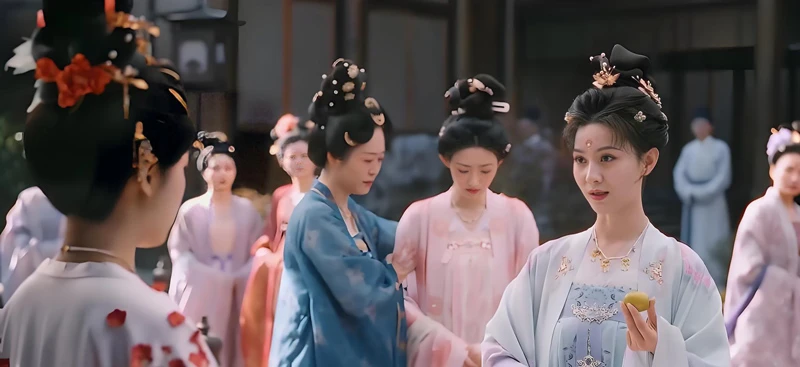
Behind the high walls of the imperial city, a different kind of tapestry was being woven. Not one of silk and gold thread for the emperor’s robe, but a desperate fabric of survival, woven by the very hands that should have been idle in service. These were the Gongnü, the palace maids, women whose existence was meant to be silent and obedient. But when their labor was deemed no longer needed within the palace, they were not freed. They were funneled into a gilded cage known as the Embroidered Red Mansion, a place where their skills were exploited, and their bodies became currency for the powerful. This is not a story of elegant embroidery, but of quiet desperation, of ants that learned to bring down an elephant.
Trapped by Hope
Each woman who entered the Embroidered Red Mansion arrived with the same small, fragile wish: to trade her needlework for a decent life. Having left the palace, where their meager wages often led them to borrow from the eunuch Hu Da (胡达), they saw this new workshop as a path to solvency. His recommendation felt like a kindness, a lifeline thrown to a drowning soul. It was, in truth, the final push over a cliff. Inside the workshop, the dream quickly curdled into a nightmare. They were no longer workers but chattel, confined and tormented.
To the wealthy patrons who frequented the place, they were songbirds in a cage, or worse, a dish to be consumed and discarded. They were Gongnü, after all, women with no family influence, no social standing, and no money. They were considered as insignificant as ants, with only each other to rely on. Han Xiao (含笑) tried to run, her laughter silenced by recapture. Tao Zhi (桃芝) refused to yield and attempted escape, but in a trap so meticulously laid, flight was an illusion, met only with harsher beatings upon return.
A Justice Denied
When the determined investigator Li Peiyi began to unravel the threads of this conspiracy, the frightened women saw a sliver of light. Forced to relocate, they seized what they thought was their moment. Tao Zhi led her sisters, pinning a guard down with their combined strength, fighting for their lives with hairpins as their only weapons. In that desperate struggle, they believed their own courage could pull them from the fire. But the fire was fueled by power that reached the very throne. The emperor, faced with a list of implicated nobles too long to ignore, chose to smother the flames of inquiry. Li Peiyi’s investigation was shut down, the clues vanishing like smoke.
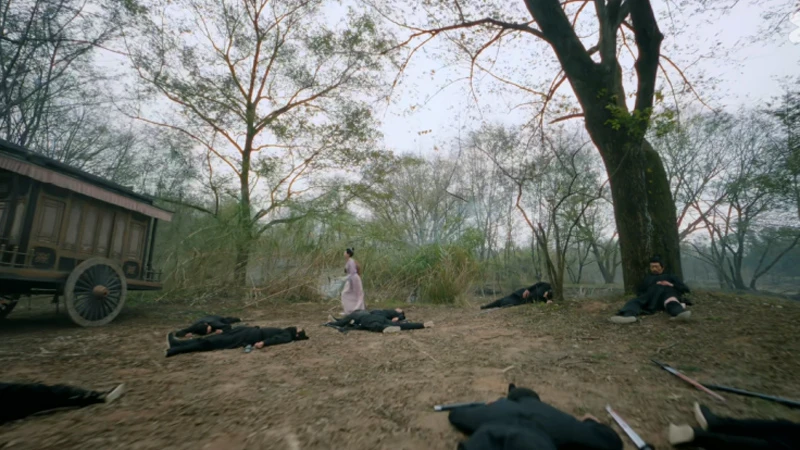
The rescued survivors, finally allowed to return to their homes, found no peace. On the road, they were met with new, deadly misfortune. As long as the master puppeteer lived, his shadow stretched across the entire land, and no verdict from the court could make it retreat. Faced with a choice—be consumed by this power or fight back with everything they had—these women, deemed weak and powerless, made their decision.
Revenge in the Steam
They chose the latter. Ru Yi (如意), her spirit unbroken, rallied the survivors. She convinced their leader with a tempting vision of an even grander, mobile version of the Embroidered Red Mansion, a promise of future riches that briefly lowered his guard. Outside, Bi Rou (碧柔) worked in the shadows. She carefully prepared a lethal poison, concealing it in a jar of fragrant balm, which she then smuggled into the compound. The plan was set in motion. Seven women, their hearts pounding with a resolve that eclipsed fear, coated their long hair with the poison. Guards could search their belongings, their clothes, their rooms, but they never thought to search their very being, the hair that was part of them.
When their captors entered the bathhouse, the scene was set. The room filled with steam, rising from the heated pool. To the powerful men who viewed them as mere playthings, it was just another evening of leisure. But to the women, the mist was a shroud for their final act. Their individual strength was minuscule, but with their lives as the only wager, these seven ants toppled the unshakeable elephant. Their self-rescue cost them their lives, but it finally ended the nightmare. Their oppressors paid the ultimate price for their cruelty.
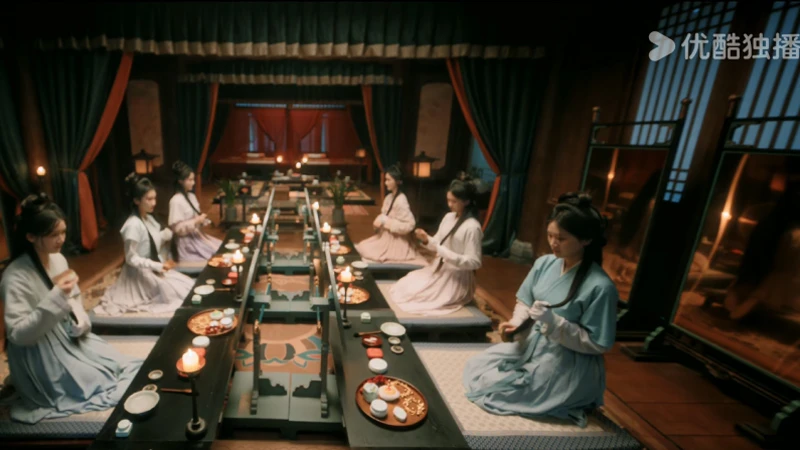
In dying, they achieved what they could not in life. They bought a future for the sisters who would come after them, carving out more choices and better treatment from a system designed to deny them both. Their desperate act of resistance echoed far louder and traveled much further than any royal decree or princess’s plea ever could. They were just palace maids, threads in a vast imperial tapestry, but together, they wove their own ending.

3. Li Peiyi: No Longer a Pawn, But a Player
In a world where everyone expected her to fade into a quiet, comfortable life, one woman chose a path of sharp edges and deep waters. Li Peiyi was born with every advantage—title, wealth, and the emperor’s favor—yet she refused the script written for her. She picked up a sword not just to survive, but to rewrite the rules entirely. Her story is not one of passive suffering, but of active, relentless pursuit. She is a woman who takes the hand she is dealt and reshuffles the deck, demanding a new game.
The Weight of a Silver Spoon
On paper, Li Peiyi’s life looked like a finished painting. As a county princess and the emperor’s niece, she wanted for nothing. The court granted her special privileges, a lingering echo of the tragedy that had stolen her family fifteen years prior. Most in her position would have accepted the gilded cage, enjoying the security of a quiet, untroubled existence. She could have simply looked away from the past.
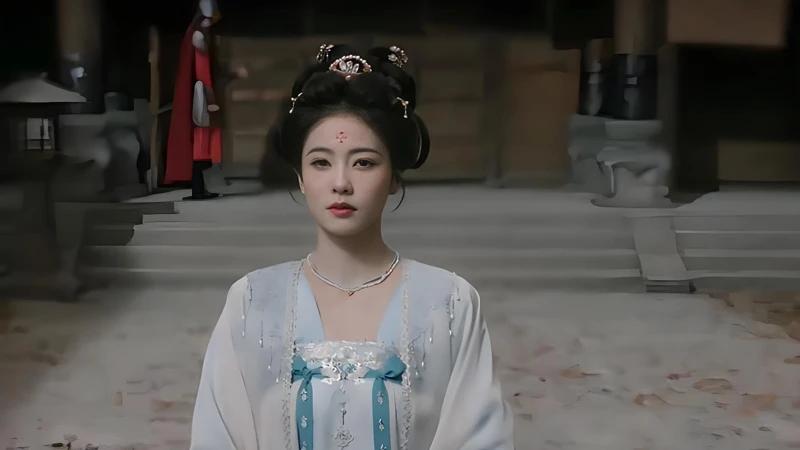
But Peiyi found no comfort in that stillness. The official story of her family’s massacre was a lie wrapped in silk, and she could not swallow it. Where others saw safety, she saw a prison. Her noble status gave her access, but she craved something far more valuable than comfort: the truth. This desire burned hotter than any promise of a peaceful life.
Refusing to be a decorative ornament, she took an unusual step. She joined the Nei Ye Ju (内谒局), the palace reception bureau, a position typically filled by officials. It was a practical, deliberate move. This role placed her inside the machinery of the court, giving her a vantage point to observe, to question, and to pull the threads that might one day unravel the mystery of that bloody night.
A Mind For the Maze
Peiyi’s approach to the world is distinctly professional. She is not a damsel waiting for rescue, but an investigator armed with sharp instincts and sharper skills. When her close friend, a princess, is found dead in an apparent suicide, Peiyi’s grief does not cloud her judgment. She walks the scene, her eyes scanning not for drama, but for details. A single, out-of-place candle holder catches her attention.
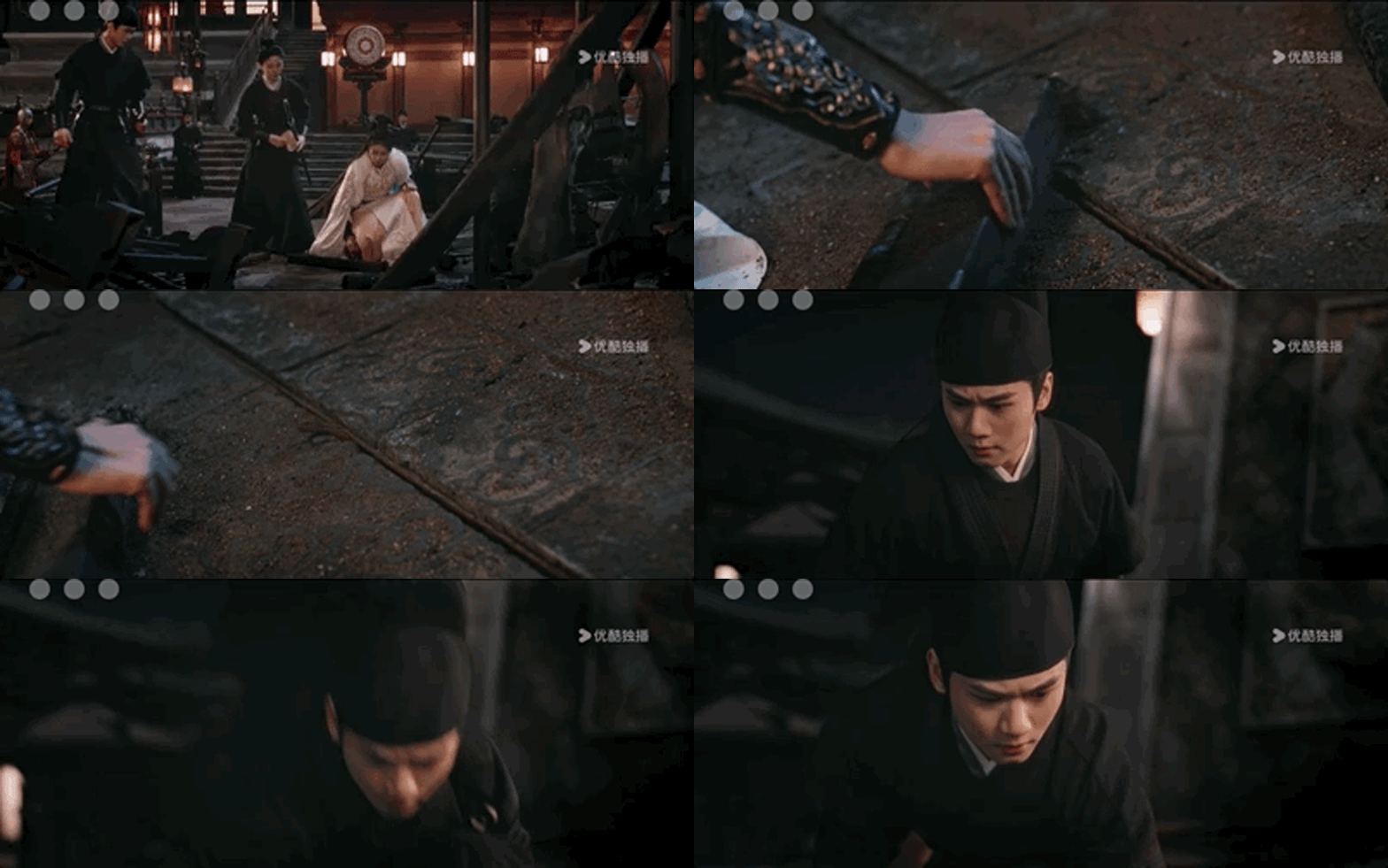
That small observation is the key. It leads her to a hidden passage, a secret buried within the palace’s familiar architecture. Her intimate knowledge of the grounds, a product of her unique position, becomes her greatest weapon. She doesn’t just see the grandeur; she sees the joints, the seams, the places where things can be hidden. This practical intelligence defines her method of operation.
Her sharp eye extends beyond palace walls. While hunting for a clandestine brothel known as Embroidered Red Mansion, her team searches in vain. Peiyi, however, notices the subtle clues in the city’s forgotten corners. The scent and residue in a drainage ditch reveal an excess of expensive balms, a small anomaly that points directly to the hidden location. She pieces together the puzzle using evidence others walk past every day.
Dancing on the Edge
Working within a legal system dominated by men, Peiyi holds no official investigative rank. Her authority is borrowed, drawn from her title as county princess. This limitation could have been a cage, but she treats it as a mere formality. She ignores the bureaucratic lines drawn for her, focusing solely on the results. If she cannot be a detective in name, she will be one in action.
Her commitment to the truth is absolute, and it often places her in terrifying situations. Within just ten episodes, she faces death multiple times: nailed inside a coffin for burial, poisoned to the brink of death, and thrown into a lake with stones tied to her body. These are not accidents; they are calculated risks she takes to get closer to the answers she seeks. She walks directly into the fire.
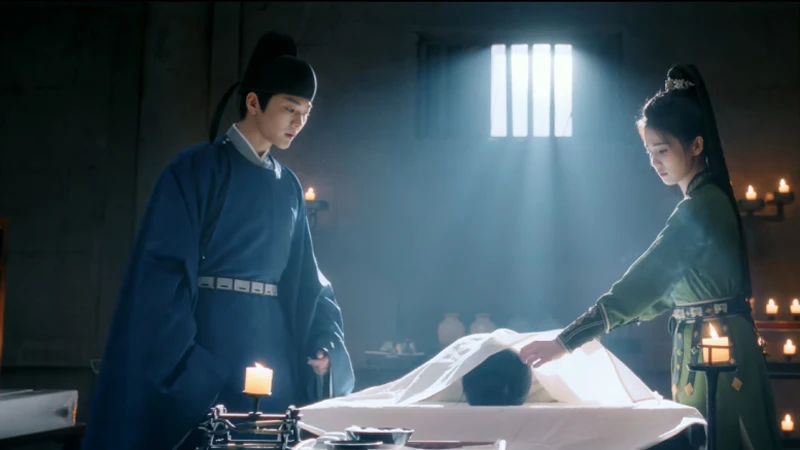
This fierce drive transforms her from a victim of circumstance into an agent of change. Originally, she was a mere piece on the board, a survivor of a massacre meant to live quietly in its shadow. Instead, she uses her own capability as a sword to carve a new path. No one’s warnings or threats can dissuade her; this relentless pursuit is not just a mission, but her very definition of integrity and purpose.
One to Many
Li Peiyi’s fight is deeply personal. It begins with the need to understand the destruction of her own family. Yet, as she navigates the dark waters of the capital’s secrets, her personal quest intersects with the suffering of others. Her sharp mind and willingness to risk everything allow her to uncover injustices that would otherwise remain buried. Her “self-rescue” becomes a blueprint for helping others.
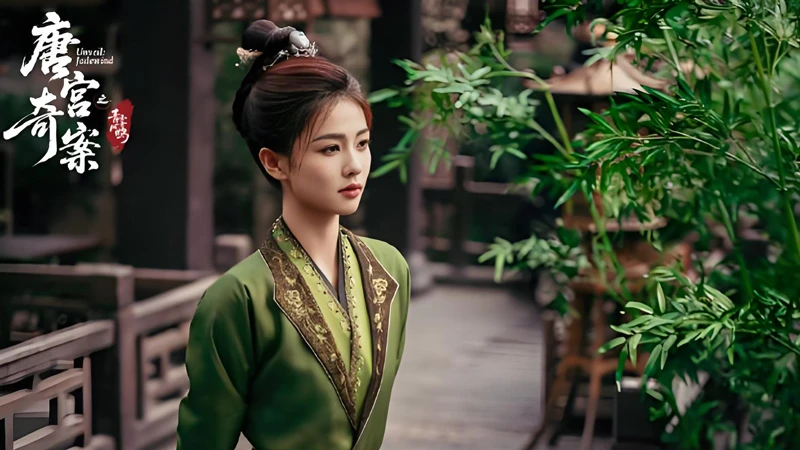
She does not separate her own salvation from that of the people she encounters. In seeking justice for herself, she delivers it to women who have no title, no power, and no voice. Each case she solves, from the princess’s death to the crimes at the brothel, widens the circle of her impact. She builds a bridge between her own survival and the protection of others, proving that the two are deeply connected.
In the end, it is impossible to tell where her personal journey ends and her service to others begins. She carries the weight of her own tragedy, but she uses it as fuel to light the way for others trapped in their own darkness. Li Peiyi embodies a powerful truth: the most profound way to save oneself is to build a world where no one else needs saving alone. Her story is the final, essential stroke in a larger portrait of women choosing to fight back.

Unveiling Their Own Destiny
The stories of Princess Wanshun, the palace maids, and Li Peiyi converge on a single, powerful truth: when the world refuses to change, they change themselves. They did not wait for rescue; they became the rescue. One chose her own death to claim her life. Seven traded their lives to shatter an empire of cruelty. One risked her life again and again to build a bridge so others might cross to safety. They prove that a woman’s destiny is not a vine to cling, nor an ant to be crushed, nor a pawn to be moved. It is a force—quiet, relentless, and unyielding—that can rewrite any story, even its own end.