The finale of the historical drama Swords into Plowshares (太平年) has left audiences oscillating between sorrow and astonishment. While the narrative arc concludes with the long-anticipated surrender of Wuyue (吴越) to the Song Dynasty, it masterfully omits certain graphic historical details while weaving in surprisingly creative elements like the origin story of the Hundred Family Surnames (百家姓). This ending is not merely a conclusion but a thoughtful reflection on the costs of unification, the complexity of loyalty, and the quiet heroes who shaped a peaceful era. It moves beyond simple historical reenactment to explore the human motivations behind grand political maneuvers.
The Thirty-Year Chess Game: A King’s Calculated Surrender
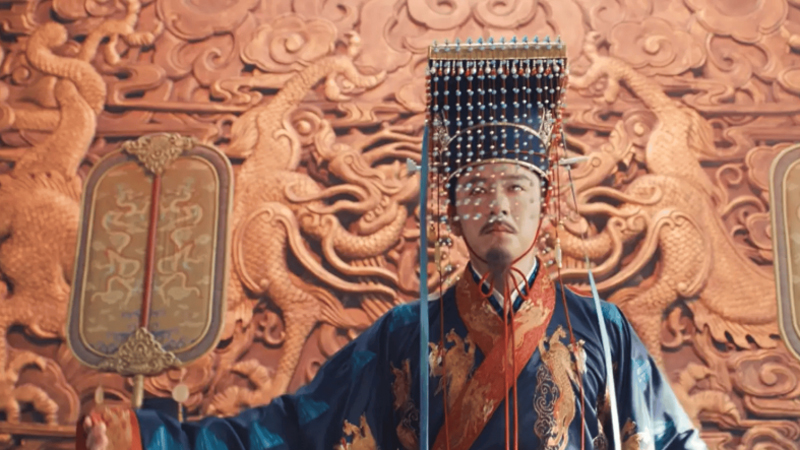
The most compelling revelation in the finale is that Qian Hongchu’s (钱弘俶) decision to surrender his kingdom was not a last-minute concession but the culmination of a thirty-year master plan. For over three decades ruling Wuyue, he was not just governing; he was meticulously preparing to hand over a prosperous, well-administered region to the Central Plains dynasty. It suggests his foresight extended back to the era of Guo Rong (郭荣), indicating a deep-seated belief that unification was inevitable and that the best way to protect his people was to prepare for it peacefully.
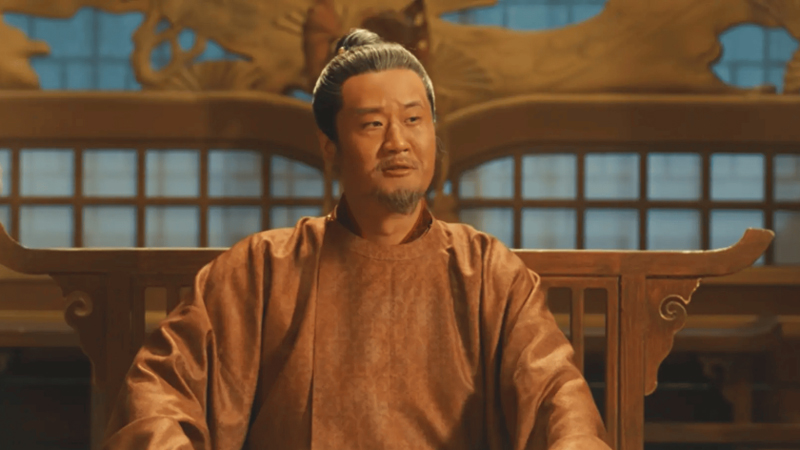
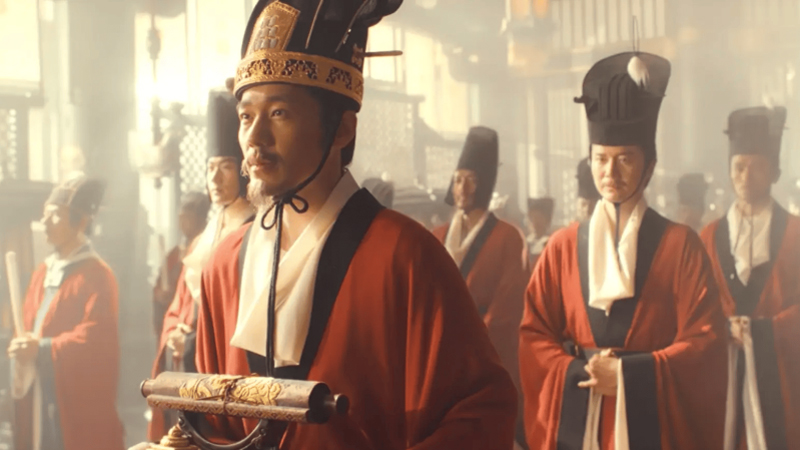
The genius of his plan lay in neutralizing the opposition, which he correctly identified as coming not from the common people but from entrenched aristocratic families. The common folk, he reasoned, cared more for stability and their next meal than the name of the ruler above them. His strategy against the three major clans—the Shen (沈), the Wen (温), and his own Qian family—was executed with surgical precision. By sidelining figures like Shen Yin and securing the crucial support of his elder brother, Qian Hongjun (钱弘俊), he orchestrated a political “performance” that left his court with no choice but to endorse the surrender, framing it as an inevitable and righteous path.
Unspoken Deaths and A Queen’s Final Voyage
The series wisely sidesteps some of the more brutal historical controversies, leaving them as haunting gaps in the story. The infamous “candle and axe” incident surrounding Emperor Taizu’s death is softened into a symbolic accident, a moment of tension that leads to his mysterious demise in the snow. The show avoids directly addressing the contentious succession of Zhao Guangyi (赵光义), hinting at political maneuvering with the “Golden Chamber Covenant” but leaving the ultimate truth ambiguous. This restraint allows the focus to remain on the emotional core of the story rather than getting bogged down in unresolved historiographical debate.
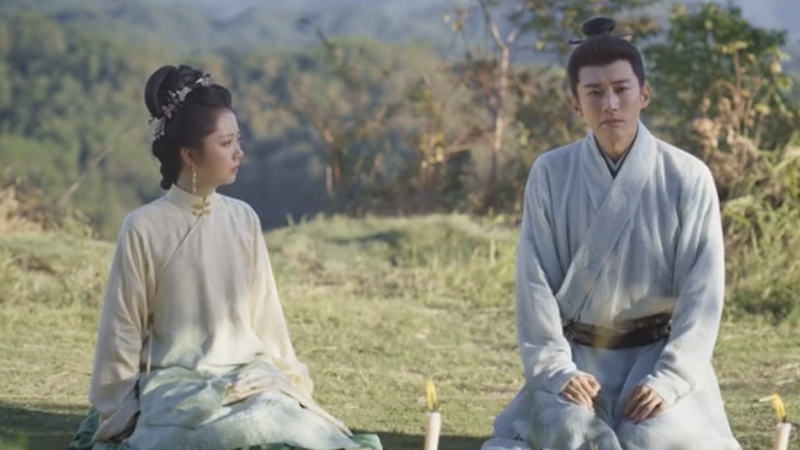
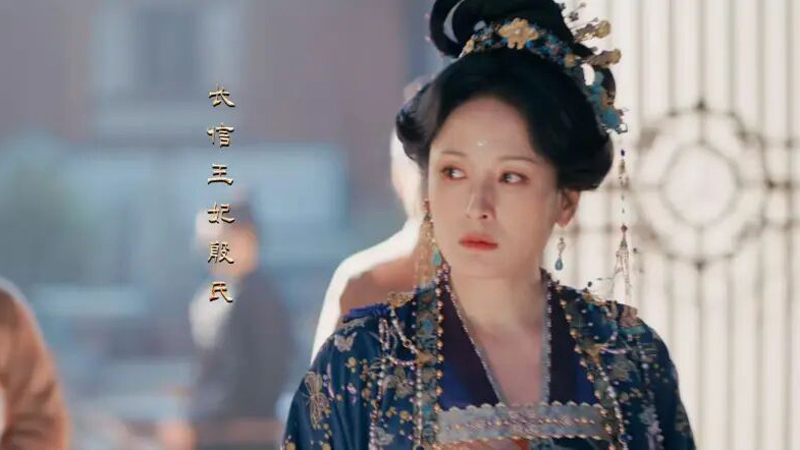
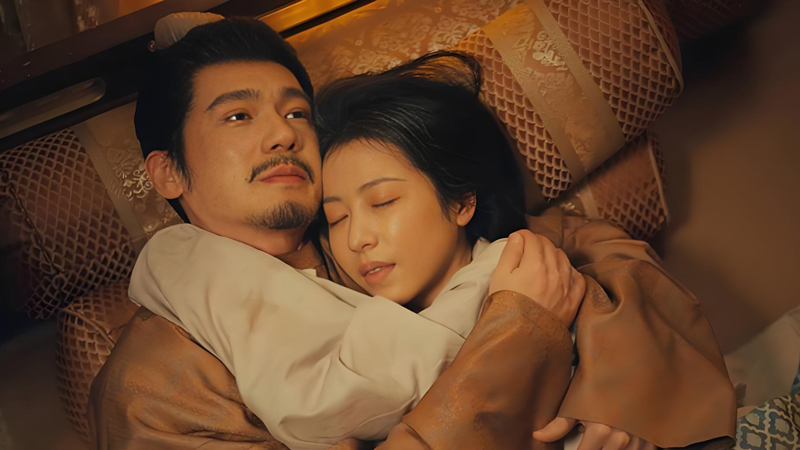
In stark contrast to these political ambiguities stands the crystal-clear tragedy of Sun Taizhen (孙太真). Her death from consumption, occurring just one year before the surrender and a year after Taizu’s passing, is rendered with poignant simplicity. Her identity as a descendant of the Huang royalty, a secret known to few, adds a layer of symbolic weight to her passing. Her final wish for a sea burial is honored, and her husband places her body on a small boat to drift into the ocean. More importantly, her contribution to Wuyue’s stability is highlighted; the lands from her dowry were structured to resist annexation by powerful clans, ensuring that a well-managed territory, free from internal land grabs, could be handed over to the Song court. Her death is both a personal loss and the severing of a last link to a bygone era.
The Surnames We Know and The Father of a Legend
One of the most delightful and unexpected subplots involves the creation of the Hundred Family Surnames. The narrative credits its compilation to Li Yuanqing (李元清), a former enemy of Qian Hongchu. Blinded, whether truly or deceptively, he is shown arranging the classic order with the help of local children and a man named Fan Yong.
The rationale behind the order—Zhao for the imperial family, Qian for the surrendered king, Sun for the virtuous queen, and Li for the legacy of the Tang—provides a charming and logical backstory for a text familiar to generations. Li’s survival, spared by both Qian and Shen Yin (沈寅), and his choice of permanent seclusion over further service, underscores a theme of personal peace over political ambition.
Finally, the appearance of Fan Yong as a seemingly minor functionary tasked with land surveys carries immense dramatic weight for those who know history. He is revealed to be the father of one of China’s most revered scholar-officials, Fan Zhongyan (范仲淹). This subtle insertion transforms Fan Yong from a background character into a linchpin of the future. His work in cataloging the land and people of Wuyue for the Song administration is the unglamorous but essential groundwork that would allow the next generation to flourish.
The finale suggests that while kings scheme and empires shift, the true architects of a lasting “peaceful year” are often those who quietly tend to the land and raise the sons who will write its future essays and reforms.