Hanfu Dress & Chinese Clothing: Styles, History & Guide
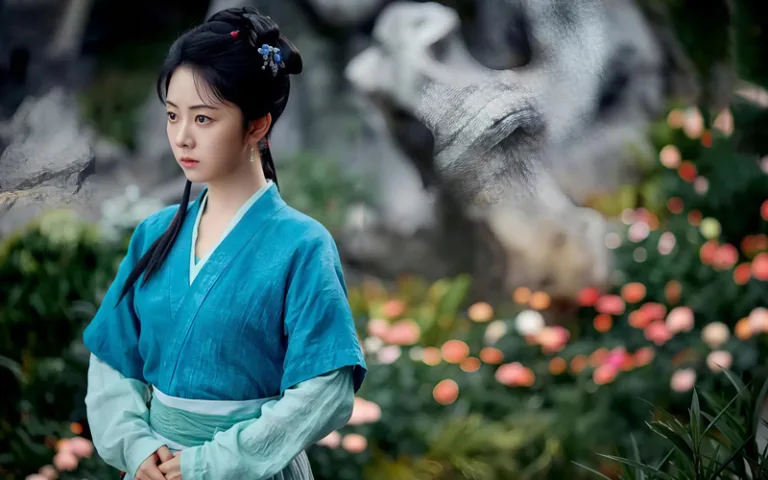
Hanfu is the traditional clothing of China’s Han people, worn from the Han to Ming dynasties. We cover its styles, history and how to wear it, and everything in the shop follows from that research.
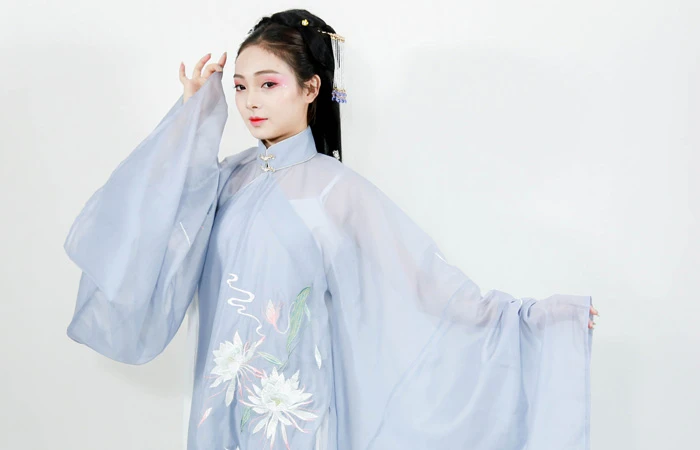
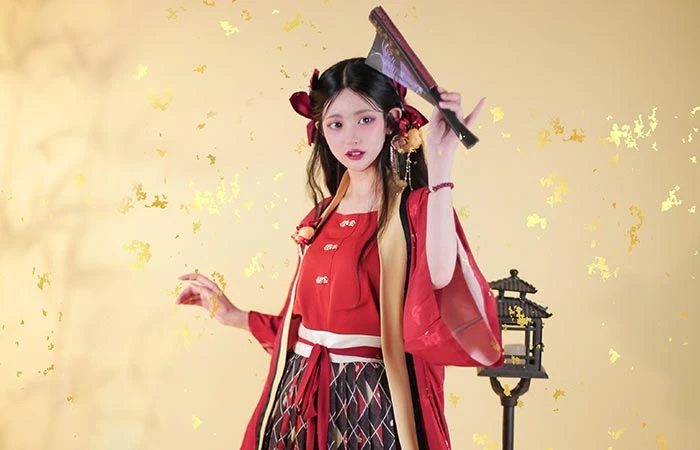
Discover authentic hanfu clothing for your holiday!





Breaking News
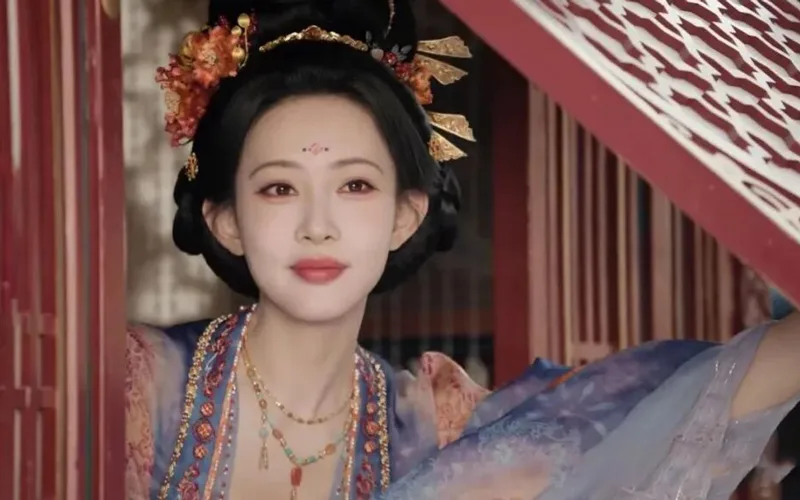
Why Yan Shang Rescues Mu Wanyao in Tigers Sniff the Rose?
Watching Meng Ziyi (孟子义) in the first five episodes of Tigers Sniff the Rose (尚公主) is a curious experience. The drama moves quickly, yet the romance feels almost too quick to trust. Tigers Sniff the Rose’s mood shifts without warning, and Yan Shang’s (言尚) kindness looks warmer than it really is. At first, he seems […]
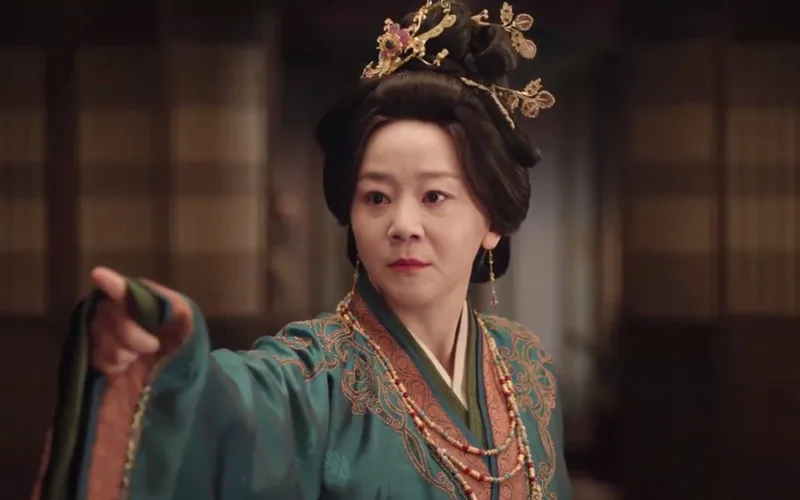
Who Was Guo Yufeng Hunting in Where the Mask Ends?
Everyone in Wei Manor thought they understood the danger. They watched Guo Yufeng (郭虞凤) circle Wei Rao (魏娆) and Jun Dai (君黛), and they assumed the older woman wanted one of the girls dead. They were wrong. In Where the Mask Ends, the real prey is Li Zhaoyi (丽昭仪), Wei Rao’s birth mother. Guo waits […]
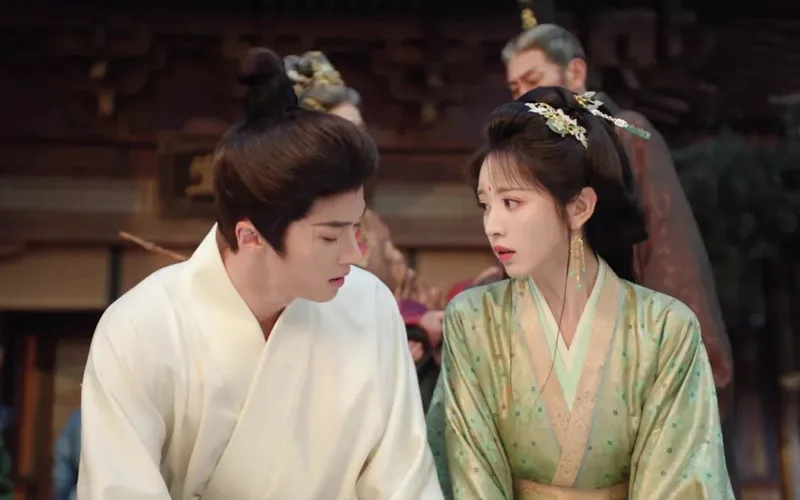
Where the Mask Ends: Why Wei Rao Begs for Separation
On October 24, episode 17 of Where the Mask Ends (嫁金钗) turned a quiet marital quarrel into a public puzzle. Wei Rao asks Lu Zhuo (陆濯) for a He Li (和离), a mutual separation. Viewers split fast: some say she finally sees clearly; others say she is ruining a good thing. Her stated reasons sound […]
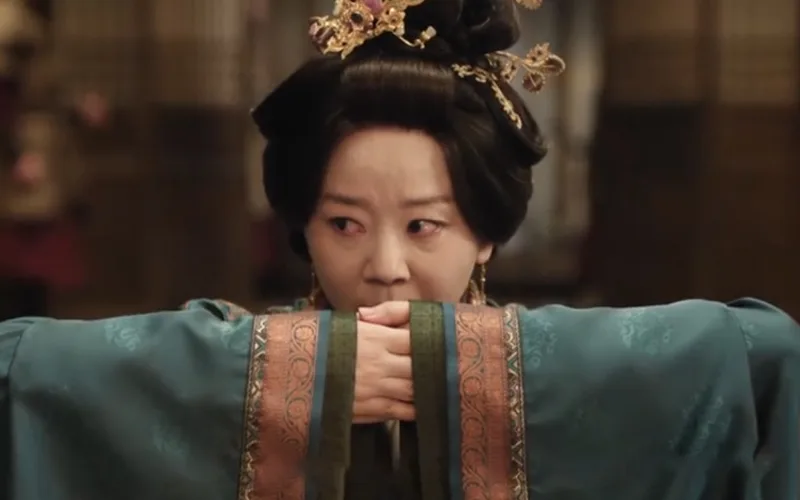
Where the Mask Ends: Uncovering the Swapped‑Daughter Secret
Episode 16 of Where the Mask Ends (嫁金钗) lands like a noisy courtroom with silk sleeves. A longevity lock sits on a table, yet one mother still refuses to see the obvious. The hour keeps asking who owns the truth when family pride is louder than evidence. Zhou Fu (周芙), also known as Li Zhaoyi […]
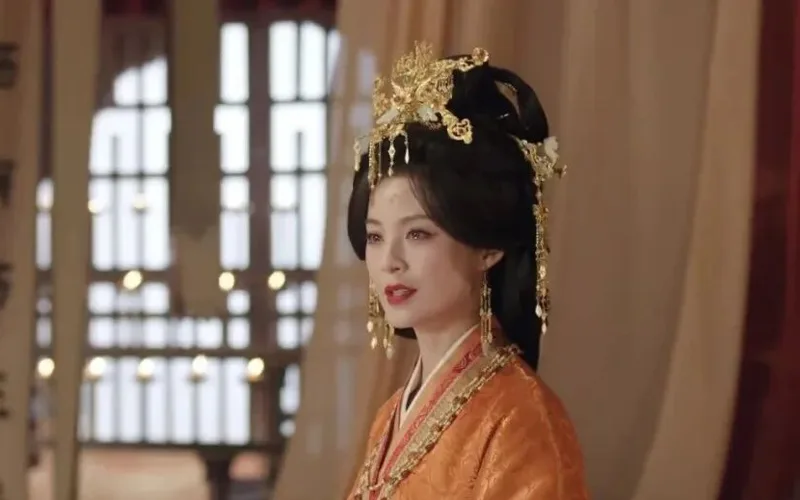
Where the Mask Ends: Guo Yufeng’s Wound of Unfinished Love
In ancient China, a broken engagement can curdle into lifelong obsession. Where the Mask Ends (嫁金钗) looks like a simple revenge story. Guo Yufeng (郭虞凤) looks like a villain with a simple motive: hatred for Zhou Fu (周芙). Yet her final confession points elsewhere. She admits she wanted to hurt Jun Dai (君黛), not Wei […]
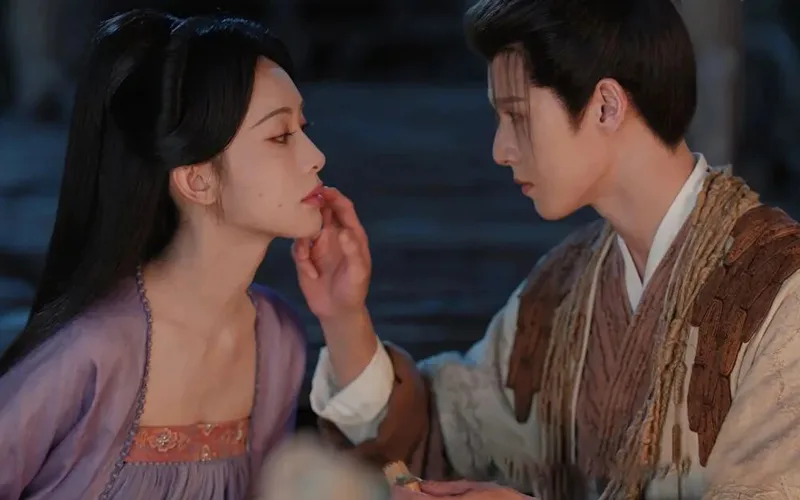
Tigers Sniff the Rose: Yan Shang’s Quiet Lessons of Survival
Six episodes in, Tigers Sniff the Rose (尚公主) does not rush. Its court schemes move in polite circles; Mu Wanyao (暮晚摇) and Yan Shang (言尚) circle each other with careful glances. Yet the pull is quieter. It sits in a shabby courtyard, a bowl of herb paste, a sister who knows which leaf soothes a […]
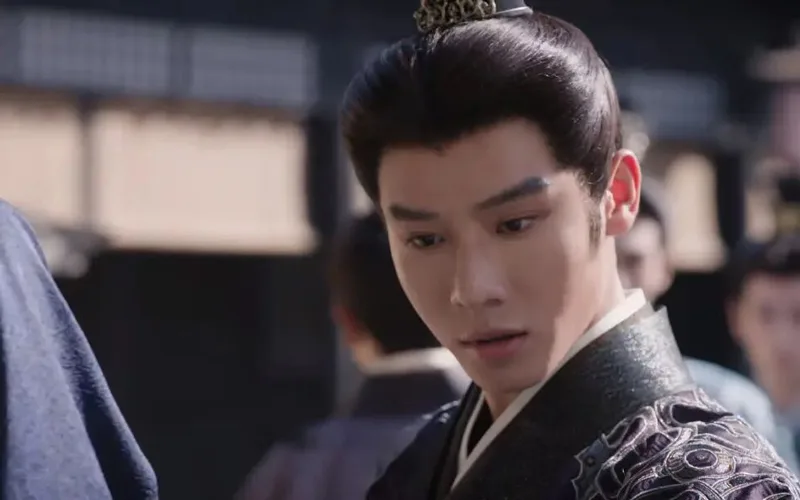
Does Hongxian Win Ancient Capital in Where the Mask Ends?
Viewers often hand the victory crown to Wei Rao (魏娆). She was lost at two, later restored to a powerful family, loved by her husband and his mother, backed by an emperor’s wet nurse and a favorite consort, and finally honored as Wu’an Wengzhu (武安翁主). Her story looks like a perfect rise. Yet the quieter […]
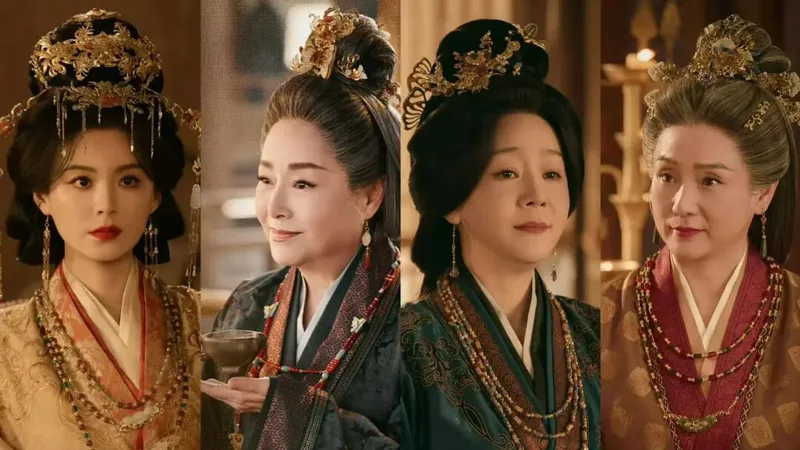
6 Ladies of the Inner Court in Where the Mask Ends
Viewers clicked on Where the Mask Ends (嫁金钗) for Tian Xiwei (田曦薇) and her wicked-woman turn. Then the camera moved into the ancient capital’s inner courtyards, and six older women quietly took over. They do not shout. They wait. A lifted eyebrow, a paused teacup, a soft order: each gesture redraws the family map. The […]
Hanfu Guide
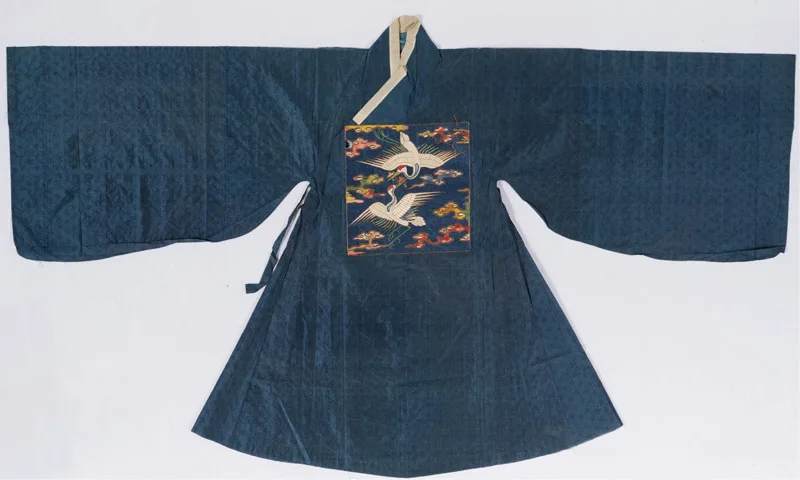
Mandarin Square: A Bird on the Chest Set Ming Rank
A mandarin square is a rectangular patch of woven or embroidered silk, made on its own and then sewn to the centre of an official’s chest and back. That last detail is the one most often lost. The bird or beast is not printed onto the robe and not worked directly into the garment’s ground […]
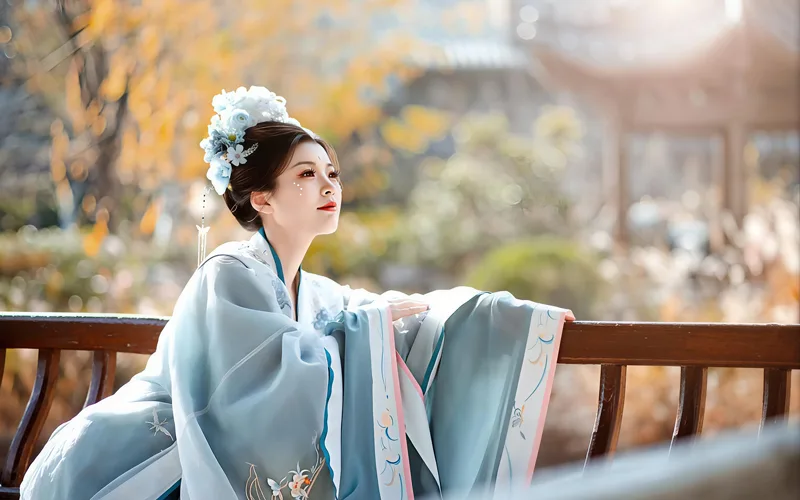
Picking Your First‑Ever Hanfu
Hanfu is not a costume from one ancient dynasty. It is a broad clothing tradition worn by Chinese people across many periods, with many cuts and moods. Some pieces feel grand; others look quiet. You do not need a rulebook before you try it. Modern wearers mix full sets with everyday clothes. A long skirt […]
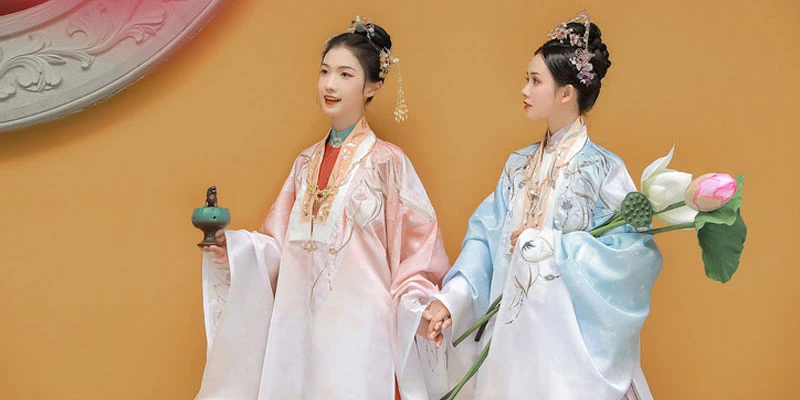
A Quick Guide to the Chinese Hanfu Clothing
Hanfu (汉服, hàn fú), a classic style of Chinese traditional clothing, the full name of which is “traditional costume of Han nationality”. It is also known as Han Yiguan(汉衣冠), Han Zhuang (汉装), and Huafu (华服), which was formed from the reign of the Yellow Emperor to the middle of the 17th century (late Ming and […]
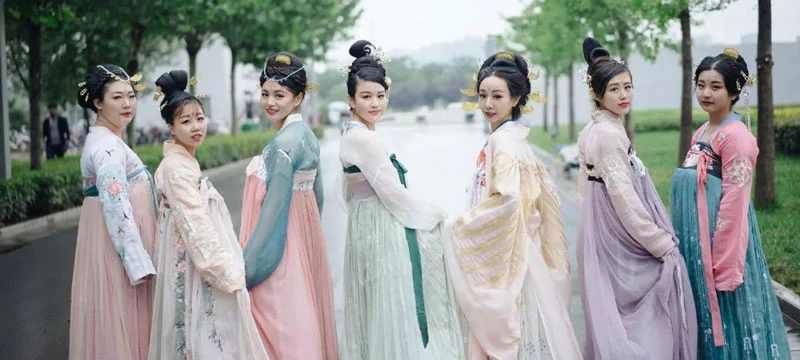
5 Major Types of Traditional Chinese Clothing
The story of ethnic clothing is one of the most fascinating developments in human history. Traditional Chinese Clothing has a long history and cultural content, and it is an important part of Chinese excellent cultural heritage, so It has particular researching value. Every nation in the world has its unique traditional clothing. The particular histories and […]
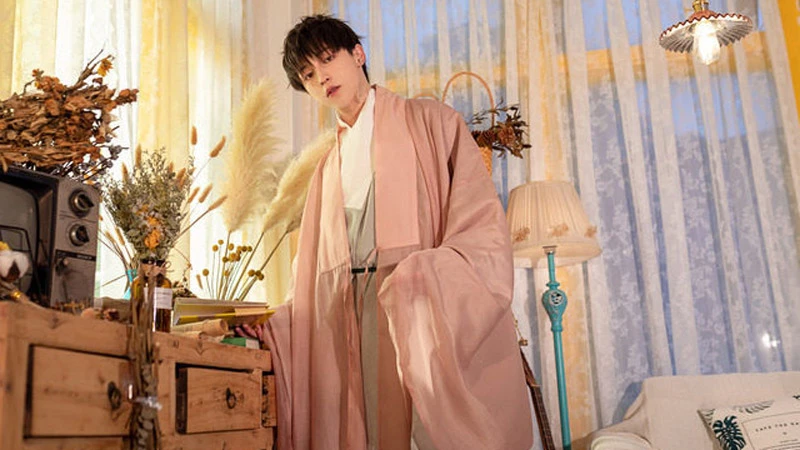
Why the Ming Daopao Kept Its Hidden Flap Out of Sight
No robe appeared more often in a Ming dynasty man’s wardrobe than the Daopao. From the emperor down to scholars and ordinary townsmen, almost everyone wore one as everyday dress. It was neither a ceremonial garment nor a robe reserved for the literati: it took the form of a one-piece long coat with a right-lapel […]
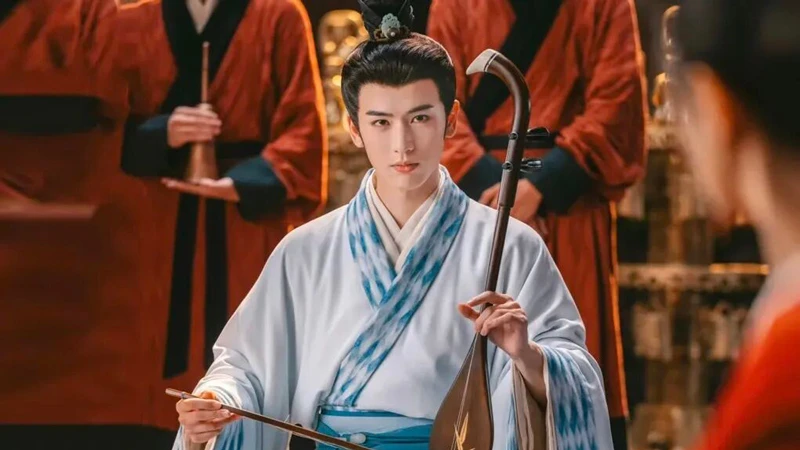
Zhang Linghe’s Belt Hook in The Princess Royal?
In The Princess Royal, Zhang Linghe (张凌赫) wears robes that should keep attention on his face. Instead, viewers zoom in on his waist. The scene is not about a slim figure. A small hook on his belt does the work. That hook is a belt hook an ancient fastener that once held robes and leather […]
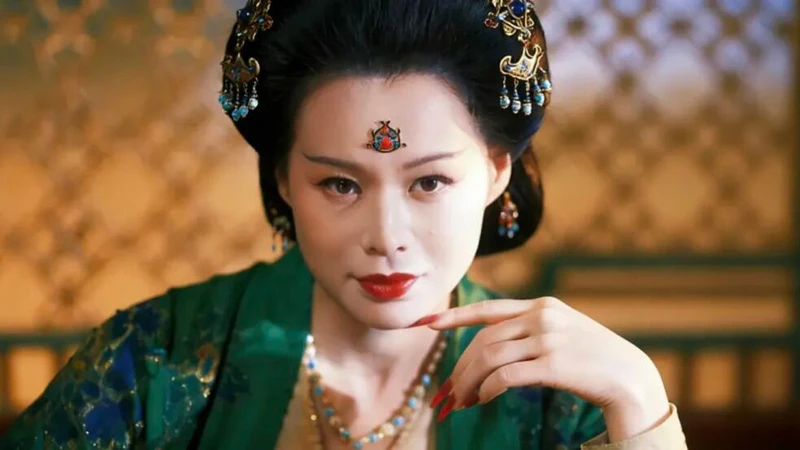
Myolie Wu’s Tang Look in Shang Gongzhu Stuns
When Myolie Wu entered mainland entertainment, viewers thought they knew her screen image. Then photos from Shang Gongzhu (尚公主) appeared online. She plays an elder princess in a Tang Dynasty (唐朝) court setting, and the first glimpse made fans blink. Is that really her? The surprise comes from more than a new role. Her hair, […]
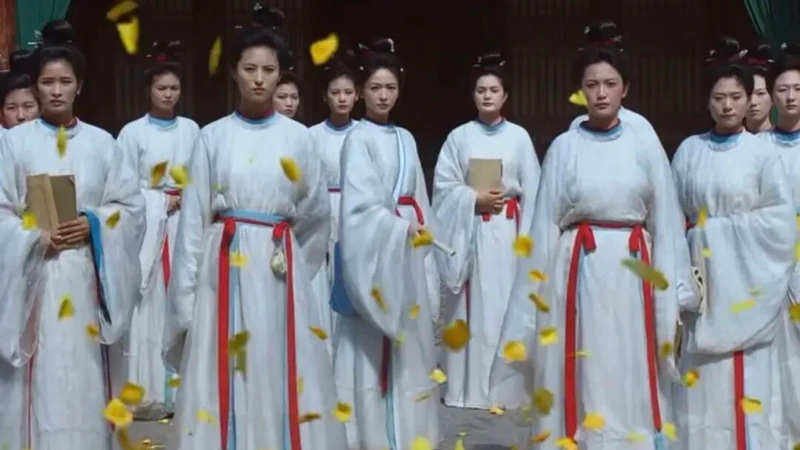
Did Royal Betrothal et Ancient Uniforms Right?
A strange thing happened this school year: Shenzhen (深圳) school uniforms became an online fashion topic. At the same time, viewers of Royal Betrothal (御廷谣) noticed Wu Jinyan (吴谨言) in a girls’ academy outfit. The robe looked clean, elegant, and oddly modern. It made people ask: did ancient Chinese students have uniforms too? The short […]
Mamianqun
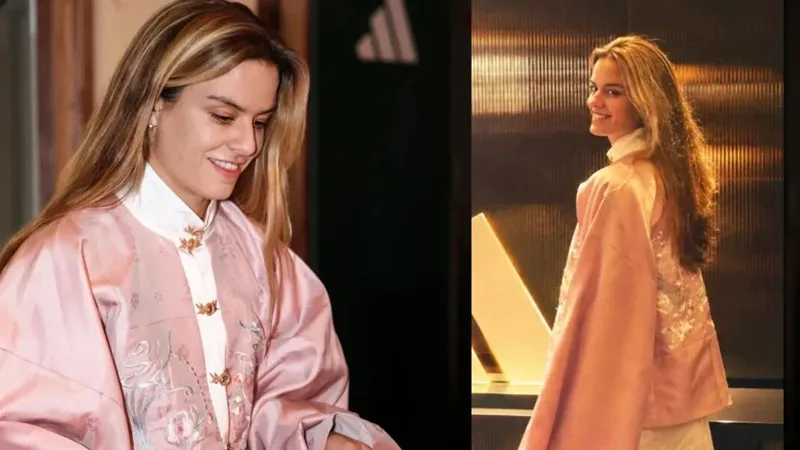
Why Did Maria Sakkari’s Hanfu Look Go Viral?
When Greek tennis star Maria Sakkari shared photos of herself wearing Hanfu, few fans expected the reaction. Known for power serves and fierce court energy, she usually appears in sportswear or sleek European evening looks. This time, she wore a Ming Dynasty style outfit: a standing-collar, front-buttoned jacket with a horse-face skirt. No dramatic filters, […]
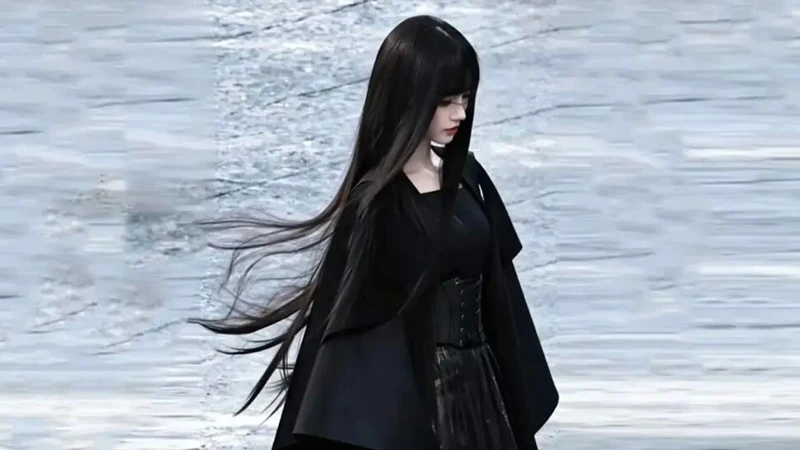
Who Let Ju Jingyi Wear the Horse-Face Skirt Like That?
When the latest set photos from Ju Jingyi’s new drama Wanhua Shijie (万花世界) hit the internet, the initial shock wasn’t about her character, Su Lüxia (苏绿夏), but the costume itself. The styling team took the boldest possible route, stripping the traditional Mamian Qun (马面裙), or horse-face skirt, of its historical context and rebooting it as […]
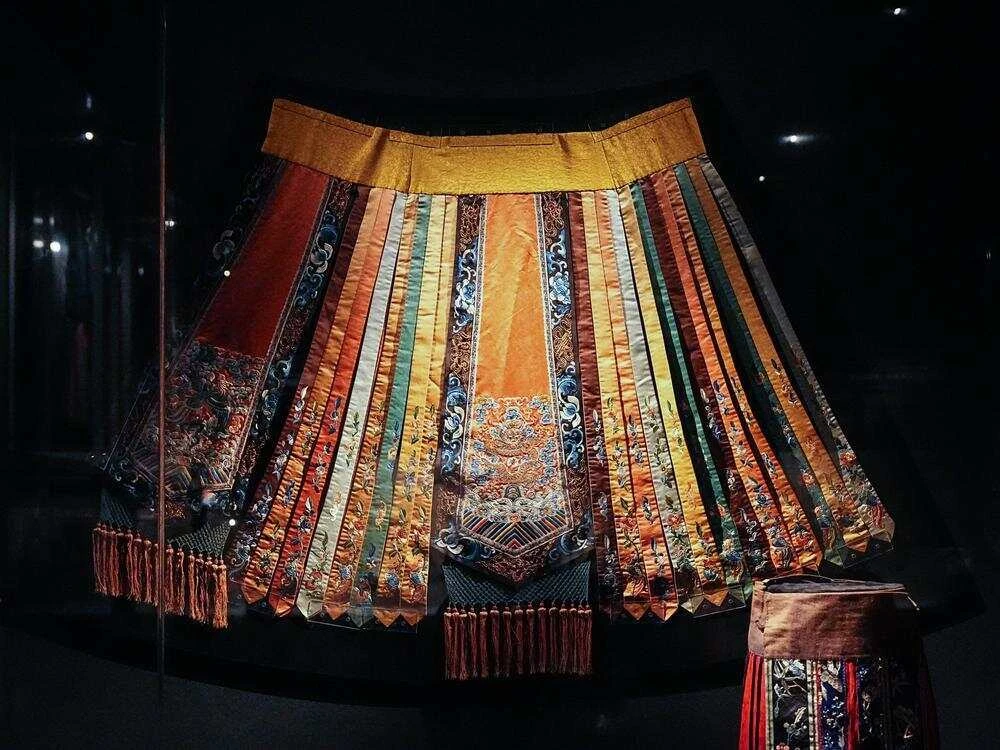
Guangzhou Mamianqun Art Museum Opens with 1,000-Plus Artifacts
The Linqi Mamianqun Intangible Cultural Heritage Art Museum opened on July 24 in Guangzhou’s Haizhu Creative Park, in the Haizhu District. Housed in a 3,000-square-meter space, the museum displays more than 1,000 antique pieces and over 300 Mamianqun (马面裙) skirts from founder Lin Qi’s personal collection, spanning the Ming and Qing dynasties through the Republican […]
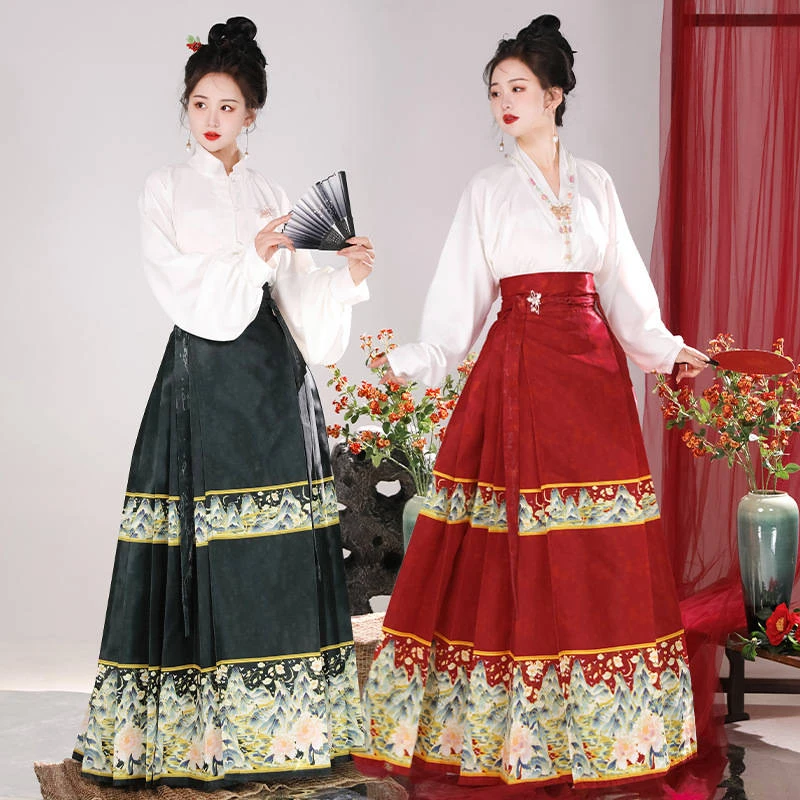
Caoxian Mamianqun Exports Jump 10x: 13 Billion Yuan
“Overseas orders for Mamianqun at the start of this year were about ten times what they were in the same period last year!” Hou Guodong, head of Shandong Caoxian Shengming Garments Co., told Xinhua in a report filed from Jinan and Nairobi on March 16. His company’s trajectory mirrors the broader boom in Chinese Mamianqun […]
Hanfu Market Sales Surge 455%: Gen Z Drives Mamianqun Boom
In July 2026, industry analysis data released by the Chinese shopping platform Smzdm revealed explosive growth in the Hanfu market. During the first quarter of 2026, women’s Hanfu transaction volume soared 455% year-on-year, far outpacing other apparel categories. The dual engine of Gen Z’s cultural confidence and aesthetic spending is transforming Hanfu from a niche […]
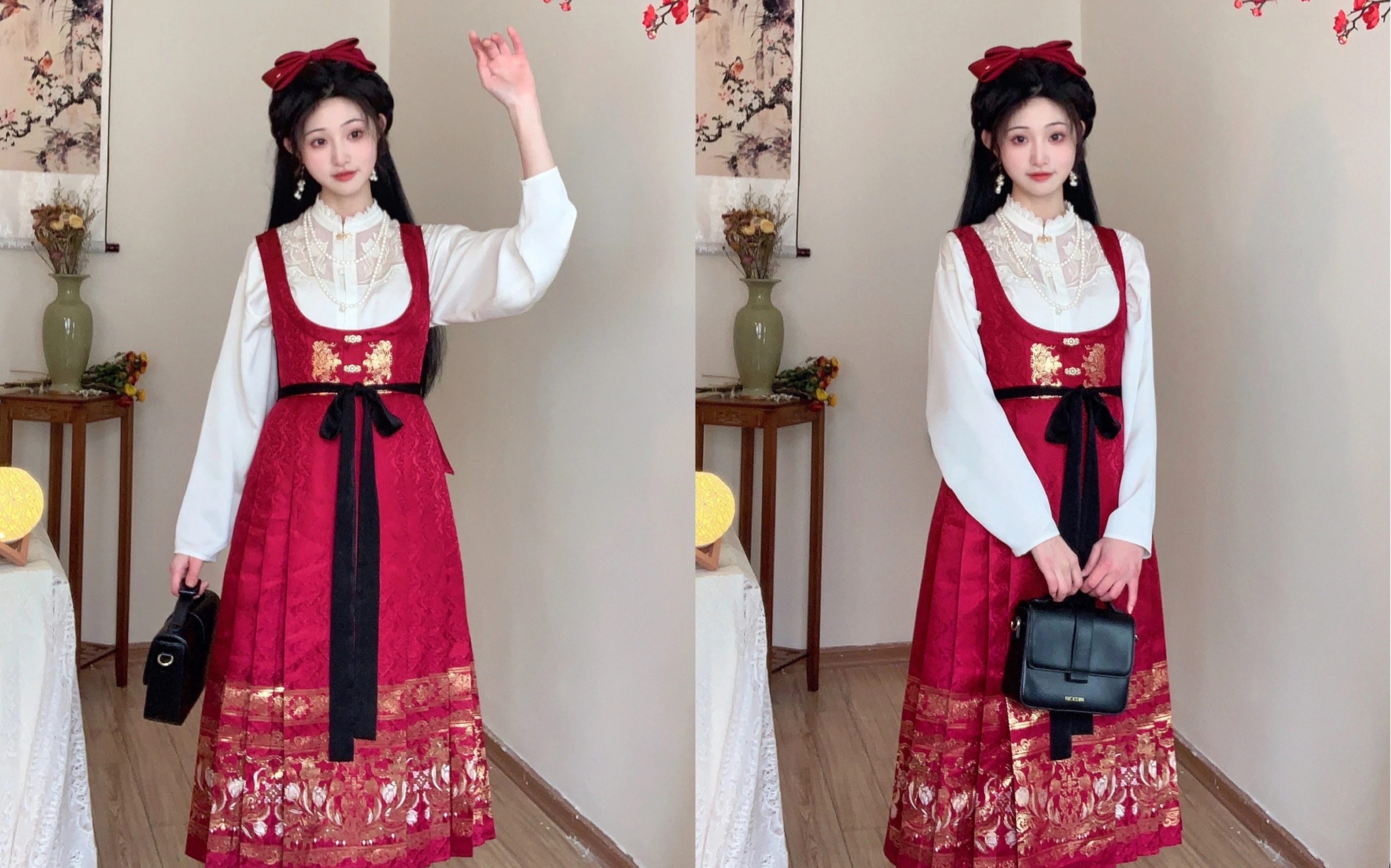
Mamianqun Styling: Guide to Wearing This Hanfu Skirt Daily
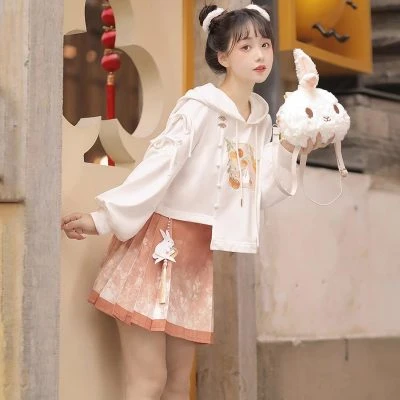
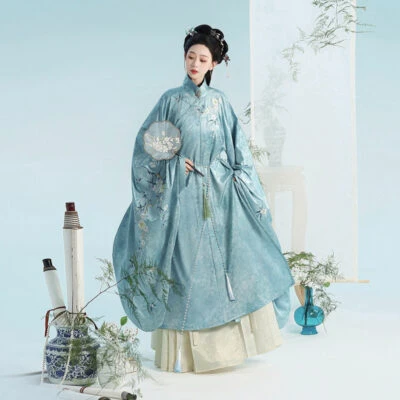
The Mamianqun — a pleated skirt with flat front and back panels that originated in Ming-dynasty Chinese dress — has become the defining womenswear piece of the Neo-Chinese fashion movement. What was once confined to ceremonial settings is now a daily wardrobe staple for a generation that values visual identity as much as comfort. By […]
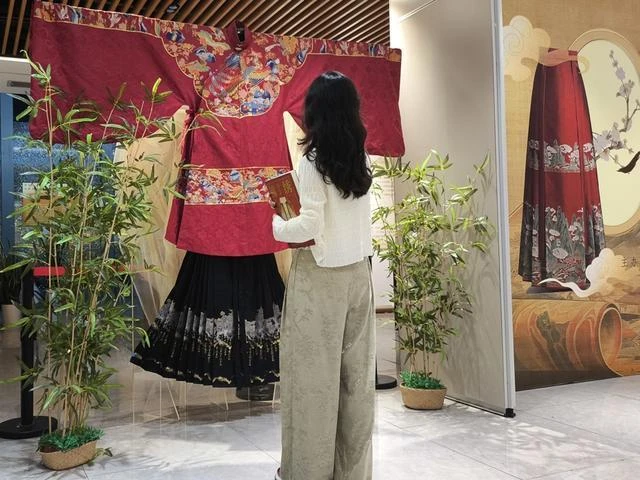
Yangpu Library Hosts Chinese Mamianqun Exhibition in Shanghai
On June 26, 2026, the “Elegant Rhythm — Traditional Chinese Mamianqun Art Exhibition” opened at the Pingjiang branch of the Yangpu Library in Shanghai, blending book culture with traditional costume display. Curated jointly by the Yangpu District Library, the Shanghai Textile Museum, and the Nanjing Yunjin Museum, the exhibition treats the mamianqun, a pleated skirt […]
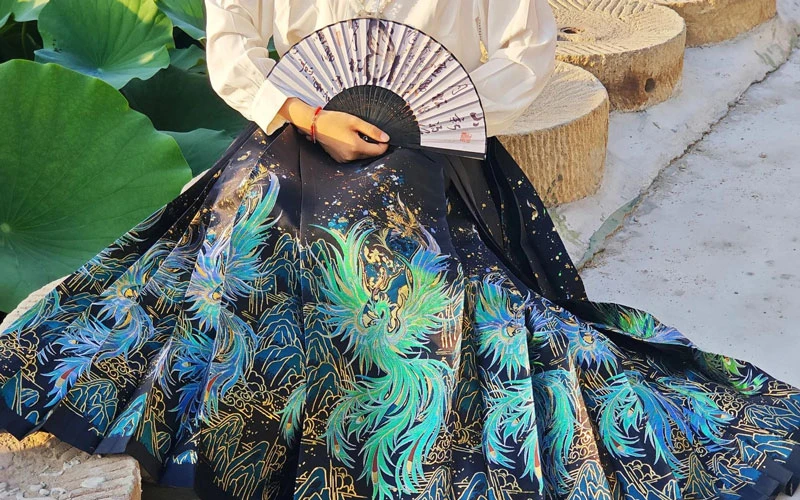
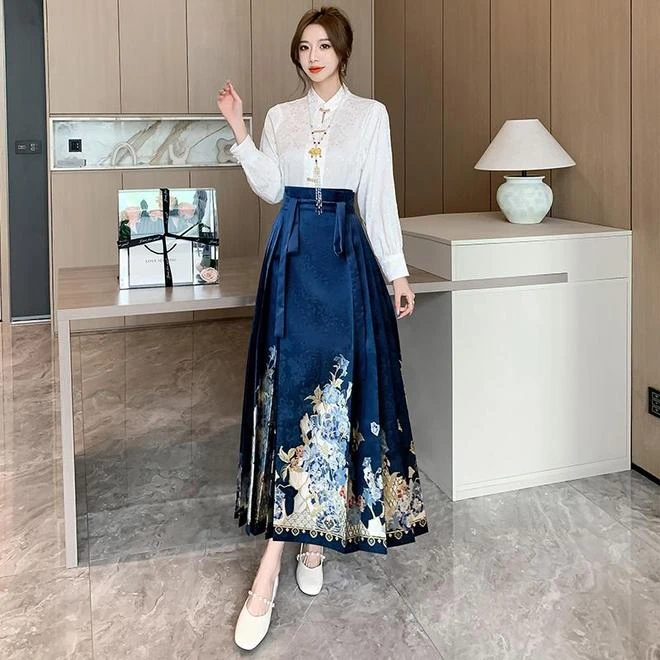
How to Choose the Right Mamianqun for Your Body Type
The mamianqun, or horse face skirt, has emerged as one of the most popular styles of Ming Dynasty hanfu among contemporary enthusiasts. This distinctive pleated skirt, characterized by its unique construction with smooth front and back panels and pleated sides, offers remarkable versatility for wearers of all body types. Understanding how to select the right […]

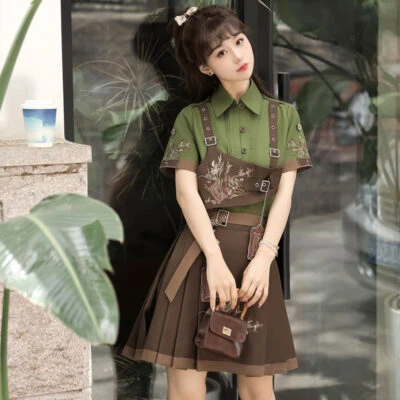
Events
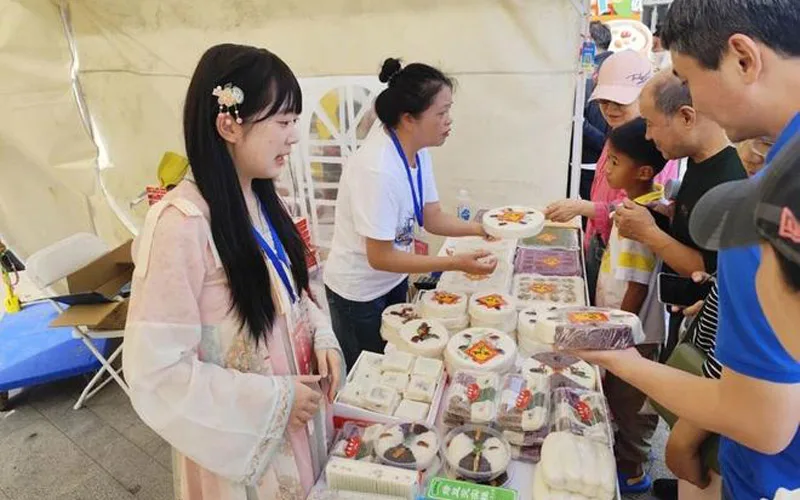
Barrel-Steamed Cakes Sell Out Daily at Zhuanqiao Fair
Steam does something to rice that no oven imitates. At the Zhuanqiao cake fair in Shanghai’s Minhang district, the smell inside the marquee is wet fir and hot sugar, and the queue for it forms at eight in the morning. The event, an annual Double Ninth folk-culture programme, ran from 16 to 18 October at […]
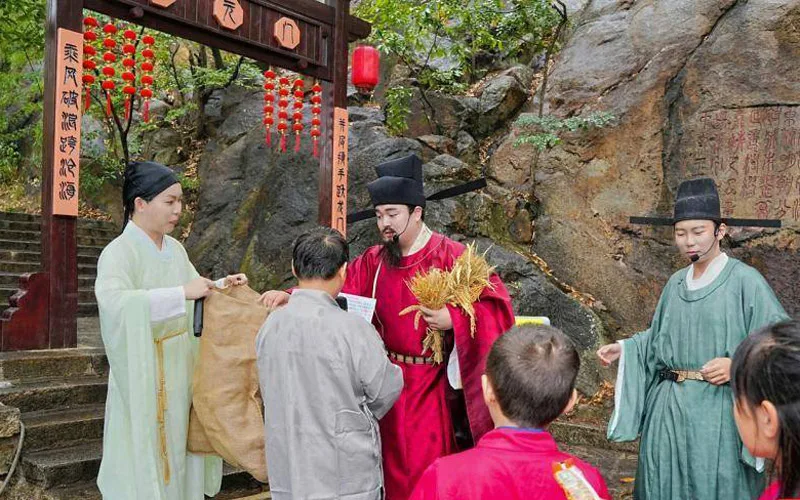
Lianyungang Chrysanthemum Show Adds a Hanfu Contest
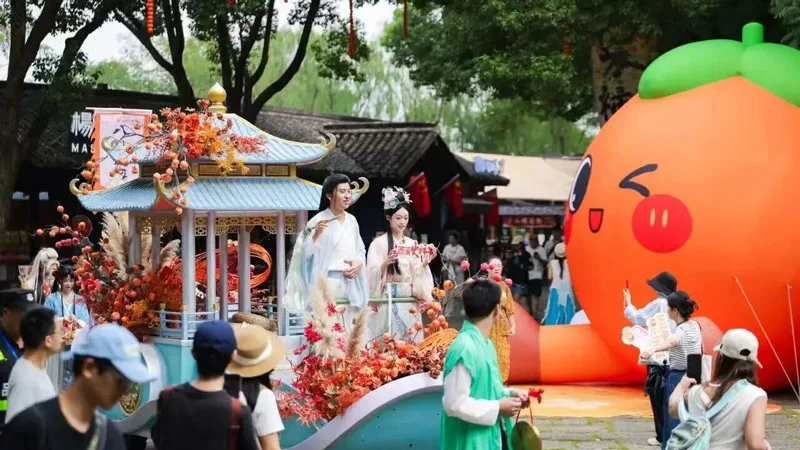
The third chrysanthemum show at Kongwang Hill in Lianyungang opened on October 17 and runs to November 15, combining flower displays with performances, craft challenges and an evening light programme. Nearly 400 varieties and more than 20,000 pots are set out along the hill paths and around the site’s carved stones. Weekend crowds arrived early, […]
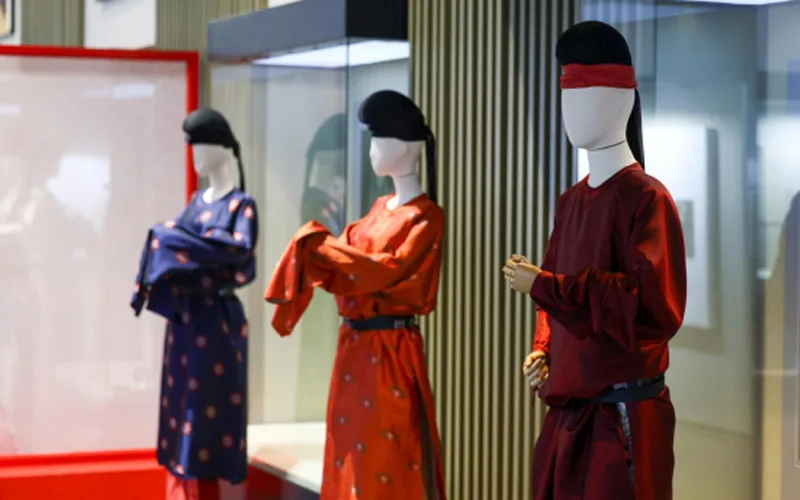
Twelve Bohai Robes From a Tomb Mural Reach Nanchang
Twelve sets of reconstructed clothing went on display at the Jiangxi Institute of Fashion Technology’s costume museum on October 12, the second stop for a project that began in Yanbian. The exhibition, “Liuhe Tongfeng: Reconstructed Dress from the Tomb Mural of Princess Zhenxiao of Balhae (渤海国)”, is funded for 2026 by the China National Arts […]
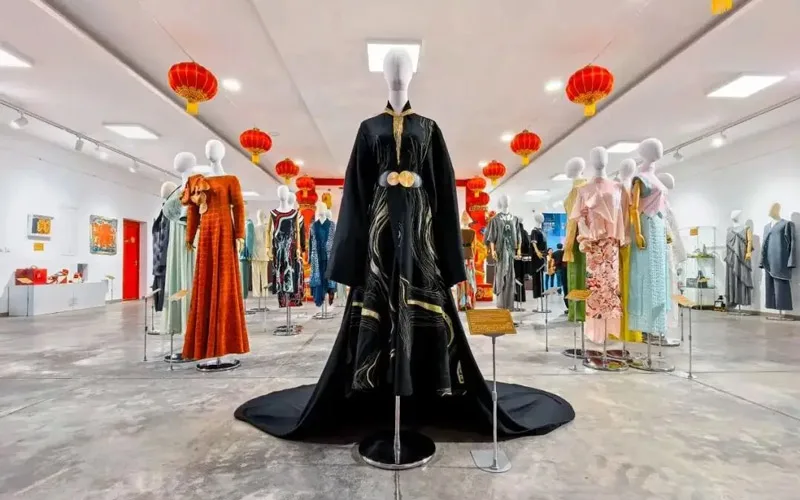
Chinese Dress Heritage Show Opens on Réunion Island
A touring exhibition of Chinese dress opened on October 2 at the Lantern Culture Hall on Réunion Island, the French overseas department in the Indian Ocean. The show is the third stop for the project, which began in Sweden and then in the Netherlands, and the first time it has reached France. More than two […]
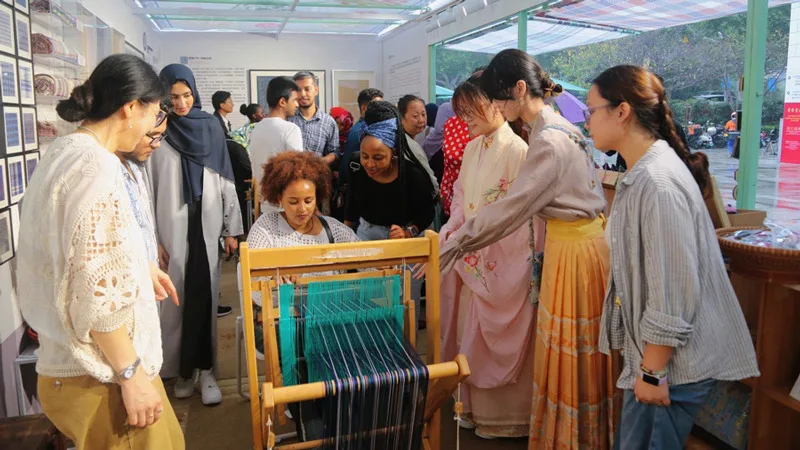
In Shanghai, Songjiang Cloth Show Moves Looms Outdoors
For a week straddling the National Day holiday, one of Shanghai’s oldest industries left its display case. On September 30 the Songjiang cultural activity center, which also runs the district’s intangible heritage protection office, opened a pop-up exhibition on Songjiang cloth in the open space by its west gate. The show, titled Yunjian Zhiyu (云间织屿), […]
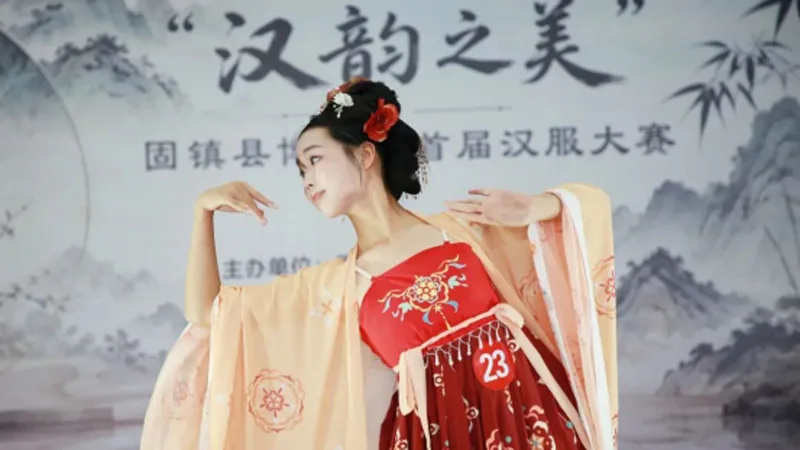
Guzhen County Museum Hosts Its First Hanfu Contest
On October 3 the museum in Guzhen county, Anhui, handed its main hall to its first Hanfu contest. The county’s culture, tourism and sports bureau sponsored the event, with the museum and the county cultural center running it, and the programme was built to put the garment at the centre of a public holiday: Hanfu […]
Guo Pei Show Lands 200 Works at China Silk Museum
Through the National Day holiday, the fashion hall of the China National Silk Museum in Hangzhou drew a steady line of visitors stopping to photograph themselves beside the displays. The draw was Lingjing Garden (灵境花园), an exhibition of couture by Guo Pei built around more than 200 pieces chosen from four decades of her work. […]
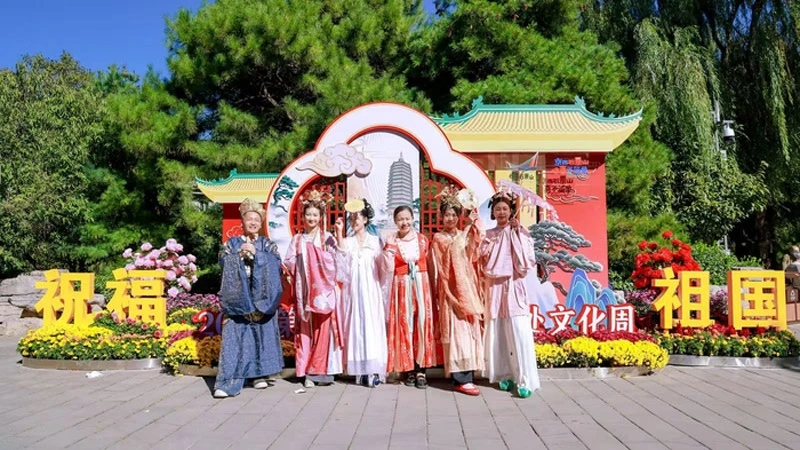
Seventy Shows Fill a Week at Badachu Park in Beijing
Over the seven days of National Day, Badachu Park in Beijing’s Western Hills packed 70 events into a single week. The 13th Badachu Culture Week ran from October 1 to 7, built around two threads the organisers named red heritage and Chinese-style revival, and stitched together red-culture experiences, roaming flash shows, Han-Tang-style parades and hands-on […]
Newhanfu Sale
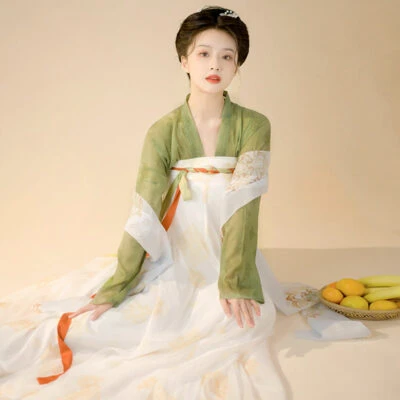
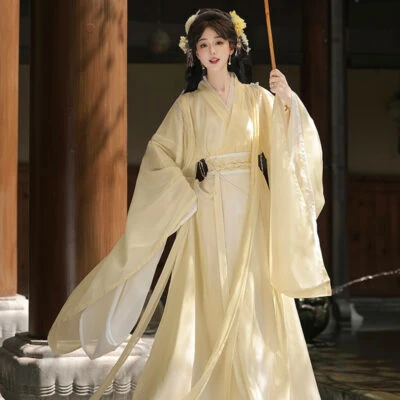

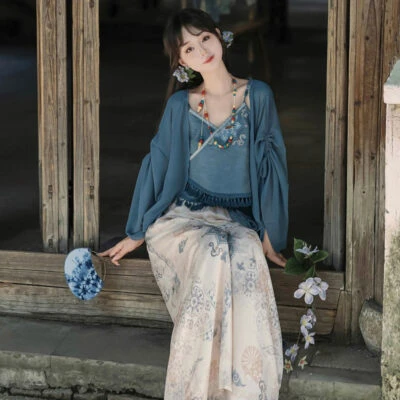
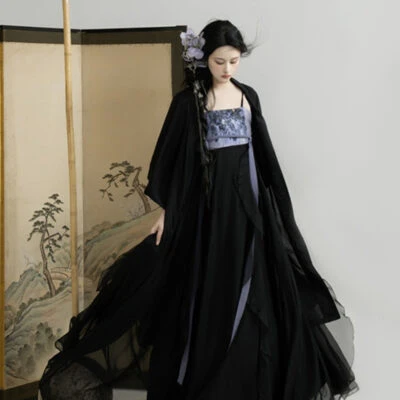


Chinese Clothing: Where Hanfu Fits
Chinese clothing spans far more than hanfu: the qipao, the Tang suit and the Zhongshan suit all belong to it, each tied to a different era. Hanfu itself is the Han people’s own dress, worn from the Han to the Ming dynasty.

Size Guide Available
Compare your measurements with our size chart, check model fit notes, and choose custom sizing on selected styles.

Trusted by Hanfu Lovers
From first-time wearers to longtime collectors, our pieces are worn at festivals, weddings, photoshoots, and everyday moments around the world.

Tracked Shipping
Once your order leaves our warehouse, you’ll receive a tracking link by email so you can follow it from dispatch to delivery.


Hanfu FAQ: What It Is, Who Wears It, What It Costs
1. What is the difference between hanfu and qipao?
Qipao, also called cheongsam, is a fitted one-piece dress developed in 1920s Shanghai out of Manchu banner robes. Hanfu is the older Han Chinese dress system, worn from the Han dynasty to the Ming, built on a crossed collar with the right lapel tucked inward and closed with ties rather than buttons.
2. Is hanfu the same as kimono or hanbok?
No. Kimono developed in Japan and hanbok on the Korean peninsula, each with its own cut and construction. Hanfu’s identifying detail is the crossed collar with the right lapel tucked inward, plus a waist seam that lets the garment fall in layers; it is tied with a sash and cords rather than belted tight or buttoned.
3. When did Chinese people stop wearing hanfu?
In 1645 the newly established Qing dynasty ordered Han men to adopt Manchu hair and dress, and hanfu stopped being everyday wear. It did not vanish as a garment: religious robes, women’s dress and opera costume kept the cut alive until the twentieth century.
4. Why do hanfu have such long sleeves?
Sleeve width marked rank and occasion rather than practicality. Court and ritual robes used broad sleeves (daxiu) that could hang below the knee, while working garments used narrow ones. Modern hanfu follows the ceremonial cut because that is the version people recognise.
5. Can foreigners wear hanfu?
Yes, and it is common at festivals across China. What the community generally asks is that the form be named correctly and the piece bought from makers working inside the tradition. Wearing it is not treated as a claim to Chinese identity.
6. Is hanfu cosplay?
No. Cosplay reproduces a specific fictional character; hanfu reproduces a historical dress system, and its wearers usually care about period accuracy. The two overlap at events, which is where the confusion starts.
7. How can you tell real hanfu from a costume?
Check three things: the collar crosses with the right lapel tucked inward, the garment fastens with ties rather than a zip or frog buttons, and the layers follow a named form such as ruqun or aoqun. A traditional dress with a side zip and a decorative knot is usually a modern stage or party costume.
8. How much does a hanfu cost?
Price follows fabric and embroidery hours more than form. The same mamianqun can be a few dozen dollars in machine-embroidered polyester or several hundred in hand-embroidered silk, which is why two listings that look identical can differ tenfold.
9. How do I choose my size?
Hanfu is layered and tied rather than fitted, so sizing differs from Western sizing. Measure bust, waist and height, then size up if you fall between two sizes — a looser layer reads better than a tight one. Our size chart lists both body and garment measurements.