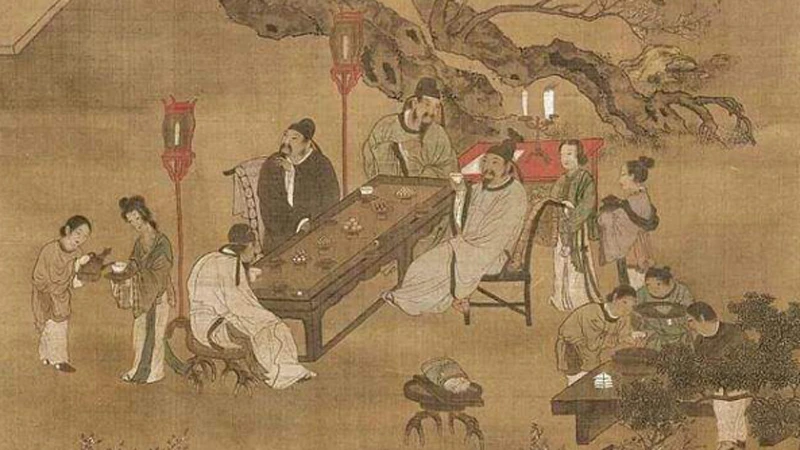
Ever wondered if your dinner seat could get you killed? In ancient China, it could. Before smartphones and food pics, the dining table was a minefield of status, power, and silent death sentences. One wrong move with your chopsticks, one careless slurp, and you might never be invited back—or worse, lose your head. This isn’t a drama script. It’s just dinner at Hong Men (鸿门), 206 BCE.
Seating = Life
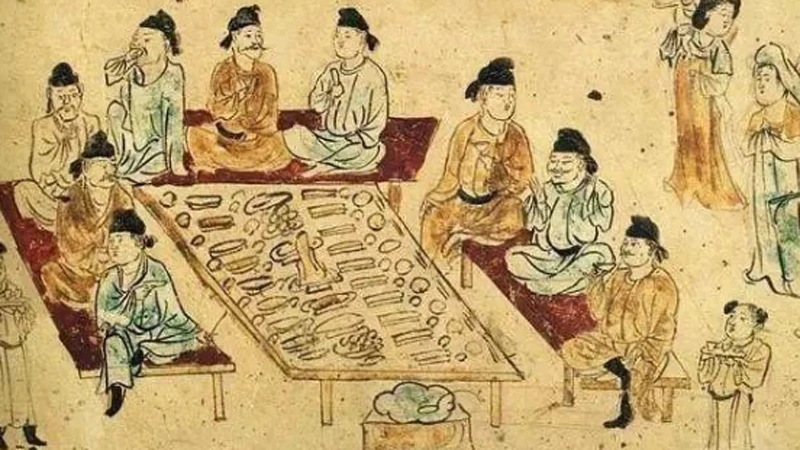
At the famous Hong Men Banquet, Xiang Yu (项羽) sat facing east. That was the most honored spot. Liu Bang (刘邦), his rival, had to face north—a lower rank. He didn’t argue. He couldn’t. Wrong seat meant disrespect.
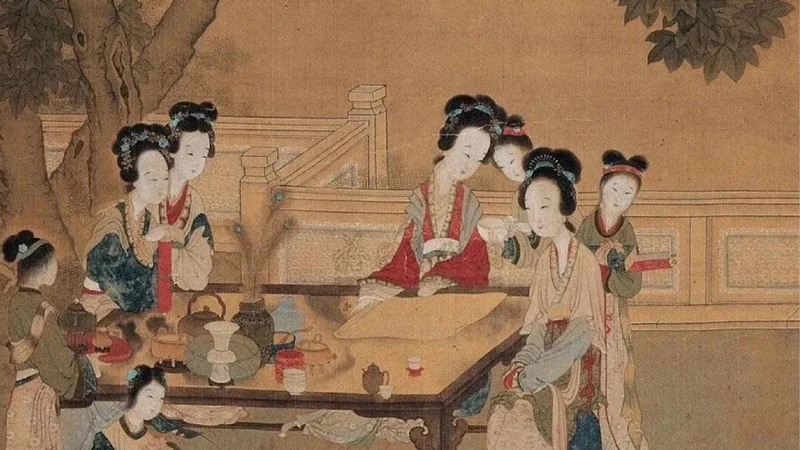
Why so serious? Because in ancient China, seating order mirrored the cosmos. The host took the east or faced the door. Guests followed strict hierarchy. Sit where you don’t belong, and you insult everyone at the table.
From the Zhou dynasty (周朝) to the Qing dynasty (清朝), this rule never changed. Today we fight over who pays the bill. Back then, you fought over who faced the sunrise.
Spoon Left, Chopstick Right
Your chopsticks belonged on the right. Your spoon stayed on the left. Never mix them. Never stick chopsticks upright into a bowl of rice—that’s how you offer food to the dead. Do that at a living person’s table, and watch their face turn cold.
Also, don’t tap your bowl with chopsticks. Only beggars did that in ancient streets. Tap once, and the host might think you’re calling him a charity case. In some eras, that tap could get you thrown out—or worse.
And don’t use chopsticks for soup or your spoon for solid food. Each tool had one job. Mixing them was for peasants who didn’t know better. The Book of Rites (礼记) called this basic decency.
Silence Your Bites
Confucius said “no talking while eating.” But he didn’t mean total silence. He meant no talking with food in your mouth. The Book of Rites explains: “Don’t gnaw bones noisily. Don’t slurp roasted meat.” In other words, chew with your mouth closed.
Even toothpicks had rules. If you needed to pick your teeth—and people did—you had to cover your mouth with your other hand. No one should see the action. The Book of Rites calls this “no showing your toothpick.” Imagine doing that today at a business lunch.
What about burping? Not mentioned, probably because it was unthinkable. Loud eating marked you as low-class. Three thousand years later, your mom still tells you the same thing. Some rules never die.
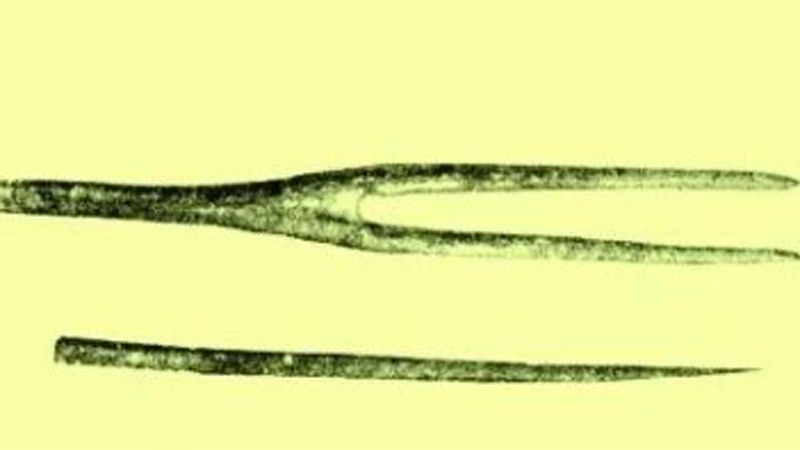
The Toasting Dance
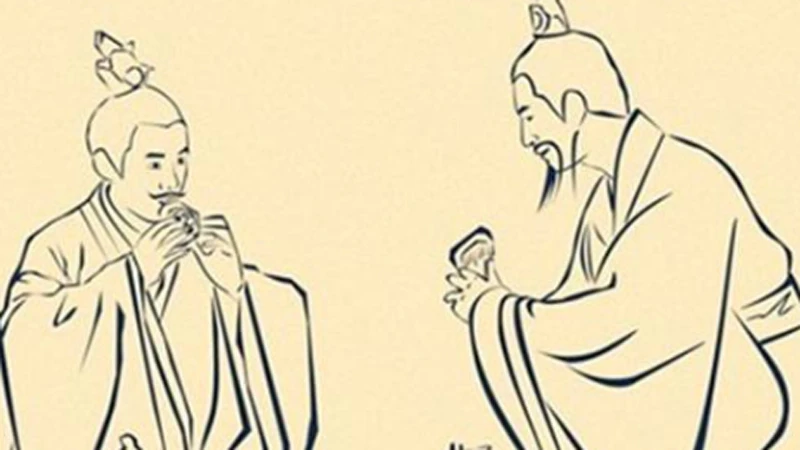
Toasting wasn’t just raising a cup. If you were younger or lower-ranked, you had to “leave your mat”—stand up, walk to the elder, and hold your cup with both hands. Then wait. The elder says “sit down.” Only then do you return to your seat.
And keep your cup lower than theirs. That part we still do. But ancient rules added: don’t stare. Looking directly at the elder while toasting was called “forcing your gaze,” a form of challenge. Keep your eyes down. Respect means submission.
Three cups maximum. First cup to heaven and earth. Second to the host. Third to everyone at the table. Pour a fourth, and you’re not toasting—you’re forcing drinks. That was rude then. Still is now.
Never Pack the Feast
Today we celebrate doggy bags. In ancient China, asking to take leftovers home was an insult. It meant the host didn’t provide enough food. Leftovers went to servants or got tossed. You ate what was in front of you, and you left the rest.
But one exception existed: funeral feasts. After a mourning meal, you had to finish everything or take it home. Leaving food behind at a funeral banquet meant keeping bad luck—”hui qi” (晦气)—in the host’s house. So you ate or packed. No middle ground.
Imagine explaining this to a modern waiter. “No box, please. I’m not trying to offend the chef.” Different times, same human anxiety about looking greedy.
Ancient Etiquette, Modern Manners
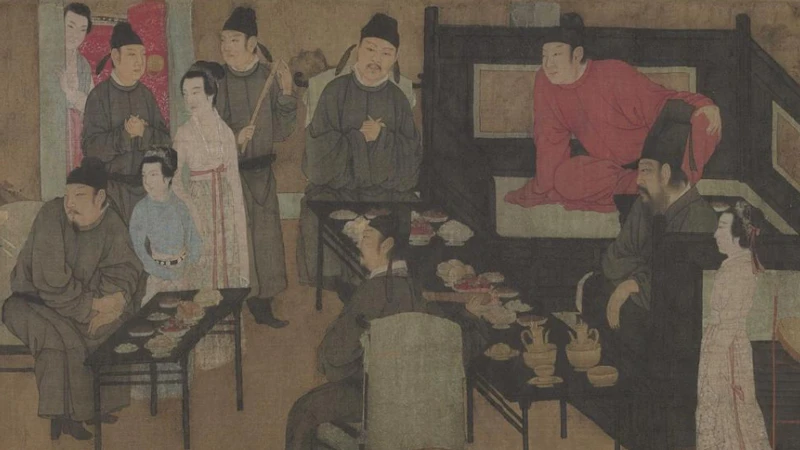
The Book of Rites’s Qu Li (曲礼) lists timeless gems: “Don’t knead rice into balls with your hands” (no eating with fingers). “Don’t put bitten food back into the pot” (no double-dipping). “Don’t tip your bowl and gulp soup” (no loud slurping). “Don’t smack your lips while eating”.
Three thousand years separate us from those diners. Yet their rules sound like what your grandmother still says. Why? Because eating together is about more than fuel. It’s about signaling, “I see you. I respect you. I won’t make you watch me chew like a farm animal.”
So next time you sit down for a meal—whether alone with takeout or at a fancy banquet—notice your own habits. No tapping bowls. No open-mouth chewing. No reaching across someone’s plate. These aren’t old-fashioned constraints. They’re the quiet language of human dignity. And that never goes out of style.