The Ordinary World (平凡的世界) is a phenomenon. It is a literary classic that has moved millions, a stage production that has toured over three hundred times, and the latest heralded work from the Shan Xi People's Art Theatre. But what happens when you strip away the grand reputation and place the artists themselves in a room with their audience?
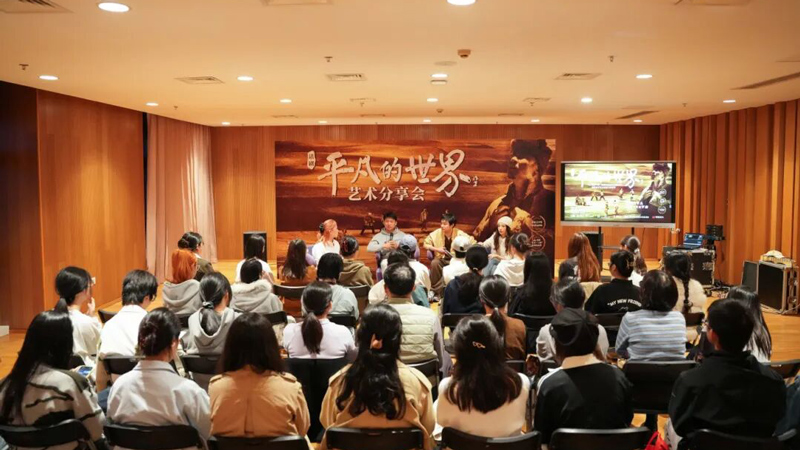
On a night in late March, in the city of Quanzhou, that is precisely what occurred. The result was less a formal lecture and more a spontaneous combustion of shared emotion, leaving one burning question: what makes a story from a distant loess plateau feel like it was written about your own life?
Performance Time:
Friday, March 27th, 2026 at 19:30
Venue:
Quanzhou Grand Theatre
More Than a Play: A Shared Experience
The event was an intimate gathering before the curtain rose. Three actors—Zhang Jin (张晋), who embodies Sun Shaoping (孙少平); Liu Liyouyou (刘李优优), who brings Tian Xiaoxia (田晓霞) to life; and Lin Kai (蔺凯), who portrays the devoted Li Xiangqian (李向前)—arrived not as distant stars but as fellow travelers. They sat down to discuss the monumental task of transforming a 1.2-million-word novel into a 165-minute theatrical journey. The conversation immediately dived into the craft behind it all. It wasn’t just about acting; it was about the sheer weight of responsibility.
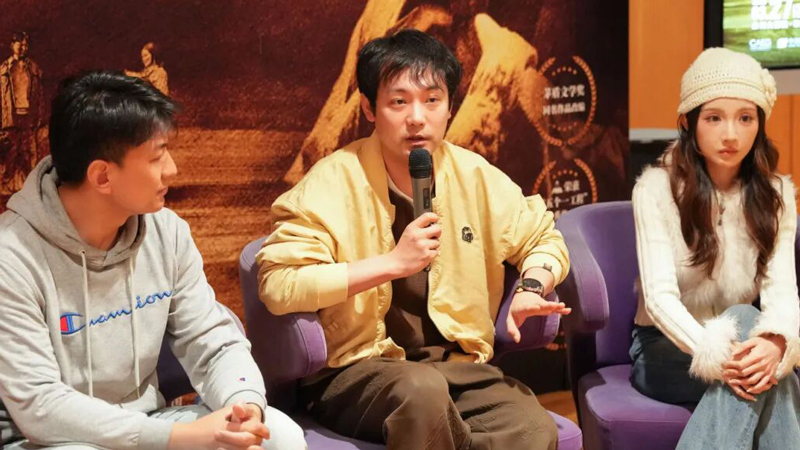
The Shan Xi People's Art Theatre doesn't simply perform this story; they live it. The actors spoke of the production’s philosophy: to root themselves in the very soil of northern Shan Xi. They spent time in rural villages, not observing from a distance, but immersing themselves in the rhythms of life, the dialect, the hardships, and the humor. This dedication, from the screenwriter’s seven drafts to the director’s innovative 360-degree rotating stage, built a foundation of authenticity that the audience could feel even in the retelling.
Forging the Characters
When the focus shifted to their individual roles, the actors' deep investment became palpable. They spoke not of playing characters, but of uncovering them. Zhang Jin described the process of finding Sun Shaoping’s inner flame—that relentless, restless spirit of a young man who refuses to be defined by his circumstances. It wasn't about performing ambition, but about embodying a quiet, stubborn refusal to accept a predetermined fate. For Liu Liyouyou, portraying Tian Xiaoxia required tapping into a rare kind of courage: a fearless, unapologetic pursuit of both love and ideals. She highlighted that Xiaoxia’s strength wasn’t loud; it was in her unwavering clarity of purpose.
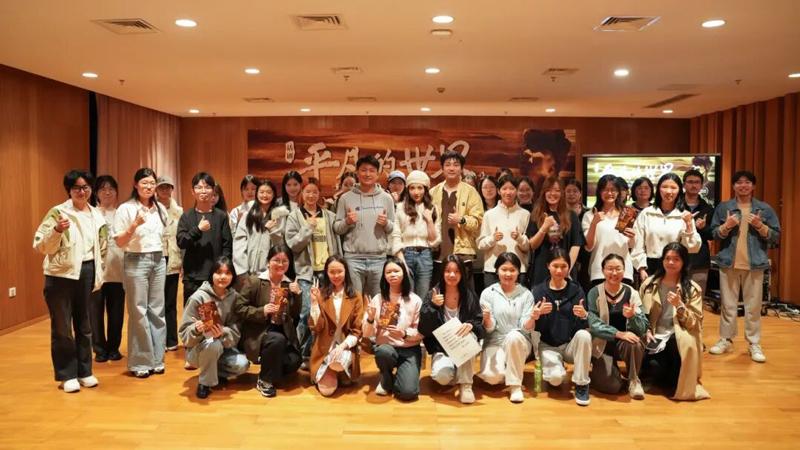
Lin Kai offered a different kind of insight into his character, Li Xiangqian. He described the challenge of portraying a man defined by his devotion, a love so profound it becomes his identity. It would be easy to let such a character become one-dimensional, but Lin Kai emphasized finding the dignity in that singular focus, the quiet heroism in unyielding tenderness. The actors revealed how they navigated the turbulent currents of history and personal struggle to find their character’s center. They shared which scenes moved them most, their voices colored with genuine emotion as they described moments of profound suffering, unwavering love, and the fragile dignity of holding on. In that space, the line between the actor and the character blurred, allowing the audience to glimpse the universal human experiences woven into the fabric of the story.
We Are the Characters
A powerful realization took hold during the discussion: this story from a specific time and place in rural China was resonating deeply in Quanzhou, a coastal city with its own rich history as the starting point of the Maritime Silk Road. The actors noted a beautiful parallel—the spirit of “suffering people are not afraid of suffering” from northern Shan Xi found a kindred echo in Quanzhou’s local ethos of striving and perseverance. It’s a testament to how stories can bridge vast geographical and cultural distances when they speak to a fundamental human truth: the will to endure and rise.
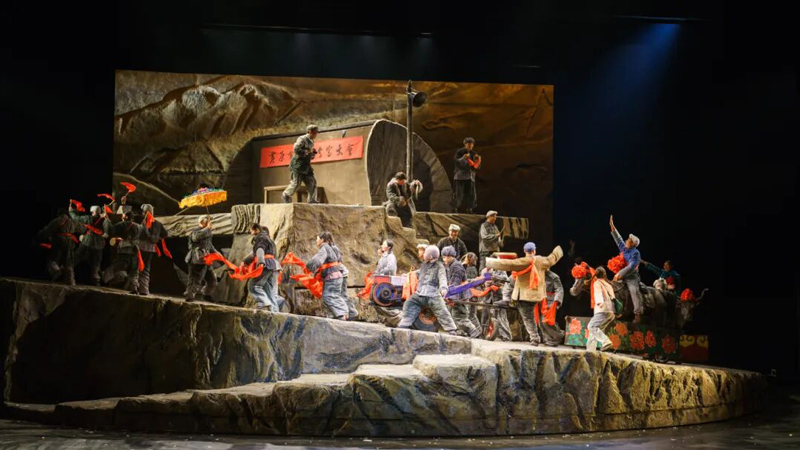
This led to the most poignant question of the evening. In an era where young people grapple with the extremes of “lying flat” and burning out, what relevance do the struggles of Sun Shao’an and Sun Shaoping hold? The actors’ responses were thoughtful and grounded, free of easy platitudes. They suggested that the value of The Ordinary World for us today is not to romanticize suffering, but to witness resilience. It offers a testament that while the specific anxieties of each generation may change—our uncertainties about tomorrow are no less real—the core human capacity to face hardship with courage is timeless. The real takeaway, they concluded, is the inspiration to act, to choose your own path with conviction, to live with agency despite the inevitable unknowns. The conversation became a mirror, reflecting the audience’s own struggles and aspirations back at them, affirming that the quest for meaning and purpose is a shared human endeavor.
