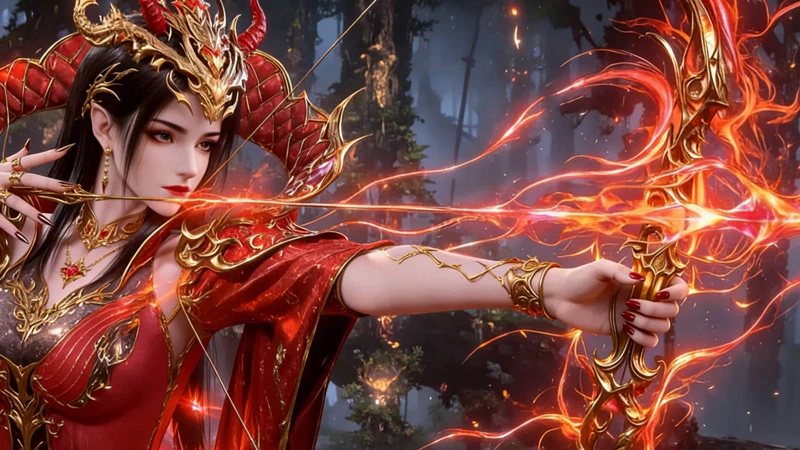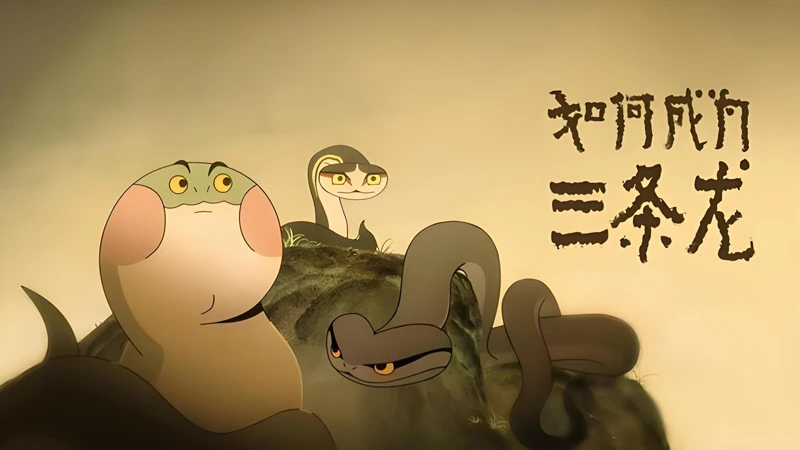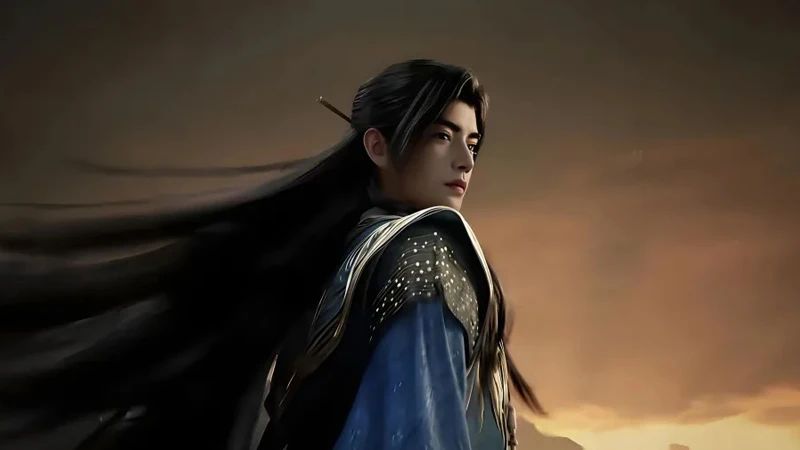
When you scroll through China’s animation platforms, the top hits all look familiar. A Mortal’s Journey (凡人修仙传), Battle Through the Heavens (斗破苍穹), Renegade Immortal (仙逆) – all adapted from popular web novels. But where are the original 3D series? Guoman (国漫) has produced gems like Ling Cage (灵笼) and The Degenerate-Drawing Jianghu (画江湖之不良人), yet they remain rare exceptions. Why does the industry prefer to borrow stories rather than invent them? Two brutal reasons explain this imbalance: the safety of existing fans and the speed of script production. Let us break them down.
Built-In Fans
A hit web novel spends ten years building its audience. Take A Mortal’s Journey – millions of readers already love its characters and world. When the animation drops, these fans become free promoters. They post theories, share clips, and defend the show even if early episodes look rough. That is pure marketing that money cannot buy. The adaptation starts with a running start.
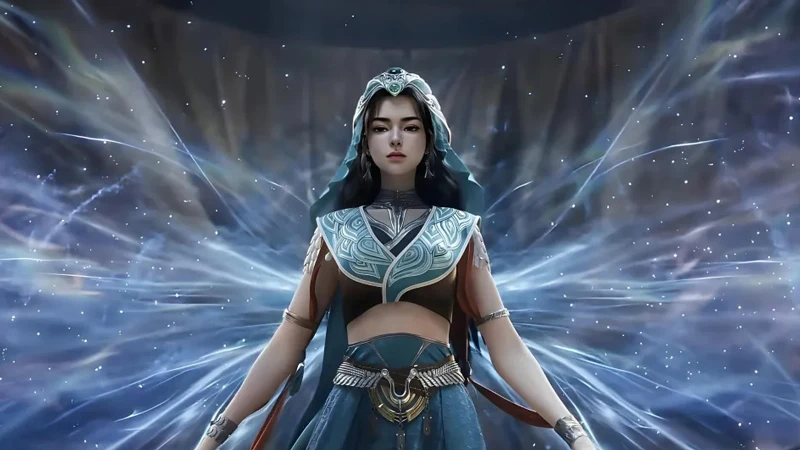
Original animations start with nothing. No existing fans. No emotional attachment. No proof that the story works. The creators must invent every name, every plot twist, every piece of world-building from scratch. In a crowded market, a random original series gets swiped away in seconds. Viewers have no reason to care unless the show delivers a miracle from episode one.
The math is cruel. Adaptations play it safe. Originals gamble everything. Industry watchers note that aside from a few hits, most original Guoman projects fail to recover their costs. Capital investors and streaming platforms naturally lean toward novel IP when funding decisions are made. Why risk millions on a blank page when a proven story already exists? That logic drives the whole market.
Consider the announcement effect. A studio revealing an adaptation of a famous novel instantly gets millions of eyes watching. The trailer spreads through fan forums. Comments explode with excitement and nitpicks. An original series gets… silence. That gap is nearly impossible to close unless the show goes viral by accident. For most producers, that is not a bet worth taking.

Production Speed
A typical year-long Donghua (动画) series needs one new episode every week for years. Total episodes often exceed 500. That means the writing team must generate hundreds of hours of coherent, engaging story without breaking continuity. For an original show, this is a nightmare. Writers cannot pause. They cannot take a break to rethink the arc. One creative block and the whole schedule collapses.
Adapted series laugh at this problem. The novel already delivers a complete skeleton – millions of words, clear character arcs, established conflicts, and resolved mysteries. The animation team simply performs a “second creation”: trim slow chapters, sharpen dialogue, and convert text into visual spectacle. The heavy lifting is done. The efficiency gap is enormous and undeniable.
This explains why no original Guoman has ever become a true year-long series. It is not about animation quality or budget. It is about script supply. Novel authors can write steadily for years. But a Bianju (编剧) team working on an original faces the blank page every single day. They cannot keep up with the relentless demand of weekly releases. Adaptation fits the long-run production model perfectly.
The numbers tell the story. Adapted shows run for hundreds of episodes without breaking a sweat. Original shows often stop at 12 or 24 episodes because the writers run out of road. The audience feels the drop in quality. Until original teams find a way to produce scripts at industrial speed, the adaptation model will keep dominating the schedule.
The Rare Exceptions
Does this mean original Guoman has no future? Not at all. Ling Cage built a breathtaking post-apocalyptic world with stunning visuals. It hooked viewers with mystery and high-stakes action. The Degenerate-Drawing Jianghu dug deep into Wuxia (武侠) martial arts and delivered twist after twist. These shows broke through the noise because they offered something adaptations could not: total creative freedom and a unique voice that felt fresh.
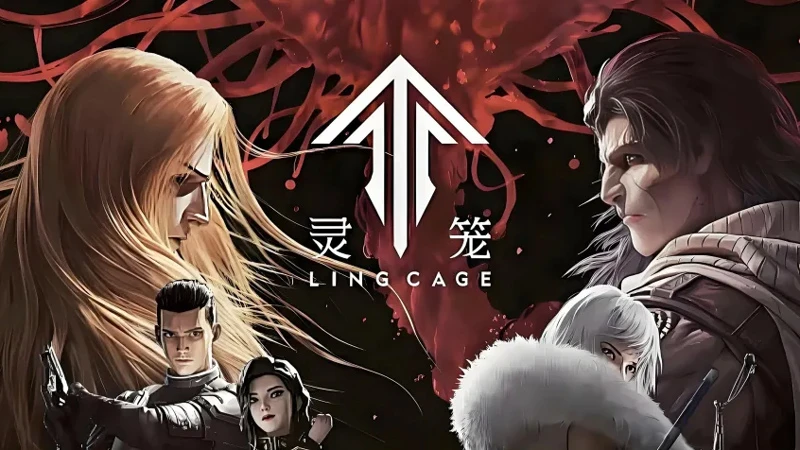
But their success required rare conditions. Patient investors who did not demand immediate returns. A writing team that could sustain quality over time. And an audience willing to take a chance on something unfamiliar. Most projects do not get that luxury. The industry today still favors the safe bet because the safe bet keeps the lights on.
So what should Guoman do? Rely on adaptations forever or push for more originals? The answer is both. Adaptations fund the experiments. Originals, when they work, push the medium forward. The real need is a better system – longer development cycles, proper training for original writers, and platforms that dare to promote the unknown. Until then, do not hold your breath for a hundred Ling Cage.
What about you, the viewer? Do you want more original stories even if they risk cancellation? Or do you prefer the comfort of seeing your favorite novel come to life on screen? The market votes every day with clicks and subscriptions. Right now, the votes say: give us what we already love. But the rare original that survives? It becomes legendary. Your choice shapes what comes next.