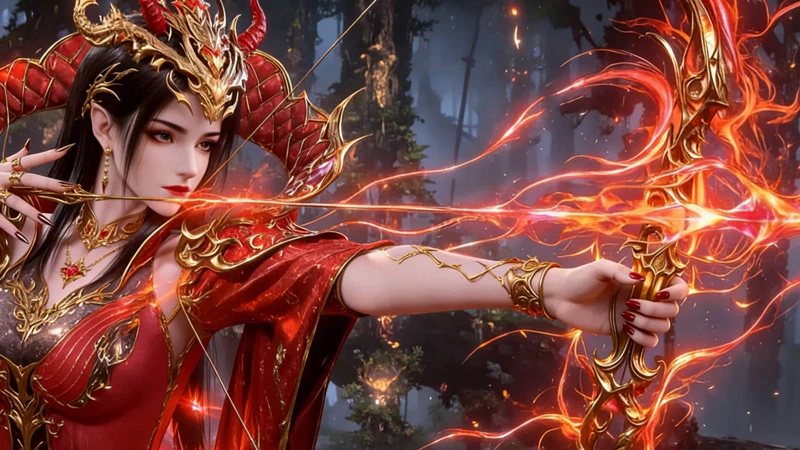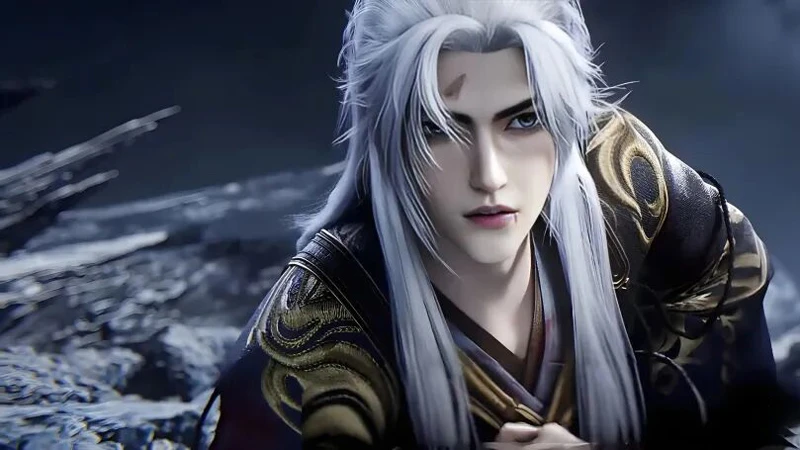
After episode 137 of Renegade Immortal (仙逆) dropped, the official comment section didn’t just fill up with complaints—it collapsed under a wave of raw fury. Long-time followers are not simply annoyed; they feel betrayed. Why? Because the animation turned Wang Ping (王平), the biological son of Wang Lin (王林) and Liu Mei (柳眉), into a blood soul clone. What was once a heavy, ethical tragedy about an innocent child caught between his parents’ hatred has become a confusing mess of energy bodies and lost bloodlines. This isn’t adaptation. This feels like destruction.
The Original Wound
In the original story, Wang Ping was born from a nightmare. During the battle at the Vermilion Bird Tomb, an evil interference from Mei Ji (魅姬) broke Wang Lin’s Dao (道) heart and led to an unexpected child with Liu Mei. She practiced the Thousand Illusions Heartless Dao. That single night ruined her path. Filled with rage, she took her own unborn son and refined him into a grudge infant. For a hundred years, she fed it her resentment, hoping to force Wang Lin into killing his own flesh and blood. Wang Ping entered the world as a living curse. He was Wang Lin’s only blood relative—a soft spot in a lifetime of slaughter, his heaviest sin and his deepest wound.
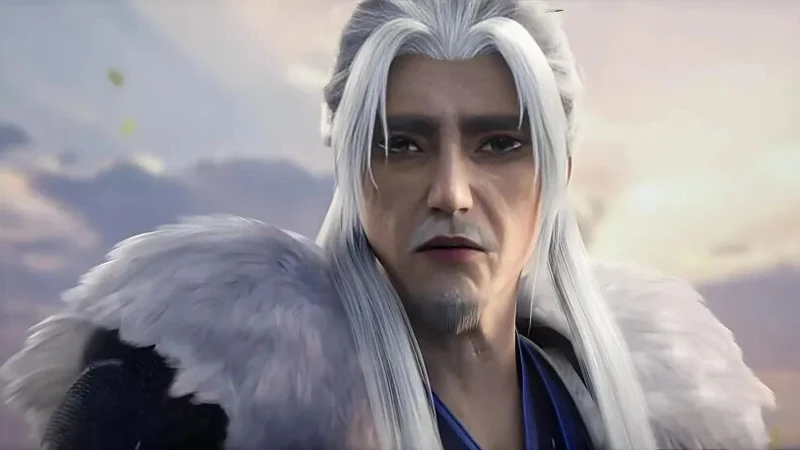
The emotional weight here is brutal. Wang Ping did nothing wrong. He was just born. But his existence carried his mother’s hatred and his father’s guilt. That’s what made his story so unforgettable. He wasn’t a tool or a plot device. He was a child caught in a war between two broken people. His short life—doomed to end before twenty—forced Wang Lin to put down his cultivation and live as a simple mortal just to give his son a few peaceful years. That choice, that sacrifice, meant everything.
Without that blood tie, without that painful father-son bond, the whole tragedy falls apart. The original Renegade Immortal never shied away from dark, uncomfortable truths. It showed that love and hate could live in the same heart, that an innocent baby could also be a weapon. That’s the kind of storytelling that earned the novel its devoted fanbase. And that’s exactly what the animation chose to erase.
The Animated Disaster
So what did the show give us instead? A blood soul life form. Liu Mei allegedly used a single strand of Wang Lin’s origin blood soul, mixed with her hundred years of resentment, to forge Wang Ping as a synthetic being. No pregnancy. No childbirth. No genetic bond. He becomes something closer to a magical artifact than a person—a walking revenge tool that Liu Mei built like a bomb. The father-son relationship disappears overnight. Wang Ping is no longer his child. He’s just… a piece of Wang Lin himself.
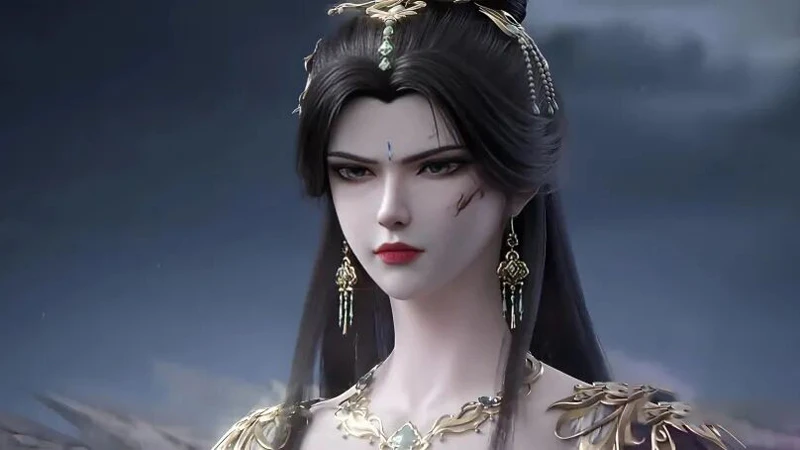
Think about what this change does to the characters. Wang Lin goes from a father trying to save his doomed son to a man babysitting his own spilled energy. Liu Mei goes from a twisted, pitiable mother who destroyed her own child out of hate to a simple villain who crafts a weapon. The moral complexity vanishes. The show replaces a devastating human drama with a hollow sci-fi gimmick. Fans didn’t just raise eyebrows—they exploded. Comments like “Did the writers even read the book?” and “This makes zero sense” flooded the page within hours.
It’s not hard to see why. Some changes in adaptations are necessary. Censorship, runtime limits, or visual storytelling constraints might force small tweaks. But turning a son into a clone isn’t a tweak. It’s a transplant of the story’s heart. And the new heart doesn’t beat. It just sits there, cold and mechanical, while fans watch their favorite characters become strangers.
3 Fatal Wounds
First, the change kills Wang Lin’s inner growth. His second mortal life (Huafan (化凡)) loses all meaning. In the original, he gave up his cultivation to live as a weak, aging father beside Wang Ping. He learned about guilt, redemption, and love through changing diapers, watching his son laugh, and then watching him fade. That experience reshaped his entire Dao heart. But if Wang Ping is just a blood soul fragment, why go through all that? Protecting a piece of yourself isn’t the same as protecting your child. The emotional weight drops from a mountain to a pebble.
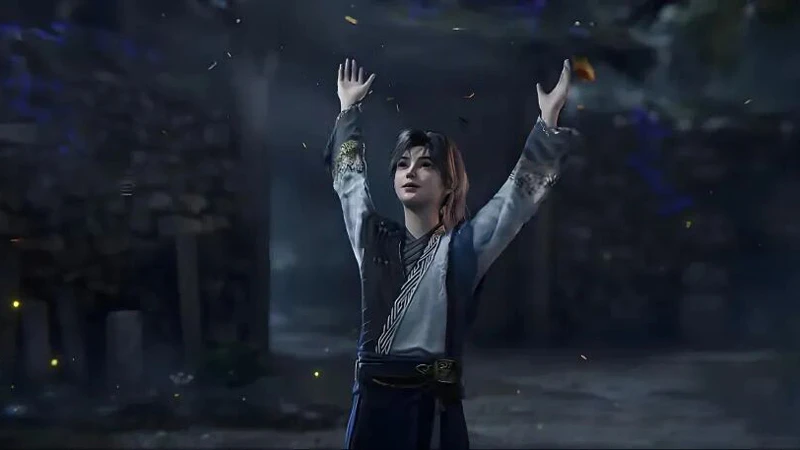
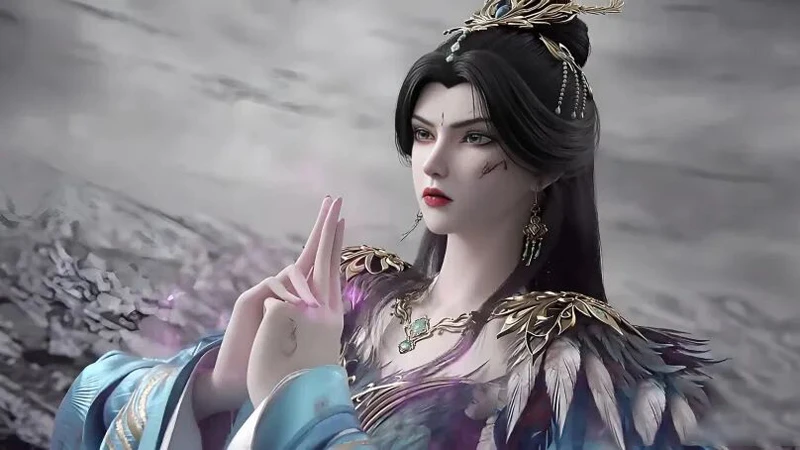
Second, Liu Mei’s character arc shatters. Her cruelty in the original came from a place of deep pain—she hated Wang Lin so much that she sacrificed her own baby to hurt him. That’s horrific, but it’s also tragic. Later, her regret and the gift of a solution pill showed her lingering humanity. In the animation, she’s just a weapon smith. No maternal bond, no self-destruction, no redemption. Worse, the future plot involving Mu Bingmei (木冰眉) and the tangled web of resentment depends entirely on Wang Ping as a shared child. With that link cut, the coming episodes will either invent new nonsense or ignore logic entirely.
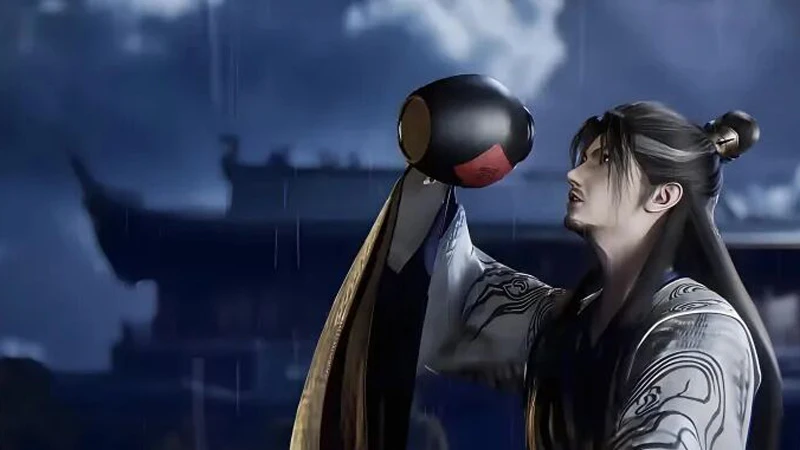
Third, the soul of Renegade Immortal—the “Ni (逆)” of defying fate and the “Shang (殇)” of cruel, beautiful tragedy—gets flattened. The original story hurt because an innocent boy suffered for his parents’ sins. It hurt because Wang Lin couldn’t fully save him. That raw, helpless sadness made the novel special. Changing Wang Ping into a blood soul clone removes the ethical horror, the bloodline curse, and the sense of doomed love. What’s left? A standard power-fantasy trick. And that’s not Renegade Immortal. That’s just another forgettable cartoon.
Fans aren’t overreacting. They’re mourning. They watched a story that dared to be dark and complicated get sanded down into something safe and shallow. The comment section remains a war zone. And while some may say “it’s just an adaptation,” the real question is simple: If you remove the pain, the guilt, and the blood, is it even the same story anymore? Most fans already have their answer. And it’s a loud, angry no.