Article
Search results:
-
Blood River’s Finale and the Shift in Wuxia Audience Expectations
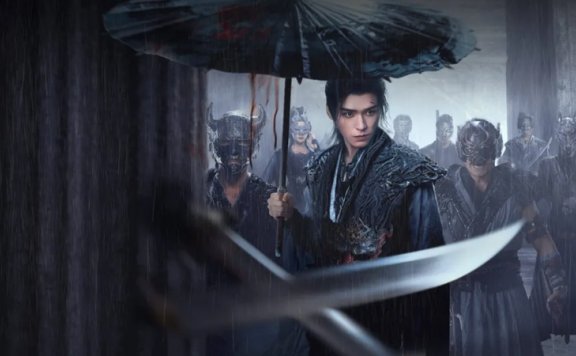
How did a White-Haired Sword Saint's Tears Redefine Modern Wuxia? When the final episodes of Blood River (暗河传) unlocked early access, social media platforms were instantly flooded with clips of Gong Jun's (龚俊) character, Su Muyu (苏暮雨), with hair as white as snow. A two-minute scene of him fighting with his sword, his hair turning white, garnered 300 million views in just one hour. The barrage of comments, filled with phrases like "This acting is god-tier," completely obscured the screen. The platform's backend saw a surge of over two million new subscribers within three hours of the finale's release. Even "Su Muyu's same-style white hair" became a trending search on online shopping sites. This frenzy was not just about a dramatic visual transformation; it was a testament to an actor's profound embodiment of a role that resonated deeply with audiences. The Anatomy of a Scene The duel against the eunuch Zhuo Qing (浊清) in episode 36 stands as a masterclass in physical acting. The camera meticulously follows the details: the bulging veins on his hand as he grips the Jian (剑, sword), the sharp roll of his Adam's apple as he unleashes a powerful technique, and the final, devastating moment… -
What Truly Motivated Gu Chusheng's Sacrifice in Fight for Love?
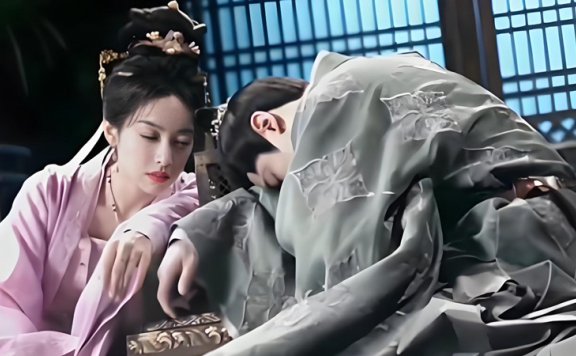
In the dramatic landscape of Fight for Love (山河枕), Gu Chusheng (顾楚生) appears as a man torn between love and duty. His decision to take an arrow for Chu Yu (楚瑜) during a chaotic treasure banquet at Qinxi Valley (沁溪谷) sparks intense speculation. While many interpret this act as undying affection, a deeper examination reveals a web of motivations rooted in survival, identity, and resistance. This story unfolds against a backdrop of political turmoil and personal betrayal, where characters navigate the harsh consequences of their choices. Gu Chusheng's journey is not just a romance but a reflection on how external pressures shape human behavior, often leading to actions that defy simple explanation. Forced Alliance Gu Chusheng's marriage to Wang Linlang (王琳琅) was a calculated move born from desperation. After his family faced ruin due to Qin Wang's (秦王) alleged treason, Gu Chusheng narrowly escaped execution through the intervention of Chu Yu's father, only to be sentenced to exile. Chu Yu devotedly accompanied him for five years, sharing his hardships. However, when Ning Guo Gong (宁国公) presented an ultimatum—marry his daughter Wang Linlang and gain political influence or face immediate death—Gu Chusheng chose the path that promised survival and a chance… -

What Were the Must-Have Bags in Ancient Chinese Society?
In ancient China, where garments rarely featured pockets, bags became essential companions for daily life and travel. These accessories were far more than mere containers; they evolved into symbols of status, practicality, and even fashion across different dynasties. From the earliest recorded uses in the Zhou Dynasty, bags were tailored to specific needs, reflecting social hierarchies and cultural shifts. This exploration delves into how these items transformed from simple carryalls into intricate expressions of identity and style, showcasing the ingenuity of ancient craftsmanship. Early Forms During the Pre-Qin period, people already relied on bags for transporting goods, as noted in the Book of Songs. Texts describe two main types: the small Tuo (橐) and the larger Nang (囊), used for carrying food and supplies during journeys or military campaigns. These early designs emphasized functionality, with materials and sizes adapted to nomadic and agricultural lifestyles. As societies stabilized, bags began to serve broader purposes, laying the foundation for more specialized versions in subsequent eras. By the Han Dynasty, a square bag called the Shounang (绶囊) emerged, primarily holding official seals and documents. Bestowed by emperors upon officials, it became a mark of rank and authority. Historical records like the Song Shu… -

Did Ancient China Host the World's Most Poetic Parties?
Modern holidays come with familiar routines, but ancient Chinese celebrations wove together deeper threads of romance, artistry, and community. Beyond the well-known dragon boats and mooncakes lies a forgotten calendar of occasions where young lovers sought fate, poets found inspiration in floating cups, and villages erupted in gratitude for the earth's bounty. These were not mere dates on a calendar; they were vibrant, participatory events that gave form to human hopes and connections. Let's step back into a world where seasonal rhythms dictated social life and discover the captivating customs that once defined the year's turning points. Knotting Wishes In the crisp air following the Lantern Festival, a unique ritual unfolded in northern households. Unmarried young women would take strips of colorful silk or even old almanac paper, meticulously knotting them together into a long, connected chain. This practice, known as Jie Yangchang (结羊肠), was a physical manifestation of their deepest desires. Each knot represented a silent prayer, a hope that their own romantic paths would be smooth and lead to a fortunate union. The process was both a personal meditation and a social activity. With focused intention, they would intertwine the separate strands, their private thoughts and aspirations weaving… -

What Jobs Could Women Do in Ancient Times?
In the tapestry of ancient Chinese society, women often faced rigid social constraints that limited their public roles, yet many defied these boundaries to forge remarkable careers in specialized fields. From the inner courts of palaces to bustling market streets, female professionals emerged as healers, administrators, and artisans, leaving indelible marks on history. Their stories, echoed in dramas like Empress of China and War and Beauty, reveal a hidden world where women's expertise shaped medicine, governance, and daily life. This article delves into the lives of these pioneering women, exploring how they navigated societal norms to excel in roles that blended skill, tradition, and resilience. Through their journeys, we uncover a legacy of innovation that challenges modern perceptions of gender roles in antiquity. Healing Hands Female doctors in ancient China, known as Nü Yi (女医), carved a niche in healthcare despite societal taboos against women interacting with male patients. Initially, some female healers were called Nü Wu (女巫), who combined herbal knowledge with spiritual practices to treat illnesses. As concepts of modesty, such as "men and women should not touch," prevailed, women naturally took charge in gynecology and obstetrics. In imperial courts, they attended to empresses and concubines during childbirth… -
How Did Ancient Women Take Care of Their Skin?
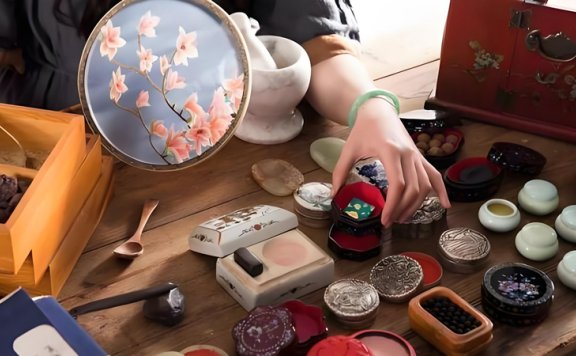
What skincare secrets did ancient Chinese royalty like Wu Zetian (武则天) and Yang Guifei (杨贵妃) use to maintain their flawless complexions? Long before modern cosmetics, women in dynastic China developed intricate beauty routines using natural ingredients. These methods, rooted in tradition and herbal wisdom, focused on cleansing, nourishing, and healing the skin with resources from the environment. From simple rice water to elaborate formulas, ancient skincare was a blend of art and science. This exploration reveals how historical figures achieved radiant skin without today's technology, highlighting practices that have influenced beauty standards for centuries. Ritual Cleansing In ancient China, cleansing was the foundation of skincare, much like today. People in the pre-Qin era used Rice Water, the starchy liquid left after washing rice, to clean their faces. This natural solution, rich in alkaline substances, helped balance skin oils and left the complexion bright and clear. It was a simple, effective start to daily hygiene that even commoners could access. By the Jin Dynasty, a more advanced cleanser called Zao Dou (澡豆) emerged. Made primarily from ground peas mixed with spices and herbs, it dissolved easily in water for a thorough wash. This innovation offered a deeper clean and was praised… -

Zhang Yaqin’s Hanfu Look: Uncovering Yingluo’s Legacy
When actress Zhang Yaqin (张雅钦) appeared at a recent event wearing Tang-style Hanfu, her fans instantly recognized the look from her role as a county princess in the television drama. The online conversation quickly focused on one particular detail: the absence of a distinctive neck ornament she wore in the series. This piece of jewelry, far more than a simple accessory, is a Yingluo (璎珞), an artifact with a story woven through centuries of Chinese history, art, and spiritual belief. More Than Jewelry The term Yingluo itself originates from words meaning "jade," and it refers to a specific type of beaded necklace. Traditionally, it was not a single strand but a lavish, multi-layered piece, often described as a "many-treasures" ornament. It was crafted from a brilliant array of materials including gold, silver, jade, pearls, amber, and vibrant gemstones like coral and lapis lazuli. This composition was deeply symbolic, representing the accumulation of worldly virtues and spiritual merits. In Buddhist iconography, the Yingluo holds profound significance as a symbol of "immeasurable light." Statues of Guanyin (观音) and other revered figures are frequently adorned with intricate versions of it, serving as a form of spiritual adornment. The Vimalakirti Sutra vividly describes deities… -
Uncovering the True History and Legacy of China's Banbi Garment
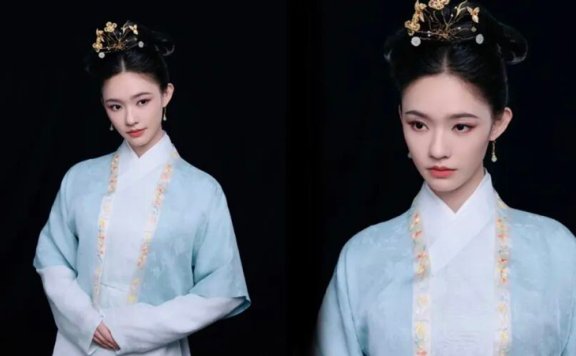
When actress Lin Yun (林允) appeared on the cultural show National Treasure, her outfit sparked immediate debate online. Viewers questioned whether her sleeveless top resembled a traditional maid's uniform, but fashion historians were quick to clarify. She wore a Banbi (半臂), a classic Chinese garment that has been misunderstood for centuries. This piece is not defined by social status but by its practical and stylish design. The confusion highlights how modern perceptions often oversimplify historical fashion. This article delves into the true nature of the Banbi, tracing its evolution from ancient courts to contemporary wardrobes, and challenges the stereotypes that have long surrounded it. Garment Basics The Banbi is essentially a half-sleeve jacket worn over other layers, similar to a modern bolero or vest. Its name derives from its sleeve length, which typically ends at the elbow. One common style is the Duijin (对襟), characterized by a front opening with symmetrical sides. This design allowed for easy movement and versatility, making it a staple in various dynasties. Unlike the assumption that it was solely for servants, historical records show it was worn by women across different social classes. The garment could be paired with long-sleeved robes or dresses, adapting to… -
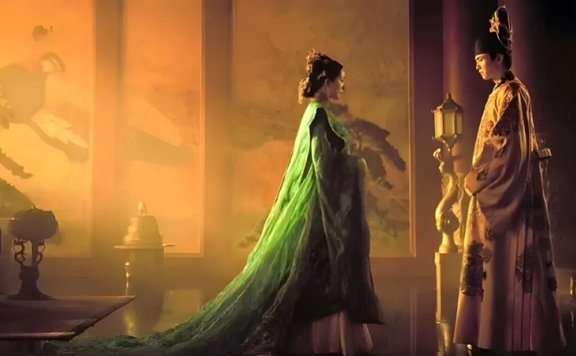
The Long Skirts in China's Historical TV Series
When watching Chinese period dramas, viewers often notice characters wearing elegant gowns with long, flowing trains that sweep the ground. This style sparks curiosity about its origins. Is this a genuine element from ancient Chinese fashion, or has it been influenced by Western costume design? The answer lies in a fascinating journey through history, where clothing served as a symbol of status and cultural identity. This article delves into the evolution of these trailing garments, examining their roots in early Chinese dynasties and how they compare to similar trends in Europe. By understanding the past, we can appreciate the blend of tradition and artistic license in modern storytelling. Ancient Roots In the Warring States Period, early forms of trailing clothing appeared, as seen in silk paintings from Chu State tombs. These garments evolved into more structured robes during the Eastern Han Dynasty, where long trains became associated with formal wear for nobility. Over time, this style adapted, influencing later periods like the Tang Dynasty and Song Dynasty. Artworks such as Admonitions of the Instructress to the Court Ladies (女史箴图) depict women in layered outfits with distinct trailing elements, showcasing how these designs were idealized in court life. The persistence of… -
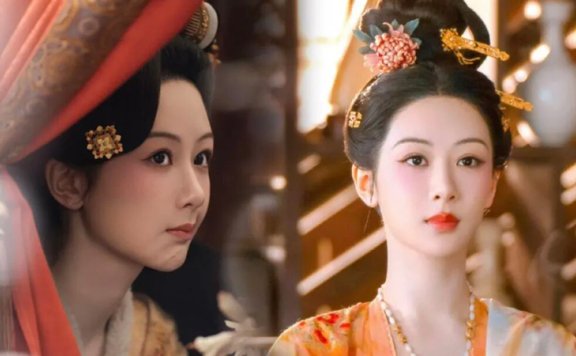
The History of China's Sheng Hair Ornament
Have you ever been watching a historical Chinese drama and noticed something strange on a character's head? In the series Flourished Peony (国色芳华), the actress Yang Zi, who plays the character He Weifang (何惟芳), is often seen wearing a curious square-shaped hair ornament. It looks so modern and geometric that viewers might mistake it for a pixellated mosaic. This is no costume designer's error, but a revival of an ancient tradition. This distinctive accessory, also spotted on characters of noble birth, is a real historical artifact known as a Sheng (胜). Its journey from a practical tool to a sacred symbol and finally a fashionable hairpin is a fascinating story woven through centuries of Chinese culture. Mythical Origins The story of the Sheng begins not on a dressing table, but in the realm of myth. Its earliest association is with the powerful goddess Xiwangmu (西王母), the Queen Mother of the West. Ancient texts like the Classic of Mountains and Seas (山海经·西山经) describe her appearance: she resembles a human but has a leopard's tail and tiger's teeth, with disheveled hair and a Sheng upon her head. She was a deity who governed celestial punishments and disasters. Later interpretations, however, linked her… -
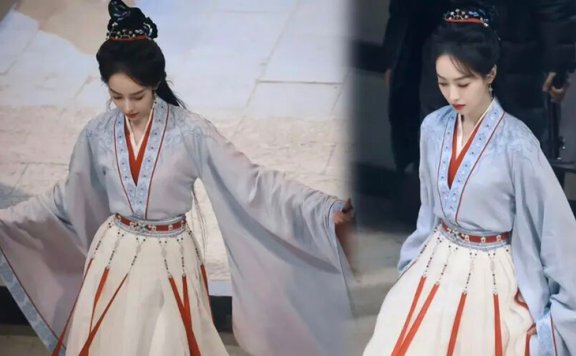
Song Qian's Ethereal Dress Shines with Ancient Oxalis Knots
In the captivating world of historical dramas, certain costumes stand out and capture the audience's imagination. One such example is the elegant dress worn by Song Qian (宋茜) in the television series Fight for Love (山河枕), which has garnered attention for its ethereal and fairy-like appearance. Set against a backdrop of ancient China, this attire features a unique decorative element that adds a dynamic flow to the skirt, making it seem almost magical. This accessory, often seen as elongated pendants or knots, plays a crucial role in enhancing the garment's visual appeal. But what exactly is this decoration, and how does it contribute to such a mesmerizing effect? This article delves into the details of this ancient art form, exploring its design, historical context, and the subtle ways it elevates traditional clothing. The Elegant Knot At the heart of this enchanting costume lies a distinctive knot known as the Oxalis Knot. This intricate design typically consists of three or four loops arranged in a pattern reminiscent of a cloverleaf. Crafted from slender silk ribbons, it is often used in combinations, such as double knots, to create a layered effect. When attached to the flowing skirts of characters like those in… -
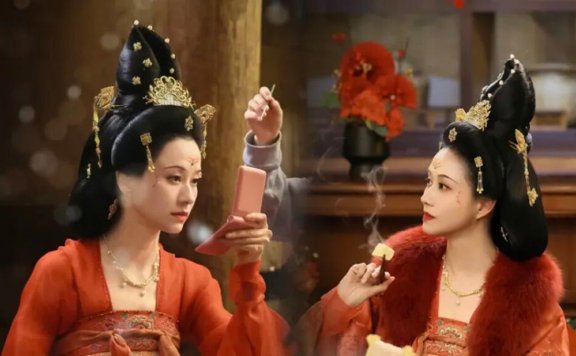
Ni Hongjie's Conch Crown in Yummy Yummy Yummy?
In the historical drama Yummy Yummy Yummy (宴遇永安), actress Ni Hongjie (倪虹洁) portrays a noble princess whose hairstyle has ignited widespread curiosity. Perched high on her head is a spiral-shaped bun that many viewers describe as resembling a conch shell. This distinctive look is not a product of creative fancy but a careful reconstruction of a real historical fashion from the Tang Dynasty. During this golden age, China was a crossroads of cultures, and its fashion scene reflected this vibrant exchange. The princess's striking appearance serves as a gateway into an era where hairstyles were bold statements of identity and cultural fusion, challenging modern perceptions of ancient aesthetics and inviting us to explore the stories woven into every strand. Uyghur Hair Origins The conical hairstyle seen in the drama is known as the Huihu ji (回鹘髻), a term that points directly to its origins with the Uyghur people from China's northwestern regions. During the early Tang period, sustained contact through trade and diplomacy allowed Uyghur customs to filter into central Chinese society. This hairstyle involved gathering hair into a tall, pointed bun that could be worn plain or lavishly decorated. Its dramatic silhouette broke from traditional Han styles, immediately marking… -
Fight for Love: Weaving Epic Sacrifice with Intimate Dreams
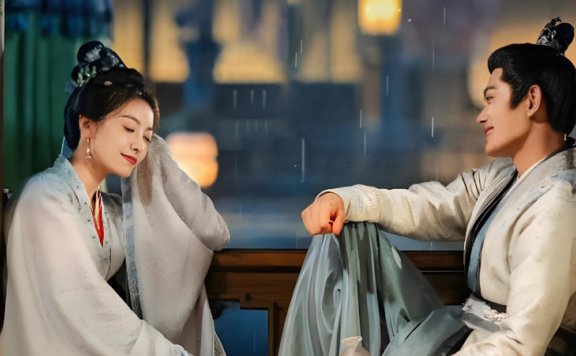
Fight for Love (山河枕) has quickly drawn viewers in with its compelling start. This series mixes historical settings with personal struggles, offering a fresh perspective. At its core is Wei Yun (卫韫), a character whose choices drive the plot forward with intensity and emotion. Many appreciate how it moves away from predictable patterns, focusing on genuine moments and swift action. Airing on Zhejiang Video and reaching international audiences, it connects people through shared stories. Its growing popularity on platforms like Tencent Video reflects broad engagement. Fans often mention how each episode builds excitement, leaving them eager for more. For anyone seeking a drama that balances depth with entertainment, this one stands out as a top pick. 1. Excels in Pattern and Conception The screen flickers to life, not with the usual pomp of courtly intrigue, but with the grim reality of dust and determination. A family gathers, not for a celebration, but for a departure. This is the initial pull of the television narrative Fight for Love, a story that immediately distinguishes itself by framing its central conflict not within palace walls, but at the fragile border where a nation's security meets a family's survival. It bypasses lengthy exposition, choosing… -
How Did Fight for Love Reshape Historical Drama Succes?
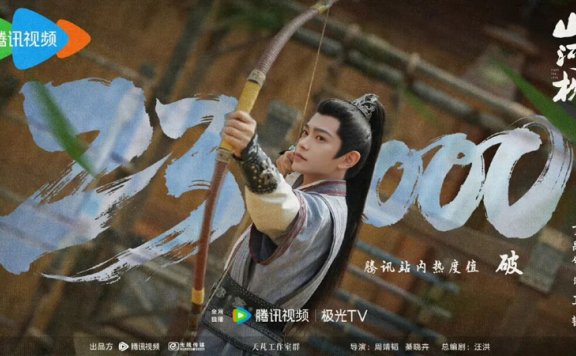
In late 2025, the television landscape witnessed an unprecedented event when Fight for Love (山河枕) premiered and soared to the top of viewership charts within thirty-seven minutes. This historical drama, adapted from Mo Shu Bai's (墨书白) novel, generated a frenzy across digital platforms. On Tencent Video, its popularity index shattered records, climbing past twenty-two thousand in the first hour. Social media erupted with discussions, as hashtags related to the show accumulated billions of views. The series quickly transformed from a highly anticipated release into a cultural phenomenon, demonstrating that compelling storytelling could achieve instant resonance without a gradual buildup. Its rapid ascent not only captured audience attention but also set new benchmarks for the genre. Production Quality The creators of Fight for Love invested significantly in physical sets and authentic details, moving away from heavy reliance on digital effects. They constructed expansive environments like the Wei Fu (卫府) estate, spanning over twenty thousand square meters, to reflect the grandeur of historical aristocratic homes. Costume designers prepared more than two thousand outfits, each tailored to illustrate character journeys through subtle visual cues. This attention to material authenticity provided a tangible depth that viewers found refreshing and immersive. Battle sequences were filmed… -
Can Fantasy Elements Help Wuxia Dramas Break Through the Rut?
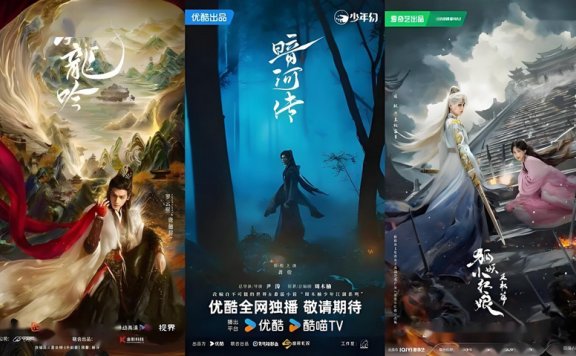
Martial arts storytelling is entering a dynamic phase of innovation. The concept of Xuanxia (玄侠) merges mystical realms with classic warrior ethics, offering new narrative dimensions. Whispers of Fate (水龙吟) exemplifies this by building an original "Xuanxia" universe. Blood River (暗河传) presents Gao Wu Di Xuan (高武低玄), where physical prowess overshadows supernatural elements. Meanwhile, Sword and Beloved (天地剑心) blends fantasy, romance, and Wuxia foundations to create engaging plots. These changes expand the genre's creative boundaries, yet they invite scrutiny. Defining these hybrid categories proves difficult. Balancing imaginative and traditional components requires careful thought. Whether this evolution can address longstanding issues in martial arts drama is uncertain, but it undoubtedly fosters artistic diversity and viewer interest. 1. Fantasy Fuels Wuxia's New Era Traditional Wuxia stories have long centered on chivalry and martial honor, weaving tales of loyalty and revenge within a grounded world of skilled fighters. Now, a fresh wave of narratives is emerging, blending these elements with supernatural features to create something entirely new. This fusion not only expands the scope of action but also reshapes how audiences engage with these sagas, moving beyond physical combat into realms where imagination fuels the drama. Story Foundations In series like Whispers of… -
What Mythical Creatures Did Ancient People Worship?
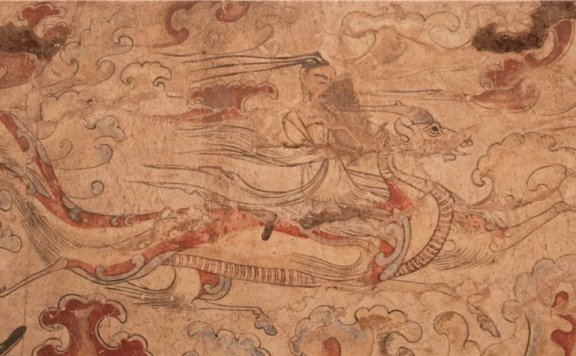
In the heart of ancient China, mystical beings were not just tales whispered in the night; they were integral to daily life, influencing everything from architecture to personal adornments. People placed stone lions at their gates, carved jade into beastly forms, and adorned roofs with ceramic figures, all in the hope that these divine creatures would offer protection and blessings. These entities, born from a deep reverence for nature and the unknown, continue to resonate in modern practices, symbolizing a bridge between the human world and the spiritual realm. This exploration delves into the most revered of these beings, uncovering their roles and the lasting legacy they imprint on culture and identity. 1. The Dragon's Dominion When the Dragon first emerged in Chinese lore, it was depicted as a majestic fusion of many animals: antlers like a deer, a head resembling a camel, and claws akin to an eagle. Ancient texts such as Er Ya Yi (尔雅翼) detailed this composite form, highlighting its ability to shift between visibility and invisibility, grow or shrink at will, and ascend to the heavens or dive into deep waters. This versatility made it a symbol of ultimate power and mystery, often linked to seasonal… -
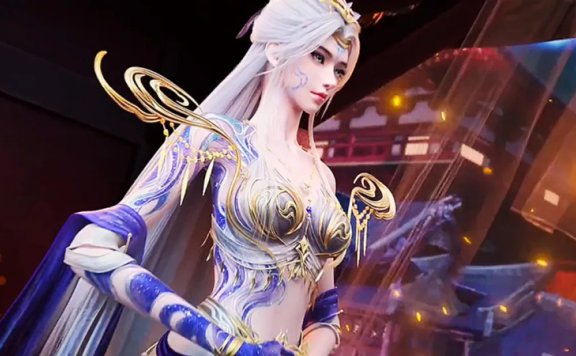
What Makes 5 Elements Seed Rival World Tree in Perfect World?
In the expansive universe of Perfect World (完美世界), cultivators seek powerful artifacts to ascend beyond mortal limits, and among these, the Five Elements Immortal Seed stands out as a legendary treasure. This seed embodies the core forces of nature, integrating metal, wood, water, fire, and earth into a harmonious whole. While it has not yet appeared directly in the animated series, its potential echoes through other divine seeds, hinting at abilities that could match even the famed World Tree. As followers of the show know, items like these shape the fate of characters such as Shi Hao (石昊), driving their growth and the storyline forward. This article delves into why the Five Elements Immortal Seed is so coveted, exploring its unique properties and how it compares to other supreme seeds in the narrative. The Elemental Fusion The Five Elements Immortal Seed's power lies in its complete balance of the five fundamental elements. In Perfect World, these forces—metal, wood, water, fire, and earth—interact through cycles of generation and restraint, forming the basis of cosmic laws. For instance, in battles, cultivators might use fire-based seeds to unleash destructive blasts or water seeds for healing, showcasing the individual strengths that this seed combines.… -
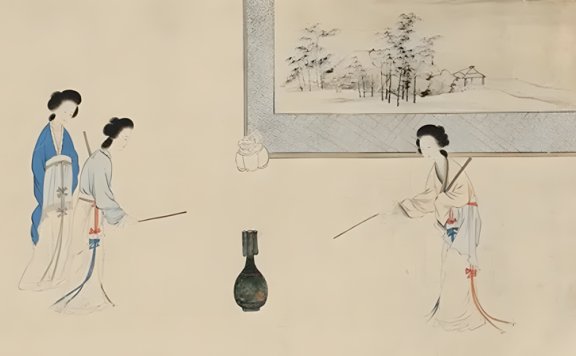
What Games Filled the Days of Ancient China's Secluded Women?
Imagine a life confined to inner chambers, where stepping outside was a rare luxury. For women in ancient China, this was often the reality, yet their world was far from dull. Behind closed doors, they engaged in sophisticated games that blended skill, strategy, and social interaction. These activities were not mere pastimes; they were vital expressions of culture and intellect. From throwing arrows to botanical duels, these games offered a glimpse into a vibrant subculture. They provided mental stimulation and a sense of community in otherwise restricted lives. This exploration reveals how creativity thrived within boundaries, shaping a unique aspect of feminine history. 1. Touhu (投壶) Touhu emerged during the Spring and Autumn Period as a ceremonial activity among nobles. By the Tang and Song dynasties, it had become a favorite among women in their quarters. Participants stood at a set distance, aiming to toss arrows into a decorative pot. The pots used by women were often exquisite, made from celadon or lacquer adorned with mother-of-pearl. The arrows, crafted from thornwood, required precision and a steady hand. The game was as much about grace as it was about accuracy. Women performed with slow, deliberate movements, one hand gathering sleeves while… -
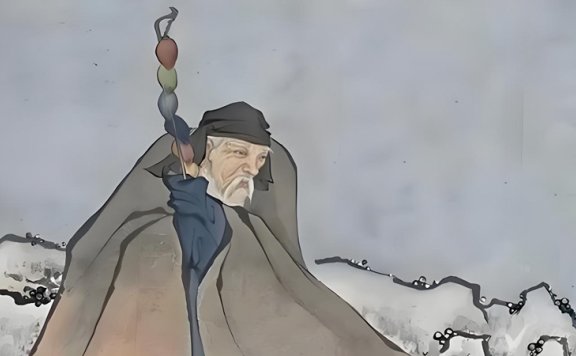
How Did Ancient Chinese Brave the Cold Winters in Style?
As temperatures drop, modern minds might wonder how people in ancient China managed to stay warm without today's advanced materials. Long before down jackets and thermal wear, they developed ingenious clothing solutions that evolved over millennia. From the earliest use of animal hides to the sophisticated integration of silk and even paper, these garments were not just functional but also reflected social status and cultural values. Each dynasty introduced its own innovations, turning winter wear into a fascinating aspect of historical life. This journey through time reveals how creativity and resourcefulness helped generations withstand the chill, with styles that ranged from luxurious furs to lightweight yet warm layers. By examining these ancient practices, we gain insight into a world where fashion and necessity intertwined seamlessly. Fur and Leather In ancient China, animal skins served as the primary defense against the cold, dating back to prehistoric times. Early humans relied on hides from hunted game, which provided basic insulation. As societies advanced, these evolved into more refined Qiu (裘), or fur garments, particularly during the Spring and Autumn period. These items became symbols of wealth and power, with nobility often sporting furs from foxes, leopards, and lambs. Classics like the Book… -
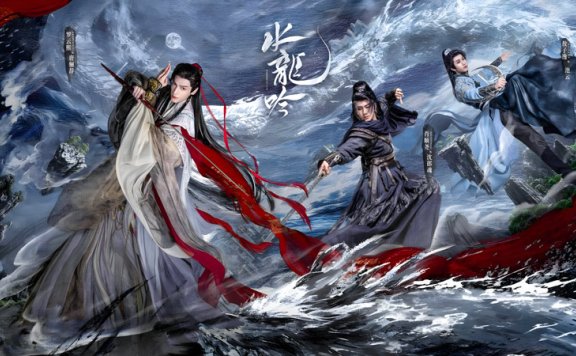
How Whispers of Fate Weaves Heritage into Its Visual Storytelling
I just finished the opening episodes of Whispers of Fate (水龙吟), and the experience left me eager to discuss it with others. The protagonist, played by Luo Yunxi (罗云熙), stands out as a compelling figure who draws viewers into the story effortlessly. From the outset, the narrative flows smoothly, avoiding any sluggish moments that might lose the audience's interest. Characters are fleshed out with depth, making each interaction feel genuine and engaging. Visually, the scenes are crafted with such care that they could easily serve as stunning backgrounds for any device. Before diving in, I had reservations given the extensive promotions, but those worries dissolved quickly. The team behind this project has delivered something that resonates on multiple levels, blending action and emotion seamlessly. Platforms like Migu Video (咪咕视频) have thrown their weight behind the release, creating buzz through innovative campaigns. This support has amplified its reach, drawing in viewers who might otherwise overlook such offerings. What sets this series apart is how it balances intensity with subtlety, allowing moments to breathe without unnecessary embellishment. He brings a nuanced performance that anchors the entire plot, making it easy to invest in his journey. In an era where content can feel…