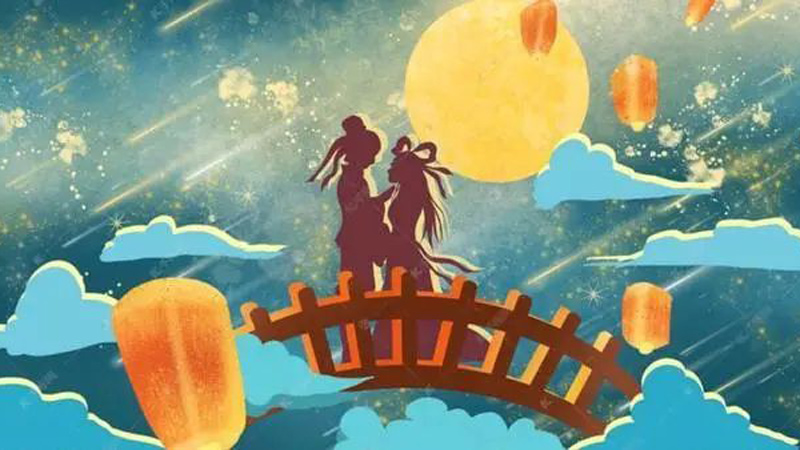
Beneath the summer sky, a celestial love story has been celebrated for millennia throughout East Asia. The Qixi Festival (七夕节), often called China's Valentine's Day, holds far deeper meaning than simple romantic gestures. This ancient observance, dating back to the Han Dynasty and flourishing during the Song era, represents a fascinating convergence of astronomy, gender roles, spiritual beliefs, and agricultural traditions that continues to resonate in modern times. The festival's complex tapestry of customs reveals a society deeply connected to celestial patterns and human aspirations.
Celestial Foundations and Cultural Evolution
The festival's foundation lies in ancient Chinese astronomical observations that shaped its timing and symbolism. Early astronomers meticulously tracked the seasonal movements of stars, particularly noting the Vega and Altair stars in the Lyra and Aquila constellations. During the seventh lunar month, these two bright stars appear at their closest proximity in the night sky, creating the optical illusion of a celestial meeting. This astronomical phenomenon inspired the poetic personification of these stars as the Weaving Maid and Cowherd, a mythological pairing that first appeared in poetic works during the Classic of Poetry period dating back to between the 11th and 7th centuries BCE.
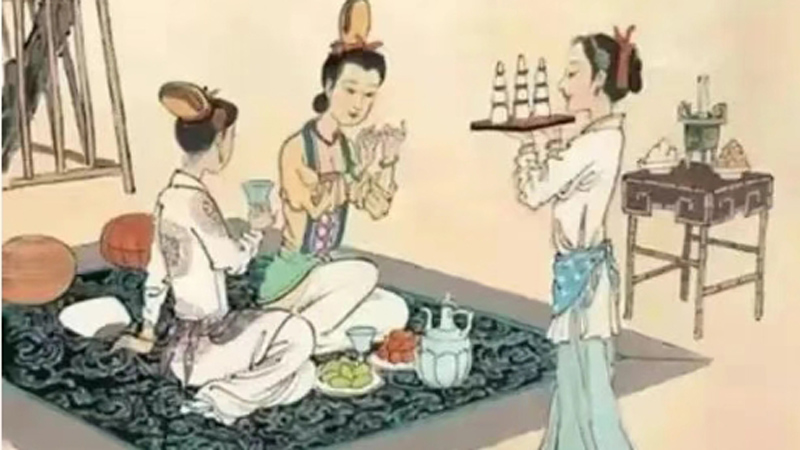
The complete narrative took shape during the Eastern Han Dynasty (25-220 CE), when the story gained its full mythological form. The tale tells of the Weaver Girl, daughter of the Heavenly Emperor, who fell in love with and married a humble cowherd from earth. Their romantic devotion caused them to neglect their celestial and earthly duties, respectively, angering the Heavenly Emperor, who separated them with the Milky Way. Moved by their devotion, he eventually permitted them to meet once annually on the seventh night of the seventh lunar month, with magpies forming a bridge across the heavenly river.
This astronomical timing corresponds with the seasonal transition from summer to autumn, making it a significant marker in the agricultural calendar as well. The number seven held special significance in ancient Chinese cosmology, representing the harmony of yin and yang as well as the seven celestial bodies visible to ancient astronomers. The double seventh thus represented an especially potent date for celestial worship and ritual observance, combining astronomical, mathematical, and spiritual significance in a single date.
Rituals and Traditions of Skill and Devotion
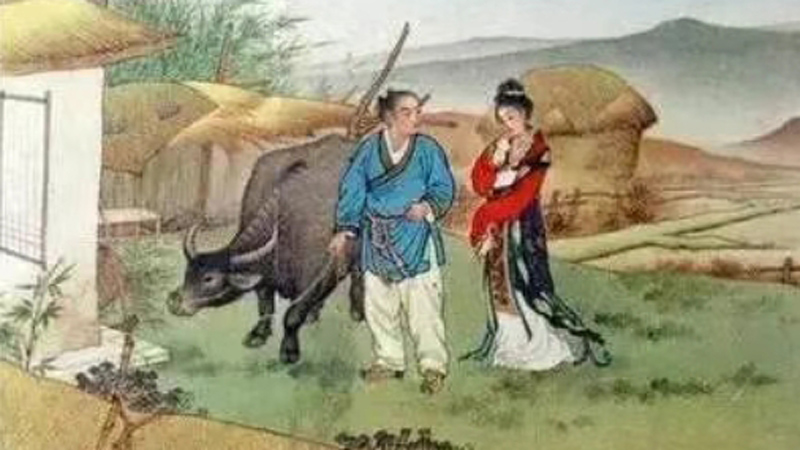
The festival developed remarkably complex customs that transcended mere romantic celebration, particularly focusing on women's domestic skills and spiritual aspirations. These practices reflected the historical importance of textile work in women's lives and the genuine belief that divine intervention could enhance human capabilities. The most iconic tradition involved "threading needles under moonlight," where women would demonstrate and test their needlework skills under the festival's special conditions.
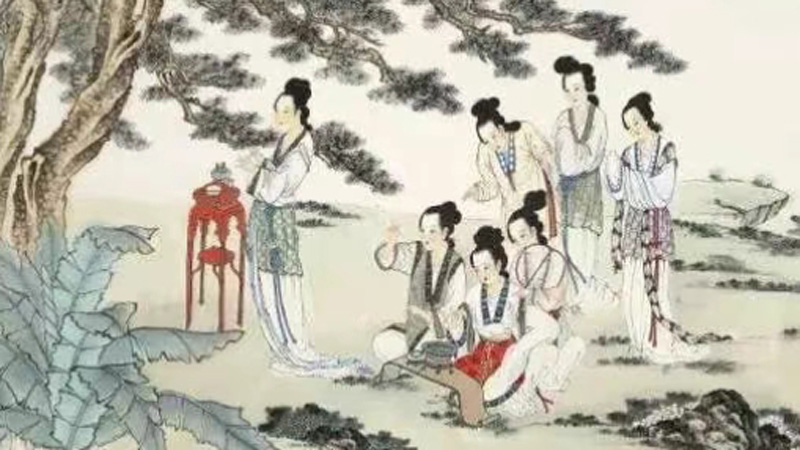
As dusk fell on festival night, women would undergo ritual cleansing and arrange courtyards for ceremonies. They would set up altars containing offerings of fresh fruits, specially prepared pastries, and handcrafted items. After offering prayers to the Weaving Maid deity, participants would take seven silver needles and seven different colored threads, attempting to thread them all by moonlight. The first to complete this challenging task was deemed destined for exceptional needlework skills throughout the coming year, bringing honor to herself and her family.
Another widespread practice involved capturing spiders in special boxes or inverted bowls overnight. The following morning, participants would examine the webs spun with great anticipation. Intricate, symmetrical webs indicated the recipient had gained exceptional weaving skills, while sparse webs suggested less fortune in craftsmanship. This practice, dating to the Northern and Southern Dynasties, represented the blending of divination with practical skills assessment. During the Ming and Qing dynasties, "needle testing" became popular, where women would prepare basins with blended water from different sources representing yin and yang forces. After leaving the water exposed to moonlight, they would gently place needles on the water's surface at noon the next day, interpreting the shadow patterns cast by the needles as indicators of their skill levels and fortunes.
Practical Traditions and Scholarly Reverence
Beyond feminine crafts, the festival incorporated practical household activities and scholarly devotion that addressed various aspects of daily life. Families took advantage of summer's peak heat to air out their precious possessions, particularly literature and winter clothing. The seventh day of the seventh month was considered especially auspicious for this practice, believed to prevent insect damage and decay through celestial blessing. Scholars particularly valued this day for preserving their literary collections, sometimes calling the occasion "Dragon Sunning Scale Day" in reference to the mythical creature's annual maintenance of its protective scales.
Students and scholars throughout China honored the Deity of Literary Excellence, whose birthday was celebrated on this day. Those seeking success in imperial examinations would make special offerings to this deity, hoping for scholarly achievement and recognition. The association between the number seven and completion made this date particularly significant for educational aspirations. In some regions, examination candidates would gather at temples dedicated to literary deities, burning incense and presenting specially prepared examination papers as offerings.
Agricultural traditions also formed an important part of the festival's observances. Families would sprout grains in containers days before the festival, creating miniature gardens of barley, wheat, or beans. These "life cultivation" plantings symbolized growth and new beginnings in both agricultural and human terms. The sprouted plants would be bundled with red and blue threads as fertility symbols, connecting agricultural cycles with human reproduction. Children participated by picking wildflowers to decorate cattle horns, commemorating the legendary ox that helped the cowherd reach his celestial love—a practice known as "celebrating the ox's birthday" that acknowledged animals' contributions to human welfare.
While some customs have faded with modernization, the festival's core themes endure in contemporary celebrations. The Qixi Festival shows how old ways of watching the stars turned into a meaningful cultural event that still matters today, linking modern couples to ancient cosmic patterns through activities that mix everyday needs with spiritual hopes and romantic desires, creating a unique cultural expression that keeps changing while staying true to its roots over many years.