
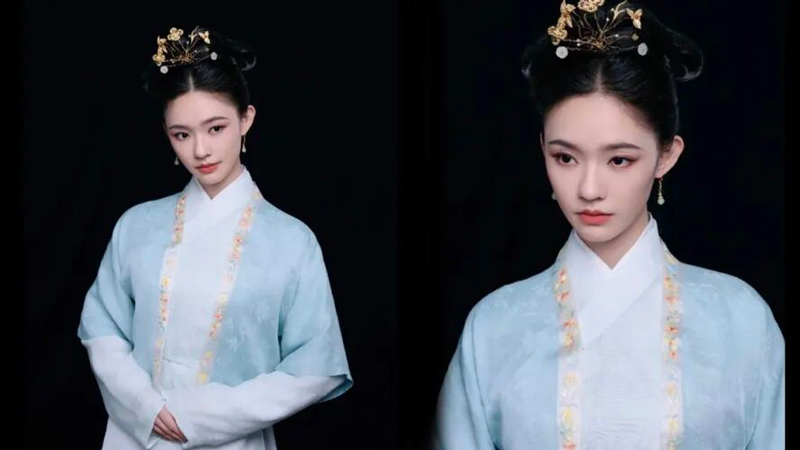
When actress Lin Yun (林允) appeared on the cultural show National Treasure, her outfit sparked immediate debate online. Viewers questioned whether her sleeveless top resembled a traditional maid's uniform, but fashion historians were quick to clarify. She wore a Banbi (半臂), a classic Chinese garment that has been misunderstood for centuries. This piece is not defined by social status but by its practical and stylish design. The confusion highlights how modern perceptions often oversimplify historical fashion. This article delves into the true nature of the Banbi, tracing its evolution from ancient courts to contemporary wardrobes, and challenges the stereotypes that have long surrounded it.
Garment Basics
The Banbi is essentially a half-sleeve jacket worn over other layers, similar to a modern bolero or vest. Its name derives from its sleeve length, which typically ends at the elbow. One common style is the Duijin (对襟), characterized by a front opening with symmetrical sides. This design allowed for easy movement and versatility, making it a staple in various dynasties. Unlike the assumption that it was solely for servants, historical records show it was worn by women across different social classes. The garment could be paired with long-sleeved robes or dresses, adapting to seasonal changes and personal taste.
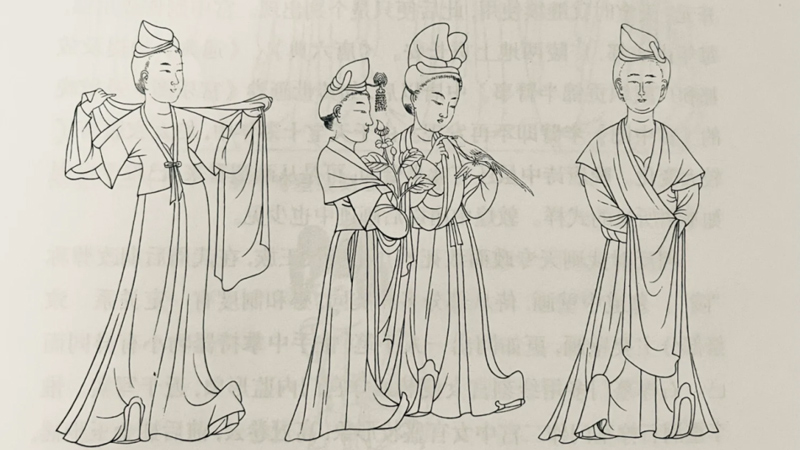
Another variation is the Tanling (坦领), which features a wider, U-shaped neckline that often exposes the upper chest. This style was particularly popular during the early Tang Dynasty for its bold and elegant look. The Banbi's structure includes options like sleeveless versions, sometimes called Beizi (背子), though terminology varied historically. For instance, some texts interchangeably used "Banbi" and "Beizi" to describe similar items. This flexibility in design and naming reflects the garment's functional appeal, serving both aesthetic and practical purposes in daily life.
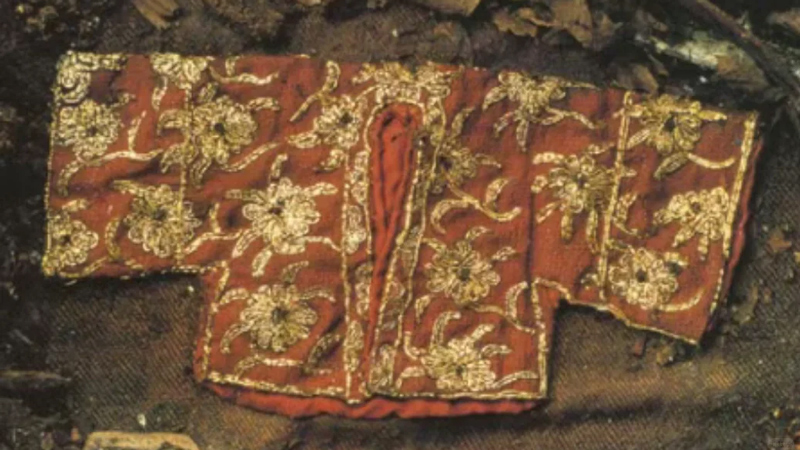
Archaeological finds, such as a miniature Banbi excavated from the Famen Temple (法门寺), underscore its cultural importance. This artifact, measuring just 6.5 cm in length, was likely created for ritual purposes, demonstrating the garment's role beyond everyday wear. The Banbi's evolution from the Sui to Yuan dynasties included innovations like the Hexiu (貉袖), a style with specific sleeve and length adjustments. These developments show how the Banbi adapted to fashion trends while maintaining its core identity as a lightweight, outer layer that enhanced an outfit's visual appeal.
Historical Popularity
During the Tang Dynasty, the Banbi became a fashion sensation, especially among elite women. Shen Congwen's (沈从文) Chinese Clothing History (中国服饰史) describes how court styles influenced widespread adoption, with the Banbi being worn over narrow-sleeved robes for a youthful effect. Its popularity peaked from the early Tang to the Zhou Dynasty under Empress Wu Zetian (武则天), where it symbolized sophistication and ease. The garment's design allowed for creative expression, with fabrics and decorations indicating the wearer's status. This period marked a high point in Chinese fashion, where clothing was both an art form and a social statement.
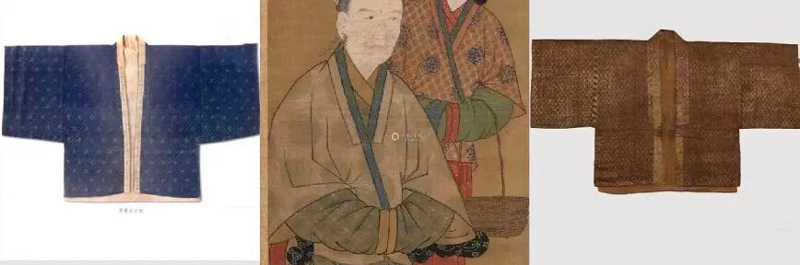
As dynasties changed, the Banbi's prominence fluctuated. By the late Tang era, its use declined in favor of other styles, but it never disappeared entirely. In the Yuan Dynasty, variations like the Hexiu offered renewed interest, featuring sleeves that didn't extend beyond the arm and a length that covered the hips. This adaptability ensured the Banbi remained relevant across centuries. Historical texts, such as the Old Book of Tang, reference "half-sleeve skirts," confirming its everyday use. The garment's journey reflects broader cultural shifts, where fashion served as a mirror to societal values and innovations.
The Banbi's design principles influenced later garments, including those in neighboring regions. Its emphasis on comfort and layering made it a precursor to modern fashion items like cardigans or shrugs. In contemporary times, designers draw inspiration from its structure to create fusion wear that bridges past and present. This enduring legacy shows how the Banbi was more than a passing trend; it was a cornerstone of East Asian apparel that encouraged individuality and practicality in dress.
Modern Interpretations
Today, the Banbi is often mislabeled as a maid's costume due to its portrayal in period dramas, where servants are shown wearing similar pieces for mobility. However, this is a cinematic simplification that ignores historical accuracy. In reality, the Banbi was a unisex item worn by nobles and commoners alike for its utility. Modern Hanfu enthusiasts have revived it as a stylish accessory, pairing it with jeans or traditional outfits for a unique look. This resurgence highlights how ancient designs can inform current fashion, promoting cultural appreciation over misconception.
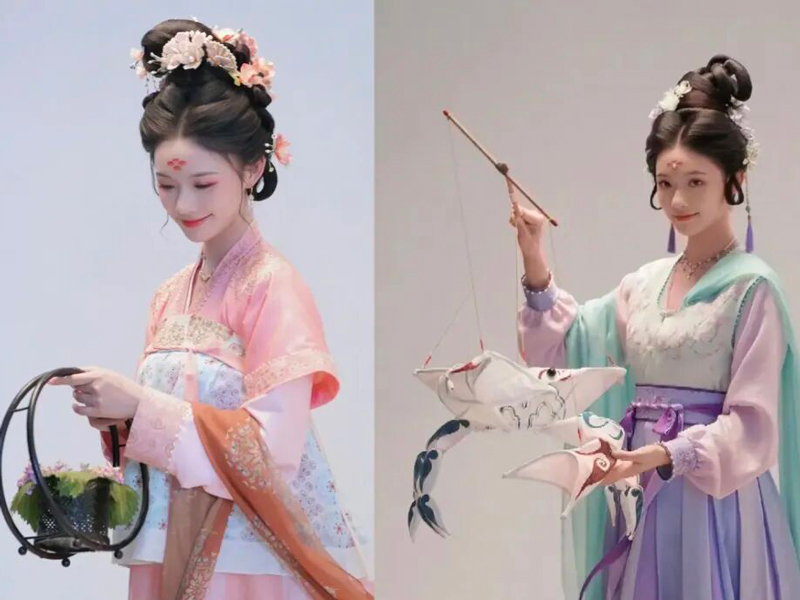
Educational efforts, such as exhibitions and online discussions, are helping to correct these myths. By explaining the Banbi's true history, advocates aim to foster a deeper understanding of Chinese heritage. For example, social media campaigns after Lin Yun's appearance sparked conversations about its versatile uses, from formal events to casual wear. This dialogue encourages people to see the garment not as a symbol of hierarchy but as a testament to innovative design that transcends time and class boundaries.
Looking forward, the Banbi's potential in global fashion is vast. Its lightweight construction and elegant lines make it suitable for various climates and occasions. Designers are experimenting with sustainable materials to create eco-friendly versions, aligning with modern values. As more people embrace cultural diversity, the Banbi stands as a reminder that fashion is a universal language. Its story invites us to rethink how we view historical attire, focusing on functionality and beauty rather than outdated stereotypes.
