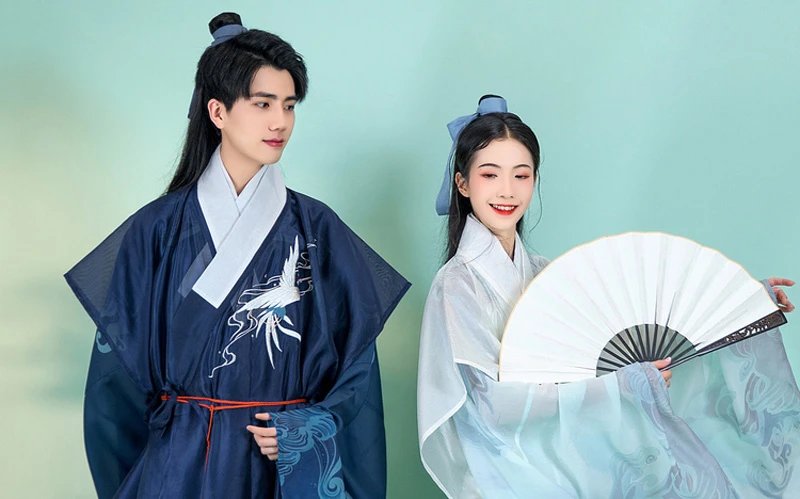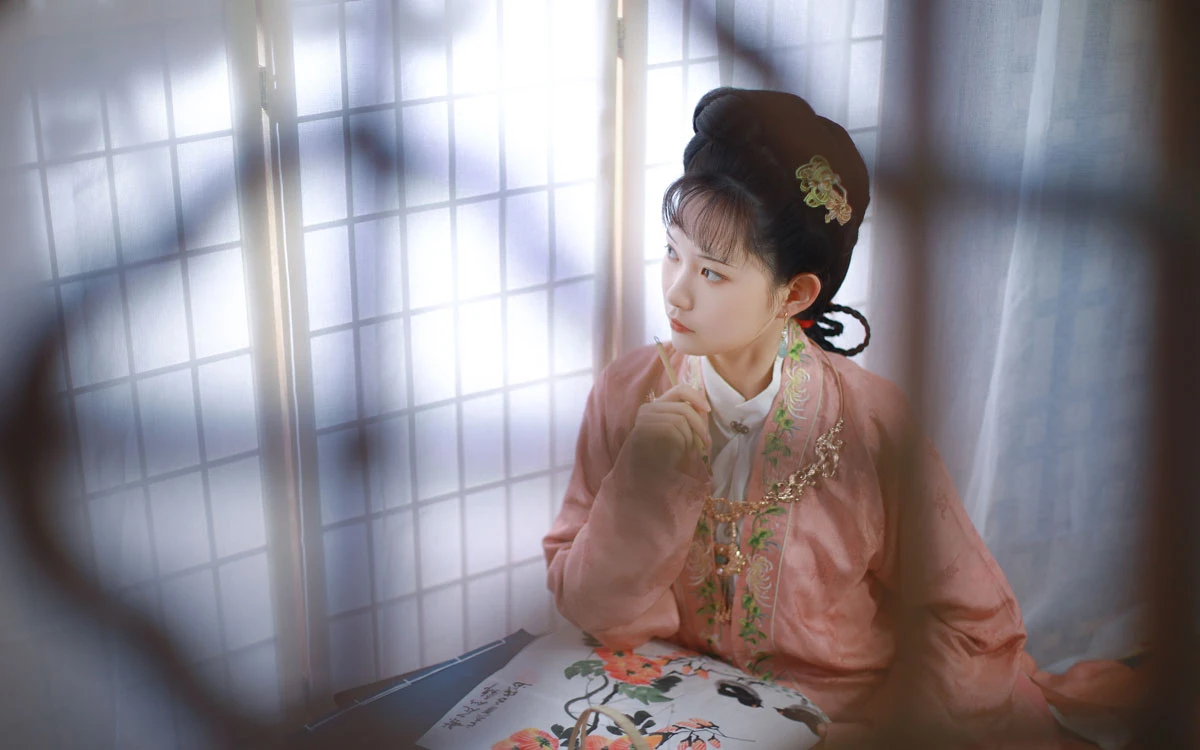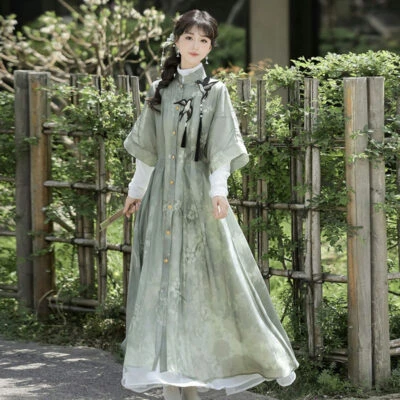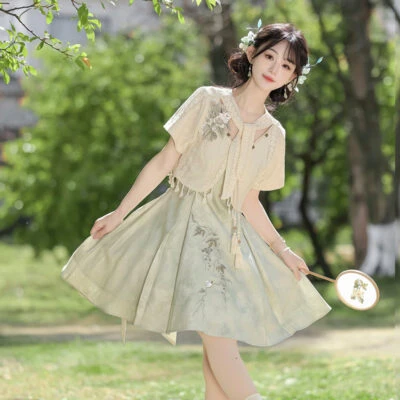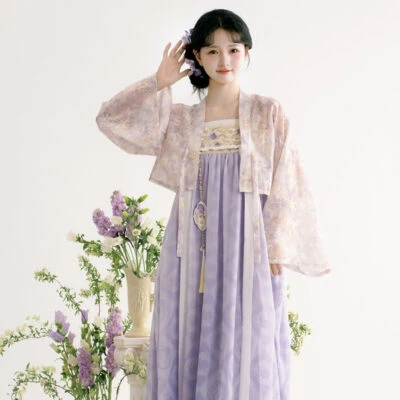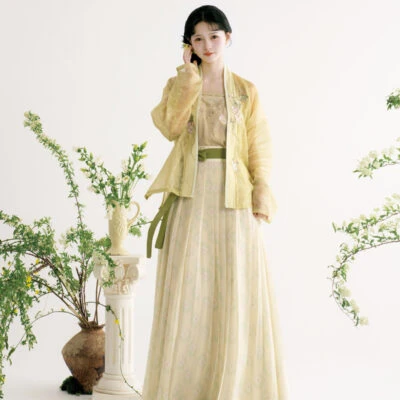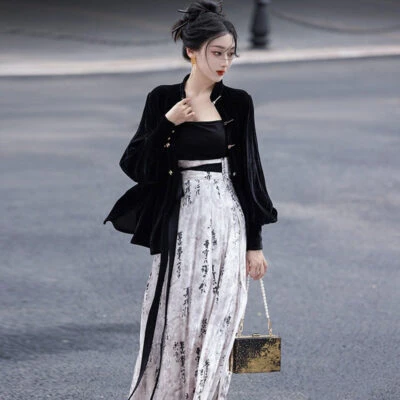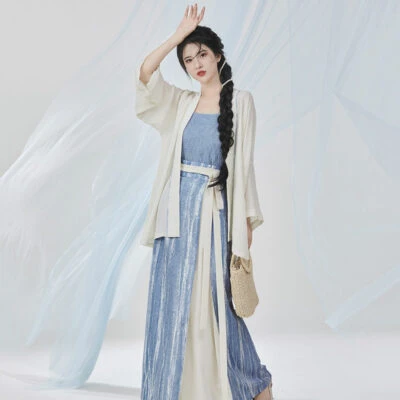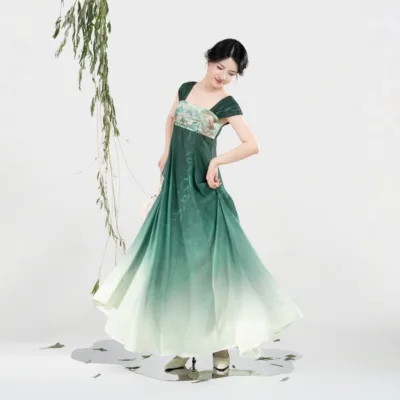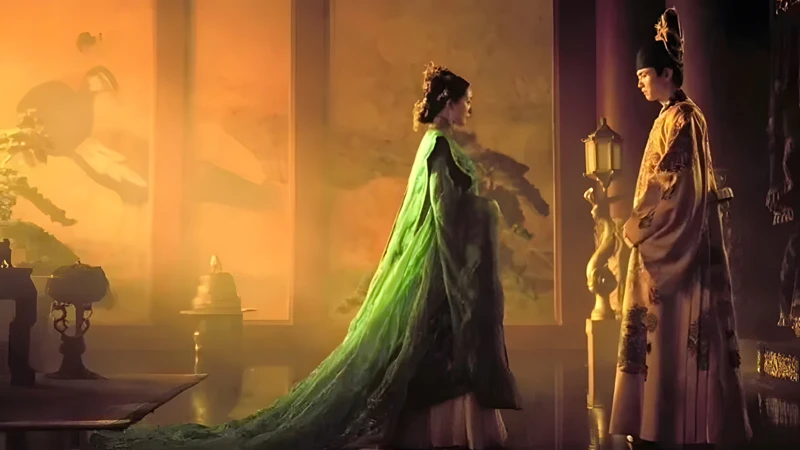
When watching Chinese period dramas, viewers often notice characters wearing elegant gowns with long, flowing trains that sweep the ground. This style sparks curiosity about its origins. Is this a genuine element from ancient Chinese fashion, or has it been influenced by Western costume design? The answer lies in a fascinating journey through history, where clothing served as a symbol of status and cultural identity.
This article delves into the evolution of these trailing garments, examining their roots in early Chinese dynasties and how they compare to similar trends in Europe. By understanding the past, we can appreciate the blend of tradition and artistic license in modern storytelling.
Ancient Roots
In the Warring States Period, early forms of trailing clothing appeared, as seen in silk paintings from Chu State tombs. These garments evolved into more structured robes during the Eastern Han Dynasty, where long trains became associated with formal wear for nobility. Over time, this style adapted, influencing later periods like the Tang Dynasty and Song Dynasty. Artworks such as Admonitions of the Instructress to the Court Ladies (女史箴图) depict women in layered outfits with distinct trailing elements, showcasing how these designs were idealized in court life. The persistence of this fashion highlights its role in denoting social hierarchy and elegance.
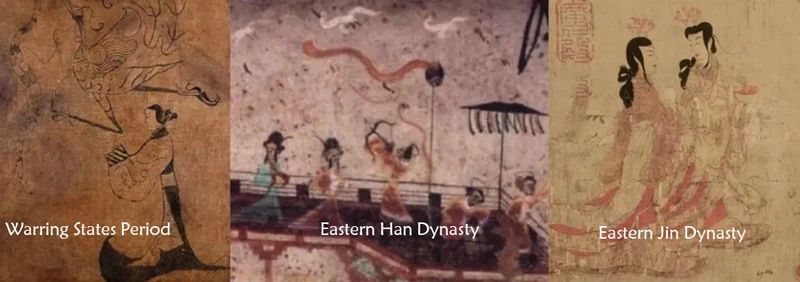
By the Eastern Jin Dynasty, Ruqun outfits—a combination of jackets and skirts—gained popularity, often incorporating trailing features. For instance, the Night Revels of Han Xizai (韩熙载夜宴图) from the Northern Song era illustrates women wearing skirts with longer back panels, allowing them to drag slightly. Archaeological finds, like those from the Huashan Song Tomb (花山宋墓), reveal skirts made of three panels: two shorter sides and a longer, pleated middle section. When wrapped, this created a graceful train, with measurements showing a 118-centimeter back length compared to a 77-centimeter front, suitable for someone of average height, emphasizing its deliberate design for trailing.
The cultural significance of these garments extended beyond mere aesthetics. In ancient China, extensive fabric use indicated wealth, as producing such items required significant resources—often dozens of meters of cloth for a single outfit. This contrasted with everyday wear, which might use only four meters. The trailing style became embedded in rituals, such as wedding ceremonies where multiple layers were worn, echoing practices that may have influenced neighboring regions like Japan. This historical context shows how trailing gowns were not just fashion statements but reflections of societal values and economic status.
Global Echoes
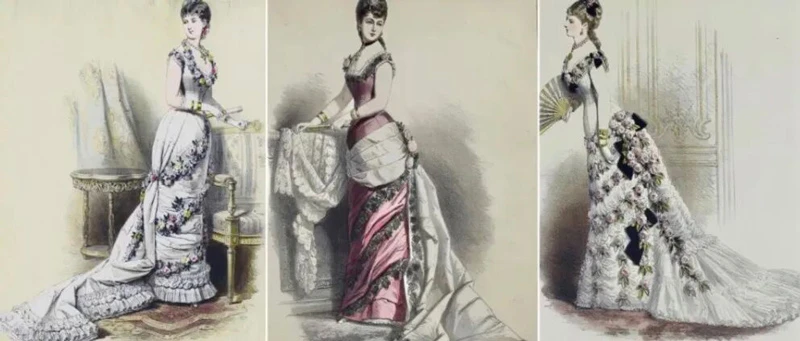
Interestingly, Europe experienced a similar trend in the 18th and 19th centuries, where aristocratic women favored dresses with long trains during the Rococo and Edwardian eras. These Western designs, often seen in formal events, used elaborate ruffles and folds to convey opulence. In contrast, Chinese trailing garments focused on the sheer volume of fabric and intricate embroidery to demonstrate luxury. This parallel development suggests a universal appeal for trailing elements in high-status attire, though the execution differed based on cultural aesthetics and tailoring techniques.
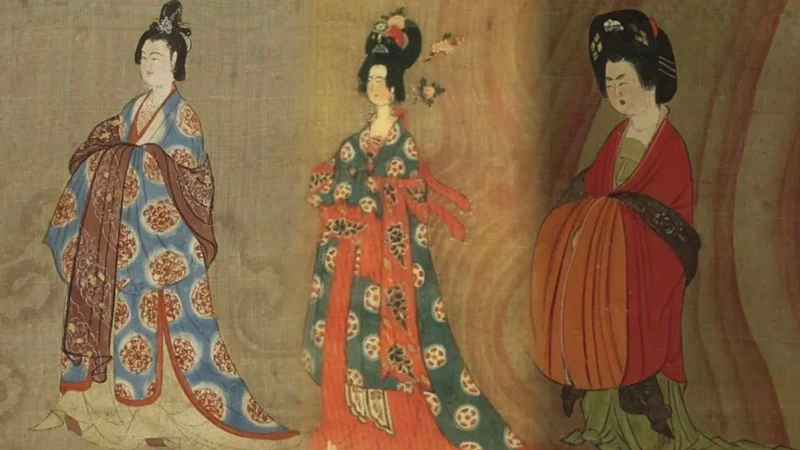
Western gowns typically emphasized three-dimensional structures with voluminous skirts and decorative elements like lace, while Chinese designs leaned towards planar construction, using flowing lines and layered silhouettes. For example, a Chinese noblewoman’s outfit might involve twelve layers of clothing, as recorded in Han Dynasty traditions for princesses’ weddings. This layering added depth and movement, creating a dramatic effect without the complex draping common in European fashion. The divergence in approach highlights how different societies expressed similar concepts of grandeur through distinct visual languages.
Despite these differences, both traditions shared a common thread: trailing garments were reserved for special occasions, symbolizing reverence and formality. In China, this might include court ceremonies or religious events, whereas in Europe, it extended to balls and royal functions. The enduring legacy of these styles can be seen today in Western wedding dresses, where trains remain a coveted feature. This cross-cultural resemblance underscores a shared human inclination to use clothing as a marker of important life moments, bridging historical and geographical divides.
Modern Interpretations
In contemporary Chinese television dramas, costume designers often draw inspiration from historical artifacts to create visually stunning outfits. However, artistic liberties are taken to enhance dramatic effect, leading to debates among audiences about authenticity. Some viewers argue that the exaggerated trailing skirts feel too Western, while others appreciate the homage to ancient elegance. Shows like Story of Yanxi Palace (延禧攻略) incorporate elements from various dynasties, blending facts with fiction to appeal to modern tastes. This creative process involves researching old paintings and texts to ensure a balance between accuracy and storytelling.
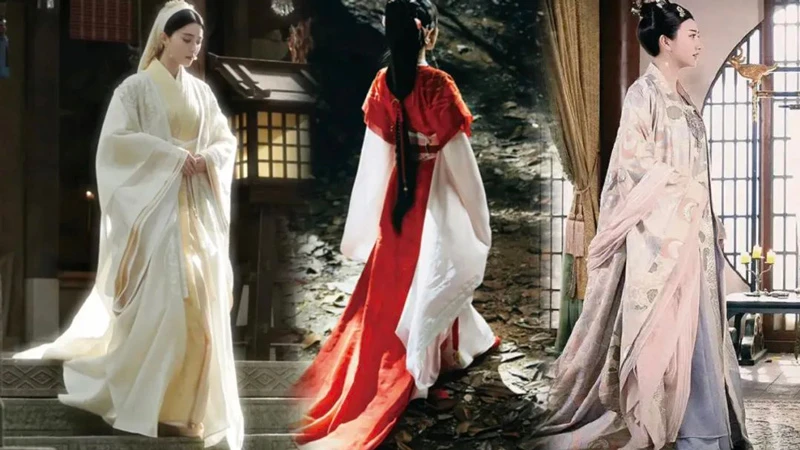
The discussion around these designs reflects broader questions about cultural representation in media. As global audiences consume Chinese dramas, the portrayal of historical fashion influences perceptions of Chinese heritage. Designers might amplify trailing features to emphasize a character’s nobility or emotional journey, using them as visual metaphors for power or romance. This approach resonates with viewers who seek immersion in a bygone era, even if it means stretching historical truths. Ultimately, these choices spark conversations that enrich public understanding of fashion history.
Looking at today’s trends, the fascination with trailing gowns persists in events like cosplay or themed parties, where people emulate dramatic styles from their favorite shows. This revival demonstrates how ancient aesthetics continue to inspire modern creativity. By examining the past, we gain insight into why certain elements endure, such as the trailing skirt’s association with grace and authority. Whether in historical reenactments or screen adaptations, these garments serve as a bridge connecting generations, reminding us of the timeless appeal of elegant design.