In the heart of ancient China, mystical beings were not just tales whispered in the night; they were integral to daily life, influencing everything from architecture to personal adornments. People placed stone lions at their gates, carved jade into beastly forms, and adorned roofs with ceramic figures, all in the hope that these divine creatures would offer protection and blessings. These entities, born from a deep reverence for nature and the unknown, continue to resonate in modern practices, symbolizing a bridge between the human world and the spiritual realm. This exploration delves into the most revered of these beings, uncovering their roles and the lasting legacy they imprint on culture and identity.
1. The Dragon’s Dominion
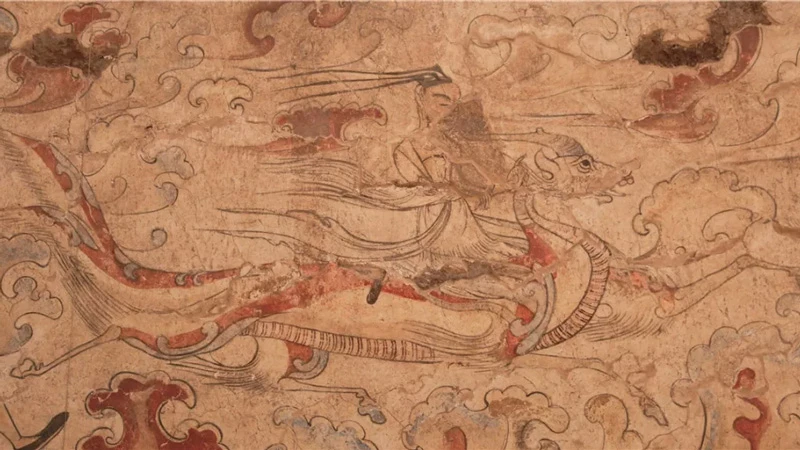
When the Dragon first emerged in Chinese lore, it was depicted as a majestic fusion of many animals: antlers like a deer, a head resembling a camel, and claws akin to an eagle. Ancient texts such as Er Ya Yi (尔雅翼) detailed this composite form, highlighting its ability to shift between visibility and invisibility, grow or shrink at will, and ascend to the heavens or dive into deep waters. This versatility made it a symbol of ultimate power and mystery, often linked to seasonal changes and agricultural cycles. Farmers looked to the sky for signs of its presence, believing that the Dragon’s appearance with rain clouds could end droughts and ensure bountiful harvests.
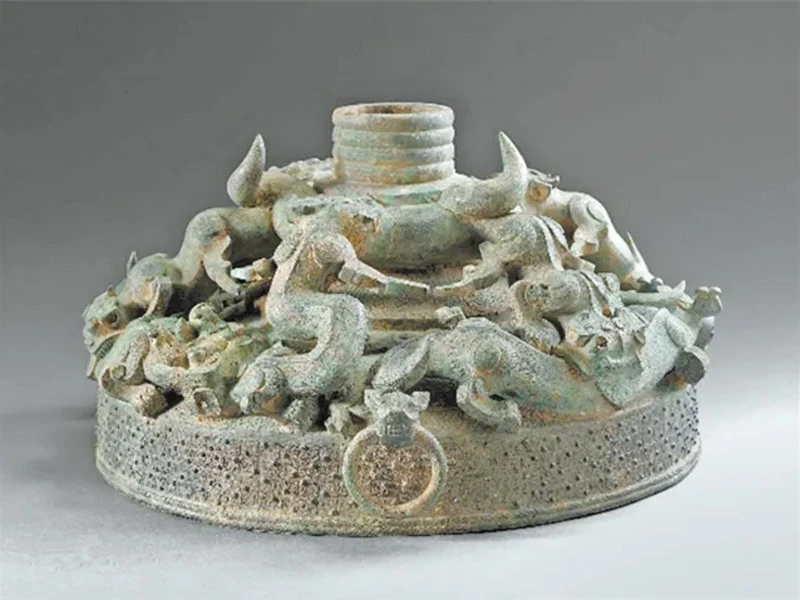
Over dynasties, the Dragon evolved from simple bronze engravings in the Shang and Zhou eras to more elaborate designs in Qin and Han times, featuring distinct horns and scales. It became intertwined with imperial authority, with emperors claiming descent from this celestial being to legitimize their rule. Legends spoke of figures like the Yellow Emperor being conceived through divine encounters with Dragons, reinforcing the idea that these creatures were ancestors of great leaders. Today, the Dragon remains a proud emblem for many, representing strength and resilience, and the phrase “descendants of the Dragon” echoes a shared heritage that transcends generations.
2. Phoenix’s Elegance
The Phoenix, known as Fenghuang (凤凰) in Chinese, was celebrated as the queen of all birds, often appearing during eras of peace and prosperity. Described in classics like Shan Hai Jing (山海经) as a resplendent bird with colorful plumage, it was said to feast only on sweet springs and perch solely on paulownia trees. Its arrival signaled harmony and renewal, as seen in stories where it graced ceremonies like the one after Yu the Great tamed the floods. This creature embodied grace and nobility, with attributes including a fowl’s head, a swallow’s chin, and a serpentine neck, making it a poetic symbol in verses from works such as Shi Jing (诗经).
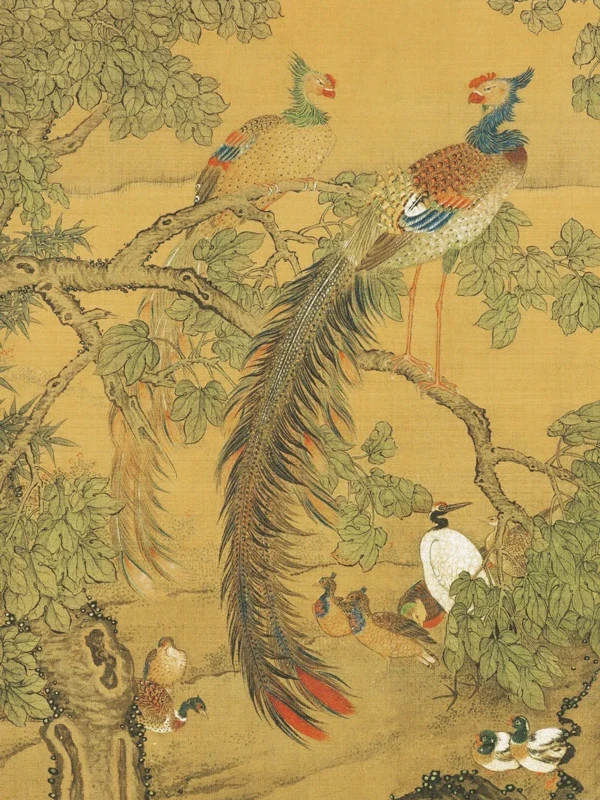
Unlike the Dragon, the Phoenix was associated with feminine energy and often paired with it to represent marital bliss and cosmic balance. In Han dynasty beliefs, it joined the Dragon, Qilin (麒麟), and the divine turtle as one of the “Four Auspicious Beasts,” each governing a domain of the natural world. Artisans depicted it in intricate designs on robes and artifacts, emphasizing its role as a harbinger of tranquility. Even now, the Phoenix inspires art and fashion, reminding people of the beauty that arises from calm and order, and its image adorns everything from wedding decorations to modern logos.
3. Qilin’s Compassion
Revered for its gentle nature, the Qilin was a chimera-like creature with a deer’s body, an ox’s tail, and a single horn, often covered in shimmering scales. It was said to walk so lightly that it never crushed grass or insects, earning it a reputation as a benevolent force. Historical accounts, including those in Shuo Wen Jie Zi (说文解字), noted its resemblance to a large stag, and it was considered the chief of all hoofed animals. This benevolent divine beast was believed to appear only in times of righteous rule, bringing good fortune and moral clarity to society.
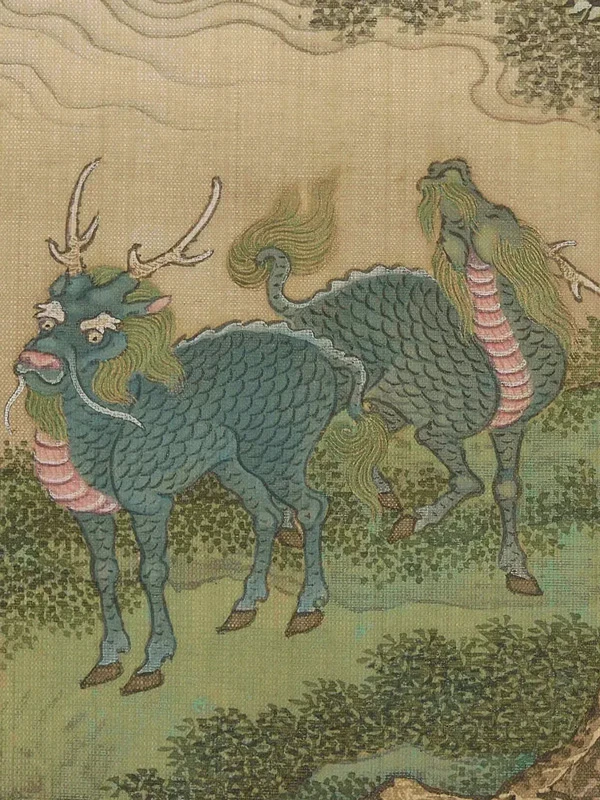
One famous legend tells of the Qilin presenting a jade book to Confucius’s family before his birth, foretelling his wisdom and impact despite never holding a throne. During the Tang dynasty, its image was reserved for high-ranking military officials’ uniforms, symbolizing authority and virtue. By the Ming and Qing periods, the Qilin had entered everyday life through porcelain, woodcuts, and textiles, often depicted in a more docile form. Additionally, it was hailed as a bringer of children, with phrases like “Qilin son” praising bright and virtuous offspring, weaving it into the fabric of family hopes and dreams.
4. Pixiu’s Fortune
As a mythical hybrid of a lion and a dragon, the Pixiu (貔貅) boasted large eyes and a gaping mouth, adorned with dragon-like scales and a powerful build. Legend claims it was a son of the Dragon punished for stealing celestial treasures, which left it unable to expel what it consumed, thus becoming a magnet for wealth and riches. People carved it into jade amulets, often shown lying down or clutching coins, and wore it with red strings to attract prosperity and ward off evil spirits. This creature symbolized not just financial gain but also protection, as it was thought to have aided ancient rulers like Yan and Huang Di (炎黄帝) in battles.
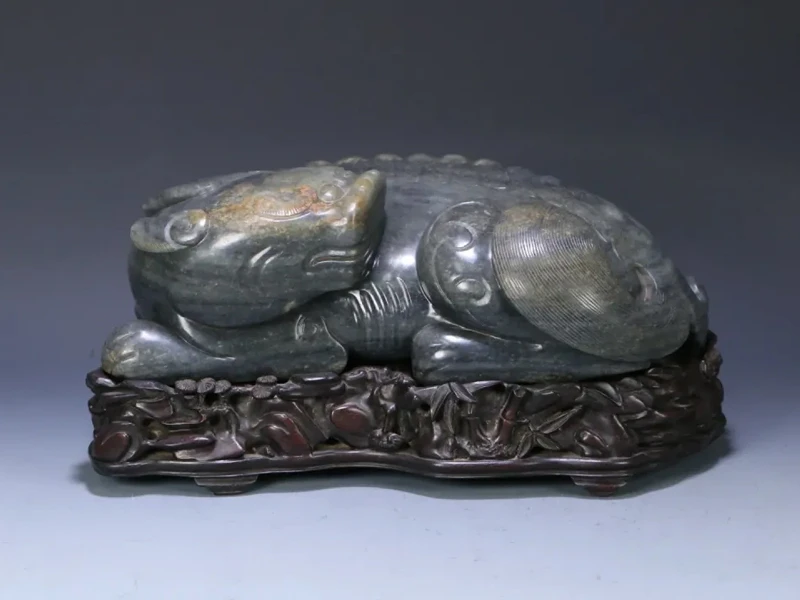
In folk traditions, touching a Pixiu statue was believed to invoke escalating blessings: first for enhanced luck, then for overflowing wealth, and finally for career advancement. It was honored as the “Heavenly Fortune Beast,” a title bestowed for its loyal service, and its image populated homes and businesses as a charm against misfortune. Today, you can spot Pixiu motifs in modern jewelry and decor, where they serve as reminders of the enduring desire for security and success, blending ancient beliefs with contemporary aspirations.
5. Turtle’s Longevity
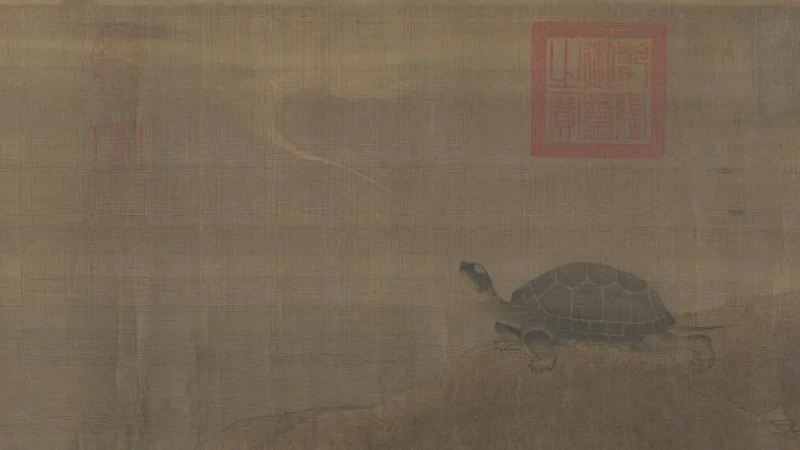
The divine turtle, the only real animal among the mythical quartet, was esteemed for its wisdom and connection to the spiritual world.
Known for its incredible lifespan, often said to reach nine hundred years, the turtle became a universal symbol of endurance and health. Ancient societies incorporated its form into ritual objects like bronze vessels and jade discs, expressing reverence for ancestors and the natural order. Even now, in a world driven by science, the turtle holds a place in cultural ceremonies and art, representing stability and the quiet strength that comes from ages of observation, a testament to the timeless appeal of these guardian beings.