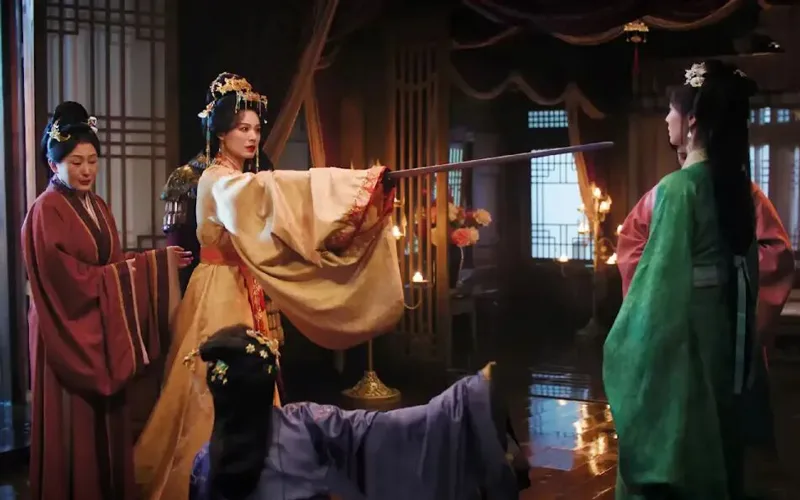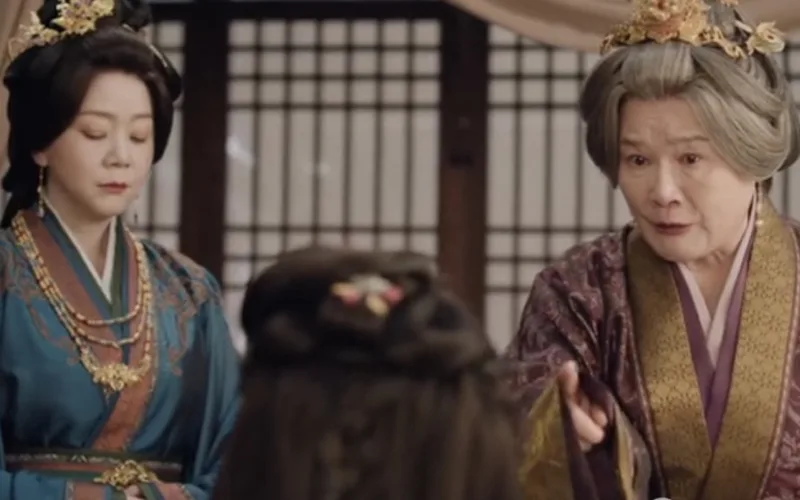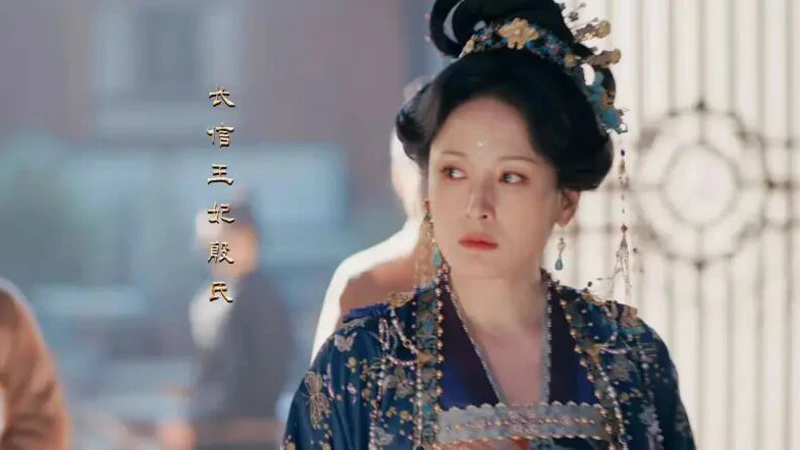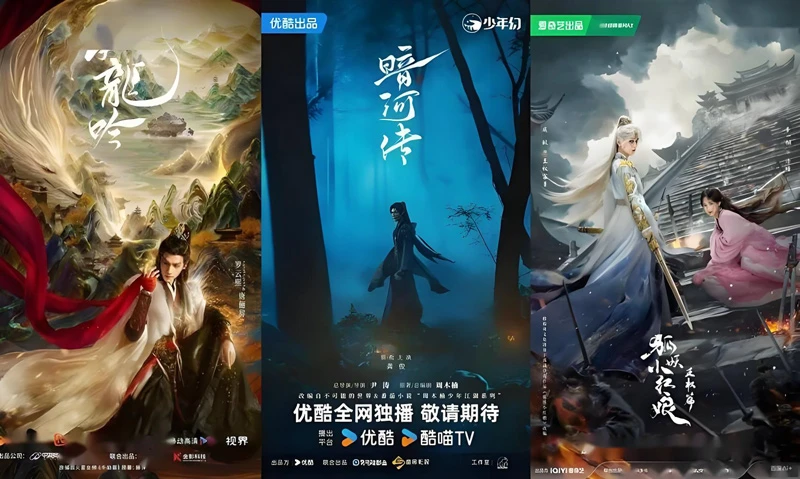
Martial arts storytelling is entering a dynamic phase of innovation. The concept of Xuanxia (玄侠) merges mystical realms with classic warrior ethics, offering new narrative dimensions. Whispers of Fate (水龙吟) exemplifies this by building an original “Xuanxia” universe.
Blood River (暗河传) presents Gao Wu Di Xuan (高武低玄), where physical prowess overshadows supernatural elements. Meanwhile, Sword and Beloved (天地剑心) blends fantasy, romance, and Wuxia foundations to create engaging plots.
These changes expand the genre’s creative boundaries, yet they invite scrutiny. Defining these hybrid categories proves difficult. Balancing imaginative and traditional components requires careful thought. Whether this evolution can address longstanding issues in martial arts drama is uncertain, but it undoubtedly fosters artistic diversity and viewer interest.

1. Fantasy Fuels Wuxia’s New Era
Traditional Wuxia stories have long centered on chivalry and martial honor, weaving tales of loyalty and revenge within a grounded world of skilled fighters. Now, a fresh wave of narratives is emerging, blending these elements with supernatural features to create something entirely new. This fusion not only expands the scope of action but also reshapes how audiences engage with these sagas, moving beyond physical combat into realms where imagination fuels the drama.
Story Foundations
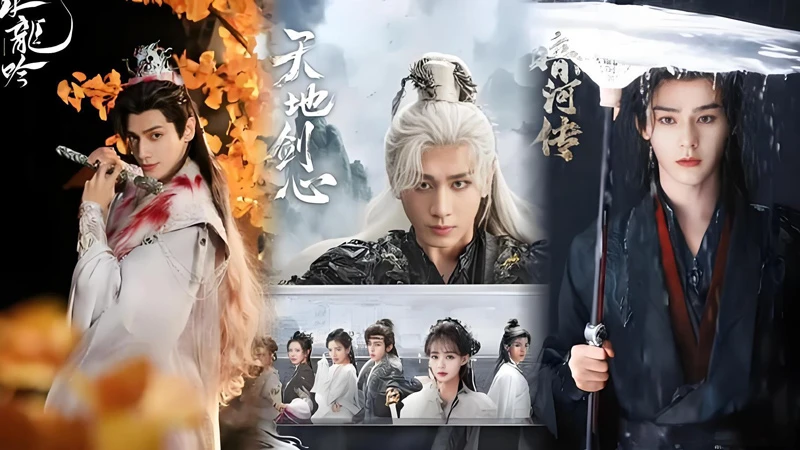
In series like Whispers of Fate, the protagonist faces betrayal from old allies, drawing him into a plot that threatens the entire martial world. His journey to uncover the truth introduces allies and enemies alike, all while navigating a landscape where personal history intertwines with larger conspiracies. This setup retains the core of Wuxia’s moral dilemmas but layers it with mysterious origins and hidden powers.
Blood River delves into the power struggles within a legendary assassination guild, where leadership vacuums spark intense rivalries. A key figure finds himself torn between duty and friendship, forced into conflicts that test his beliefs. The narrative maintains the tension of traditional faction wars while introducing elements that hint at otherworldly influences, deepening the character dynamics.
Another example, Sword and Beloved, focuses on a romance between a weaponized human and a supernatural being, set against a backdrop of clashing clans and mystical beings. While love drives the plot, the world-building incorporates fantastical hierarchies and conflicts, offering a fresh take on classic themes of redemption and identity within a martial framework.
Visual Flair
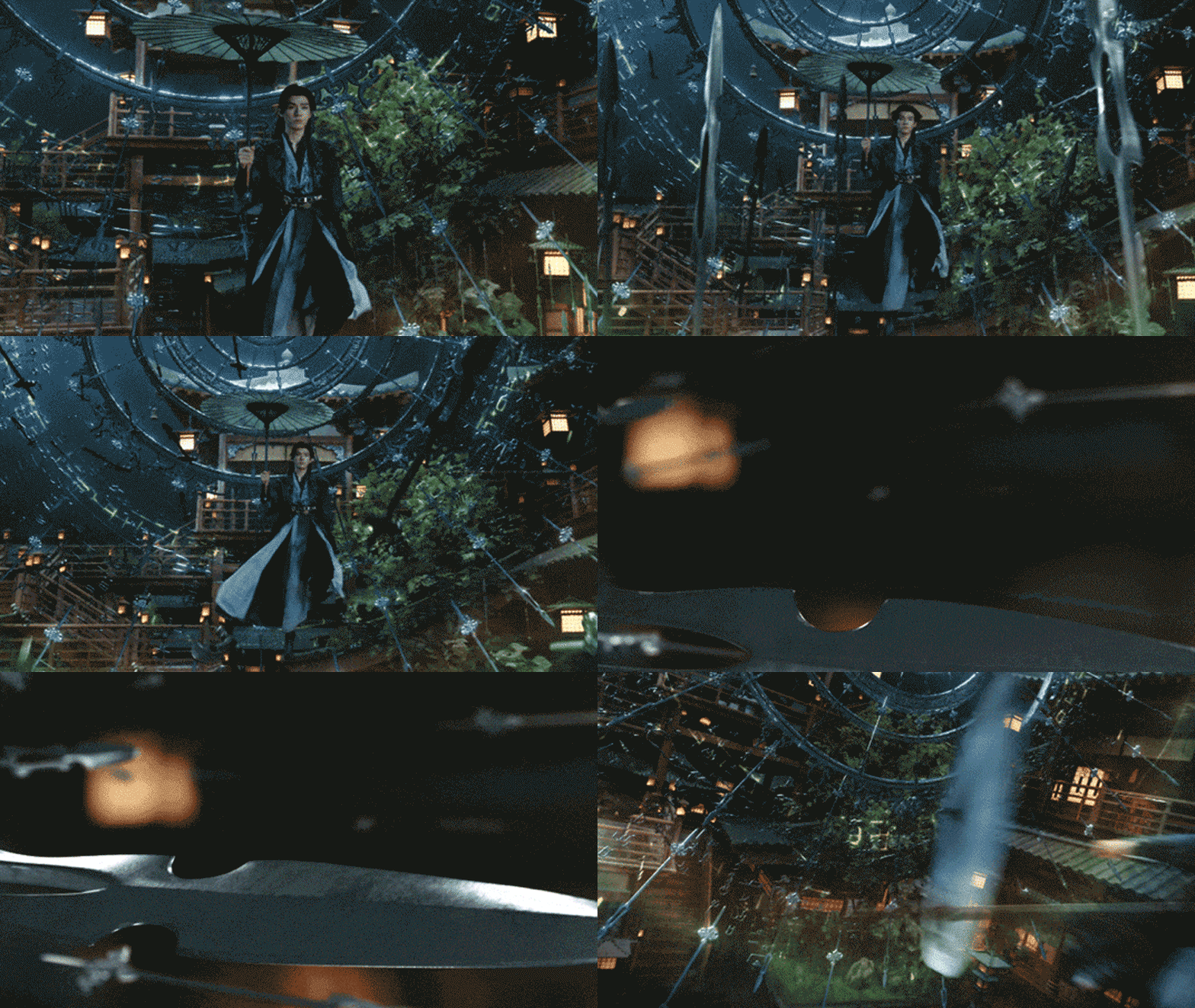
Fight scenes in this evolved genre rely heavily on special effects to depict abilities like energy projections and extended sword beams that defy physics. Instead of realistic brawls, audiences witness spectacular displays where combatants summon ethereal forms and unleash attacks that span great distances, emphasizing scale and visual impact over brute force.
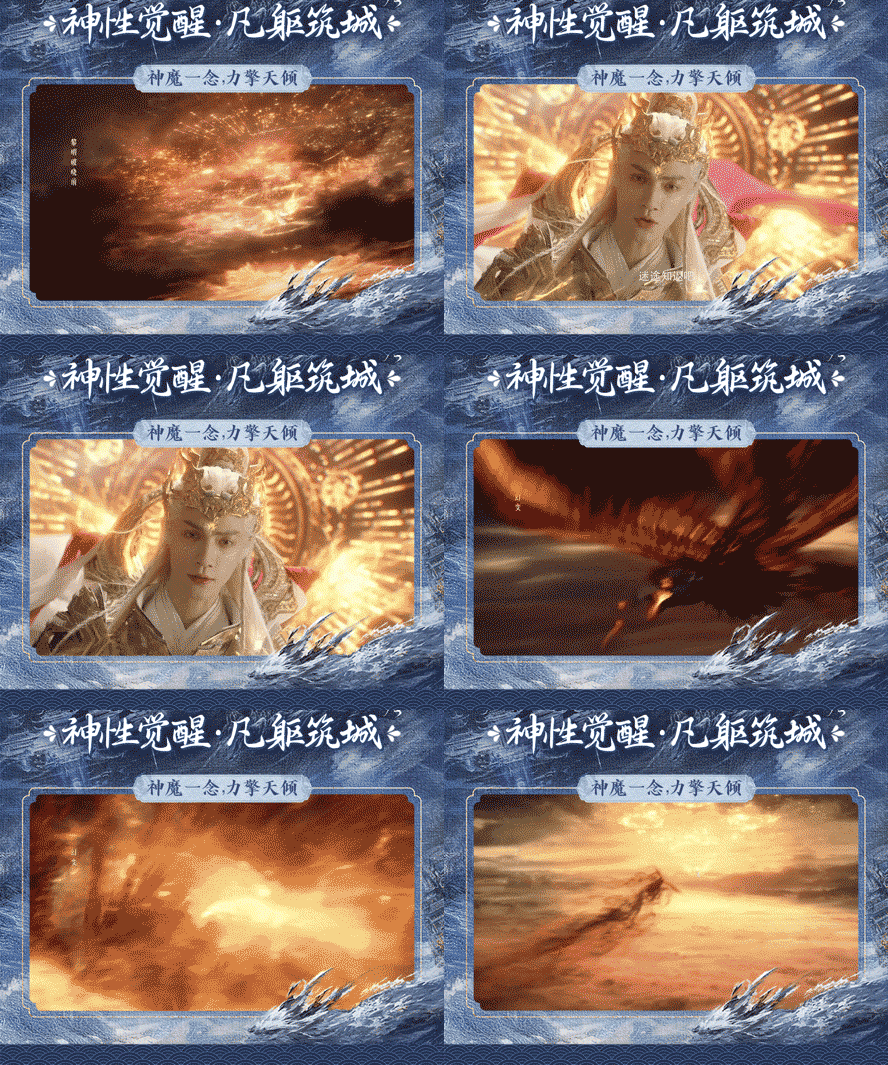
Character designs contribute to this aesthetic, with flowing costumes and intricate accessories that enhance movement and drama. When techniques are executed, they often burst with colorful light and dynamic animations, creating moments that are both beautiful and thrilling. These visual choices not only distinguish the genre but also make each battle a memorable spectacle.
Sets and props are crafted to reflect an idealized version of ancient eras, incorporating symbolic elements that resonate with cultural motifs without being overly ornate. This approach ensures that the environment supports the story without overwhelming it, providing a cohesive backdrop that feels both familiar and fantastical.
Digital Reach
This blend of fantasy and action aligns well with modern viewing habits, particularly on platforms where short, eye-catching clips thrive. Scenes with striking visuals or emotional peaks are easily shared, drawing in viewers who might not commit to full episodes but enjoy bite-sized content that highlights the series’ best moments.
Fans and creators often remix these segments into new works, fostering a community around the shows. This grassroots promotion amplifies visibility and sparks discussions, helping to build momentum and attract a broader audience. The shareable nature of these elements turns viewers into advocates, extending the life of the series beyond its initial release.
By catering to preferences for visually driven storytelling, these productions tap into trends that prioritize immediate engagement. This strategy not only sustains interest but also encourages ongoing interaction, making the genre a staple in today’s entertainment landscape where aesthetics and accessibility go hand in hand.

2. Fantasy Wuxia’s Creative Evolution
In recent years, television series blending Wuxia with fantasy elements have emerged, capturing audience attention with their imaginative settings. This fusion introduces magical realms and supernatural abilities into traditional martial arts stories, creating a fresh visual experience. However, it also raises questions about how to maintain the essence of martial arts storytelling while incorporating these new components. As creators experiment with this hybrid style, they face the task of balancing innovation with the core values that define the genre. This shift reflects broader trends in media where old forms are reinvented to appeal to modern viewers, yet it demands careful handling to avoid losing what made Wuxia enduringly popular.
Genre Boundaries
One significant issue in these series is the blurring of genre lines. When fantasy terms and scenes appear, viewers often debate whether they are watching Wuxia or Xianxia, a related genre focused on immortal beings. This confusion can distance audiences who expect clear martial arts themes. For instance, series like The Blood of Youth (少年歌行) incorporate mystical elements that sometimes overshadow the physical combat, leading to mixed reactions. The uncertainty about genre identity makes it hard for these shows to build a loyal following or be recognized as genuine revivals of Wuxia traditions.
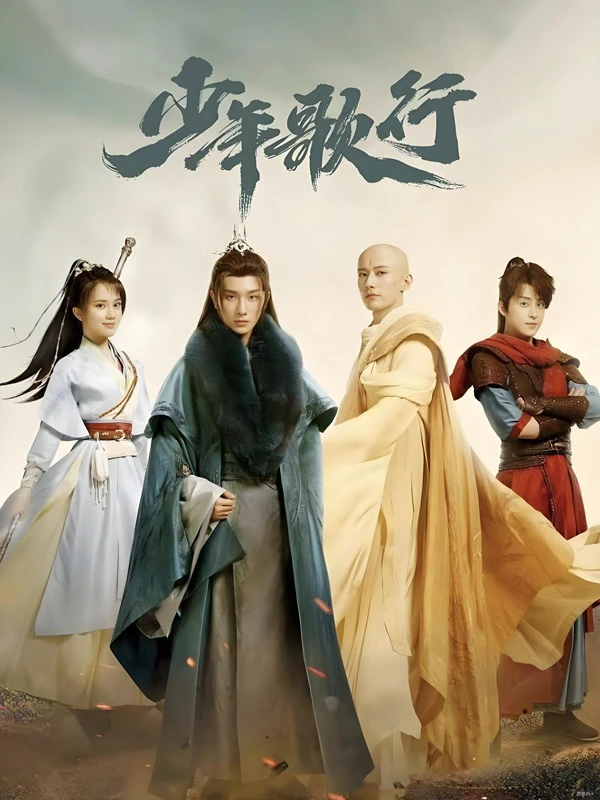
Another factor is the casting of popular actors whose polished images and less grounded performances further alienate viewers. Their stylish appearances and reliance on digital effects can make the action feel disconnected from the raw intensity of classic Wuxia. This mismatch highlights a deeper challenge: if audiences do not see the series as true to the genre, they may dismiss them entirely. Consequently, without a strong genre foundation, these productions struggle to achieve breakout success and often spark debates over their artistic direction.
The complexity of fantasy worlds adds to the difficulty. Intricate systems of factions, powers, and relationships require skilled storytelling to be comprehensible. When narratives lack clear focus or engaging hooks, viewers can become lost, reducing the impact of even the most elaborate setups. This underscores the need for writers to prioritize coherence and emotional resonance over sheer scale, ensuring that the fantasy elements enhance rather than overwhelm the story.
Visual Effects
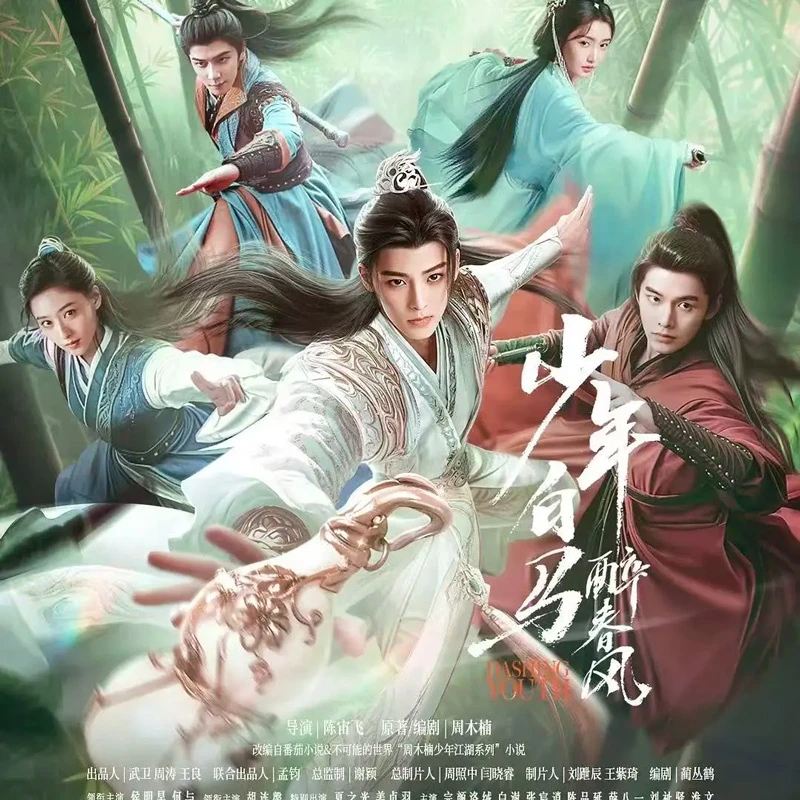
Special effects play a crucial role in modern Wuxia series, but their application must be measured. In Dashing Youth (少年白马醉春风), fight scenes were criticized for overusing digital visuals at the expense of actual martial arts choreography. Characters would unleash powers with minimal physical movement, leading to complaints that the series should drop its Wuxia label. This overreliance on technology can dilute the authenticity that fans cherish, turning dynamic battles into static displays.
In contrast, Blood River learned from this by integrating effects more sparingly and ensuring actors performed substantive action sequences. This approach received positive feedback, showing that a balanced use of visuals can support rather than replace traditional elements. It demonstrates how effects should complement the physicality of fights, preserving the excitement of hand-to-hand combat while adding imaginative flair. This middle ground helps maintain the genre’s spirit while embracing modern production techniques.
However, special effects cannot mask deeper issues like a shortage of skilled fight designers. Many productions try to bypass this gap with digital solutions, but this often results in hollow action that fails to engage viewers. The real challenge lies in cultivating talent that understands both martial arts and contemporary media, ensuring that effects serve the story rather than become a crutch. By focusing on practical skills alongside technological innovation, creators can achieve a more harmonious blend.
Storytelling Essentials
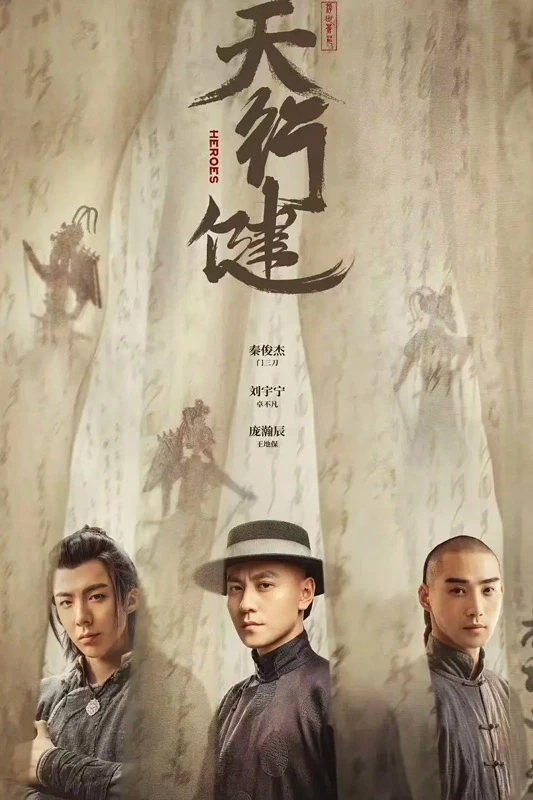
At its heart, the success of any series depends on compelling narratives and well-developed characters. Early Wuxia shows with limited budgets became classics because they prioritized strong plots and relatable personas. Similarly, recent series like Heroes (天行健) gained acclaim through their focus on human drama and moral dilemmas, proving that substance outweighs style. These examples highlight that, regardless of genre twists, audiences connect with stories that evoke emotion and depth.
The evolution of fantasy Wuxia should not neglect this foundation. While new elements can attract interest, they must reinforce rather than replace core themes of justice, loyalty, and personal growth. By updating stories to reflect contemporary values without losing timeless appeal, creators can resonate with today’s viewers. This involves crafting characters who face relatable struggles, even in fantastical settings, making the narrative feel immediate and meaningful.
Ultimately, the future of these series lies in embracing simplicity and authenticity. Instead of chasing trends, focusing on robust writing and character development can lead to more enduring works. As the industry evolves, this approach ensures that Wuxia remains relevant, demonstrating that true innovation comes from honoring the past while thoughtfully integrating the new.

3. Genre Remix
The television landscape is witnessing a quiet revolution within one of its most enduring genres. Once a cornerstone of popular entertainment, the classic martial arts story is being reworked for a new generation. This is not a simple revival of past glories but a fundamental reimagining. Producers are blending established formulas with unexpected elements, creating hybrid narratives that challenge what a martial arts show can be. This movement stretches from high-concept genre fusions to a deliberate shift in narrative perspective, ensuring the spirit of Wuxia evolves rather than fades away.
Hybrid Heroes
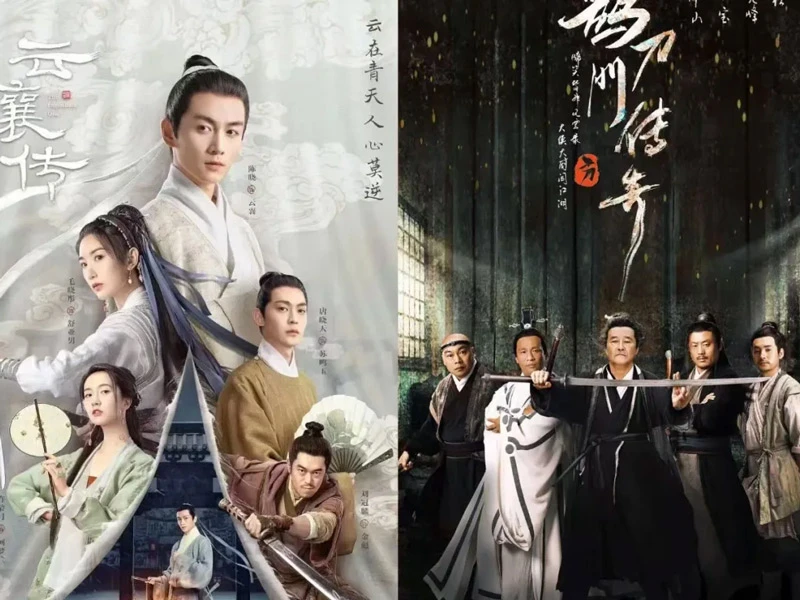
The most visible sign of change is the fusion of martial arts with other genres. The series The Ingenious One (云襄传) introduced the concept of a “strategy-hero,” where the protagonist relies on intellect rather than physical prowess. Its success proved audiences were ready for a different kind of hero, one who wins battles with cunning plans instead of superior swordsmanship. This opened the door for other combinations, like the martial arts-mystery seen in Mysterious Lotus Casebook (莲花楼), where solving crimes is as important as mastering a fighting style.
Comedy has also become a key ingredient. Legend of the Undercover Chef (鹊刀门传奇) uses a distinct northeastern Chinese comedic style to tell its martial arts tale. Its popularity stems from balancing authentic action sequences with humorous character interactions. This approach makes the often-serious world of martial arts more accessible and entertaining, broadening its appeal beyond traditional fans who might find classic stories too solemn or predictable.
Even fantasy is being woven into the fabric of these stories. While some purists may balk, integrating supernatural elements allows for grander visual spectacles and more imaginative plots. This trend is evident in upcoming productions that move beyond the grounded physics of traditional Jin Yong (金庸) adaptations, suggesting a future where the genre’s boundaries are limited only by the creators’ imagination.
New Perspectives
A more profound shift is occurring in who gets to tell the story. For decades, martial arts dramas were overwhelmingly told through a male lens, focusing on brotherhood, revenge, and national loyalty from a male perspective. This is rapidly changing. Recent productions are deliberately centering female experiences, offering a fresh take on familiar themes.
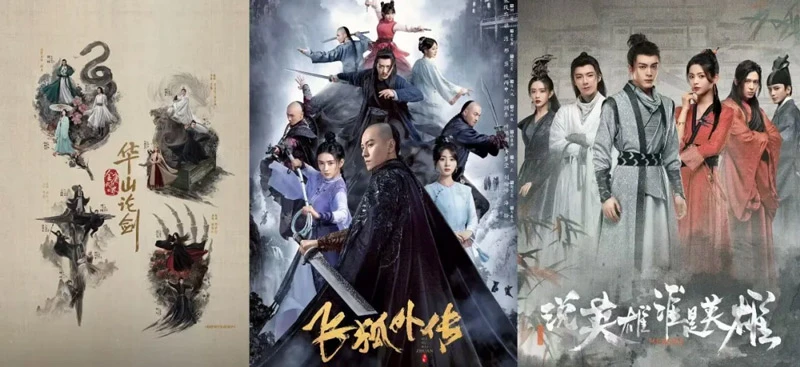
Shows like A Journey to Love (一念关山) and Snowy Night Timeless Love (七夜雪) are classified as ancient-costume martial arts love stories, but their narrative weight rests on the female lead. These characters are written with agency from the start, their personal journeys and martial prowess driving the plot forward rather than serving as a supplement to a male hero’s arc. Their goals and growth are their own.
This trend continues with upcoming series such as The Assassin (隐娘), which focuses on a group of female assassins in the tumultuous Tang Dynasty. Their story is one of survival, betrayal, and fighting to control their own destinies. Similarly, the anticipated project Chang Ling (长陵) is built around a female war deity seeking vengeance after a betrayal, a classic martial arts trope now viewed through a female gaze.
Core Evolution
This wave of innovation does not mean the past is forgotten. The industry continues to draw from the deep well of classic authors like Gu Long (古龙). However, these are not straightforward adaptations. A project like Remnants of Gold (金色), based on Gu Long’s work, reportedly abandons the original male viewpoint to tell a story of female revenge in the desert, starring actress Xin Zhilei (辛芷蕾).
Ultimately, the genre’s health depends on its ability to resonate with today’s viewers. By mixing genres, shifting perspectives, and boldly reworking classics, creators are keeping the martial arts spirit alive. The journey of the hero continues, but the path is now wider, welcoming more travelers and leading to unexpected destinations.

4. Can Fantasy Revitalize Wuxia?
Wuxia dramas are innovating by blending traditional martial arts with fantasy elements, creating subgenres like Xuanhuan and Xuanxia. Series such as Whispers of Fate and Blood River exemplify this trend, building original universes where mystical powers coexist with warrior ethics. This fusion expands creative boundaries and enhances visual spectacle, making the genre more shareable on digital platforms. However, it presents challenges, including difficulty in defining these new hybrid categories and balancing imaginative components with the genre’s core foundations. While it’s uncertain if this evolution can solve all of Wuxia’s longstanding issues, it undoubtedly fosters artistic diversity and has successfully captured modern viewer interest, signaling a dynamic new phase for the genre.