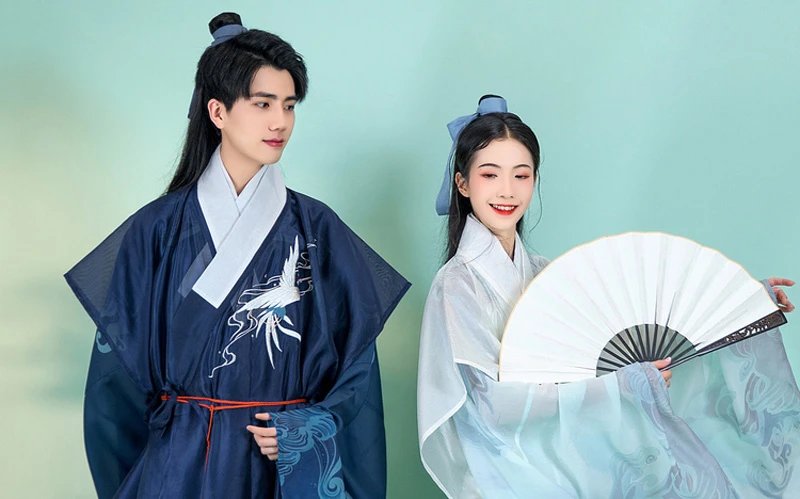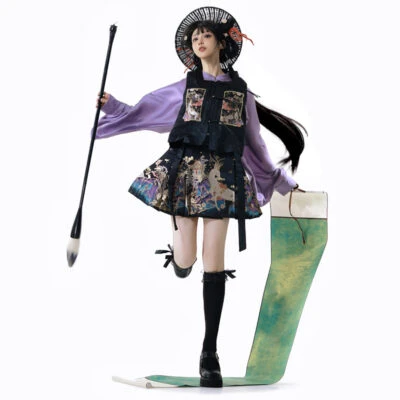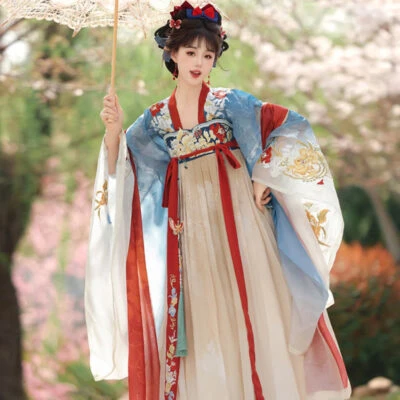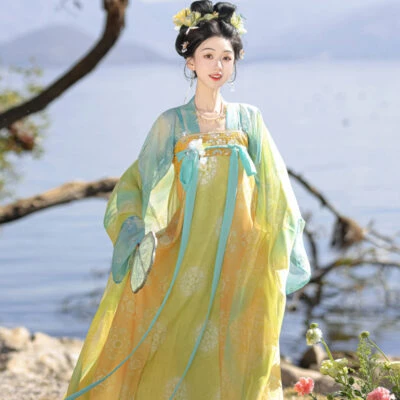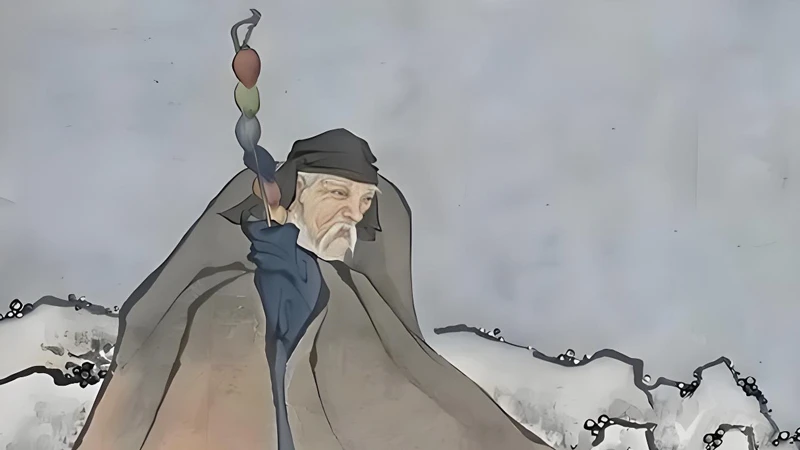
As temperatures drop, modern minds might wonder how people in ancient China managed to stay warm without today’s advanced materials. Long before down jackets and thermal wear, they developed ingenious clothing solutions that evolved over millennia. From the earliest use of animal hides to the sophisticated integration of silk and even paper, these garments were not just functional but also reflected social status and cultural values. Each dynasty introduced its own innovations, turning winter wear into a fascinating aspect of historical life. This journey through time reveals how creativity and resourcefulness helped generations withstand the chill, with styles that ranged from luxurious furs to lightweight yet warm layers. By examining these ancient practices, we gain insight into a world where fashion and necessity intertwined seamlessly.
Fur and Leather
In ancient China, animal skins served as the primary defense against the cold, dating back to prehistoric times. Early humans relied on hides from hunted game, which provided basic insulation. As societies advanced, these evolved into more refined Qiu (裘), or fur garments, particularly during the Spring and Autumn period. These items became symbols of wealth and power, with nobility often sporting furs from foxes, leopards, and lambs. Classics like the Book of Songs (礼记) frequently mentioned such attire, highlighting their importance in daily life and ceremonial occasions. For instance, verses described lords wearing fox furs to court, emphasizing how these pieces blended practicality with prestige.
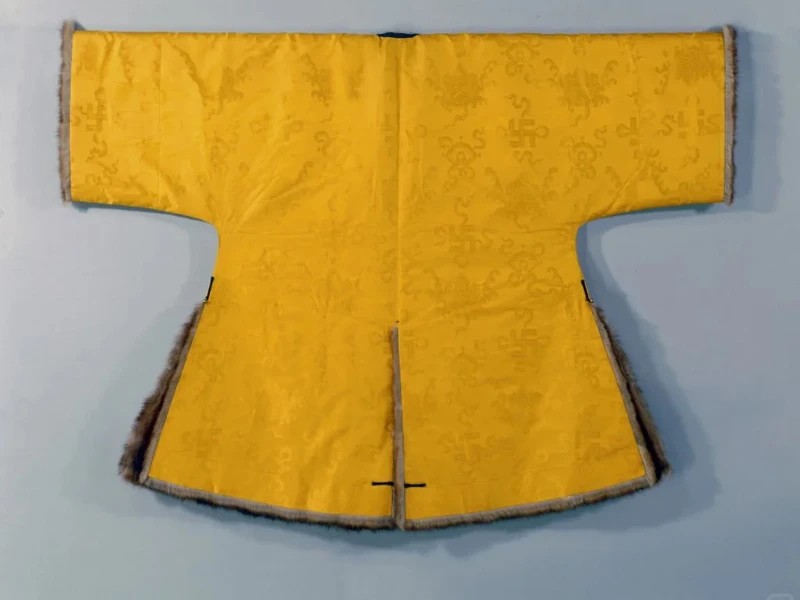
By the Tang Dynasty, fur clothing had become highly stratified, with the elite donning luxurious options like mink and sable, while commoners made do with dog or sheepskin. Emperors and officials would wear these during winter rituals, as recorded in historical texts. The poet Bai Juyi (白居易) once wrote about his own fur coat, praising its warmth and comfort in verses that depicted it as soft as clouds. This widespread use underscored how fur was not just a garment but a cultural staple, adapted to various climates across regions. Its durability and insulation made it a go-to choice, especially in northern areas where winters were harsh and prolonged.
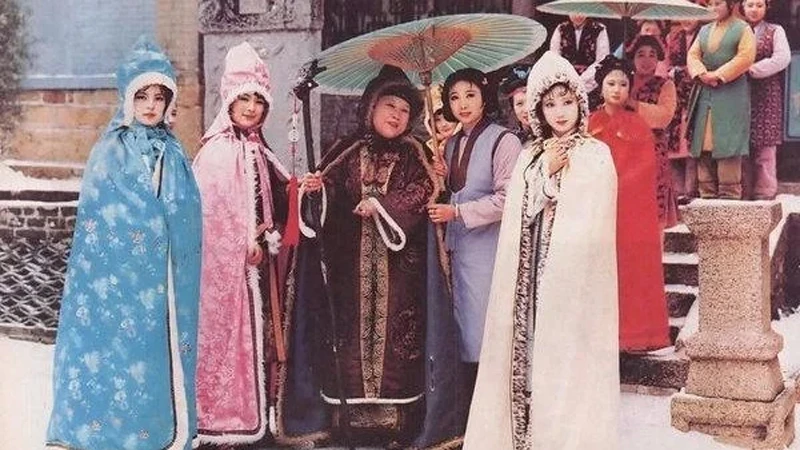
The significance of fur extended beyond mere warmth; it was embedded in social hierarchies and artistic expressions. In the Qing Dynasty, cloaks derived from earlier designs like the Hechang (鹤氅), a crane-feather coat, gained popularity among the affluent. These items, often elaborately decorated with embroidery or lined with fur, appeared in literature such as A Dream of Red Mansions, which described varieties in vibrant colors and materials. Whether for a leisurely stroll or a formal event, these garments added a touch of elegance to winter scenes, illustrating how ancient Chinese continuously refined their approach to cold-weather fashion.
Silk Wadding
Before cotton became common, silk played a crucial role in winter clothing, particularly in the form of padded robes and jackets. During the Tang Dynasty, people wore Pao (袍) and Ao (袄), which were layered garments filled with silk floss. The former was typically a long outer coat reaching the ankles, while the latter served as a shorter jacket or underlayer. This system allowed for adjustable warmth, as the silk filling could be added or removed seasonally. The process of “stuffing silk,” known as Zhuang Mian (装绵), involved carefully placing silk wadding into the fabric layers, ensuring even distribution for optimal heat retention.
Silk wadding came in different grades, with higher-quality strands used for nobility and lower grades for the general populace. Derived from silkworm cocoons, especially those unsuitable for spinning, this material was lightweight yet effective at trapping body heat. Over time, these garments required maintenance, such as fluffing the silk to restore its loftiness or adding new layers when old ones compacted. This practice not only prolonged the life of the clothing but also made it a sustainable choice in an era before synthetic insulators. Many families passed down techniques for crafting and repairing these pieces, making them a beloved part of winter traditions.
The comfort and elegance of silk-wadded clothing made it a favorite among scholars and officials, who appreciated its subtle sheen and soft texture. In poetry and art, it often symbolized refinement and resilience against the elements. As dynasties changed, the methods for creating these garments improved, with tailors developing better seams and linings to prevent the silk from shifting. Despite the eventual rise of cotton, silk wadding remained in use for centuries, testament to its effectiveness and the deep cultural appreciation for silk production in China.
Paper Garments
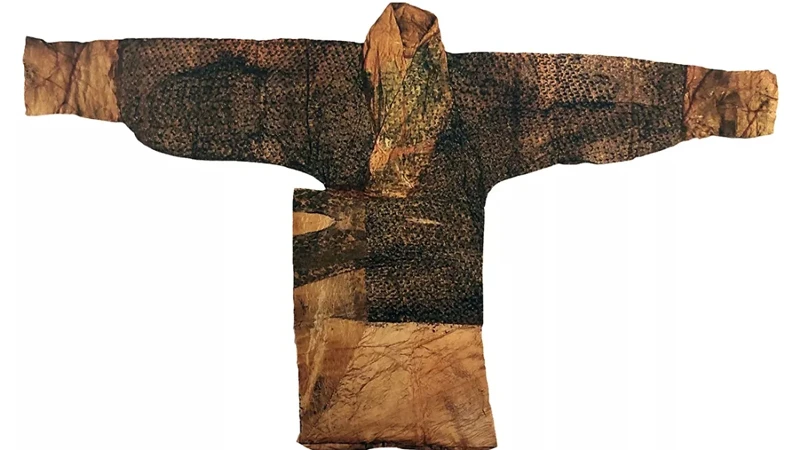
One of the most unconventional solutions to winter warmth was paper clothing, which emerged during the Tang Dynasty. Initially, it was a resource for the poor, as mentioned in historical records like the Old Book of Tang, where people affected by conflicts resorted to paper attire. Advances in papermaking, using materials like mulberry bark, produced durable sheets that could be fashioned into coats and trousers. These items were surprisingly effective, especially when layered or stuffed with hemp for extra insulation. Buddhist monks also adopted paper robes, viewing them as a compassionate alternative to silk, which involved harming silkworms.
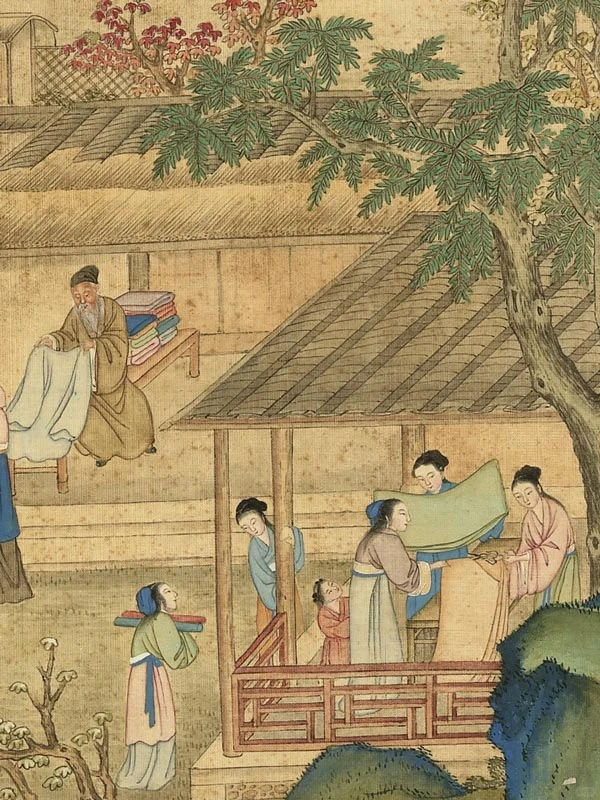
By the Song Dynasty, paper clothing had become more sophisticated, with specialized industries producing items like paper jackets and quilts. Artisans developed techniques to reinforce the paper, making it resistant to tearing and moisture. The poet Lu You celebrated the comfort of paper blankets in his works, describing them as white and cloud-like. This period saw paper garments gain popularity among literati, who valued their simplicity and alignment with Daoist or Buddhist ideals of non-harm. The lightweight nature of paper made it ideal for travel or meditation, offering a unique blend of spirituality and practicality in cold weather.
However, the introduction of cotton in the late Song and Yuan Dynasties led to the decline of paper clothing, as cotton proved more breathable and durable. Yet, paper garments left a lasting legacy in cultural practices, such as in funeral rites or as artistic motifs. They represented an innovative response to material limitations, showcasing how ancient societies adapted available resources to meet basic needs. Today, they remind us of a time when even the humblest materials could be transformed into functional wear, highlighting the enduring human spirit of invention.