Article
Search results:
-
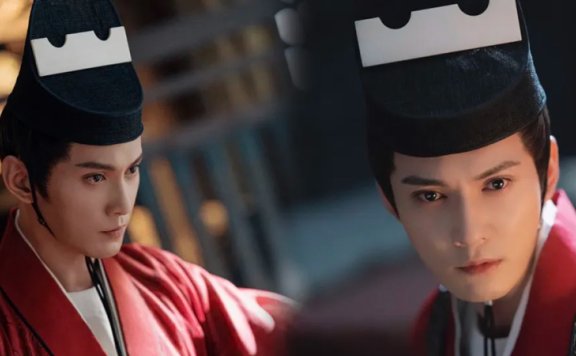
Xu Zhengxi's Hat in Yong'an Dream Look So Unusual?
An online discussion has erupted around the distinctive headwear worn by actor Xu Zhengxi (徐正溪) in the historical drama Yong'an Dream (永安梦). Instead of the typical ornate crowns, his character sports a cap with what appear to be two small, curious eyes peeking out from the top. This unique design has captivated viewers, with many joking that only he could carry off such a peculiar look. The answer to this sartorial mystery lies not in a costume designer's whim, but deep within the fashion history of ancient China. This headpiece is a gateway to understanding the practicalities and social codes of attire during a dynamic period in Chinese history. The Hat's True Identity The cap is known as a Pingjin Ze (平巾帻). A Ze was a type of informal cap worn under more formal headpieces, and its use dates back to the Han Dynasty. It became particularly popular from the Wei and Jin periods through the Sui and Tang dynasties, frequently worn by military officials. The two horizontal protrusions that resemble eyes are not decorative. They are the ends of a horizontal hairpin called a Zan Dao (簪导), which was used to secure the cap firmly to the wearer's hair.… -
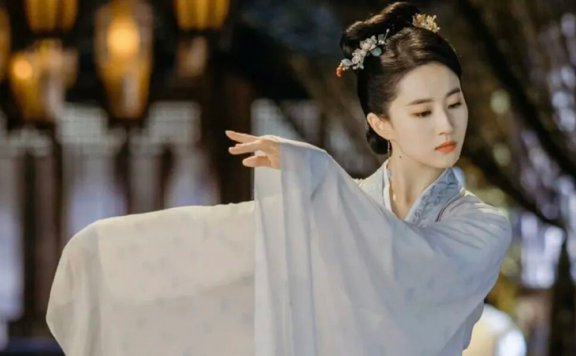
Why Do Chinese People Show Less Interest in Dancing?
In the heart of ancient China, dance was not merely entertainment but a vibrant expression of life and culture, particularly during the Tang Dynasty. This era, known for its economic prosperity and cultural exchanges, saw dance flourish in ways that might surprise modern observers. Today, however, the lively dance floors of old seem a distant memory, leading many to wonder why such a rich tradition has faded. This article delves into the dynamic world of Tang dances, exploring their forms and the historical shifts that quieted their rhythms, offering a fresh perspective on a cultural evolution that resonates beyond time. Vibrant Jianwu Jianwu (健舞), or vigorous dance, epitomized the energy and strength of Tang performers, captivating audiences with its lively movements. This style included subtypes like Zhezhi (柘枝), which originated from Central Asia and featured solo female dancers moving to drumbeats in a blend of power and grace. Historical records, such as those in Yuefu Zalu (乐府杂录), highlight how these dances reflected the era's openness to foreign influences, with performers like Gongsun Daniang (公孙大娘) celebrated for their skill. Her performances, described in poetry, showcased a mastery that left a lasting impression on spectators, illustrating how Jianwu became a symbol of… -
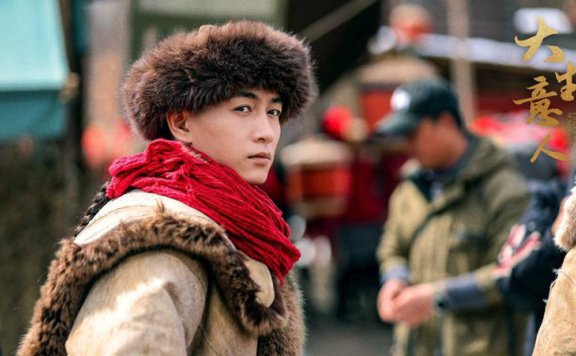
Who Framed Gu Pingyuan? The Shocking Conspiracy in Legend of the Magnate
In the dramatic world of Legend of the Magnate (大生意人), the imperial examination hall in Beijing becomes the stage for a life-shattering deception. Gu Pingyuan (古平原), a diligent scholar from Huizhou (徽州), is on the verge of achieving his dreams when a cruel lie upends his fate. During the critical exams, an unknown voice cries out that his mother is gravely ill, prompting him to abandon his test in a frantic rush. In the chaos, he accidentally spills ink on an official, leading to accusations of disorderly conduct. This single moment of deceit results in his expulsion, the loss of his scholarly rank, and exile to Ningguta (宁古塔). The mystery deepens as Gu Pingyuan seeks answers: who would orchestrate such a plot, and why? This tale weaves together personal vendettas, hidden family ties, and the cutthroat world of commerce in 19th-century China, setting the scene for a relentless pursuit of truth. Exam Day Deceit The imperial exams were meant to be Gu Pingyuan's path to honor and success. As he focused on his papers in the bustling hall, a shout pierced the silence, claiming his mother had fallen ill back in Anhui. Panic set in; he pushed through the crowd,… -
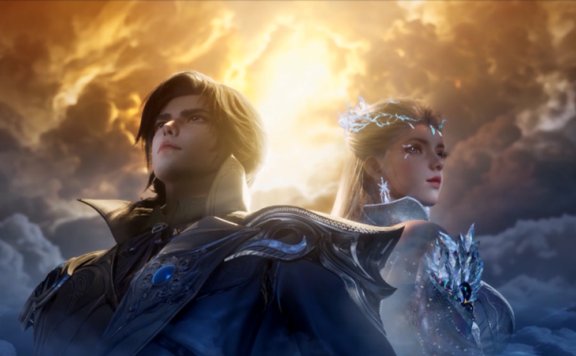
Snow Empress's Bold Stand: How She Challenges the Beast God in Douluo Dalu
In the latest twists of Soul Land 2: The Peerless Tang Clan (斗罗大陆 ‖ 绝世唐门), a stunning transformation unfolds as Snow Empress awakens to her true self. After absorbing the profound energy from the ancient ice marrow, she sheds her youthful form, emerging as a powerful adult with memories of her reign over the Extreme North fully restored. This rebirth sparks a daring confrontation, where she openly warns Beast God Ditian, the mightiest known soul beast. What fuels her audacity to challenge such a formidable force, and where does her confidence stem from? This article delves into the depths of their powers, examining the origins of their strength and the factors that could tip the scales in an epic clash. Cultivation and Power Beast God Ditian boasts an impressive 890,000 years of cultivation, placing him on the brink of divinity as a near-god entity. His mastery of dual soul cores allows him to compress soul force to its limits, granting unmatched explosive power and endurance in battles. This advanced state makes him a towering figure among soul beasts, with abilities that dwarf many rivals. However, Snow Empress is no ordinary opponent. Her 700,000 years of cultivation come from a pure,… -
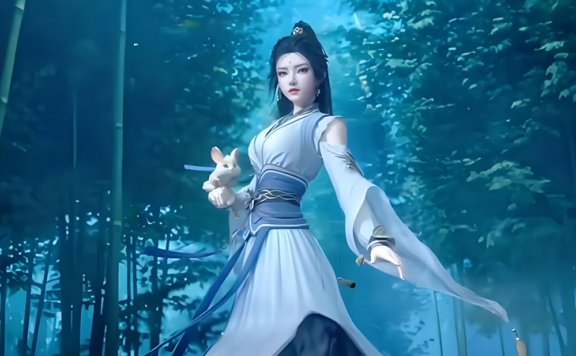
Shi Mu’s Epic Journey in The Gate of Mystical Realm
A new animated spectacle has arrived, promising to set screens ablaze. The Gate of Mystical Realm (玄界之门), a 3D animated series, premiered on Bilibili on November 26, 2025. With a full season of 26 episodes, each running approximately 20 minutes, this adaptation of Wang Yu's (忘语) popular web novel from Qidian Chinese Network is poised to capture the hearts of animation enthusiasts. Directed by Huang Xiaohong (黄晓洪) and scripted by Li Yang (李杨), the series dives headfirst into a sprawling, ambitious universe where the only constant is the struggle for power. 1. Origins of the Tale The story unfolds in a classic Wuxia setting, a realm where martial artists reign supreme. In this world, might makes right, and powerful sects dot the landscape like ancient trees in an unending forest. Here, one's lineage and cultivation techniques are not just aspects of identity; they are the very determinants of fate. It is a society built on strength, where the weak are trampled and the strong write their own laws. At the center of this tumultuous world is our protagonist, Shi Mu (石牧). An adopted son in a prominent family, he grows up on the Eastern Continent with a clouded past. Unbeknownst… -
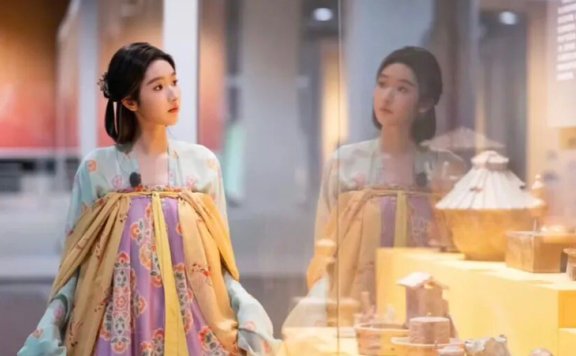
Reimagining Hanfu Through Wang Yuwen’s Viral Moment
When Wang Yuwen (王玉雯) stepped into a museum wearing a flowing Hanfu outfit on the variety show Wow the World (地球超新鲜), she did more than just turn heads—she sparked a conversation about how traditional clothing could weave itself into the fabric of modern life. Viewers flooded social media with praise, noting how natural and approachable she looked, as if this centuries-old style had never left everyday wardrobes. Her choice wasn't a costume for a period drama but a thoughtful nod to the past, blending history with contemporary ease. This moment highlights a growing curiosity about Tang Dynasty fashion and its potential revival, inviting us to imagine a world where such garments are as common as jeans and t-shirts. What made her appearance so relatable, and why does it matter today? The answers lie in the details of the attire, the craftsmanship behind it, and the cultural threads that connect then and now. The Tang Style Wang's ensemble featured a Qixiong (齐胸) style, where the skirt is tied high above the chest, a design popular during the peak of the Tang era. Unlike the elaborate updos often seen in historical depictions, she paired it with a simple, everyday hairdo, making the look… -
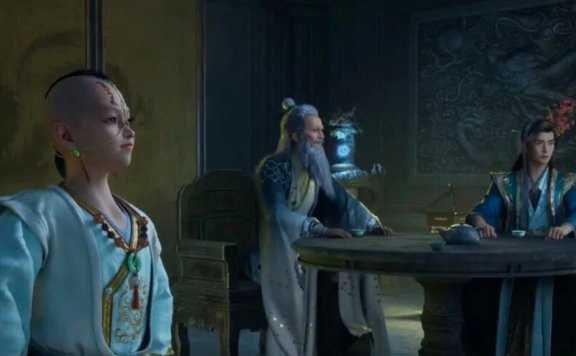
How Lü Luo Gained the Most from Tianjing Zhenren's Exchange
In the cultivation world, fortunes can shift in the blink of an eye, often favoring those who least expect it. The exchange meeting organized by Tianjing Zhenren (天晶真人) within the narrative of A Mortal's Journey (凡人修仙传) appeared as a typical gathering for adepts to trade rare items and techniques. Lü Luo (吕洛), a dedicated member of the Luoyun Sect (落云宗), joined the event with modest expectations, merely hoping to observe and perhaps acquire a useful tool. He left with a fire-red sword, an item that seemed ordinary amid the dazzling treasures exchanged. Yet, this unassuming beginning set the stage for him to emerge as the true winner, a twist that would reshape the sect's destiny and highlight the unpredictable nature of cultivation journeys. The Fateful Exchange As cultivators gathered at the exchange, each presented their coveted possessions, from ancient artifacts to powerful talismans. Han Li (韩立) managed to secure a method for refining a Yuanying puppet from Tianjing Zhenren, a technique praised for its sophistication but notorious for its demanding material requirements. These components were so rare that most cultivators would struggle to even glimpse them, let alone collect enough for the process. However, Han Li possessed unique assets, including… -
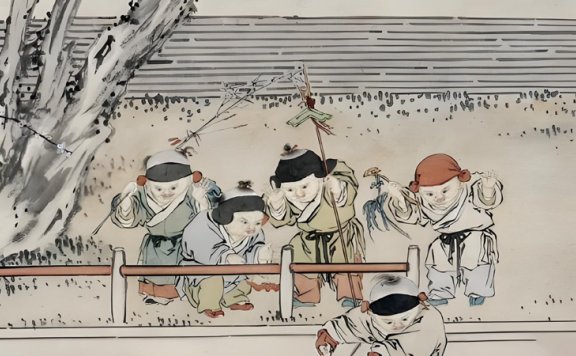
How Did Ancient China Celebrate the Cold?
When winter's chill embraced ancient China, a unique sense of joy permeated the air. Unlike the vibrant energy of spring or the abundant harvests of autumn, the colder months offered a distinct pleasure. As snow blanketed the landscape in a pristine white, people found warmth and security indoors, their minds filled with delightful winter fantasies. What did they do to pass the time? The ancients left behind a legacy of elegant and amusing pastimes that transformed the season into a period of celebration and reflection. From dynamic sports on ice to quiet moments appreciating nature's beauty, their activities were both meaningful and joyful, providing a fascinating glimpse into a world where winter was not merely endured but enthusiastically welcomed. Ice Games Among the most popular winter sports was Bingxi (冰嬉), a term encompassing various ice activities. Records of these games date back to the Sui and Tang dynasties, but they truly flourished later. By the Ming dynasty, Bingxi had become part of military training, with a special office established to oversee it. The Qing dynasty marked the peak of these ancient ice sports. Emperors encouraged Bingxi to strengthen the Eight Banners army, believing it enhanced their physical prowess and combat… -
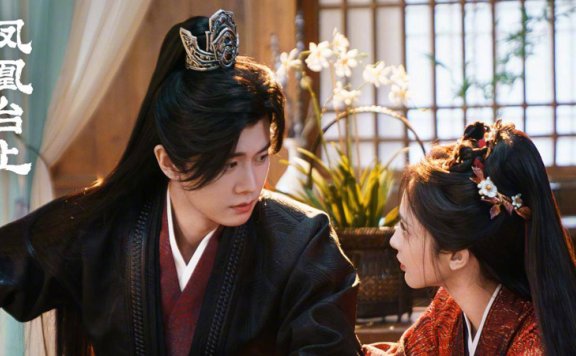
Love & Crown: Hidden Identities in Imperial Turmoil
This season brings Love & Crown (凤凰台上), a series that intertwines political schemes with martial arts elements. It follows two formidable figures whose paths cross in a realm of power struggles and emotional turmoil. Their relationship evolves against a backdrop of imperial conflicts, where personal desires clash with public duties. Ren Jialun (任嘉伦) portrays a character skilled in strategy and combat, while Peng Xiaoran (彭小苒) embodies a resilient individual with her own ambitions. Together, they navigate a narrative filled with twists, supported by a visual feast of costumes and sets. The story draws from the novel My Empress (我的皇后), adding depth to its character-driven plot. Audience excitement is evident through high engagement on platforms like Youku (优酷), where it trends prominently. Discussions often highlight the leads' past roles in projects such as One and Only (周生如故) and Goodbye My Princess (东宫), fueling expectations for their dynamic here. Its release on Jiangsu Satellite TV (江苏卫视) alongside digital streaming aims to reach a broad viewership. What sets this production apart is its focus on authentic character interactions rather than relying on exaggerated tropes. Viewers can anticipate a gripping tale that balances action with heartfelt moments, making it a standout addition to the… -
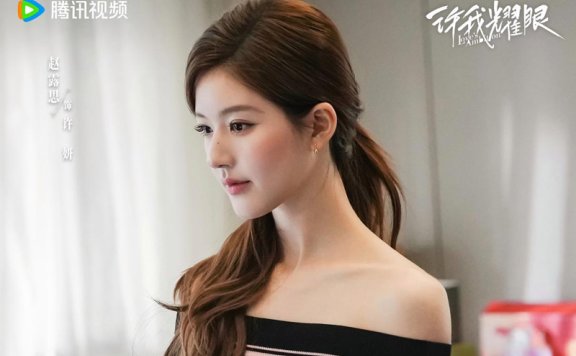
10 Actors Dominated 2025 as China’s Top Drama-Carriers
In 2025, the Chinese entertainment industry witnessed a significant shift as performers transcended traditional boundaries, embracing roles that defied expectations and showcased their depth. This year highlighted a move towards authentic storytelling, where actors demonstrated remarkable versatility across television and film. Their journeys from familiar archetypes to complex characters not only captivated audiences but also redefined success metrics, emphasizing artistic growth over mere popularity. 1. Liu Yuning (刘宇宁) - The Prisoner of Beauty, and A Dream Within a Dream Liu Yuning began his career as an online musician, but 2025 marked his emergence as a compelling actor. In the series The Prisoner of Beauty (折腰), he portrayed a leader with a mix of authority and vulnerability. His attention to small details, like subtle facial shifts, brought depth to intense scenes. This performance challenged perceptions about artists transitioning from digital platforms to mainstream media. He further displayed his range in A Dream Within a Dream (书卷一梦), where he took on two distinct roles. Switching between a cunning prince and a carefree swordsman, he used vocal variations and eye movements to differentiate them seamlessly. His dedication to refining each part underscored a self-taught approach that resonated with viewers and critics alike. Beyond… -
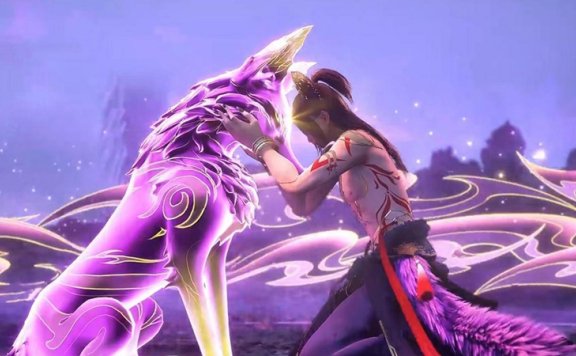
When Ink Drops Shatter Mountains in The Demon Hunter
What if a single brushstroke could rewrite reality? This is the foundational question at the heart of The Demon Hunter (沧元图), a phenomenon spanning web novel and animated series that has redefined the parameters of the Xuanhuan (玄幻) genre. Instead of traditional swords or elemental magic, its protagonist wields an ink-laden brush, turning the serene art of Shui Mo (水墨) painting into a devastating and beautiful form of combat. This fusion of classical Eastern aesthetics with high-stakes cultivation narratives creates a world where every battle is a masterpiece and every masterpiece is a battle, offering a visual and philosophical departure from the well-trodden paths of fantasy storytelling. The Brush as Blade At its core, The Demon Hunter is built on a revolutionary premise: artistic creation is the highest form of cultivation. The protagonist, Meng Chuan (孟川), does not simply learn spells; he internalizes the principles of composition, flow, and intent. His power is not drawn from an external well of energy but manifested directly from his artistic vision. A sweeping stroke might conjure a mountain range for defense, while a sharp, precise dot of ink could pierce an enemy's spiritual core. This system elevates the entire narrative, making every conflict… -
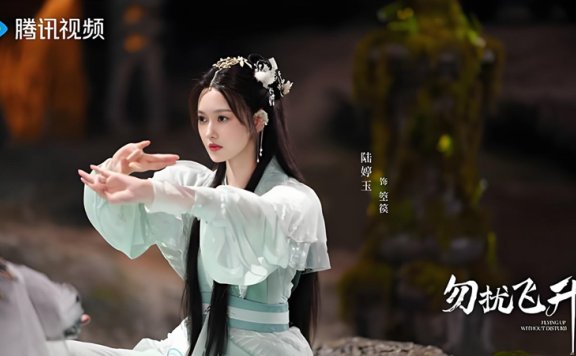
Exploring Zhongxi and Konghou's Story in Flying up Without Disturb
What happens when a cultivator's solitary path unexpectedly intertwines with another's destiny? In the world of Flying up Without Disturb (勿扰飞升), two young practitioners find their fates colliding in the most unexpected ways, proving that the journey to immortality is rarely walked alone. Zhongxi Zhenren (仲玺真人), a cultivator of significant prowess, finds himself battling a mysterious affliction that prevents him from properly absorbing spiritual energy. Meanwhile, the energetic Konghou (箜篌) prepares to leave her mountain sanctuary for the first time, unaware that her master has been intercepting all messages from the ailing cultivator who secretly occupies her thoughts. Their separate journeys will soon converge, but not before navigating the complex web of cultivation politics, hidden dangers, and their own emerging feelings. Separate Struggles Within the quiet confines of his chamber, Zhongxi Zhenren attempted to circulate his spiritual energy, only to be met with waves of excruciating pain. Each attempt to draw upon the ambient Lingli (灵力) left him weaker than before, his body rejecting the very energy that should be healing him. The mysterious poisoning defied all his knowledge of cultivation techniques, leaving him frustrated and isolated. His concern extended beyond his own condition, as the continued silence from Konghou… -
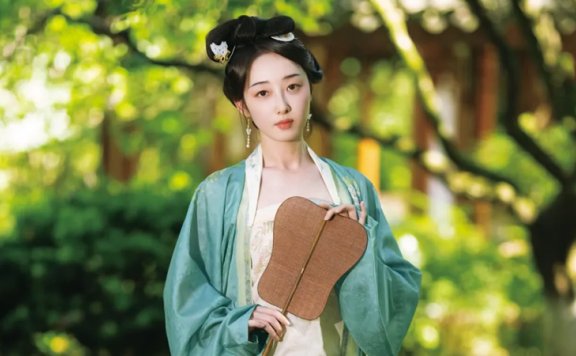
How a Historical Attire Becomes Modern Style
In recent years, the traditional attire of the Song Dynasty, referred to as Hanfu, has captured the attention of fashion enthusiasts worldwide. This style, distinct from the lavish Tang or stately Ming designs, emphasizes understated grace and simplicity. Its flowing silhouettes and muted palettes evoke a sense of calm, making it a favorite for those seeking a break from today's fast-paced trends. As more people explore this historical fashion, it highlights a growing appreciation for attire that blends artistry with everyday wear, offering a fresh perspective on personal expression through clothing. Historical Roots The origins of Song Dynasty Hanfu trace back to a period in Chinese history marked by cultural refinement and scholarly pursuits. During this era, clothing was designed to reflect values like modesty and intellect, with garments often featuring layered pieces such as the Beizi (褙子), a long outer robe, and subtle embroidery. This approach contrasted with earlier dynasties, focusing on lightweight fabrics and clean lines that enhanced natural movement. Over time, these elements have been preserved in modern interpretations, showcasing how historical context shapes contemporary fashion choices. Key components like the inner garment, often a simple top, and skirts with pleats, contributed to an overall aesthetic of… -
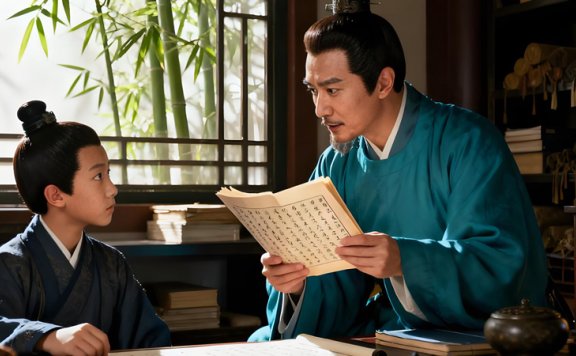
Discover the Strangest Official Positions in Ancient Chinese History!
Ancient China's bureaucratic system was a vast and intricate network, filled with roles that might seem odd or mysterious to modern eyes. These positions, with their unique names and specialized duties, offer a glimpse into the political ingenuity of bygone eras. Far from being mere curiosities, they played vital parts in maintaining social order and supporting the imperial machinery. This article delves into four such fascinating jobs, revealing how they evolved and why they mattered. From tutors to crime-fighters, these officials shaped history in ways that still capture our imagination today. 1. The Taizi Xima (太子洗马) Imagine a job title that sounds like it involves scrubbing horses, but actually places you at the heart of imperial power. The Taizi Xima was exactly that—a high-ranking tutor and confidential secretary to the crown prince. Contrary to what the name suggests, this role had nothing to do with equine care. Instead, it focused on guiding the future ruler through education and state affairs. Originating in the Qin Dynasty, the title derived from a term meaning "pioneer," reflecting the official's duty to lead and advise. Holders of this position curated the prince's library, instructed him in classics, and accompanied him on journeys, building a… -
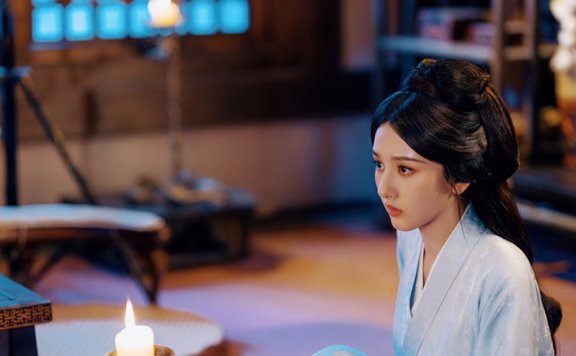
Did Song Zuer Really Wear Underwear as Outerwear?
In a recent preview for the period drama Biao Mei Wan Fu (表妹万福), set against a Ming Dynasty backdrop, actress Song Zuer's (宋祖儿) character is seen outdoors wearing what appears to be a structured, clasp-fastened undergarment. This has sparked a fiery online debate: Was it historically accurate for a woman to reveal her inner wear during this era, or is this merely a creative costume design choice? The scene challenges modern perceptions of Ming fashion, often imagined as uniformly modest and restrictive. To understand this sartorial choice, we must delve into the specific garment in question and its place in the private versus public life of a Ming gentlewoman. Zhuyao Unveiled The garment causing the stir is not a modern invention but a historical piece known as a Zhuyao (主腰). Popular during the Yuan and Ming periods, it was sometimes poetically called a "pleasure-binding jacket." Its defining feature was a front opening secured by ties or clasps, a distinct departure from the more common wraparound styles. While the overarching term for inner wear in this period is often debated, the Zhuyao stands out for its tailored construction. Surviving artifacts show it could be worn with or without shoulder straps, which could… -
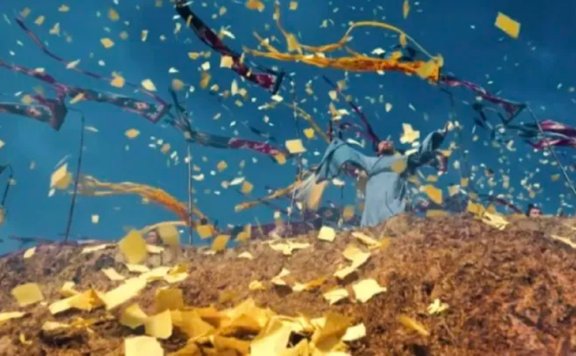
Did a Golden Slip Really Save an Empress's Life?
In the television series Strange Tales of Tang Dynasty Ⅲ: Chang'an ( 唐朝诡事录之长安), two officials are on a mission to locate a mysterious artifact—a golden slip. This object holds the key to unraveling a complex mystery. What many viewers might not realize is that this plot device is not merely a writer's invention. It is based on a real, historical treasure connected to one of China's most powerful rulers, Empress Wu Zetian (武则天). This gleaming piece of gold offers a tangible link to her reign, raising a compelling question: could this small object have truly held significance for the fate of an entire dynasty? The Golden Proof The prop in the show is a detailed replica of an actual artifact housed in the Henan Museum. This genuine Jin Jian (金简), or Golden Slip, measures 36.2 centimeters in length, 8 centimeters in width, and weighs 223.5 grams. Its gold content exceeds an impressive 96%. The surface is devoid of intricate patterns. Instead, its value lies in the sixty-three characters etched into the metal. These words form a personal plea from the Empress, asking the heavens to absolve her of her worldly sins. This slip remains the only known relic directly tied… -
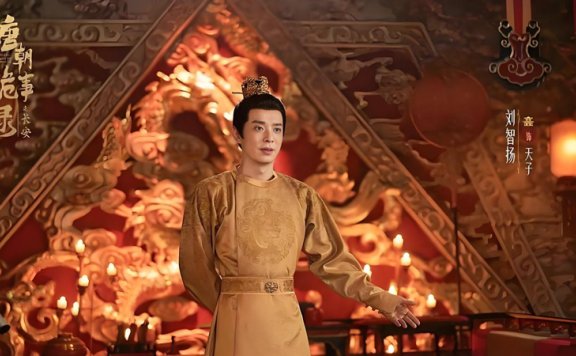
Dive Into 5 Captivating Chinese Mysteries
In recent years, a fascinating new wave of Chinese historical dramas has been captivating audiences, distinguished not by star power but by rich storytelling, intricate production design, and a unique cultural aesthetic. These series seamlessly blend mystery, the supernatural, and political intrigue against the backdrop of meticulously recreated ancient settings. Leading this trend are several standout productions from the mid-2020s, such as Strange Tales of Tang Dynasty III: Chang'an and Blade of Vengeance. They represent a shift towards "Zhongshi Guiguai (中式诡怪)", a distinctly Chinese approach to the eerie and supernatural, offering a fresh alternative to Western genres. These dramas are characterized by their complex, case-driven narratives that are often woven into larger, overarching conspiracies, immersing viewers in worlds where every solved mystery reveals deeper layers of courtly ambition and hidden truths. The commitment to authenticity is paramount, from constructing vast, physical sets like Chang'an's Western Market to choreographing fluid, demanding fight sequences performed by the actors themselves. Furthermore, they explore profound themes of justice, memory, and revenge, grounding their fantastical elements in the emotional journeys of compelling characters whose partnerships—forged in conflict and mutual respect—form the heart of the story. This convergence of intellectual mystery, visceral action, and deep cultural… -
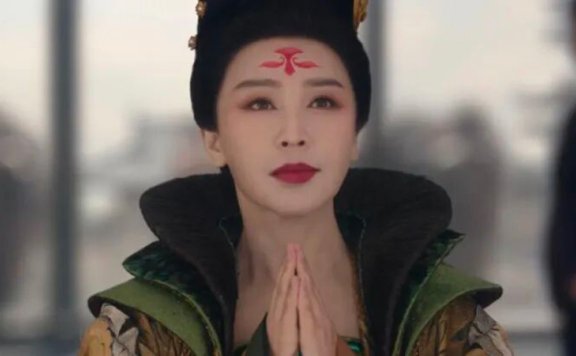
Why Princess's Forehead Ornament Stands Out
In the bustling capital of Chang'an, the latest season of Strange Tales of Tang Dynasty Ⅲ: Chang'an ( 唐朝诡事录之长安) showcases a striking visual choice that has captured audience attention. The character of the Princess appears with an oversized Huadian (花钿), a forehead ornament that spans nearly her entire brow, diverging from the subtle accents seen in other period dramas. This bold aesthetic immediately raises questions about its historical accuracy and symbolic intent. Rather than a mere decorative flourish, this large Huadian serves as a narrative device, hinting at deeper layers of personal identity and political statement within the storyline. As viewers, we are drawn into a world where beauty standards intertwine with power dynamics, inviting us to look beyond the surface. Early Tang Fashion During the early Tang dynasty, particularly in the seventh century, women's adornment practices reflected a period of cultural flourishing and experimentation. The exaggerated Huadian, as depicted in artifacts like the Dancing Maid Painting (舞伎图) from the Astana tombs, often covered most of the forehead and was typically painted with pigments like cinnabar for a vibrant, gradient effect. This style was not just about aesthetics; it symbolized a era of confidence and innovation, where women expressed themselves… -
Who Is The True Master of Tian Sheng Sect in Tale of Herding God?
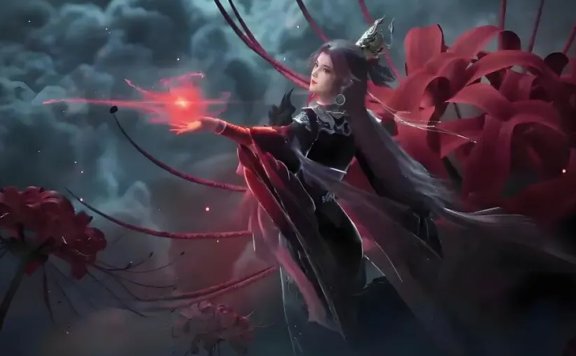
The ceremonial hall buzzed with anticipation as disciples gathered to witness a pivotal moment. Qin Mu (秦牧) was preparing to assume leadership of the influential Tian Sheng Sect (天圣教), a position representing both immense power and responsibility. Yet the atmosphere crackled with more than just ceremonial significance, for among the crowd stood a figure whose presence would redefine everything they thought they knew. When Si Youyou (司幼幽) shed her elderly disguise, revealing the stunning beauty beneath, she didn't merely captivate the audience—she unveiled a complex history of rebellion, survival, and an unusual partnership that would shape the sect's future in unexpected ways. The Ceremony Unveiled Qin Mu's ascension to leadership represented more than a simple transfer of authority. The founder of this influential sect, surprisingly, had been a common woodcutter whose practical philosophy grew into a movement that transformed society. Under his guidance, the organization established three hundred sixty specialized branches, each addressing specific needs within communities. This structural innovation demonstrated a commitment to tangible solutions rather than abstract ideals, making the sect's influence permeate everyday life in unprecedented ways. The moment Qin Mu assumed his position, an unexpected shift occurred in Si Youyou. Her posture straightened, her expression transformed,… -
The Game-Changing Episode of Eclipse of Illusion
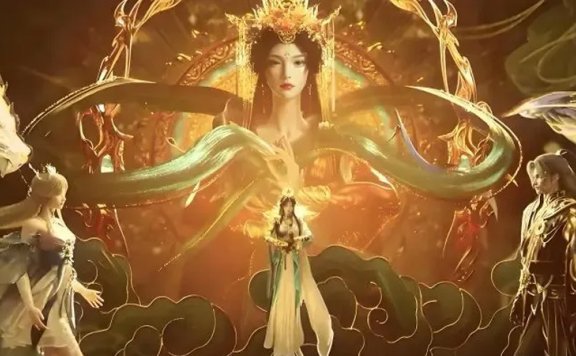
A surge of emotion swept through the fan community following the latest episode of the original animated series Eclipse of Illusion (云深不知梦). In a stunning narrative turn, Shuyu (淑玉), the one true dragon of the Mu Ling Continent (沐灵大陆), made the ultimate choice: self-sacrifice to save her sister. This moment was not just a plot point but a powerful demonstration of the series' growing ambition. Since its premiere on Youku in July 2025, this production from Ian Animation has captivated a dedicated following. It masterfully blends a distinctive Xin Guofeng (新国风) aesthetic, a compelling female-centric narrative, and cinematic storyboarding to create a unique viewing experience. The series has consistently impressed with its visual direction, but this newest chapter elevated its artistry to a new level. While perhaps not every single frame could serve as a desktop wallpaper, the episode's visual intensity was undeniable. The central battle sequence, where the usually gentle Long Er (龙儿), spear in hand, awakened her true power as the War Dragon Sovereign to face two formidable foes, was a spectacle of breathtaking scale. The imagery of nine ethereal dragons coiling around a figure with flowing, unbound hair has already been hailed by many as one of…