
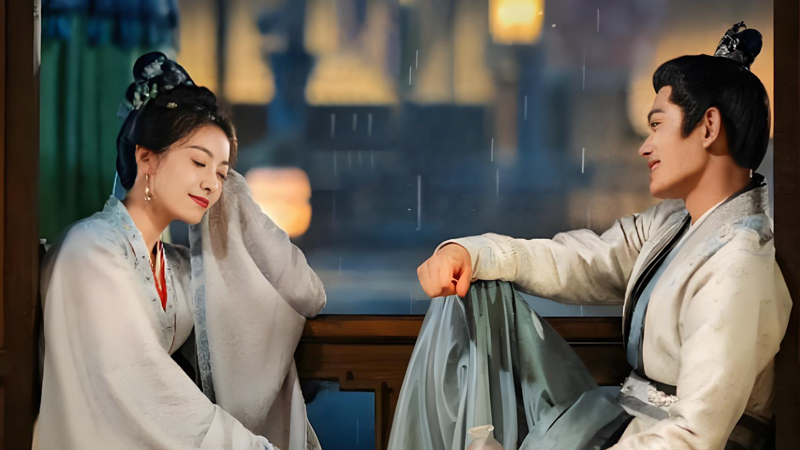
In late 2025, the television landscape witnessed an unprecedented event when Fight for Love (山河枕) premiered and soared to the top of viewership charts within thirty-seven minutes. This historical drama, adapted from Mo Shu Bai's (墨书白) novel, generated a frenzy across digital platforms. On Tencent Video, its popularity index shattered records, climbing past twenty-two thousand in the first hour. Social media erupted with discussions, as hashtags related to the show accumulated billions of views. The series quickly transformed from a highly anticipated release into a cultural phenomenon, demonstrating that compelling storytelling could achieve instant resonance without a gradual buildup. Its rapid ascent not only captured audience attention but also set new benchmarks for the genre.
Production Quality
The creators of Fight for Love invested significantly in physical sets and authentic details, moving away from heavy reliance on digital effects. They constructed expansive environments like the Wei Fu (卫府) estate, spanning over twenty thousand square meters, to reflect the grandeur of historical aristocratic homes. Costume designers prepared more than two thousand outfits, each tailored to illustrate character journeys through subtle visual cues. This attention to material authenticity provided a tangible depth that viewers found refreshing and immersive.
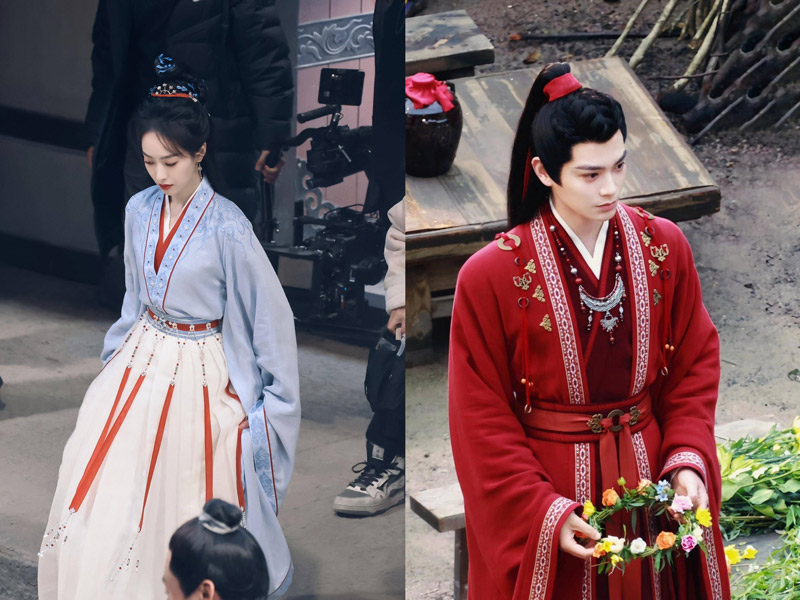
Battle sequences were filmed on location in extreme cold, adding a layer of realism to the action. The confrontation at Bai Di Gu (白帝谷) was captured using extended takes, showcasing coordinated movement between performers and practical effects. Clashing weapons and charging horses created a visceral experience that left audiences feeling the intensity of combat. While some noted the use of softening filters, the overall commitment to practical filmmaking received widespread appreciation for its dedication to genuine portrayal.
This approach extended to smaller elements, from architectural textures to ambient sounds, building a cohesive world. By prioritizing physical craftsmanship over computerized shortcuts, the production team delivered a sensory-rich environment that supported the narrative's emotional weight and historical context.
Character Portrayals
Ding Yuxi's (丁禹兮) portrayal of Wei Yun (卫韫) showcased a remarkable evolution from a spirited youth to a burdened survivor. In early episodes, he displays a playful demeanor, but after losing family members in battle, his performance shifts to convey profound grief and resolve. Subtle gestures—trembling hands, pained expressions—communicate inner turmoil without excessive dialogue. This nuanced acting resonated deeply, making his character's journey a focal point of viewer discussion.
Song Qian broke from previous roles with her depiction of Chu Yu (楚瑜), a determined and physically capable figure. She performed her own stunts, including horseback riding and swordplay, lending credibility to action scenes. Her character's resilience and moral clarity offered a refreshing counterpoint to common tropes, earning praise for its authenticity and strength. Supporting actors like Cao Jun (曹骏) and Zhang Tianyang (张天阳) added layers to the ensemble, each bringing distinct presence that enriched the collective narrative.
These performances collectively elevated the series beyond typical genre expectations. By embodying their roles with sincerity and depth, the cast fostered a strong connection with the audience, making the story's events feel immediate and impactful.
Story Ambition
Fight for Love distinguished itself by integrating serious themes of sacrifice and loyalty into its core plot. Instead of opening with romantic elements, the narrative begins with a devastating military loss where thousands perish, setting a tone of solemnity and purpose. This focus on collective duty and personal cost provided a narrative richness that appealed to viewers seeking substance alongside entertainment.

The series explores the aftermath of tragedy, following characters as they navigate grief, justice, and responsibility. This thematic depth allowed it to transcend labels and address universal questions about honor and resilience. By blending personal stories with larger historical stakes, the show created a balanced perspective that engaged a broad audience.
Initial changes to the source material, such as altering relationship dynamics, sparked debate among fans. However, the overall direction maintained emotional integrity and coherence. As the plot progresses through political intrigue and personal trials, it continues to challenge conventions, suggesting a potential shift in how historical dramas might evolve in the future.
