In the tapestry of ancient Chinese society, women often faced rigid social constraints that limited their public roles, yet many defied these boundaries to forge remarkable careers in specialized fields. From the inner courts of palaces to bustling market streets, female professionals emerged as healers, administrators, and artisans, leaving indelible marks on history. Their stories, echoed in dramas like Empress of China and War and Beauty, reveal a hidden world where women's expertise shaped medicine, governance, and daily life. This article delves into the lives of these pioneering women, exploring how they navigated societal norms to excel in roles that blended skill, tradition, and resilience. Through their journeys, we uncover a legacy of innovation that challenges modern perceptions of gender roles in antiquity.
Healing Hands
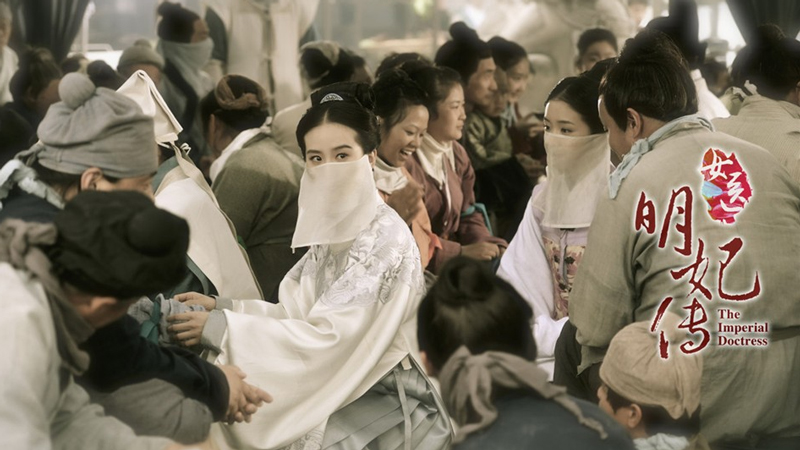
Female doctors in ancient China, known as Nü Yi (女医), carved a niche in healthcare despite societal taboos against women interacting with male patients. Initially, some female healers were called Nü Wu (女巫), who combined herbal knowledge with spiritual practices to treat illnesses. As concepts of modesty, such as "men and women should not touch," prevailed, women naturally took charge in gynecology and obstetrics. In imperial courts, they attended to empresses and concubines during childbirth and female ailments, while in villages, midwives like Wen Po (稳婆) passed down techniques orally. Though skilled, these women were often dismissed as mere craftspeople by the scholarly elite, highlighting a struggle for recognition in a male-dominated field.
Historical figures like Yi Xu (义姁) from the Western Han dynasty exemplify this dedication. Recognized as China's first female physician, her exceptional skills earned her a position in the court of Emperor Wu, serving his mother, Wang Taihou (王太后). This appointment marked an early formal role for women in palace medicine. Centuries later, Tan Yunxian (谈允贤) of the Ming dynasty reached new heights. Hailing from a medical family, she treated countless women and authored Nu Yi Za Yan (女医杂言), the earliest surviving medical casebook by a woman in Chinese history. Her work, dramatized in Empress of China, underscores how female doctors used practical wisdom to advance healthcare, often without official accolades.
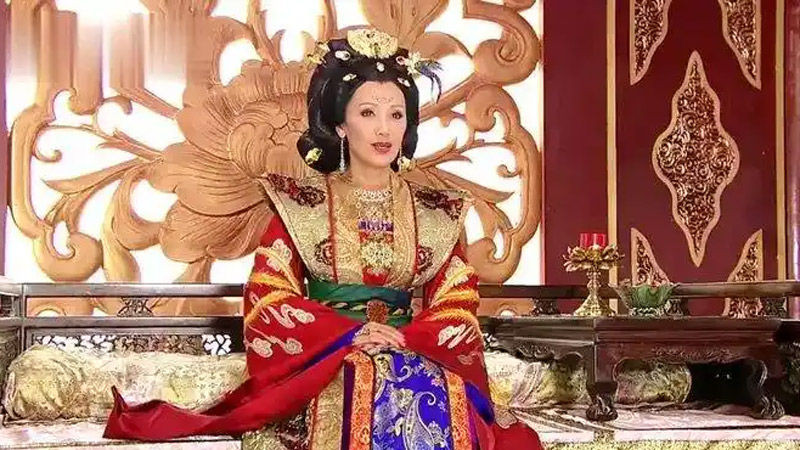
Beyond medicine, women also thrived as officials in imperial courts. The Northern Wei dynasty established a systematic Nü Guan (女官) system, with roles like Nei Si (内司) mirroring male counterparts. In the Tang era, this evolved into a structured hierarchy, including departments such as Shang Gong Ju (尚宫局) for managing palace affairs. Women like Shangguan Wan'er (上官婉儿) rose to power, drafting imperial decrees and influencing politics from within. Selected from noble families for their literacy and etiquette, these officials balanced service and authority, though their influence waned in later dynasties due to Confucian ideals. Their tales, featured in War and Beauty, illustrate how women navigated court politics to secure impactful roles.
Tea and Textiles
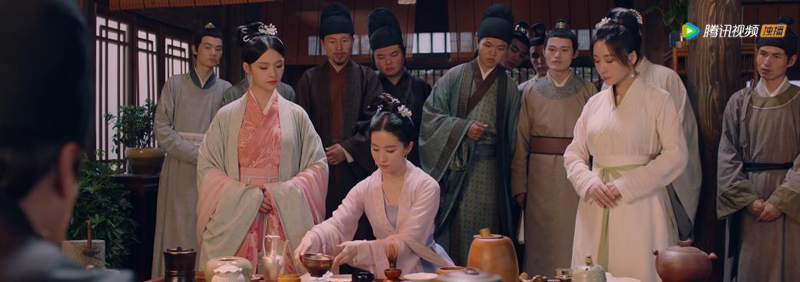
In the vibrant streets of ancient China, Cha Niang (茶娘) or tea women, served as cultural ambassadors through their craft. These sellers, often elderly figures called Cha Po (茶婆), set up stalls or wandered lanes offering freshly brewed tea to travelers and locals. Legends speak of a Jin dynasty tea granny who remained youthful while vending an inexhaustible pot of tea, symbolizing the timeless appeal of their trade. Beyond mere vendors, some tea masters like the Tang poet Li Ye (李冶) honed their art under experts like Lu Yu (陆羽), the tea sage, emphasizing aesthetics in taste, utensils, and ambiance. Their gatherings with scholars fostered a blend of poetry and tea culture, enriching social exchanges.
Tea women's roles extended to imperial courts, where Feng Cha Nü Guan (奉茶女官) underwent rigorous training to serve emperors and consorts. In dramas like Scarlet Heart, these figures demonstrate how they tailored brews to royal preferences, mastering etiquette and health knowledge. Similarly, weavers, or Zhi Nü (织女), drew from mythic tales of the Weaver Girl to become economic pillars in households. According to the Book of Han, women in textile production could earn more than men farming, granting them financial independence and a voice in family decisions. This economic power enabled some to leave unhappy marriages and remarry, showcasing how their labor transcended domesticity to influence social mobility.
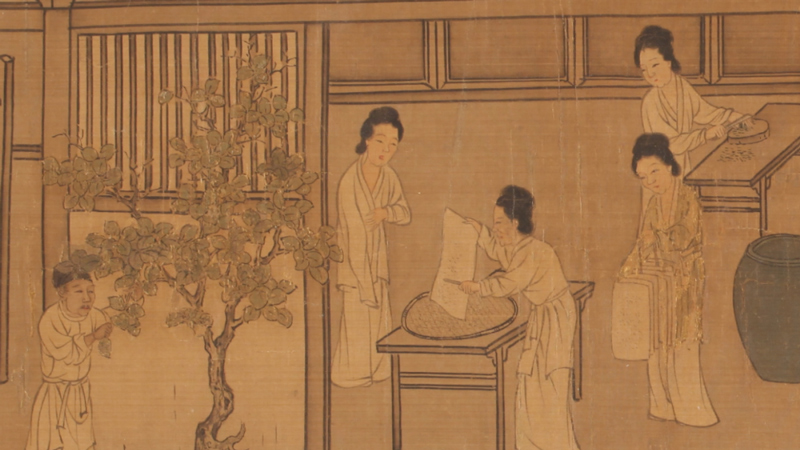
The legacy of tea women and weavers highlights their dual role as preservers of tradition and agents of change. Weavers, in particular, turned cloth into currency, used for taxes or trade, much like grain. Their intricate work, depicted in artworks such as the Southern Song Sericulture Scroll, supported families and local economies. Meanwhile, tea women infused daily life with artistry, ensuring that tea culture endured for millennia. Together, these professions illustrate how women in ancient China not only sustained households but also shaped cultural practices, proving that even in constrained times, their contributions were vital and far-reaching.