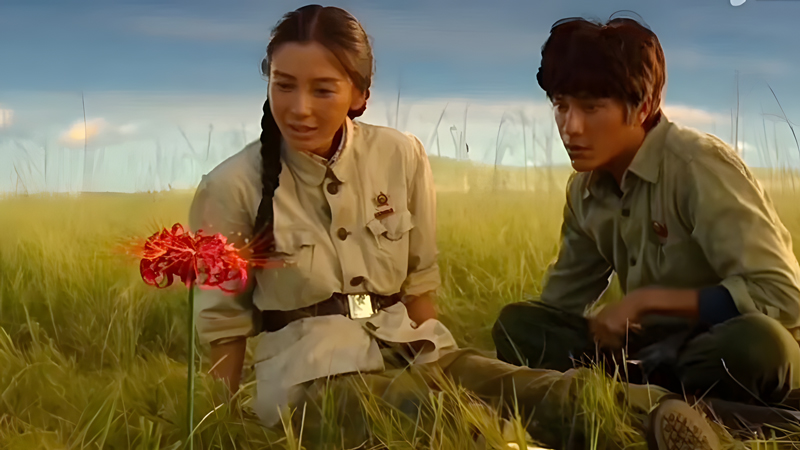
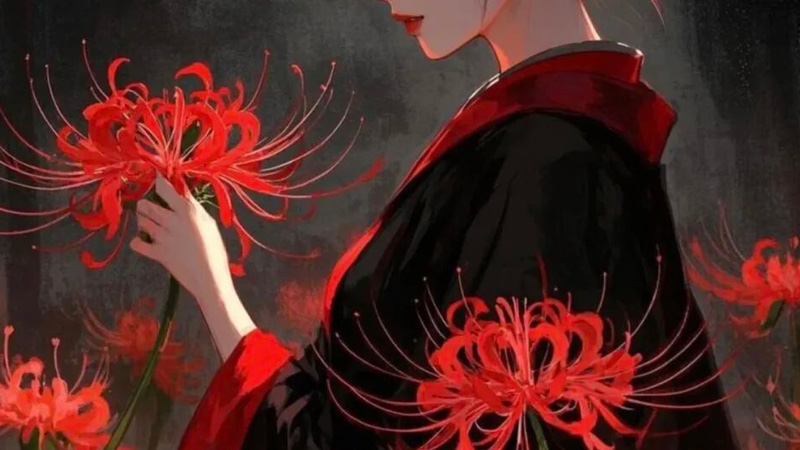
Is This Flower Really a Symbol of Death? The Surprising Chinese History Behind the "Corpse Flower". Walk through any autumn garden in East Asia, and you might spot a striking crimson flower with delicate, curling petals. Many today call it the Lycoris radiata and know it as a notorious symbol of death and misfortune, a concept popularized by Japanese ghost stories. But this plant has deep roots in Chinese soil and a history filled with praise, not peril. It is time to dig up the true story of this misunderstood bloom and separate Chinese botanical heritage from foreign folklore.
A Flower of Many Names
In China, this plant is not known by a single, ominous title. It has been called Shisuan (石蒜), or Stone Garlic, for its bulb that resembles garlic and its tendency to grow in rocky, damp soil. Its formal, soaring petals inspired the name Longzhaohua (龙爪花), or Dragon Claw Flower. Poets of the Tang and Song dynasties saw its vibrant color as a beacon in the twilight, dubbing it Jindeng Hua (金灯花), the Golden Lamp Flower. They wrote verses comparing its glow to a perpetual flame that lit up the evening without smoke or ash.
Beyond its physical beauty, the flower held spiritual significance. Within Buddhist texts, it was recognized as Manjusaka, one of the four celestial flowers believed to be a auspicious omen. Its appearance was thought to signal the dropping of bad karma and a movement toward a pure land. This stands in stark contrast to its modern reputation as a messenger from the underworld. Historical records, including the Compendium of Materia Medica, documented its presence and uses in China for centuries.
A Narrative Shifts
So how did a flower once celebrated for its vitality become a herald of death? The transformation began with the importation of a Japanese aesthetic known as Mono no aware, a poignant awareness of the transience of things. In Japan, the flower, called Higanbana, was often found growing in cemeteries. Its unique botanical trait—where the leaves and flowers never meet—became a powerful metaphor for eternal separation.
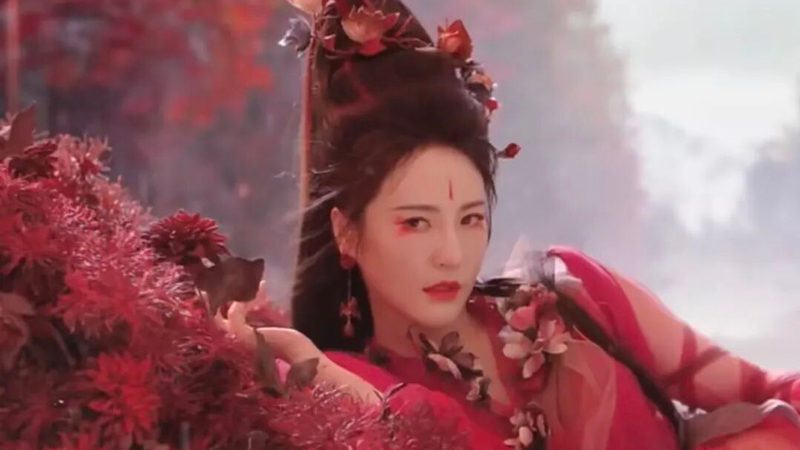
This symbolism was eagerly adopted by Japanese art, literature, and later, global cinema. The flower became a visual shortcut for loss and the boundary between the living and the dead. As Japanese pop culture gained international influence, this grim association was re-imported back into China and other regions. Many who saw the flower in a film or anime simply accepted its new identity, unaware of its completely different history in their own culture.
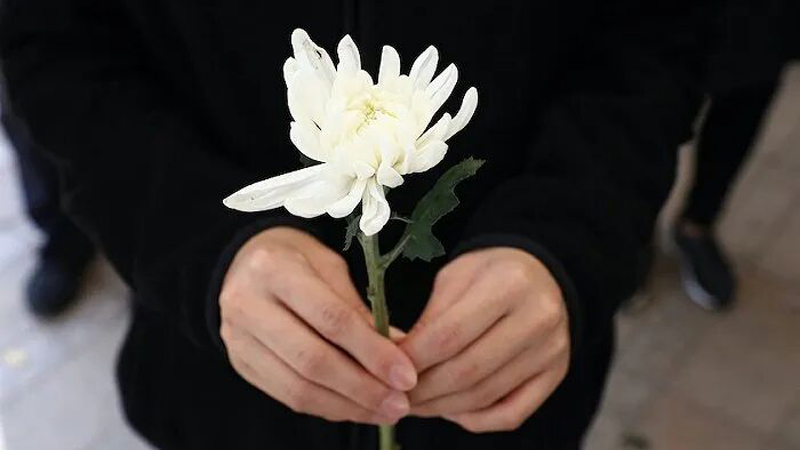
This cultural drift is not an isolated case. Consider the journey of the Chrysanthemum, or Juhua (菊花). In China, it is a symbol of nobility and resilience, celebrated by poet Tao Yuanming (陶渊明) for its elegance and endurance through autumn frosts. It is a common motif in art and a festive decoration for celebrations like the Double Ninth Festival.
Reclaiming a Heritage
The story of the chrysanthemum parallels that of the lycoris. While it remained a noble emblem of the Japanese imperial family, in the West it became associated with mourning. Following World War I, the French began using hardy, late-blooming chrysanthemums to honor fallen soldiers on graves. This practice slowly influenced perceptions worldwide, and in some modern Chinese contexts, the flower is now sometimes viewed as inappropriate for joyful occasions.
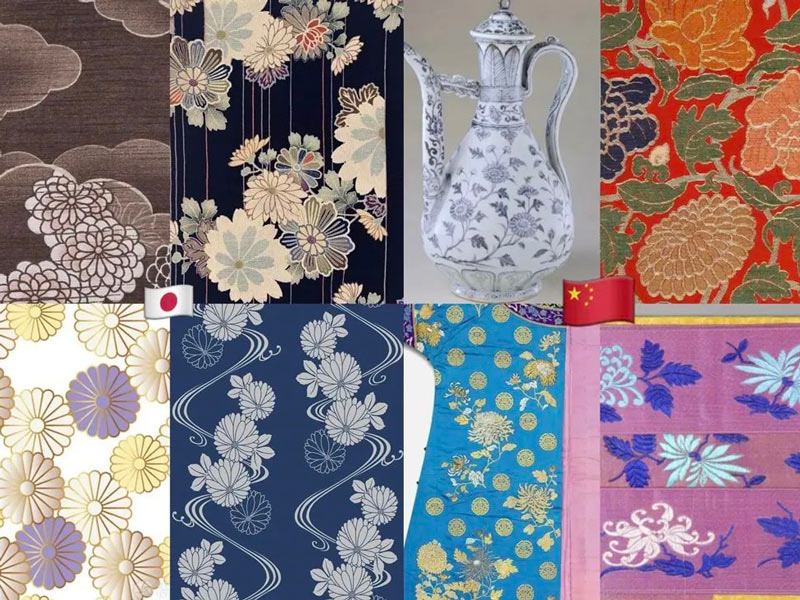
This slow erosion of meaning is a form of cultural overshadowing. A symbol with a rich, positive local history is redefined by a powerful foreign narrative. The original meaning fades from public memory, replaced by a imported concept that often carries a more negative or melancholic weight. The vibrant Golden Lamp Flower of ancient poetry is obscured by the ghostly Higanbana of modern media.
Understanding the true history of these flowers is more than a botanical exercise; it is an act of cultural reclamation. It reminds us that the stories we attach to nature are powerful and can change over time. The next time you see the brilliant red lycoris, remember its Chinese names: the Golden Lamp that lights the autumn night, the Dragon Claw that reaches for the sky. It is not a flower of death, but a long-cherished part of a living heritage, waiting to be appreciated once again for its original beauty and spirit.