Article
Search results:
-
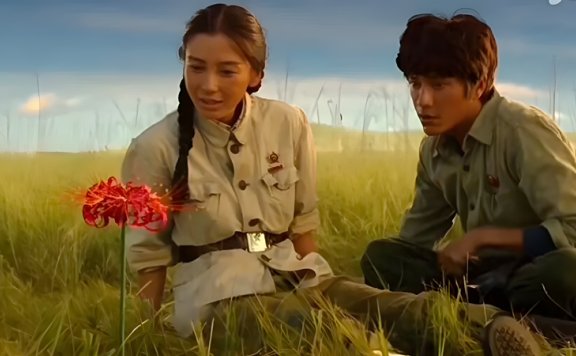
Uncovering the True Chinese History of Shisuan
Is This Flower Really a Symbol of Death? The Surprising Chinese History Behind the "Corpse Flower". Walk through any autumn garden in East Asia, and you might spot a striking crimson flower with delicate, curling petals. Many today call it the Lycoris radiata and know it as a notorious symbol of death and misfortune, a concept popularized by Japanese ghost stories. But this plant has deep roots in Chinese soil and a history filled with praise, not peril. It is time to dig up the true story of this misunderstood bloom and separate Chinese botanical heritage from foreign folklore. A Flower of Many Names In China, this plant is not known by a single, ominous title. It has been called Shisuan (石蒜), or Stone Garlic, for its bulb that resembles garlic and its tendency to grow in rocky, damp soil. Its formal, soaring petals inspired the name Longzhaohua (龙爪花), or Dragon Claw Flower. Poets of the Tang and Song dynasties saw its vibrant color as a beacon in the twilight, dubbing it Jindeng Hua (金灯花), the Golden Lamp Flower. They wrote verses comparing its glow to a perpetual flame that lit up the evening without smoke or ash. Beyond its… -
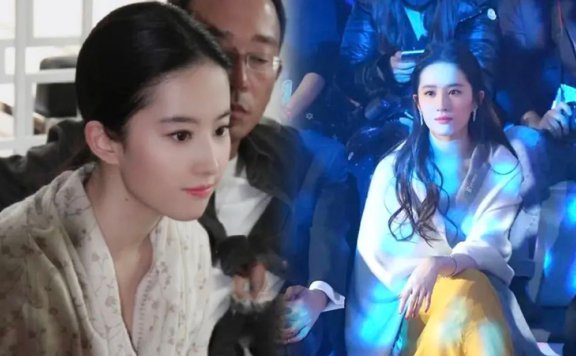
Liu Yifei's Scarf and the Legacy of Lingjin in Chinese Fashion
When a recent photo of Liu Yifei wearing a stylishly knotted scarf surfaced online, it sparked a wave of nostalgia and curiosity. Many fans were quick to note how her fashion choice seemed to mirror ancient Chinese aesthetics, leading to questions about whether this was a mere coincidence or a subtle nod to historical traditions. This connection highlights a fascinating aspect of fashion history that often goes unnoticed. Long before scarves became global accessories, they had a rich legacy in China, where they were known as Lingjin (领巾). These items were not just for adornment but served practical purposes, blending seamlessly into daily life across various dynasties. The resemblance between modern scarf styles and those depicted in ancient artworks is striking, suggesting that some elements of fashion are timeless. This article delves into the evolution of the scarf in Chinese culture, exploring its origins, transformations, and enduring appeal in contemporary times. Historical Origins In the Northern and Southern Dynasties, early forms of scarves began to appear in artworks and texts. One notable example is the painting Northern Qi Collating Classic Texts (北齐校书图), which depicts women wearing Lingjin tied in simple knots at the chest. These accessories were shorter and wider… -
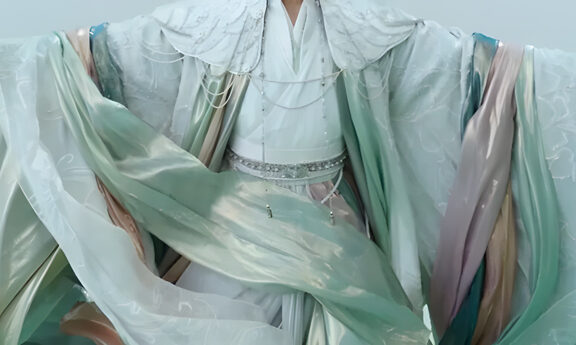
Did Fuguang Jin Exist? Unraveling China’s Glittering Fabric Myth
In recent online trends, a luxurious fabric called Fuguang Jin (浮光锦) has captured public imagination, often described as a shimmering, rain-resistant textile worth fortunes per meter. Its mentions in popular historical dramas like Empresses in the Palace (甄嬛传) and Legend of Zang Hai (藏海传) have fueled curiosity, portraying it as a coveted material in imperial courts. However, digging deeper reveals a tangled web of historical fiction and modern marketing. This fabric, praised for its mythical properties, might be nothing more than a cleverly spun tale from ancient literature. As we sift through facts and folklore, the true story behind Fuguang Jin emerges—one that challenges our perception of cultural authenticity and the allure of ancient craftsmanship. Historical Sources The primary reference to Fuguang Jin comes from the Tang Dynasty text Du Yang Za Bian (杜阳杂编), a collection of stories blending reality with fantasy. This book describes the fabric as a tribute from the Gaochang (高昌) Kingdom in 825 CE, noting its dazzling appearance under sunlight and remarkable water resistance during a rainstorm. According to the account, it was woven with silk that resisted dyeing and adorned with pearls, creating a garment that left onlookers in awe. Yet, the narrative lacks specifics… -
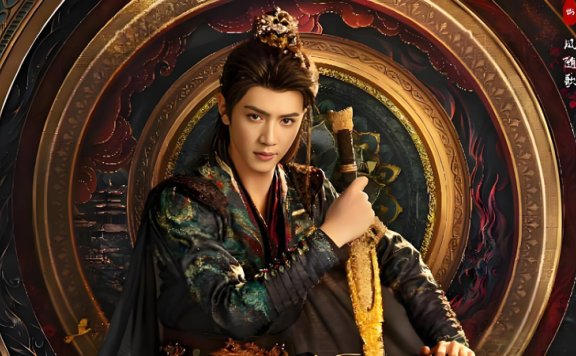
How Chen Zheyuan Lost His Next Big Thing Status Amid Stalled Projects
Chen Zheyuan (陈哲远) faces a pivotal moment in his acting journey. His second series this year, Fated Hearts (一笑随歌), has drawn muted responses, echoing the letdown from his earlier big-budget modern romance The White Olive Tree (白色橄榄树). As the story unfolds, engagement metrics for his current project remain stagnant. Platform buzz hovers below key thresholds, and promotional backing has dwindled, leaving the show to fend for itself. This pattern fuels growing critiques that he struggles to elevate adapted works, with some dubbing him an "IP crusher" and questioning his appeal. Once viewed as a talent on the cusp of a major breakthrough, that anticipated surge now feels distant. Instead of catapulting him to new heights, this phase highlights persistent barriers. The narrative around him is shifting from one of promise to one of plateaued potential. When Talent Meets Typcasting in TV In the crowded landscape of television dramas, some productions manage to capture attention without ever becoming standout hits. The series Fated Hearts finds itself in this ambiguous space, where viewer discussions often focus more on the actors' perceived weaknesses than the story itself. This phenomenon highlights how modern audiences dissect every aspect of a show, from narrative execution to… -
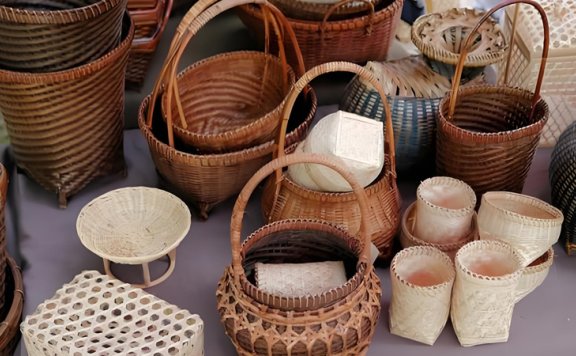
10 Must-Know Traditional Handicrafts from China
In the heart of China, artisans transform everyday materials into functional art through time-honored methods. These practices, like Pottery, involve molding earth into forms that serve daily needs while carrying ancestral wisdom. Each item bears the maker's unique imprint, connecting users to a lineage of skill and dedication. Similarly, Silk weaving demonstrates a delicate balance between human care and natural processes. Craftspeople guide silkworms to produce threads that become luxurious textiles, embodying patience and respect for resources. Those who engage in these trades sustain more than objects; they uphold values of mindfulness and community identity. Today, these methods adapt without losing their essence. Artisans infuse traditional approaches with modern sensibilities, ensuring their work remains integral to cultural expression. Handling a piece of Cloisonné or viewing detailed Paper-cutting reveals how hands-on creation fosters a deeper appreciation for heritage in everyday life. Bamboo Weaving The journey of Bamboo Weaving begins with a single stalk. Artisans split the bamboo into slender, pliable strips called mis, a process requiring a sharp eye and a steady hand. This transformation from a rigid pole to a flexible fiber is the first miracle. The strength and abundance of bamboo made it an ideal material for everyday life,… -
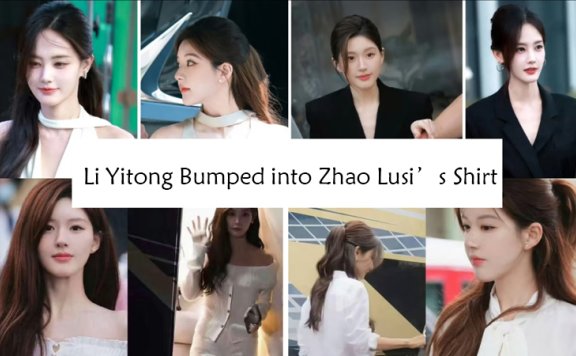
The Prevalence and Causes of Costume Similarities in Cdramas
When a popular period drama recently faced accusations of costume duplication, it sparked a wider conversation about originality in television. In Meiren Yu (美人余), the visual echo of character outfits did not go unnoticed by audiences. This situation mirrors a persistent pattern across many historical series, where designers frequently recycle styles. An actor might wear nearly identical attire in different projects, blurring the lines between their roles. The rapid expansion of short-form content has intensified this, with compact productions often lifting aesthetic elements directly from their lengthier counterparts. At the heart of these repetitions lies a creative stagnation, a safe retreat into familiar visuals that risks boring viewers. This reliance on similar designs points to a deeper industry habit. Rather than cultivating unique visions, some productions opt for proven, marketable looks. She might play a warrior in one story and a noble in another, yet her wardrobe feels strangely consistent. This aesthetic convergence suggests a lack of inventive risk, where financial pressures override artistic ambition. Furthermore, legal frameworks for protecting costume copyright remain underdeveloped, making it easy for one show to mimic another's sartorial choices without significant repercussion. The outcome is a visual landscape that feels repetitive, denying audiences the… -
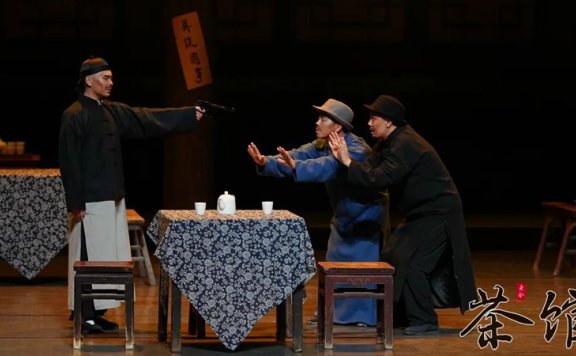
Unpacking the Enduring Power of Teahouse by Lao She
Why does a play about a fading teahouse still resonate deeply with modern audiences? Teahouse (茶馆), written by Lao She (老舍) in 1957, remains a cornerstone of Chinese theater, captivating viewers nearly seventy years later. Set entirely within the walls of Yutai Teahouse (裕泰茶馆), this masterpiece uses a single location to reflect the immense social and political upheavals in China across five decades. Instead of focusing on grand historical figures, it turns its lens on the ordinary people—the patrons, the owners, the hustlers—whose lives are buffeted by forces beyond their control. The teahouse becomes a microcosm of the nation, a stage where personal dreams and despairs intertwine with the fate of a country in flux. Its enduring power lies not in political commentary, but in its raw, compassionate portrayal of humanity struggling to find dignity and a means of survival amidst chaos. Performance Time: Saturday, November 15th, 2025 at 19:30 Venue: Zunyi Grand Theater Opera Hall A Triptych of Time The structure of Teahouse is a bold narrative feat, compressing fifty turbulent years into three distinct acts. Each act revisits the same setting, allowing the audience to witness the physical and social decay of the establishment and its patrons. The… -

The Xiangnang: An Ancient Whisper for the Modern World
What if your accessories could tell a story a thousand years old? In an age of mass production, a small, fragrant pouch offers a different kind of luxury. This is not just a scent carrier; it is a wearable piece of history, a whisper from ancient China. The Xiangnang (香囊), or scented sachet, holds within its delicate stitches the essence of a cultural legacy. Far more than a simple ornament, it is a complex artifact where botany, craft, and deep-seated human emotion converge. From royal courts to rustic villages, it has served as a personal air of poetry, a protective charm, and a silent messenger of the heart. The Craft Creating a Xiangnang is a meditation in itself. The process begins not with thread or cloth, but with scent. An artisan selects herbs like mugwort, cloves, or borneol, each chosen for its aromatic and symbolic properties. The goal is to design a fragrance profile that is either invigorating, calming, or protective. This initial step is deeply personal, akin to composing a unique olfactory signature for the future wearer. The true test of patience follows: grinding. The dried botanicals are placed into a stone mortar. The rhythmic, circular crushing is not… -
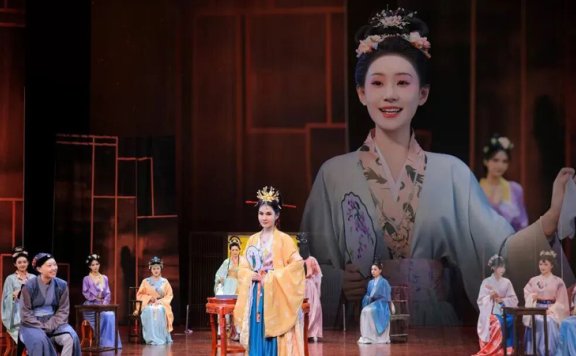
The Story of the Stone: Huizhou's Theatrical Journey Into Fate and Love
This November, the Huizhou Culture and Art Center (惠州文化艺术中心) transforms into a portal to the late Qing dynasty, presenting a stage adaptation of The Story of the Stone (红楼梦). On November 19, 2025, audiences will witness a condensed, 150-minute spectacle that distills Cao Xueqin's (曹雪芹) monumental novel. This production does not merely recount a story; it invites viewers into a reflective space where personal desires clash with societal confines. Through innovative narrative techniques and visual poetry, the play examines the delicate threads of love and loss within the illustrious Jia Mansion (贾府). It is an experience designed to resonate with modern sensibilities, questioning how much has truly changed in the human heart. Performance Time: November 19th, 2025 at 19:30 Venue: Huizhou Culture and Art Center The Narrative Guided by the otherworldly perspectives of a lame Taoist and a scabby monk, the play frames the saga as a search for cause and effect. This unique viewpoint allows the audience to journey through pivotal moments, such as Lin Daiyu's (林黛玉) initial arrival at the mansion and Granny Liu's (刘姥姥) wide-eyed tour of the gardens. The plot weaves these episodes into a tapestry that highlights both romantic yearning and familial decay. Key events… -
The Game-Changer Behind China's Hit Historical Short Dramas
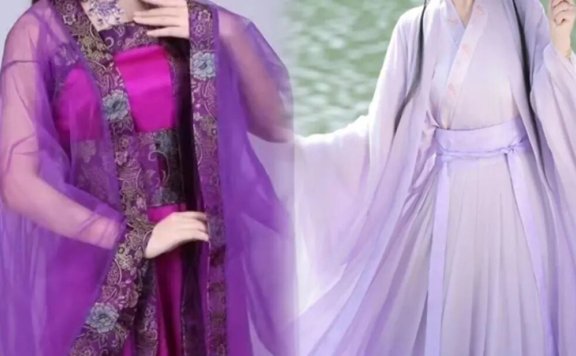
Could the secret to a hit historical series be hanging in a ready-to-wear shop? A noticeable shift is occurring behind the scenes of China's booming short drama industry. Instead of commissioning custom-made costumes, an increasing number of production crews are turning to off-the-rack Hanfu. This move is not just about cutting costs; it is a conscious choice that is reshaping visual storytelling, winning audience approval, and opening a new front in the promotion of traditional culture. The clothes characters wear are becoming a direct link to a authentic past. Costume Clash What is the real difference between a ready-made Hanfu and a custom drama costume? The former is a garment produced for public sale, designed according to historical patterns and tailoring techniques. Its primary advantage is authenticity. Many of these garments are replicas based on archaeological finds, like textiles from the Bijiatan (毕家滩) tomb or wooden figurines from Astana (阿斯塔纳). They offer a tangible connection to a specific era. Using these accurate garments elevates a production's quality. For a series set in a defined dynasty, correct clothing shapes pull the audience deeper into the world. A character dressed in a cross-collared top under a square-collared coat with a Mamianqun (马面裙)… -
How Hairpin Flowers Bridge China’s Past and Present
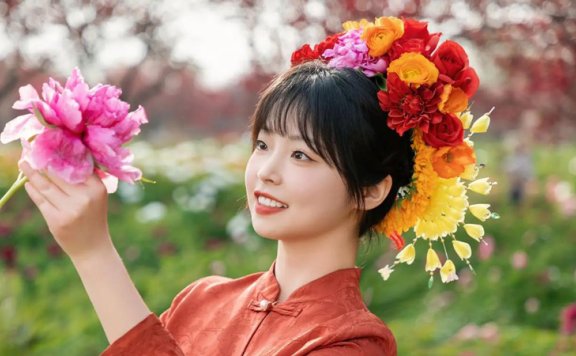
In the bustling streets of modern China, a quiet revolution blooms atop the heads of women who choose to adorn their hair with intricate floral arrangements. This is not merely a fashion statement but a profound connection to an ancient practice known as hairpin flowers, a craft that has woven its way through millennia. Imagine waking up to the sight of vibrant blossoms—crimson camellias, sunny daisies, and delicate hydrangeas—nestled in dark tresses, transforming everyday moments into a celebration of nature and resilience. For many, these flowers are more than decorations; they are emblems of inner strength and a poetic approach to life. In an era where women are increasingly asserting their identities, hairpin flowers serve as a bold declaration of self-love and cultural pride. They remind us that beauty can be both fleeting and eternal, capturing the essence of hope in each handcrafted petal. This tradition, rooted in deep history, continues to inspire those who seek to blend artistry with personal expression, making every day a canvas for creativity and empowerment. The Artisan's Touch Creating hairpin flowers is a meticulous process that demands patience and skill, passed down through generations of artisans. In regions like Quanzhou (泉州), particularly among the… -
Rickshaw Boy Premieres at Quanzhou Theatre Oct 18, 2025
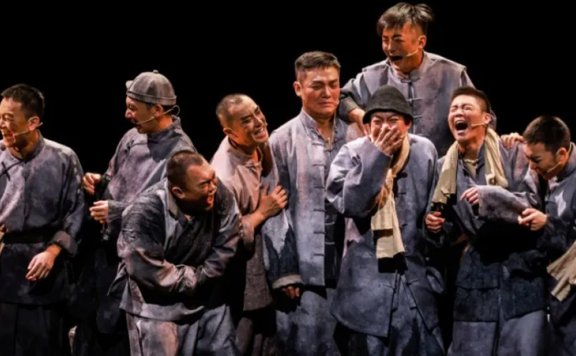
In the heart of Beiping (北平) during the 1920s, a rickshaw puller's dream unfolds on stage, capturing the essence of human resilience. The theatrical adaptation of Rickshaw Boy (骆驼祥子), based on Lao She's (老舍) classic novel, brings to life the gritty streets and soaring hopes of a bygone era. Directed by Fang Xu (方旭), this production revitalizes the tale for modern audiences, blending innovative staging with emotional depth. As the curtains rise at the Quanzhou Grand Theatre (泉州大剧院) on October 18, 2025, viewers are invited to step into a world where every pull of the rickshaw echoes with struggle and aspiration. This isn't just a retelling; it's an immersion into the soul of a city and its people, making literature breathe and pulse in real time. Performance Time: Saturday, October 18th, 2025 at 19:30 Venue: Quanzhou Grand Theatre Stage Interpretation Xiangzi's (祥子) journey from hopeful youth to broken man is distilled into a powerful two-hour performance. Three actors portray him at different life stages, sharing the stage to weave a symphony of fate. The young Xiangzi beams with ambition, the middle-aged one grapples with despair, and the elderly version retreats into defeat. This layered approach allows the audience to witness… -
Exploring the Dynamic World of Tibet's Ancient Rebadance
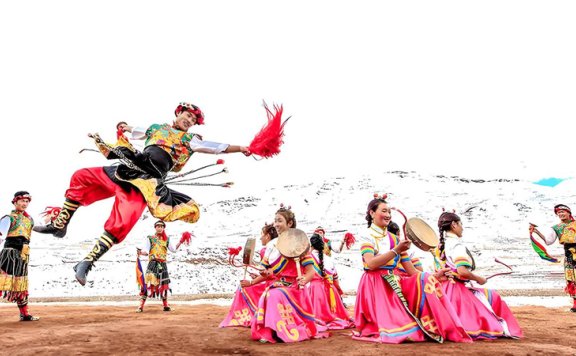
What secrets lie within the rhythmic beats of Tibet's ancient Rebadance (热巴舞)? This dynamic performance, recognized as a national intangible cultural heritage, is far more than a series of steps. It is a living narrative, a spiritual dialogue, and a vibrant expression of identity for Tibetan communities across the Plateau. With its powerful drumming and acrobatic movements, Rebadance connects the past to the present, telling stories of faith, nature, and human endurance. Its very name, translating to "tassel" or "fringe," hints at the intricate layers of meaning woven into every gesture and costume. This dance does not simply entertain; it invites audiences into a world where every jump and turn carries the weight of centuries. Roots and Rhythm The story of Rebadance begins in the mists of time, with many tracing its origins to the 11th century and the influential Buddhist master, Milarepa (米拉日巴). He and his disciples are credited with shaping the art form, blending physical discipline with spiritual intent. However, deeper echoes resonate from an even older tradition. The central instrument, the drum, was originally a ritual object in the indigenous Bon (苯教) religion, used in ceremonies to summon deities. This highlights a fascinating transformation, where the dance… -

Cao Yu's Thunderstorm Hits Zunyi on Oct 20th
What dark family secrets will a single stormy night reveal in 1925 China? Thunderstorm (雷雨), the monumental work by Cao Yu (曹禺), often called China's Shakespeare, arrives in Zunyi (遵义) through the enduring efforts of the Guizhou Provincial Theater Troupe. This performance is not merely a revival but a fresh interpretation of a story that has captivated audiences for nearly a century. Set against a backdrop of social transition, the play dissects the intricate and often painful relationships within a wealthy, feudalistic family. The narrative builds with a slow, inexorable tension, much like the gathering clouds before a storm, leading to a climactic night where hidden truths and long-buried resentments violently surface. This staging promises to connect modern viewers with the raw emotional power and timeless questions about fate, desire, and societal constraints that Cao Yu so masterfully embedded into his script. Performance Time: October 20h, 2025 at 19:30 Venue: Guizhou Provincial Theater Troupe Family Secrets The central tragedy of Thunderstorm unfolds within the oppressive walls of the Zhou family residence. The patriarch, Zhou Puyuan (周朴园), maintains a facade of respectability, but his past actions haunt the household. His current wife, Fanyi (繁漪), trapped in a loveless marriage, grapples with… -
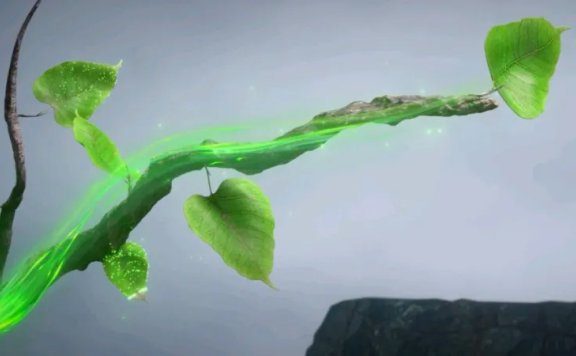
Why Didn't Ancient Clans Seize the Sacred Bodhi Tree?
In the sprawling universe of Battle Through the Heavens (斗破苍穹), certain legendary artifacts hold the power to reshape destinies. Among these, the Bodhi Tree stands as a monumental mystery. Appearing once every millennium, this ancient entity, also known as the Tree of Wisdom and Reincarnation, unleashes chaos across the continent as even the mightiest masters, the Dou Saints, fight and fall for its blessings. Yet, a puzzling question remains: why have the eight most powerful ancient clans, with their vast resources and influence, never joined forces to claim this divine tree for themselves? The answer lies not in a lack of power, but in the intricate and fragile web of ambition, fear, and self-interest that defines their world. A Fragile Alliance The deep-seated rivalries among the ancient clans make any lasting alliance impossible. We see this clearly with another legendary artifact, the Tuo She (陀舍) Ancient Emperor Jade. This key to an emperor's tomb holds secrets to reaching the pinnacle of power, the Dou Emperor rank. Instead of cooperating to use it, the clans chose to split the jade into fragments, each guarding their piece with paranoid secrecy. This arrangement reveals a fundamental truth: when every faction dreams of absolute… -
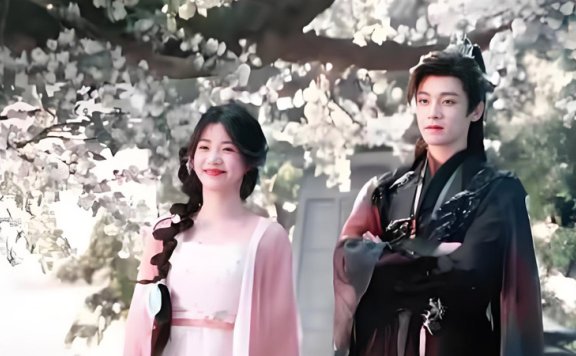
The Visual Splendor and Compelling Acting of Love in the Clouds
In a landscape saturated with predictable costume dramas, a new series has erupted onto the scene, capturing the imagination of audiences and critics alike. Love in the Clouds (入青云) premiered with a quiet confidence that belied its explosive impact, achieving staggering viewership numbers and sparking a fervent online discussion within just three episodes. This isn't just another Xianxia tale; it feels like a reinvention of the genre itself. Where other recent productions have stumbled with convoluted plots or relied solely on star power, this drama delivers a compelling narrative supported by robust world-building and nuanced character dynamics. Its arrival has been hailed as a breath of fresh air, signaling a potential shift in what audiences can expect from high-concept fantasy television. The immediate and passionate response suggests that viewers were not just waiting for a new show, but for a show that would respect their intelligence and reward their attention. A New Narrative The world of Love in the Clouds is built upon a foundation far sturdier than the typical celestial romance. The story is set within the Six Void Realms (六虚合境), a universe divided by a stark socioeconomic hierarchy. Central to the plot is the prestigious Qingyun Assembly (青云大会),… -
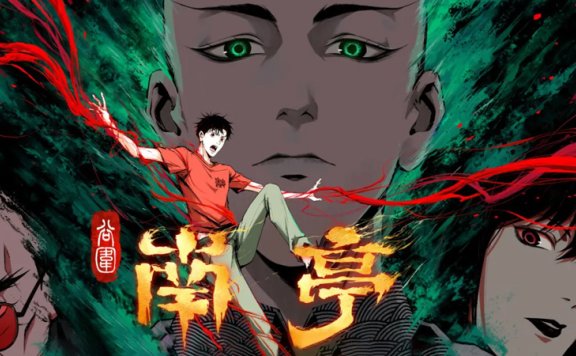
What Ancient Curse Haunts the The Last Dynasty Hotel Today?
In the bustling modern world, a forgotten tale from centuries past resurfaces in The Last Dynasty (谷围南亭), a story where a college student's routine life collides with supernatural forces. This narrative blends eerie moments with unexpected humor, creating a unique experience that captivates audiences. Set in a mysterious hotel during the Ghost Festival, it explores themes of destiny and ancient rivalries, drawing readers into a world where the past never truly dies. Through vivid characters and clever twists, the series offers more than just scares—it invites reflection on how history shapes our present. Unlikely Heroes Gao Ying steps into the spotlight as an ordinary freshman, whose curiosity leads him to the Qing Dynasty Hotel (大清王朝酒店). His arrival coincides with the Ghost Festival, a time when spirits roam freely, and he quickly finds himself surrounded by supernatural threats. Unlike typical protagonists, he is not a chosen warrior but an accidental participant, making his journey relatable and filled with tension. As he navigates this new reality, his growth from a naive student to someone entangled in a centuries-old conflict forms the heart of the story. Alongside him, Zhen Nan Wang Yinting (镇南王胤霆) emerges as a pivotal figure, wielding ancient Sa Man Mi… -
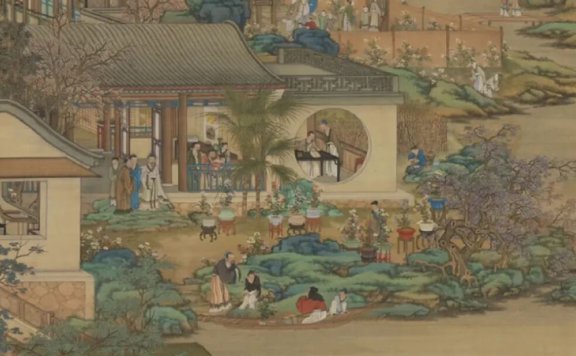
What Did Ancient People Do on Their Days Off?
What did an official's day off look like two thousand years ago? For us, weekends mean freedom from emails and deadlines, a chance to recharge. In ancient China, the concept of a rest day was both practical and sacred, a vital pause in the rhythm of life mandated by the state. Long before the forty-hour work week, dynasties like the Han recognized that even the most diligent bees in the imperial hive needed time away from collecting honey. Their days off, however, were not just for idleness; they were for purification, for personal chores, and for the quiet pursuits that made the other days bearable—sometimes these pursuits were boisterous. From the strict bathing schedules of the Han to the vibrant festivals of the Tang and the generous holidays of the Song, the ancient weekend was a fascinating institution that reveals how people have always sought balance between duty and leisure. The Han Day of Soap During the Western Han Dynasty, the state took a direct interest in its officials' hygiene. The law, known as the Han Code (汉律), decreed that government workers were entitled to one day off every five days, a system called Xiumu (休沐). The term literally means… -
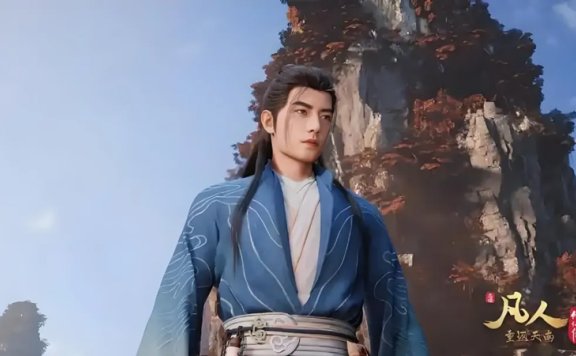
What Drives Han Li to Choose Disciples?
In the ruthless world of cultivation, where power often dictates alliances, Han Li (韩立) stands out for his unconventional approach to mentorship. Unlike major sects that prioritize family prestige or innate genius, his method reflects a deeper wisdom. Through his journey in A Record of a Mortal’s Journey to Immortality (凡人修仙传), he selects disciples based on a blend of circumstance, potential, and personal principles. This exploration delves into the stories behind his choices, revealing how each apprentice reflects a unique facet of his philosophy. From the human world to the spirit realm, his criteria evolve, yet remain rooted in a pragmatic assessment of character and capability. 1. Liu Yu (柳玉) Liu Yu entered Han Li's life through a chance encounter involving a Six-Winged Frost Centipede. Originally a core formation cultivator from the Demonic Path, she came from a fallen family with no living ties. Her lack of attachments made her an ideal candidate. Han Li saw in her a blank slate, free from familial obligations that often complicate loyalties. He initially accepted her as a nominal disciple through a transactional agreement. Over time, she proved her worth and dedication. Her competence allowed her to become a formal student, serving him… -
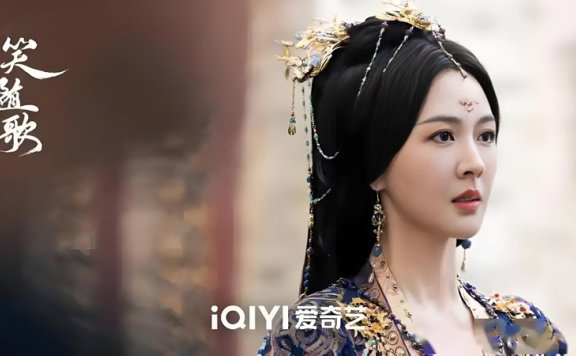
What Price Did These Women Pay in Fated Hearts?
The palace drama Fated Hearts (一笑随歌) concludes, leaving behind a trail of complex emotions. While power and romance intertwine, the narrative often returns to the profound sacrifices of its female characters. Their stories form the emotional core of the series, presenting a sobering look at the costs of love, duty, and survival in a rigid world. This is not a tale of triumphant heroines but a poignant exploration of four women whose lives, despite their high status, were defined by loss and unfulfilled desires. Empress Zhuang's Hollow Crown Empress Zhuang (庄皇后) lived for fifteen years under a beautiful illusion. She believed her promotion to Empress was a testament of Emperor Feng Pingcheng's (凤平城) love. To be worthy of this perceived affection, she abandoned personal joys, even giving up her favorite Zongzi (粽子). She molded herself into his perfect companion, her identity becoming entirely dependent on his approval. Her world was carefully constructed around the man she served, a palace of her own making built on sand. The truth, however, was a cruel performance. The Emperor's fatal illness, a secret he kept for fifteen years, was the real reason for her elevation. He needed a stable regent, not a beloved wife.…