Article
Search results:
-
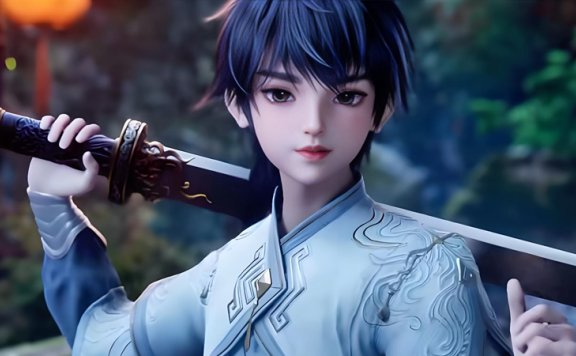
The Demon Hunter: Can Brushstrokes Defend Cang Yuan Jie?
In a landscape where fantasy tales often rely on flashy special effects and predictable power-ups, The Demon Hunter (沧元图) emerges as a breath of fresh ink-washed air. This series, originating from the mind of author I Eat Tomatoes, reimagines the Xianxia genre by weaving traditional Chinese painting directly into its core mechanics. Instead of chanting spells or wielding swords, the protagonist harnesses the power of brushstrokes, turning artistry into combat and creativity into cultivation. The narrative unfolds in the troubled land of Cang Yuan Jie (沧元界), a realm besieged by demons and internal strife, where a young man's journey from vengeance to guardianship challenges every convention. Through its novel approach, the story invites audiences into a world where every battle is a masterpiece in motion, and every character carries a depth that transcends typical hero archetypes. This unique fusion has not only captivated readers of the original web novel but also sparked a visual revolution in its animated adaptation, proving that some stories are better told with a brush than a blade. Brush as Weapon At the heart of The Demon Hunter lies a groundbreaking concept: the integration of Shuimo (水墨) painting into the cultivation system. Meng Chuan (孟川), the… -
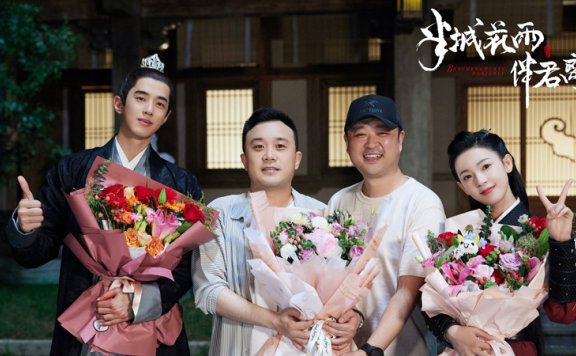
Can a Scarlet General and a Cunning Minister Rewrite Their Destinies?
A flash of crimson cuts through the battlefield, a stark symbol of defiance and beauty. This is the first glimpse of Hua Zhuyu (花著雨), a general whose legend is as formidable as her sword. Her story, brought to life in the new series Love Under the Floral Rain (半城花雨伴君离), is not a simple tale of romance. It is a complex dance of survival, revenge, and an unexpected alliance that blooms in the most treacherous of soils. Based on the novel Phoenix Hidden Under the Sky (凤隐天下) by Yue Chuyun (月出云), the series pairs the compelling performances of Chen Yao (陈瑶) and Liang Jingkang (梁靖康) in a historical narrative that challenges the conventions of its genre. The world of the Qi Kingdom (綦国) is one of intricate politics and sudden betrayals. At its heart is General Hua, known to friend and foe alike as the “Silver-Masked Asura”. Her prowess in military strategy is matched only by her skill with the Guqin (古琴), a duality that defines her character. Yet, beneath the formidable exterior lies the memory of a lonely boy she once rescued, a tender secret she calls “Brother Ling”. This childhood act of kindness stands in sharp contrast to the… -
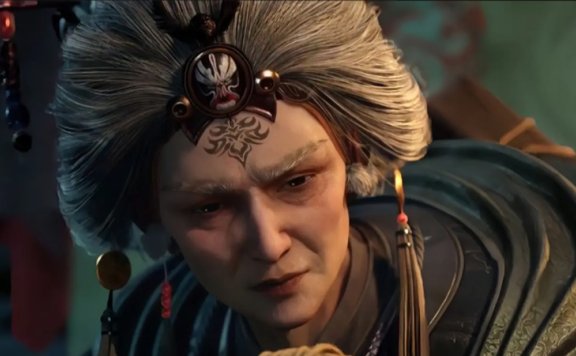
4 Unforgettable Physical Shifts in Top Chinese Animation Female Roles
In the vibrant world of Chinese animation, female characters often undergo breathtaking physical changes that captivate audiences. These transformations are not merely visual tricks; they weave deep narratives about identity, sacrifice, and empowerment. From elderly figures shedding years to reveal youthful vigor, to children maturing into powerful adults, these shifts challenge perceptions and drive stories forward. This article delves into four iconic examples where such metamorphoses redefine characters and plotlines, offering viewers a glimpse into the creative storytelling that sets these series apart. Each change carries emotional weight, turning simple animations into profound explorations of human experience. 1. Tale of Herding God (牧神记) - Si Youyou (司幼幽) In Tale of Herding God (牧神记), Si Youyou lives as a hunched old woman in Canlao Village (残老村), hiding a past filled with turmoil. Once the sacred maiden of Tianmo Jiao (天魔教), she was forced into marriage by its leader, Li Tianxing (厉天行). During their wedding, she struck back, stealing the Dayu Tianmo Jing (大育天魔经) and fleeing to escape persecution. Her disguised life as an elder conceals a fierce spirit and a history of rebellion, making her daily existence a delicate balance between survival and secrecy. Beneath the wrinkled facade lies unparalleled beauty,… -
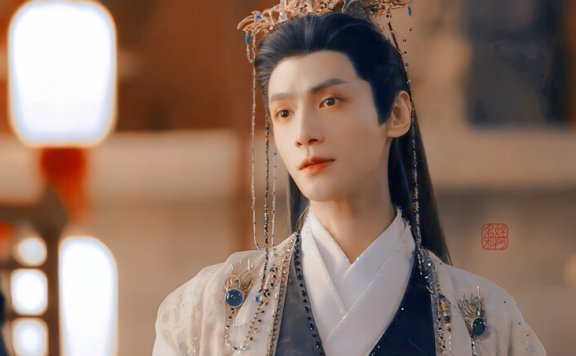
The High-Stakes Drama Unfolds in Whispers of Fate
In the latest episodes of the Wuxia drama Whispers of Fate (水龙吟), viewers are thrust into a whirlwind of emotional turmoil and high-stakes conflict. The story centers on Tang Lici (唐俪辞), portrayed by Luo Yunxi (罗云熙), as he grapples with life-threatening injuries and deep-seated guilt. Amidst the chaos, his former friend Liu Yan (柳眼) descends into madness, driven by a misguided quest for vengeance. The narrative weaves together dream sequences, brutal battles, and shocking revelations, pushing characters to their limits. As alliances shift and secrets unravel, the line between hero and villain blurs, leaving audiences on the edge of their seats. This installment not only advances the plot but also delves into themes of redemption, sacrifice, and the haunting weight of the past. Dreams and Decisions Tang Lici's journey takes a poignant turn as he slips into a vivid dream, revisiting the days at the Zhao Di Lou (啁睇搂) with Fang Zhou (方周) and Liu Yan. In this memory, they share a meal, echoing the camaraderie of four years prior. Fang Zhou reveals his initial intentions upon finding Tang Lici, noting his unique physique akin to a rare martial arts concept. He expresses pride in Tang Lici's efforts to protect… -

The Complex Journey of Wu Yang in Chang’an
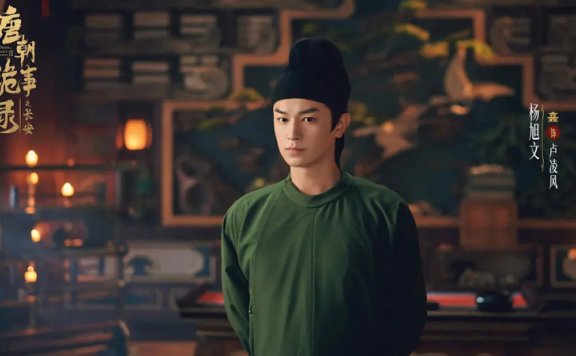
In the gripping drama Strange Tales of Tang Dynasty Ⅲ: Chang'an (唐朝诡事录之长安), the character Wu Yang (舞阳) initially appears as a victim of circumstance, trapped by her mother's overprotective love in the bustling capital of Chang'an. Her story unfolds with layers of deception, challenging viewers' perceptions of innocence and manipulation. As the plot delves into her desperate bid for freedom, it reveals a complex web of human emotions and calculated moves, set against the rich backdrop of the Tang Dynasty. This narrative not only captivates with its suspense but also invites reflection on the lengths one might go to break free from societal constraints. The Illusion of Innocence Wu Yang's first encounter with Cherry and Pei Xijun (裴喜君) at a cosmetic shop seems like a chance meeting, but it is carefully orchestrated. She approaches them with a facade of pure vulnerability, quickly proposing a friendship and arranging a visit to Chenfo Temple (成佛寺). Her ability to read people allows her to select targets who are both sympathetic and influential, ensuring that her disappearance would cause enough concern to be investigated, yet not enough to derail her plans. This calculated approach shows her deep understanding of human psychology, far beyond what… -
Strange Tales 3 Dives Into Chang'an's Power Wars
Have you ever wondered what keeps viewers glued to their screens for a historical mystery? The answer might lie in a bustling Tang Dynasty market, beneath the shadow of a mechanical beast, or within the whispered secrets of the palace. Strange Tales of Tang Dynasty Ⅲ: Chang'an (唐朝诡事录之长安) returns, and it wastes no time plunging audiences back into its captivating world of suspense and intrigue. Picking up directly from the events of its predecessor, the series immediately reacquaints us with the familiar faces of the investigation team. They find themselves in a Chang'an simmering with political tension, where a simple transport mission for a rare treasure unravels into a web of conspiracies that threaten the very heart of the empire. This season promises not only baffling cases but also a deeper exploration of the power dynamics shaping the era. Unveiling The Mystery The series has always been defined by its "strange" elements, and the third installment doubles down on this signature style. The premiere episode delivers a high-stakes encounter with colossal, mechanical birds that attack the Emperor. The spectacle is not mere fantasy; the show grounds its weirdness in historical texts like the Youyang Zazu (酉阳杂俎), which records flying wooden… -
How Could a Friendship End With a Merciful Sword Strike?
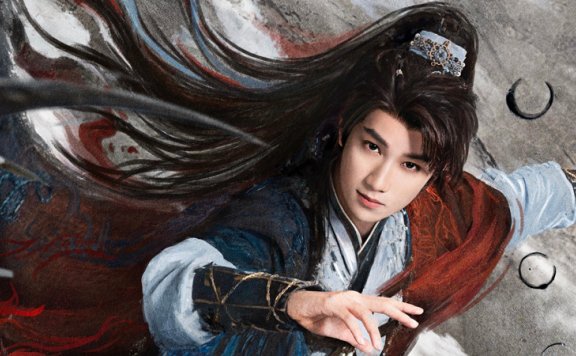
The finale of the television series Whispers of Fate (水龙吟) leaves viewers with a profound sense of tragedy, centered on two characters whose fates are irrevocably intertwined. The world of Wuxia is often defined by honor and revenge, but this narrative explores a darker, more personal cost. It asks a difficult question: what is the ultimate price of loyalty, and what remains when vengeance proves to be a hollow pursuit? The conclusions for Chi Yun (池云) and Liu Yan (柳眼) are not merely endings but somber reflections on sacrifice and the devastating weight of misplaced blame. A Friend's Final Duty Chi Yun's story is a heartbreaking descent from light into darkness. He begins as a character full of life, his devotion to his fiancee, Bai Suche (白素车), and his unwavering friendship with Tang Lici defining his existence. His trust in Tang Lici (唐俪辞) is absolute, a bond that seems unbreakable. This makes his eventual fate all the more tragic, a cruel twist orchestrated not by a villain, but by circumstance. In a desperate attempt to protect Bai Suche, Chi Yun is contaminated by poisoned blood, a transformation that turns him into the most powerful and dangerous Guwang (蛊王), a venomous… -
How Chinese Wedding Traditions Adapt and Endure
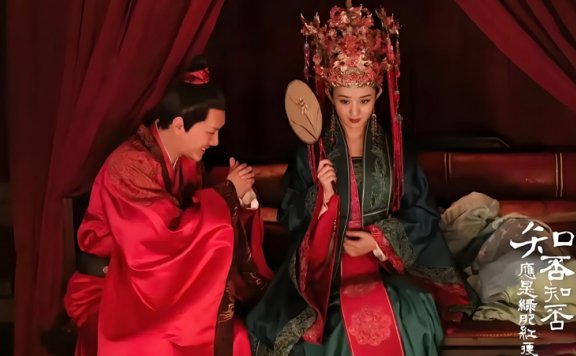
In the heart of ancient China, a bride's journey to her new home was marked by a procession of carefully curated items, each telling a story of family love and societal expectations. From the bustling streets depicted in The Story of Minglan (知否知否应是绿肥红瘦) to the intricate details in Flourished Peony (国色芳华), dowries served as more than mere possessions; they were a woman's anchor in a world defined by marital bonds. These collections, often prepared from a daughter's birth, reflected deep cultural roots where marriage was not just a union but a strategic alignment of families. Parents invested years, sometimes even mortgaging properties, to assemble dowries that would ensure their daughter's dignity and security. This practice, steeped in tradition, highlighted the delicate balance between affection and social standing, weaving a tapestry of hope and responsibility that transcended generations. Dowry Components Ancient Chinese dowries were meticulously divided into practical and symbolic categories, tailored to a family's means. For ordinary households, items like beds, chests, quilts, and pillows formed the core, as seen in historical records and dramas such as The Story of Minglan. These objects, though simple, embodied parental devotion, with families often measuring the groom's home beforehand to customize furniture. In… -
Deception & Sorrow: Forging the Perfect Human Weapon
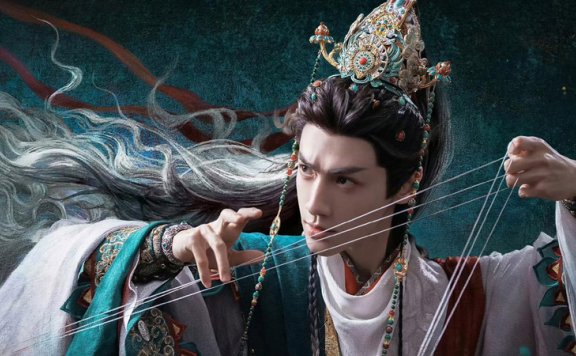
What if every act of kindness in your life was part of a stranger's calculated design? For Tang Lici (唐俪辞), the revered hero of the Whispers of Fate (水龙吟) tale, this nightmare was his reality. His entire existence, from a fateful rescue to a profound loss, was orchestrated by a shadowy architect from another realm. The seven years of warmth and guidance he received from his adoptive guardian, Fang Zhou (方周), were not a sanctuary but a carefully set stage for a devastating tragedy. This is not merely a story of betrayal; it is an exploration of a chilling experiment to forge the perfect human weapon through the crucible of emotional suffering. The Architect's Gambit The mastermind, Yi Que Yinyang (一阙阴阳), originated from Tianrenjing (天人境), a celestial realm desperate to escape its decaying fate. His mission was to pave a path to the mortal world of Shenzhou (神州). However, after falling to the earthly kingdom of Gumo (姑墨), he was deceived and betrayed by its king, an experience that poisoned him with a deep-seated hatred for humanity. This bitterness crystallized into a new, monstrous ambition, one that required a specific and perfect vessel for his resurrection. He found his answer… -
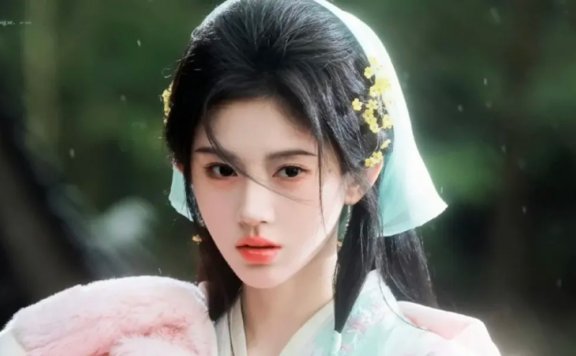
What's the Story Behind Ju Jingyi's Head Scarf in Veil Of Shadows?
In the recent buzz surrounding actress Ju Jingyi (鞠婧祎) and her role in the drama Veil Of Shadows (月鳞绮纪), a simple head wrap has captured audience attention, sparking debates online. This accessory, far from a random costume choice, echoes a practical tradition from ancient China. Known as Pazi (帕子), it served as a everyday solution for managing hair, similar to modern hairbands or scarves. Its appearance in the show highlights how historical elements can blend seamlessly into contemporary storytelling, inviting viewers to look beyond the glitter of ornate hairstyles and appreciate the simplicity of daily life in past eras. This piece of cloth connects us to a time when functionality and fashion intersected in subtle ways, reminding us that some style solutions are timeless. Historical Roots Long before Veil Of Shadows brought it to screen, the head wrap had deep roots in Chinese history, dating back to periods like the Wei and Jin dynasties. Initially, both men and women used these square cloth pieces, often made from fabric scraps, to bundle their hair and maintain a neat appearance. For instance, men frequently wore a style called Zicuo (缁撮), which involved twisting black cloth into a bun-like shape, commonly seen among… -
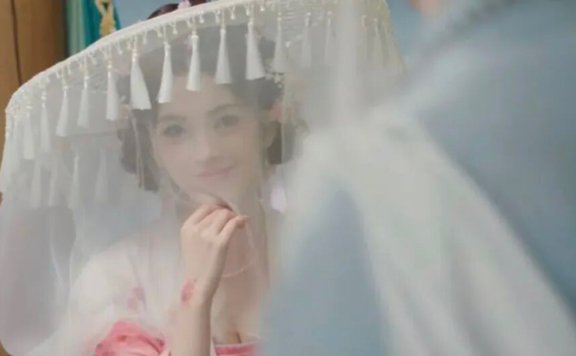
How Did a Simple Hat Steal the Entire Scene in Whispers of Fate?
In the fantasy drama Whispers of Fate (水龙吟), the entrance of actress Chen Yao (陈瑶) was not just seen but felt. It was not her lines or a dramatic action that first defined her character, but a piece of historical fashion: a wide-brimmed hat with a sheer veil. This single item, known as a Weimao (帷帽), immediately established an aura of mystery, elegance, and unapproachable grace. It is a prime example of how costume design can serve as powerful, non-verbal storytelling, conveying a character's status and disposition before a single word is spoken. This particular hat has become a recurring visual motif in Chinese historical dramas, captivating audiences with its poetic blend of concealment and revelation. The Weimao's Evolution The Weimao has a rich and practical history. Its predecessor was the Mili (幂篱), an earlier form of face-covering headwear. The primary distinction lay in their dimensions and materials. The Mili was often made of bamboo and featured a long veil or netting designed to cover the entire body, offering protection from wind and sand during travel. It was used by both men and women for its utilitarian function. The Weimao, typically constructed from cloth or silk, had a shorter veil… -
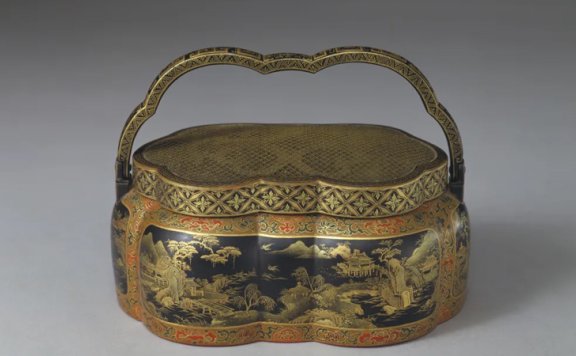
How Did Ancient People Survive Winter Without Heaters or AC?
As temperatures drop each year, modern solutions like electric blankets and smart thermostats become essential. But centuries before central heating, people across China developed remarkably sophisticated methods to stay warm. Their innovations blended architectural genius with portable comfort, creating systems that heated entire homes or provided personal warmth during bitter winters. These weren't just practical solutions—they represented a deep understanding of materials, heat conduction, and seasonal adaptation. From permanent structures built into homes to delicate artifacts carried in sleeves, each invention tells a story of human ingenuity facing nature's challenges. Heated Architecture The Kang (炕) heated bed was northern China's architectural answer to winter. Constructed from brick or adobe, this platform contained an intricate network of flues connecting to the household stove. Heat and smoke from cooking would circulate beneath the sleeping surface before exiting through a chimney. This clever design provided whole-room heating without extra fuel. The system appears in historical dramas like Flourished Peony (国色芳华), where characters enjoy its steady warmth. Wealthier households and palaces developed even more advanced systems. During the Ming and Qing dynasties, the Forbidden City utilized underground heating channels beneath its most important halls. Servants would light fires in outdoor stoves, with hot air… -
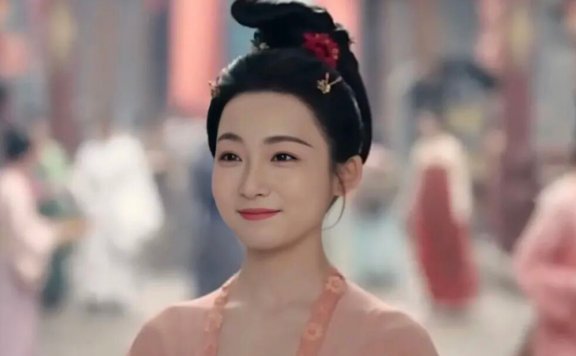
Cute Face vs. Imperial Aura in Wu Zetian’s Portrayal
Does a cute face truly fit the legendary Empress we know? The recent television series Strange Tales of Tang Dynasty Ⅲ: Chang'an (唐朝诡事录之长安) has sparked fervent discussion with its portrayal of a young Wu Zetian (武则天). Viewers expressed disbelief, questioning how the formidable female emperor could be depicted with such a soft, almost doll-like appearance. This portrayal clashes with the widely accepted historical image of a woman possessing a square forehead and broad cheeks, features believed to signify great ambition and power. The debate goes beyond mere acting, touching upon a deeper question: how should contemporary media represent formidable historical figures, especially women whose authority defied traditional norms? Historical Face What did Wu Zetian actually look like? Historical records, notably the New Book of Tang (新唐书), describe her with the term "Fang E Guang Yi" (方额广颐), meaning a square forehead and wide jawline. This was considered an auspicious physiognomy, predicting nobility and strength. Her own daughter, Princess Taiping (太平公主), was said to share these features, leading Wu Zetian to remark that she resembled her. This historical description presents a stark contrast to the delicate, "moe" style favored in some modern interpretations. This established image has been powerfully brought to life… -
Top 10 Must-Watch Chinese Fantasy Dramas of 2025
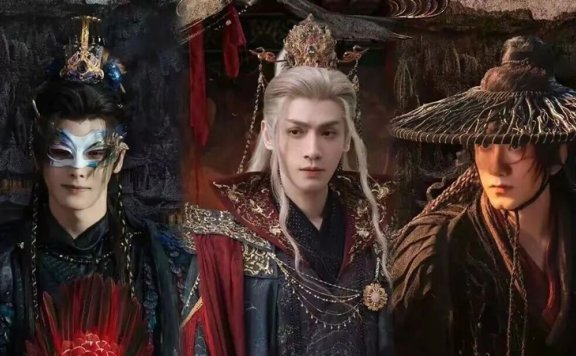
The landscape of Chinese television has seen a flurry of activity, with several productions capturing audience attention through distinctive narrative approaches and visual styles. These series often blend traditional elements with modern sensibilities, creating a unique viewing experience. The following selections represent some of the more notable entries that have generated discussion for their execution and conceptual frameworks. Whispers of Fate (水龙吟) Aired: 2025 Period Background: Fictional ancient realm Genres: Fantasy, Martial Arts, Mystery Main Roles: Luo Yunxi (罗云熙) as a fox-like being with dual hearts, Xiao Shunyao (肖顺尧) as a mysterious warrior, Ao Ziyi (敖子逸) as a youthful fighter, Bao Shang'en (包上恩) and Chen Yao (陈瑶) as skilled female leads Adapted from: The novel Qian Jie Mei (千劫眉) by Teng Ping (藤萍) Plot Deep Dive: The narrative begins with a violent incident at a wedding, setting off a chain of mysteries that move from one location to another. The central character possesses a dual nature, embodying both serene and destructive tendencies, which complicates his journey through a world filled with intrigue. The story structure involves interconnected cases that challenge both the characters and the audience. Why Watch: This production distinguishes itself through its integration of aesthetic principles from historical… -
Visual and Eastern Wisdom in Sword and Beloved
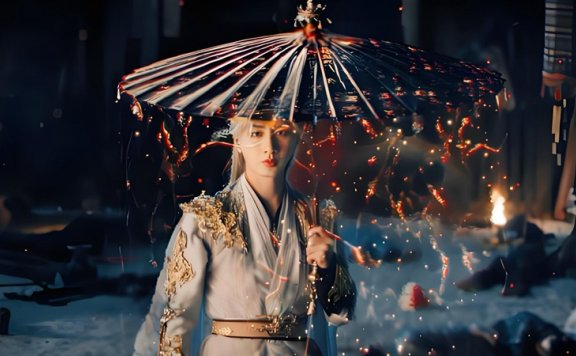
In the landscape of contemporary fantasy, Sword and Beloved (天地剑心) distinguishes itself not through spectacle, but through a profound synthesis of visual poetry and philosophical depth. The series charts the internal journey of Wangquan Fugui (王权富贵), whose evolution from a constrained heir to an autonomous guardian is rendered with remarkable subtlety. Under Director Du Lin's (杜林) guidance, the narrative finds its strength in quiet character dynamics and a refined visual language, where every frame—from choreographed action to symbolic costume—serves the central theme. The story gracefully channels Daoist thought, exploring how a blade can become a vessel for self-discovery and universal connection. This meticulous approach, prioritizing emotional resonance and cultural texture over conventional tropes, demonstrates a mature artistry that trusts its audience to engage with layered storytelling, making the series a compelling study of inner awakening. 1. A Fresh Perspective on Eastern Storytelling Sword and Beloved has emerged as a standout series, captivating viewers with its distinctive approach. It weaves a narrative where a central figure, Wangquan Fugui, embarks on a personal journey, grappling with his identity and purpose. His evolution from confusion to clarity is portrayed with subtlety, avoiding grandiose declarations. The series does not rely on spectacle alone; instead,… -
What Secrets Make Moonlit Order a Must-See Show This Fall?
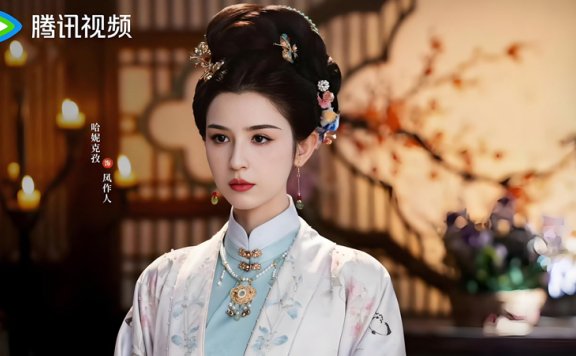
When Moonlit Order (锦月令) premiered, it shattered records within hours, becoming the most discussed historical drama of the season. Set in a fictional ancient dynasty, the series follows the intricate lives of nobility and secret identities, weaving a tale that has captivated millions. At its heart are characters whose depth and the show's relentless pace create an unforgettable viewing experience. Unlike typical period pieces, this production balances suspense, romance, and cultural richness without relying on clichés. Its rapid rise to fame isn't just about star power; it's the clever fusion of storytelling and visual artistry that keeps audiences glued to their screens, eagerly awaiting each new episode. Complex Characters Xue Hexu (薛和煦) stands out as a masterclass in character development, portrayed with a nuance that defies simple labels. On the surface, he appears as a carefree nobleman, often seen with a high ponytail and playful demeanor, but subtle clues hint at his hidden past as a displaced heir. This duality isn't just for show—it mirrors real struggles with identity and resilience, making his journey feel authentic. In one pivotal scene, he casually deflects a poisoned tea offer, his eyes flashing with calculated intensity, revealing layers of strategy beneath the charm.… -
The Character Depth and Plot Intrigue of Wuxia Series Whispers of Fate
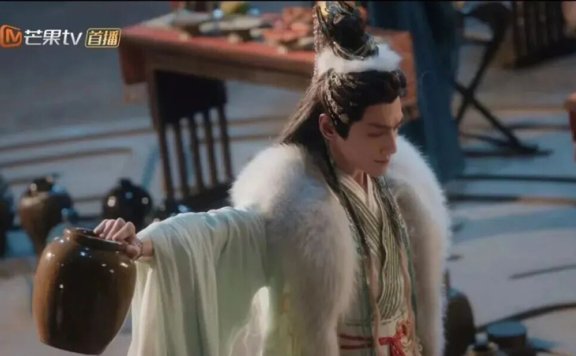
When the Chinese fantasy series Whispers of Fate (水龙吟) debuted with a surprisingly low 5.7 rating on Douban, it sparked widespread debate among viewers. Many critics immediately focused on its flamboyant costumes, dramatic makeup, and comparisons to other works, but this initial reaction overlooks the drama's substantial narrative strengths and character development. This series, set in a rich Wuxia universe, challenges audiences to move beyond superficial judgments and appreciate its intricate storytelling and emotional depth. Rather than conforming to typical genre expectations, it carves out a unique space with unpredictable twists and a memorable ensemble cast that keeps viewers invested episode after episode. Character Depths The central conflict in Whispers of Fate revolves around Tang Lici (唐俪辞) and Liu Yan (柳眼), whose relationship is a volatile mix of deep-seated resentment and unspoken bonds. Liu Yan's relentless pursuit of vengeance against Tang Lici drives much of the plot, yet his motivations are layered with personal tragedy and misunderstanding. Instead of a straightforward villain, he embodies a tortured soul whose actions stem from perceived betrayals, making his character both infuriating and sympathetic. This complexity forces audiences to question who is truly at fault, adding a psychological dimension to their clashes. Supporting characters… -
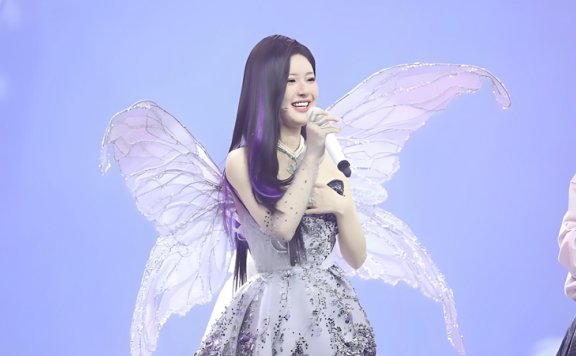
How Did Zhao Lusi Build an Unbreakable Career in Just 90 Days?
In the volatile world of Chinese entertainment, where careers can skyrocket or vanish overnight, Zhao Lusi (赵露思) has engineered a turnaround that defies conventional wisdom. Earlier this year, she was visibly struggling, her health deteriorating under the strain of industry pressures. Yet, within a single quarter, she transformed this narrative completely. She navigated a complex contract termination, signed with a new company, and successfully crossed over into the music industry. This was not a slow, calculated rebuild but a rapid and decisive reinvention. Her journey from a period of profound personal difficulty to a position of renewed strength and creative control offers a compelling case study in resilience. It makes one wonder what strategies and personal resolve fueled such a remarkable recovery and ascent. The Strategic Exit By August, her dispute with her former agency, Galaxy Cool Entertainment, had become public knowledge. Instead of hiding, she went live online to detail her experiences, speaking about withheld payments and a neglect of her well-being that led to severe health issues. The toll was significant, resulting in a drastic weight loss and the cancellation of professional commitments. While many would have engaged in a protracted and messy public battle, Zhao Lusi chose… -
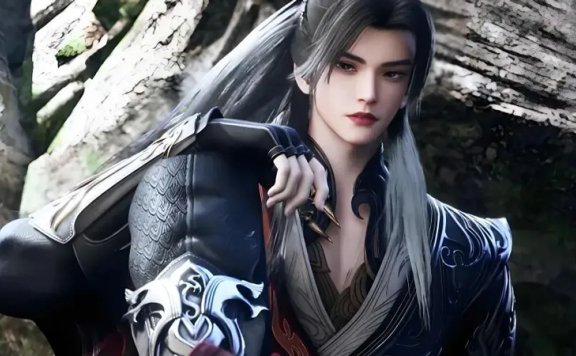
Can Yun Qingyan's Journey Redefine Fantasy Anime?
A new contender has burst onto the scene in the dynamic world of Chinese animation, capturing immediate attention with its ambitious launch. Return of the Immortal Emperor (仙帝归来) debuted with a bold strategy, releasing three twenty-minute episodes at once, a move that thrilled its anticipatory audience. This series plunges into the popular Xianxia genre, weaving together elements like spiritual companions, time displacement, and confrontational triumphs. Its entrance prompts a compelling question in a market filled with innovative stories: what unique flavor does it bring to the table? The show introduces Yun Qingyan (云青岩), a figure whose extraordinary past collides with a humble present, setting the stage for a narrative that is as much about internal rediscovery as it is about external conflict. This initial rollout suggests a confidence in its material, aiming to hook viewers quickly and firmly into its crafted universe. A Fallen Titan Yun Qingyan's story begins not at the peak of his power, but in the depths of displacement. After three millennia of cultivation in the Immortal Realm, where he ascended to become one of the ten great Immortal Emperors, he returns to the human world. A shocking temporal disconnect awaits him; while he experienced ages of… -
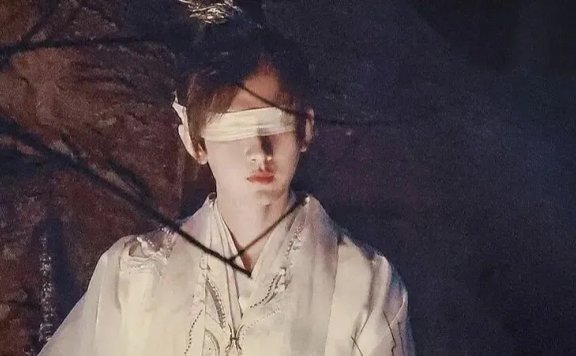
Decoding the Charm of Sword and Beloved
Why does a white-haired swordsman's journey in Sword and Beloved (天地剑心) captivate millions, despite its flaws? The new Xianxia drama starring Cheng Yi as Wang Quan Fugui (王权富贵) has become a phenomenon, breaking platform records with over 85 million hot searches within three days of its release. Based on the popular manhua Sword and Beloved, the series presents a compelling contradiction: massive anticipation clashing with vocal criticism over its special effects and adaptation choices. Yet beneath this turbulence lies its true brilliance—not in spectacular magic battles, but in a weapon's lonely quest to regain his humanity. The Unfeeling Sword From its opening scenes, Sword and Beloved establishes a brutal world where humans and demons are locked in eternal conflict. The eastern city lies in ruins, its streets littered with victims of a demon attack. Through this carnage walks Wang Quan Fugui, his silver hair stark against the blood-stained snow. Trained by the Wangquan Manor as their ultimate weapon, he moves with mechanical precision, his eyes empty as he executes demons without hesitation. His father, Wangquan Hongye (王权弘业), has molded him into a soldier devoid of emotion, repeating the mantra that his sole purpose is to eliminate demons. In a pivotal…