Article
Search results:
-
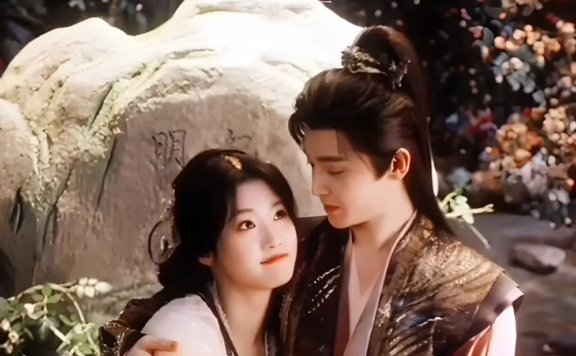
Exploring the Final Outcomes of Love in the Clouds
Viewing the final episode of Love in the Clouds (入青云) stirred deep reflections. Its narrative concluded as the He Xu Liu Jing (合虚六境) threat faded, leaving characters to navigate vastly different outcomes—some discovered joy, while others met sorrow or renewal. This blend of resolutions prompted both laughter and tears, mirroring life's unpredictable turns. Amid a bustling period with shows such as Fated Hearts (一笑随歌) and Yummy Yummy Yummy (宴遇永安), this series carved a distinct path. Its leap to second place in ratings underscored a narrative that felt genuine, sidestepping clichés to connect with audiences through relatable emotions and imaginative settings. The drama's strength lies in its subtle portrayal of personal struggles within a mythical framework, making each moment resonate. It proves that compelling storytelling need not shout to be heard. 1. The Final Chapter: Love and Sacrifice In a realm where power and passion collide, the conclusions of its central figures reveal profound truths about choice and consequence. Ming Yi (明意), once a revered warrior, and Ji Bozai (纪伯宰), a man shaped by vengeance, find their paths intertwined in a dance of destiny. Their journey from conflict to unity highlights the delicate balance between personal desires and greater responsibilities. Through… -
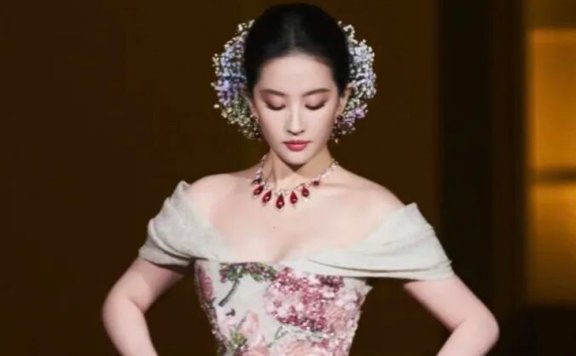
Why Does Liu Yifei's Vogue Look Feel Both Fresh and Familiar?
At a recent Vogue event, actress Liu Yifei captivated audiences with an elegant gown and a hairstyle that sparked both admiration and a sense of déjà vu. Her look featured two symmetrical bundles of baby's breath flowers arranged on either side of her head, creating a soft, ethereal version of a classic form. This was not a simple updo; it was a modern, weightless interpretation of a traditional Chinese hairstyle known as Shuang Huan Ji (双鬟髻), a double-knot style historically worn by young, unmarried women. Its immediate appeal lies in this clever fusion—using a contemporary, delicate material to evoke a silhouette deeply rooted in the past, making it feel both fashionable and timelessly beautiful. Historical Roots The double-knot hairstyle has a long history in China. During the Tang Dynasty, a version called the Shuang Chui Ji, or double drooping knots, was popular, often worn by young maids. Positioned near the cheeks, this style naturally conveyed a playful and youthful energy. There were no strict rules for its size or exact placement, allowing it to be adapted to flatter different face shapes. It evolved into variations like the Bang Zhu Tou (蚌珠头), or "clam pearl head," a name that poetically suggested… -
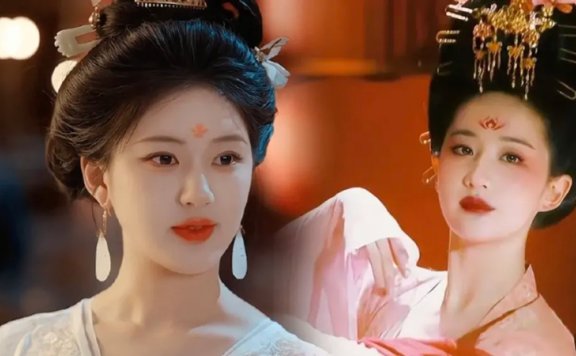
What Secrets Lie in the Lipstick Styles of The Tale of Yingying?
In a world where bold, full lips often dominate beauty trends, the ancient Chinese approach to lipstick offers a surprising contrast. For centuries, Chinese cosmetics emphasized subtlety and precision, with lip colors designed to enhance natural features rather than overwhelm them. This philosophy dates back over two millennia, evolving through dynasties like the Tang, where lipstick became both an art form and a cultural symbol. Unlike Western styles that prioritize volume, Chinese traditions focused on delicate shapes and a rich palette of hues, each with its own story. From romantic exchanges in classical literature to economic insights, lipstick in China has always been more than mere decoration—it's a window into societal values and personal expression. Ancient Beginnings The origins of Chinese lipstick trace to the Warring States period, where early forms were derived from natural sources. Yan Zhi (燕支), as it was known, started as a plant-based product made from the juice of red and blue flowers, often mixed into pastes. Historical texts like Essential Techniques for the Welfare of the People (齐民要术) detail recipes blending ingredients such as cloves and animal fats with pigments like cinnabar. This innovative use of organic materials allowed for versatile applications, where the same… -
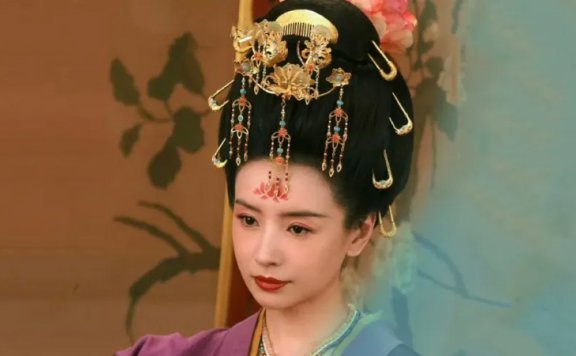
Dong Jie's U-Pins Reveal About Ancient Chinese Fashion
In a recent television series, actress Dong Jie (董洁) sparked curiosity with her striking hairstyle, adorned with oversized U-shaped hairpins that echo ancient traditions. This visual choice isn't just a random aesthetic; it taps into a rich history of hair accessories from dynasties like Wei, Jin, Tang, and Song. As viewers marvel at how these simple pins transform her look, they uncover a narrative where functionality meets artistry. This article delves into the evolution of these hairpins, their cultural roots, and how they bridge past and present in modern storytelling. Ancient Origins Long before modern beauty tools, ancient China developed the Zhegu Chai (折股钗), a hairpin resembling today's U-pins. Used from the Wei-Jin periods through the Tang and Song dynasties, it served to secure buns and style hair. The term "Zhegu" refers to its prongs—single for a hairpin, double for a Chai, akin to a fork. Early versions were crafted from bone or jade, but as metalworking advanced, gold, silver, and copper became common. These initial designs were minimalist, with smooth surfaces and no elaborate decorations, prioritizing practicality over ornamentation. Over time, the Zhegu Chai evolved to include intricate patterns and three-dimensional shapes. Artisans employed techniques like Leisi (累丝), where… -
The Making of Destiny in Whispers of Fate
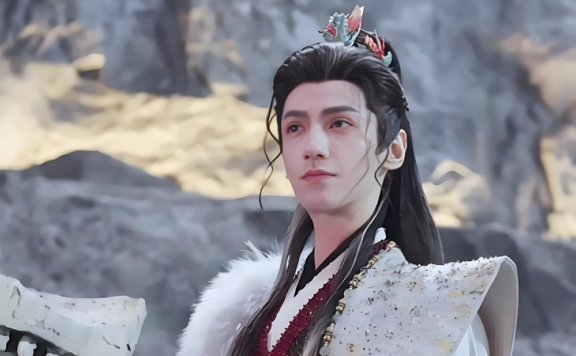
How does a man haunted by his past forge a new destiny in a world of martial arts and mystery? This is the central question at the heart of the captivating Wuxia drama, Whispers of Fate (水龙吟). Led by the enigmatic Tang Lici (唐俪辞), a group of skilled fighters navigate a landscape of ancient sects, personal vendettas, and hidden truths. The story unfolds as Tang journeys to the famed Sword King City, but his path is anything but direct. From a treacherous encounter at the mysterious Thirteen Floors to gaining an unlikely ally, each step reveals more about his complicated history and the limited time he has to confront it. A Perilous Shortcut After bidding farewell to Zhong Chunji (钟春髻), Tang Lici continues his travels with his companions, Chi Yun (池云) and A Shui (阿谁). Their journey takes a dramatic turn when their boat is sucked into a massive whirlpool. Instead of leading to disaster, the vortex transports them directly to the gates of an elusive and powerful organization, the Thirteen Floors. Chi Yun is astounded, having known the place as notoriously difficult to enter. The master of the Thirteen Floors is waiting for them, and he immediately recalls the… -
How Traditional Chinese Fashion Champions Comfort Without Tight Fits
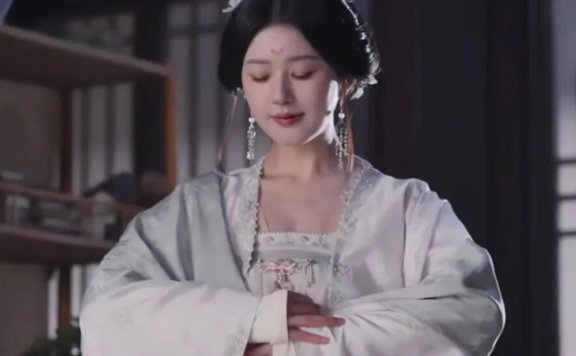
In today's fashion landscape, where body-hugging outfits and defined waistlines dominate, many people feel pressured to conform to restrictive clothing standards. Traditional Chinese attire, however, offers a refreshing alternative by prioritizing natural movement and ease over constriction. Rooted in historical practices, this approach uses intelligent design principles to ensure garments adapt to the wearer, not the other way around. By exploring concepts like added fabric space and fluid silhouettes, we can uncover a philosophy that values comfort and elegance equally. This perspective challenges modern norms and invites us to rethink how clothing should make us feel—empowered, comfortable, and authentically ourselves. As we delve into specific elements, it becomes clear that this isn't just about aesthetics; it's about fostering a healthier relationship with what we wear every day. The Fangliang Principle At the core of traditional Chinese clothing is Fangliang (放量), which involves intentionally adding extra space to garments beyond basic body measurements. This design choice ensures that clothes move with the wearer, allowing for a full range of motion without sacrificing style. For example, sleeves are often extended by at least 10 centimeters past the fingertips, enabling them to drape gracefully or cover hands during formal occasions. This not only… -
What Makes Whispers of Fate a Must-See Fantasy Adventure?
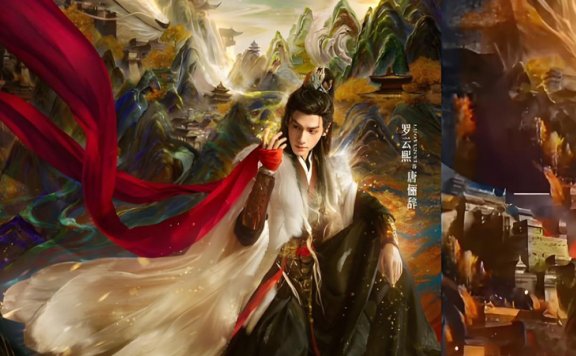
Fans of epic storytelling have a new reason to celebrate. Whispers of Fate (水龙吟) arrives on screens, bringing a fresh wave of Wuxia excitement. This series promises more than just breathtaking fights; it delves into themes of love, sacrifice, and the complex nature of humanity. With a cast that captures attention and a narrative full of twists, it is poised to become the next big obsession for genre enthusiasts. At the heart of this tale is Luo Yunxi (罗云熙), an actor renowned for his ability to embody multifaceted characters, leading a journey that is as visually stunning as it is emotionally charged. Luo Yunxi's Craft Luo Yunxi returns to the fantasy realm, demonstrating a remarkable range that continues to evolve. His portrayal of Run Yu (润玉) in Ashes of Love (香蜜沉沉烬如霜) left a lasting impression, charting a character's descent from gentle nobility into tragic ambition. He further showcased his depth as Tan Taijin (澹台烬) in Till the End of the Moon (长月烬明), navigating a profound transformation from a tormented figure to a selfless hero. These roles have cemented his status as an actor who can convey intense internal conflict with subtlety and power. In Whispers of Fate, he takes on the… -
Preserving Mianzhu's Sugar Painting Tradition
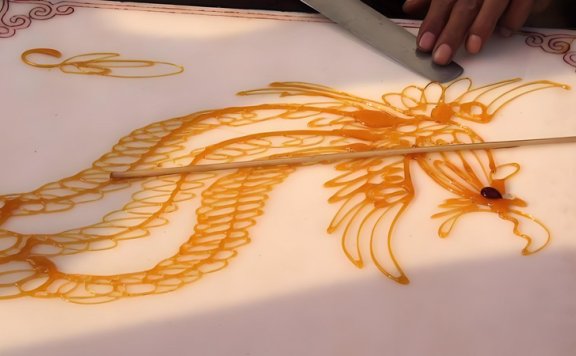
In the bustling parks and festive streets of Mianzhu (绵竹), a city in Sichuan province, clusters of children often gather around small, foldable tables, their eyes wide with anticipation. Here, a sugar painting artist works with simple tools: a smooth marble slab, a rotating disc adorned with patterns of flowers, birds, fish, and mythical dragons, and a ladle filled with molten sugar. With a quick spin of the disc, a child selects a design, and the artist swiftly transforms golden syrup into delicate, shimmering creations. Once solidified with a bamboo stick, these edible artworks are handed over, bringing joy that is both visual and gustatory. This tradition, known as sugar painting, blends playfulness with craftsmanship, offering a fleeting moment of sweetness that has been cherished for generations. The Craft Process Creating sugar painting requires precision and speed. Artists begin by heating a mixture of malt sugar and rock sugar until it reaches a liquid state, carefully controlling the temperature to avoid burning or premature hardening. The syrup must be poured quickly onto the stone surface, where it cools and solidifies almost instantly. Using a copper ladle as their brush, artisans draw freehand lines to form intricate shapes, from animals to… -
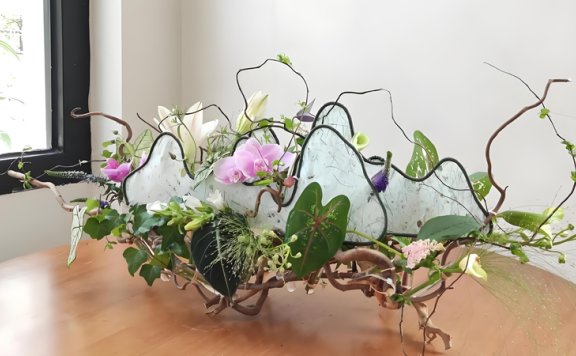
Learning the Art of Traditional Eastern 3D Floral Architecture
In a quiet studio filled with the scent of fresh foliage, a group of students gathers around Master Ying (应老师), eager to learn the ancient art of Eastern flower arrangement. Today's focus is on three-dimensional structures, a technique often misunderstood as solely Western. Master Ying begins by challenging this notion, explaining that Eastern methods have their own rich history and aesthetic principles. He emphasizes that this isn't about rigid rules but about capturing the essence of nature through balance and space. As he speaks, the students handle branches and test tubes, realizing that traditional flower art is more accessible and profound than they imagined. This session promises to blend timeless wisdom with hands-on creativity, offering a fresh perspective on how simple materials can transform into elegant designs. Eastern Principles Master Ying delves into the core of Eastern aesthetics, highlighting how it differs from Western styles. While Western flower arrangement often prioritizes symmetry and bold patterns, Eastern approaches, like the Song Yun (宋韵) style, embrace asymmetry to achieve harmony. He uses the analogy of a window frame: just as people enjoy viewing a landscape through a pane, Eastern designs use "frames" to create focused, poetic scenes. This method isn't about randomness;… -
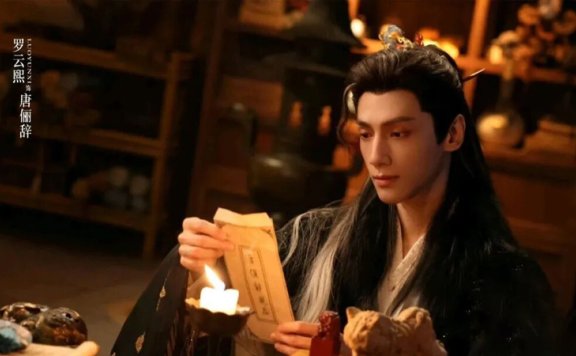
Is Whispers of Fate Revolutionizing Fantasy Wuxia Television?
The sudden premiere of Whispers of Fate (水龙吟) on Mango TV has sent ripples through the world of period dramas. After watching the first three episodes, it is clear this series is not just another addition to the genre. It feels like a fresh gust of wind, promising to redefine what audiences expect from fantasy and martial arts storytelling. With its intricate plot and compelling characters, the show immediately grabs hold and refuses to let go. It weaves a tale that is both familiar in its roots and startlingly new in its execution, setting the stage for what could be the most talked-about release this year. Narrative Drive At its core, Whispers of Fate is a masterful blend of fantasy, Wuxia, and detective mystery. The story kicks off with the brutal massacre of the Hao family (郝府) during a wedding ceremony. The sole survivor, a young bride named A Shui (阿谁), is left to identify the alleged perpetrator, a man named Tang Lizci (唐俪辞). This event forces him out of seclusion and into a dangerous investigation. The plot moves at a breakneck speed, packing each scene with clues, action, and character development that demands the viewer's full attention. The integration… -
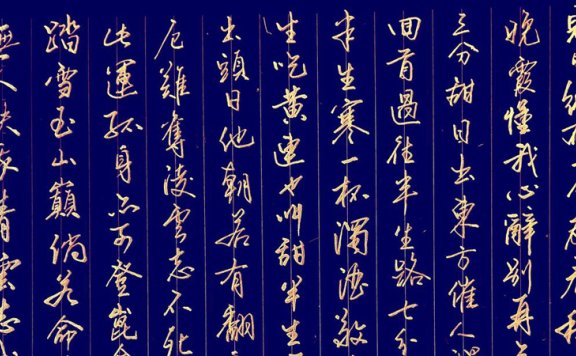
Origin and Transformation of Chinese Calligraphy Art – Focusing on Running Script
Running Script offers a dynamic approach to Chinese calligraphy, blending speed with structured form. It developed as scribes sought quicker methods for documentation and artistic expression. Over time, practitioners refined its flowing lines, creating pieces that feel both spontaneous and deliberate. This style allowed individuals to imprint their personality onto each character, moving beyond rigid norms. Its adaptability made it a medium for cultural exchange, influencing artistic practices in neighboring regions. Today, it stands as a vibrant part of China's artistic legacy, studied for its technical grace and historical role in communication. 1. Script Origins The development of Running Script began during the Han Dynasty (汉代), a period marked by administrative expansion and cultural exchange. As documentation needs grew, scribes sought a middle path between the strictness of official scripts and the speed of cursive forms. This practical demand fostered a writing style that balanced clarity with efficiency, allowing ideas to flow onto silk and paper with renewed grace. Calligraphy theorist Zhang Huaihuan (张怀瓘) later defined this style in his work Shu Duan (书断). He noted its creation by Liu Desheng (刘德昇), emphasizing its role as a moderated version of standard script. Running Script avoids the rigid structure of regular… -
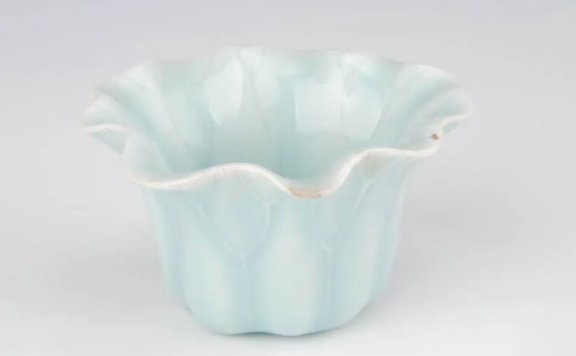
The Evolution of the Dongqing Glazed Lotus Leaf Cup
A cup shaped like a curling lotus leaf rests in a collection. Crafted in the Qianlong kiln (乾隆窑), the Dongqing Glazed Lotus Leaf Pattern Cup (东青釉荷叶纹杯) displays a muted gray-green hue, free from firing marks. Its surface veins appear stirred by a soft pond wind. The three Guan sisters (关氏三姝) donated it to the Ba Gui treasure house (八桂宝库). The glaze's crackled texture holds knowledge from generations of kiln workers. A raised lotus seedpod at its center reflects a literati's quiet resolve. Morning light grazing the surface reveals the artisan's historic pursuit of unity with the natural world. 1. Dongqing Glaze: A Quiet Shade of Jade The story of Chinese porcelain is often told in brilliant blues and stark whites, but its soul resides in quieter hues. Among these, the subtle glow of Dongqing glaze holds a special place. It is a color that does not shout but whispers, a soft, greyish-green that captures the essence of a tranquil moment. This specific celadon tone, achieved through centuries of refined technique, represents a peak of artistic restraint. Its value lies not in intricate painted scenes, but in the profound depth of its color and the flawless, glass-smooth surface of the glaze.… -
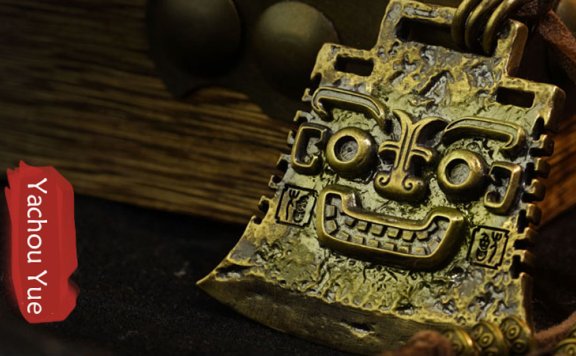
The Yachou Yue: A Bronze Enigma from Shang Dynasty
In the heart of the Shandong Museum resides a captivating bronze relic from China's Shang Dynasty: the Yachou Yue (亚醜钺). This ancient ceremonial axe, distinguished by its striking, almost smiling, human-like face, is far more than a weapon. Unearthed by chance in 1965, it embodies the complex interplay of military power, spiritual belief, and masterful artistry of its time. Its unique design, featuring a mysterious grin and an enigmatic inscription, continues to intrigue scholars and visitors alike, serving as a powerful window into a long-lost civilization. 1. What is the Yachou Yue? In 1965, a quiet field in Qingzhou (青州) revealed a secret buried for millennia. Archaeologists worked at the Subutun (苏埠屯) site, a key Shang Dynasty location in Shandong known for ancient bronzes. Initially, heavy looting left little hope, but the mood shifted when a bronze weapon emerged from the northern passage, hinting at wonders beneath the soil. 1.1 Lucky Accident An elderly laborer, frustrated at missing earlier finds, muttered while digging. Suddenly, his tool hit something hard with a loud clang. That sound unveiled the Yachou Yue, though the impact chipped its corner. This moment turned disappointment into triumph, adding a personal touch to the excavation. Teams carefully… -
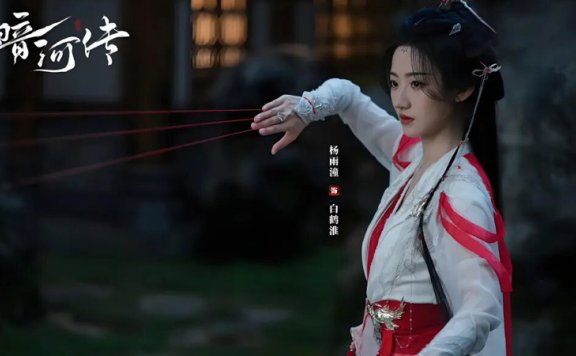
Blood River: The Clash of Su and Mu Families
In the realm of martial arts tales, Dark River stands as a formidable force, known for its lethal precision and shadowy operations. This organization, often whispered about in hushed tones, has shaped events across various narratives, including Dashing Youth (少年白马醉春风) and The Blood of Youth (少年歌行), where it played pivotal roles. Now, Blood River (暗河传) brings its essence to the forefront, focusing on the journeys of Su Muyu (苏暮雨) and Su Changhe (苏昌河). Their mission is not just about survival but transforming it into something renewed, challenging old boundaries and forging a path toward change. Through their struggles, they navigate a world where loyalty and ambition collide, redefining what it means to lead and protect. It is a tale of personal growth and collective ambition, set against a backdrop of intrigue and conflict. The Shadowy Struggle for the Crime Lord's Throne In the shadows of the martial world, an organization known as Dark River operated, a feared name synonymous with death and secrecy. For generations, it was governed by a triumvirate of families—Su, Mu, and Xie—each contributing their unique skills to maintain its formidable reputation. At its apex sat the Patriarch, a figure holding absolute authority symbolized by the possession… -

What Stories Do These 1920s Chinese Evening Bags Tell?
In the heart of Zhejiang Province Museum, the "Blooming" exhibition presents a captivating array of evening bags that blend Eastern artistry with Western fashion. These pieces, dating from the 16th to the 20th centuries, showcase how Chinese motifs and craftsmanship were integrated into accessories for formal occasions. Unlike typical Western designs, these bags use silk, precious metals, and intricate techniques like Kesi (缂丝) and Luodian (螺钿) to convey cultural narratives. Each item serves as a portable canvas, reflecting societal values and artistic evolution during a period of global exchange. This collection not only highlights aesthetic beauty but also invites viewers to appreciate the deeper meanings woven into every stitch and pattern. Silk Landscapes One standout piece from around 1920 is a light blue silk evening bag adorned with a detailed landscape scene. The primary design features symmetrical vase patterns, symbolizing peace and safety, flanked by peonies, lotuses, and chrysanthemums. These flowers are intertwined with scrolling grass motifs, all executed in the Kesi technique, which involves discontinuous weft threads to create a carved, three-dimensional effect. This method, often described as "an inch of Kesi equals an inch of gold," required immense skill and time, making each bag a unique masterpiece. The… -
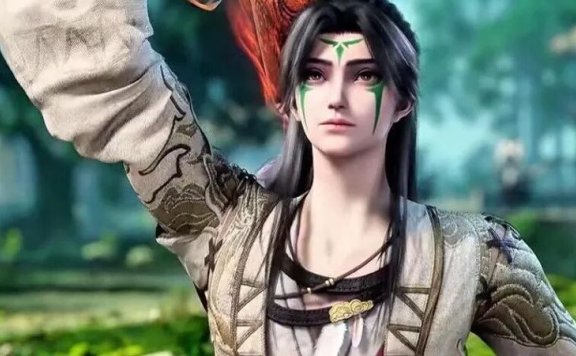
Unraveling Hu Pao’s Betrayal of Wang Lin
How could a disciple handpicked by the legendary Wang Lin himself turn into his most bitter enemy? In the sprawling cultivation epic Renegade Immortal (仙逆), the story of Hu Pao (虎咆) stands as a stark lesson in broken trust and the corrosive nature of power. He was not a lackluster student; his talent was immense, recognized and nurtured by the formidable Wang Lin. Yet, this very gift became a pathway to ruin. His journey from promising disciple to vengeful traitor is not a simple tale of good versus evil. It is a complex unraveling, fueled by a deep-seated resentment that festered over years. This is an exploration of how ambition, when twisted by perceived slights and external manipulation, can dismantle even the most sacred of bonds and lead a prodigy to his doom. The Reluctant Disciple Hu Pao's origins were humble, hailing from a small tribe where his awakening of two-star demonic power made him its greatest warrior. His world was shattered when he was captured by the powerful Soul Refining tribe and its leader, Ouyang Hua (欧阳华). Forced to drink the Li Yao Tang (离妖汤), a potent concoction, he was assimilated into the tribe against his will. His homeland… -
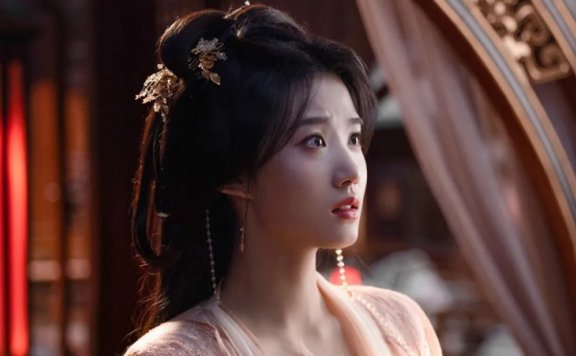
Love in the Clouds: When Deceit Weaves a Tender Tragedy
In the ever-expanding universe of historical fantasy dramas, a new narrative dares to ask a painful question: what happens when a relationship built on deceit begins to feel real? Love in the Clouds (入青云), a recent series starring Hou Minghao (侯明昊) and Lu Yuxiao (卢昱晓), delves into this very conflict with a refreshing authenticity that has captivated audiences. Unlike many of its peers that rely on grandiose battles or convoluted mythologies, this drama finds its strength in the quiet, complicated space between two people who are supposed to be enemies. It presents a world where a single lie, told for survival, unravels into a web of emotional entanglement, setting the stage for a love story that is as tender as it is tragic. The initial sweetness of their connection makes the impending heartbreak all the more profound, creating a viewing experience that is both delightful and devastating. The Disguise Ming Yi (明意) is not your typical female lead in a Xianxia drama. For years, she lived as Ming Xian (明献), the undefeated crown prince of Yaoguang Mountain (尧光山), her true identity hidden beneath a male facade commanded by her mother. Her seven-year winning streak wasn't just a record; it was… -
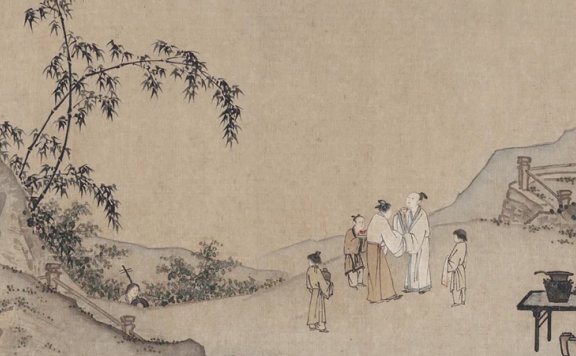
How Did Ancient Chinese Truly Live Their Autumn Days?
While modern life rushes forward, there exists a timeless wisdom in how ancient Chinese harmonized with autumn's rhythm. Beyond pumpkin-spiced lattees and cozy scarves lies a profound seasonal philosophy where crisp air and falling leaves were not merely weather changes but invitations to deepen one's connection with nature and self. This was not passive observation but active participation in the Earth's cyclical dance. Through deliberate practices, they transformed the melancholic reputation of autumn into a period of rich experience and poetic reflection. Their traditions offer surprising insights for contemporary lives often disconnected from natural cycles, reminding us that each season holds unique opportunities for mindfulness and joy. Mountain Ascent When autumn's clear skies arrived, people throughout Chinese history would begin their pilgrimage upward. The Chongyang Festival (重阳节), occurring on the ninth day of the ninth lunar month, formally established this tradition. Ancient texts documented this practice as early as the Han dynasty, believing mountain climbing during this period could help balance the body's energies while warding off misfortune. The physical exertion of ascending mirrored nature's own withdrawal of vitality, creating symbolic harmony between human activity and seasonal change. For scholars and poets, the climb offered evolving visual poetry. Starting amidst… -
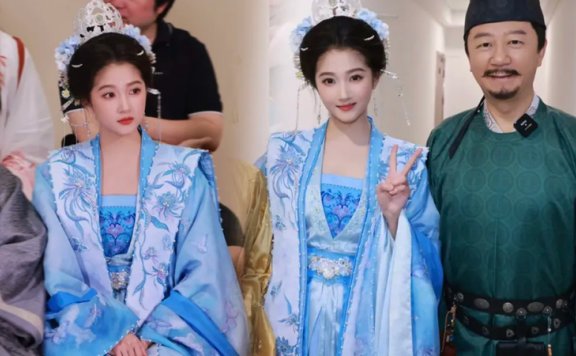
Why Did Guan Xiaotong's Song Dynasty Style in Ace vs Ace Go Viral?
When Guan Xiaotong (关晓彤) appeared on the variety show Ace vs Ace (王牌对王牌) wearing a delicate headpiece and flowing robes, social media buzzed with admiration. Viewers praised her outfit as more striking than many red-carpet looks, noting its fresh, elegant appeal. This style drew from Song Dynasty fashion, featuring a blue-and-white color scheme that evoked clarity and grace. The ensemble included a long-sleeved robe and a cape, but the standout was a lightweight, intricate crown adorned with peony motifs. Unlike heavier historical versions, this modern interpretation used contemporary materials for comfort, making it a hit among audiences. This revival isn't just about aesthetics; it reflects a growing interest in blending traditional elements with today's trends, showing how ancient designs can feel both timeless and new. Historical Roots During the Song Dynasty, women from all social classes embraced ornate headwear, as documented in texts like Dreams of Splendor of the Capital City (东京梦华录). These records describe bustling markets where vendors sold hair accessories, including various crowns, highlighting their popularity. One common type was the Tuanguan (团冠), a round crown often made from bamboo, leather, or metal, and sometimes decorated with pearls or floral patterns. Its circular shape symbolized harmony and was… -
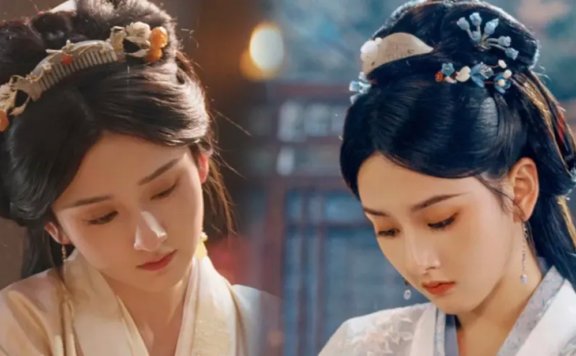
Why Did Ancient Chinese Women Wear Combs in The Prisoner of Beauty?
In the historical drama The Prisoner of Beauty (折腰), actress Song Zuer (宋祖儿) portrays a character whose hairstyle features an elegant hair comb, sparking curiosity about ancient customs. This accessory is not merely decorative; it represents a practice with roots stretching back over five millennia. Throughout Chinese history, combs transitioned from simple tools to sophisticated ornaments, reflecting changes in society, fashion, and personal expression. The sight of a comb nestled in a hair bun invites questions about how daily objects became symbols of beauty and status, weaving functionality with artistry in ways that still captivate today. Early Origins The journey of hair combs began in the Neolithic period, as early societies sought ways to manage hair for practical reasons. Initially, people may have used their fingers or rudimentary implements, but over time, dedicated combs emerged. Archaeologists have uncovered combs made from bone, wood, and stone at ancient sites, indicating their widespread use. These early versions were likely designed to prevent hair from obstructing tasks like hunting or farming, but they soon took on greater significance as personal grooming evolved. By the Warring States period, combs started serving decorative purposes alongside their practical functions. Excavations from this era reveal combs with…