
Fight for Love (山河枕) has quickly drawn viewers in with its compelling start. This series mixes historical settings with personal struggles, offering a fresh perspective. At its core is Wei Yun (卫韫), a character whose choices drive the plot forward with intensity and emotion.
Many appreciate how it moves away from predictable patterns, focusing on genuine moments and swift action. Airing on Zhejiang Video and reaching international audiences, it connects people through shared stories. Its growing popularity on platforms like Tencent Video reflects broad engagement.
Fans often mention how each episode builds excitement, leaving them eager for more. For anyone seeking a drama that balances depth with entertainment, this one stands out as a top pick.

1. Excels in Pattern and Conception
The screen flickers to life, not with the usual pomp of courtly intrigue, but with the grim reality of dust and determination. A family gathers, not for a celebration, but for a departure. This is the initial pull of the television narrative Fight for Love, a story that immediately distinguishes itself by framing its central conflict not within palace walls, but at the fragile border where a nation's security meets a family's survival. It bypasses lengthy exposition, choosing instead to immerse the viewer in a world where duty is a tangible weight and personal goodbyes are overshadowed by a collective, grim purpose. The emotional stakes are established with a quiet efficiency, allowing the gravity of the situation to settle in before the first sword is ever drawn.
The Cost
The Wei family receives a dire summons. The northern border is under assault, and the empire requires its most loyal defenders. What follows is not a triumphant march, but a somber procession of seven sons led by their father, all aware of the potential price. The narrative does not shy away from the visceral and unflinching. The battle at Baidi Valley (白帝谷) is depicted with a stark realism that feels almost documentary-like in its refusal to glamorize. The chaos is palpable, the strategy desperate, and the outcome is devastating.
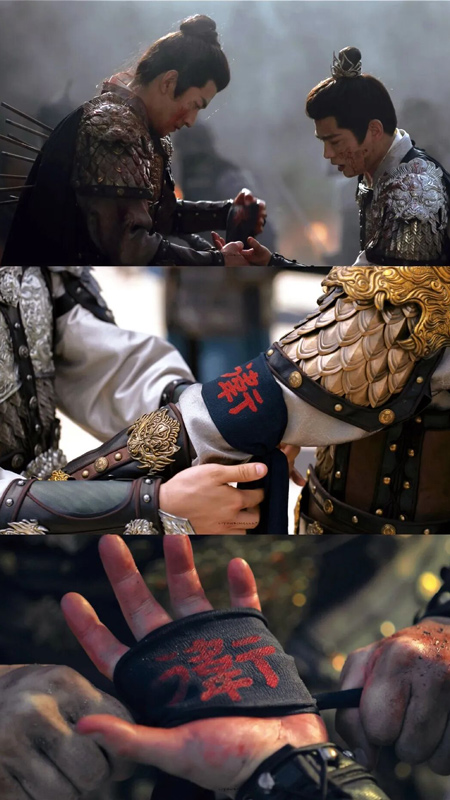
The aftermath is a testament to the story's narrative courage. Seven sons march to war; only one returns. This is not a spoiler, but the foundational tragedy upon which the entire drama is built. The audience is made to witness this carnage not as a distant historical event, but as a profound, intimate loss. The earlier scenes of familial warmth and playful banter between the brothers make their sacrifice not just a patriotic statistic, but a deeply personal wound. The series forces you to stand at the beginning, watching them walk knowingly toward their fate, making the eventual outcome all the more harrowing.
This portrayal resurrects a classic archetype in Chinese storytelling: the loyal military family sacrificing everything for the nation. It evokes the legendary tales of the Yang Family Generals (杨家将) and the unwavering loyalty of Yue Fei (岳飞). Yet, Fight for Love grounds this idealism in human vulnerability. These are not invincible superheroes; they are men who feel fear and sorrow, who have dreams left unfulfilled. Their heroism lies in their choice to act despite that fear, embracing their duty with a resolve that is both heartbreaking and inspiring.
Ordinary Dreams
Amidst the foreshadowing of conflict, a quiet conversation around a lantern offers the story's thematic soul. The youngest brother, Xiao Qi (小七), asks his elders about their aspirations in life. The eldest brother's response is not one of conquest or glory, but of profound peace: "I wish for the world to be at peace, for all under heaven to be clear and bright." When pressed further about what they would do in such a time of peace, another brother replies with a poet's heart.

He speaks of simple, earthly pleasures: "Watching the willows by the river in spring, waiting for the snow to crown the mountains in winter, sharing three cups of wine with friends, and lying drunk in a spring breeze pavilion." He contrasts this idyllic vision with their current reality, acknowledging, "We may rush toward life and death on the battlefield, but the true essence of life is found in the gentle elegance of the capital." This dialogue serves as a powerful anchor for the entire narrative.
This philosophy finds its roots in a much older wisdom, subtly echoing a passage from the Analects of Confucius where the master's disciple describes his own simple desire: to bathe in a river, enjoy the breeze, and sing on his way home. The ultimate desire of these warriors is not for eternal battle, but for a normalcy so peaceful it might be considered mundane. It redefines the concept of a hero's ambition, suggesting that the greatest victory is a life so quiet and secure that it allows for such ordinary joys to flourish.
Enduring Spirit
The true accomplishment of Fight for Love lies in its synthesis of scale and intimacy. It possesses the grand visuals and epic battle sequences expected of a historical piece, yet its emotional power is drawn from these small, human moments. The memory of the brothers' laughter, the weight of their unfulfilled dreams, and the quiet determination in their father's eyes—these are the elements that linger long after the final scene. The series demonstrates that a story can be both vast in its national scope and deeply personal in its emotional impact.
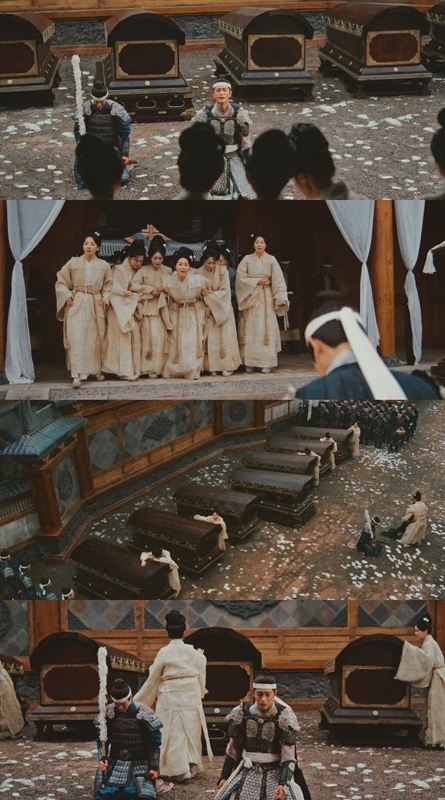
It challenges the conventions of its genre by proving that the most compelling narratives are often those that acknowledge the cost of valor. The "pillow" upon which the mountains and rivers rest is not a soft comfort, but one stuffed with the sacrifices of countless individuals who asked for nothing more than a peaceful tomorrow. The series does not simply tell a story about war; it is a poignant reflection on the price of the peace we often take for granted.
Ultimately, Fight for Love functions as a bridge. It connects a contemporary audience to a historical ethos of duty and sacrifice, while simultaneously humanizing the figures who embodied it. It reminds viewers that behind the broad strokes of history are individuals with fears, families, and simple dreams. In doing so, it makes the notion of sacrificing for a greater good not an abstract, historical concept, but a profoundly relatable and deeply moving human choice.

2. Characters That Leap Off the Screen
In contemporary television, certain performances transcend acting to become living embodiments of their roles. This seamless fusion of performer and character creates a powerful connection with audiences, making stories feel immediate and authentic. When actors fully inhabit their parts, they transform written words into palpable experiences, allowing viewers to journey alongside fictional lives as if they were real.
Chu Yu's Spirit
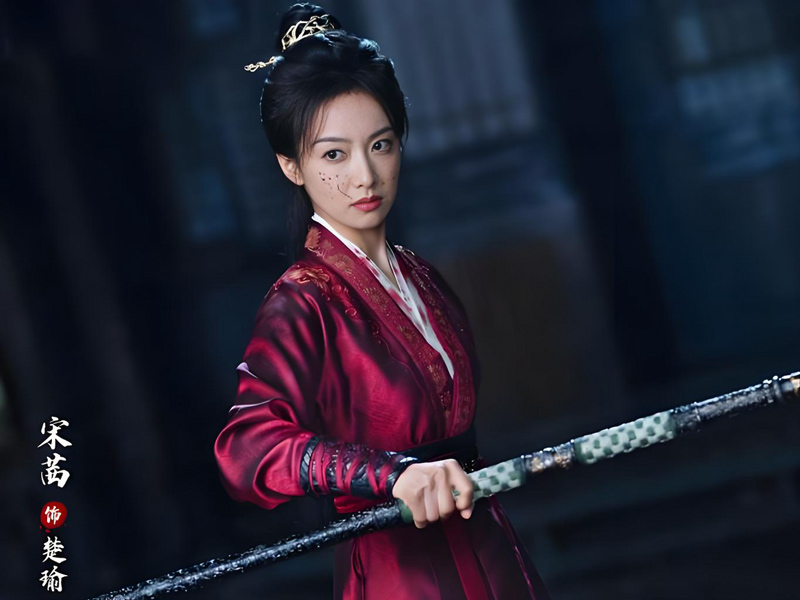
From her first appearance, Chu Yu (楚瑜) commands attention with a blend of intelligence and resolve. She navigates complex situations with a sharp mind, prioritizing inquiry over emotion. Her actions stem from a place of agency and purpose, setting a standard for modern female characters who define their own paths.
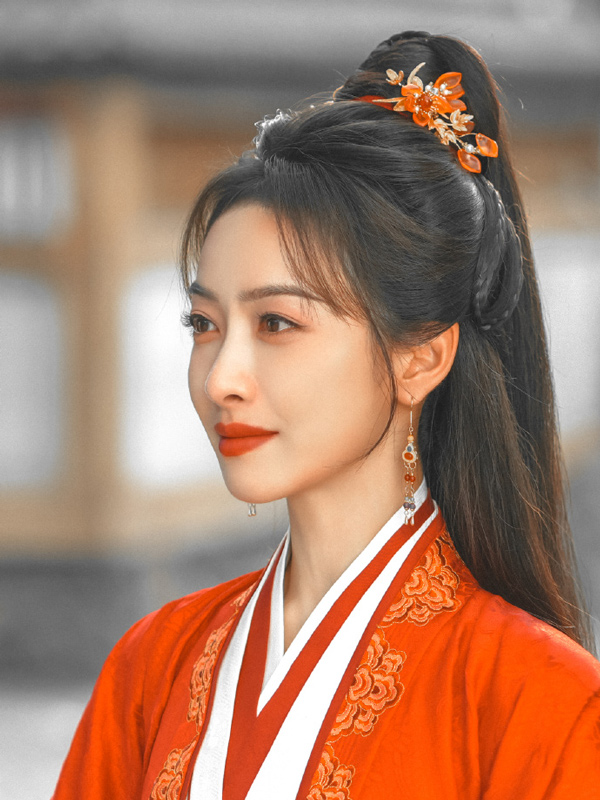
In one striking sequence, she wears a red wedding gown during a family crisis, symbolizing both tradition and rebellion. This moment underscores her ability to balance strength with sensitivity, offering a portrayal that resonates deeply. Her choices reflect a character who owns her narrative without relying on external validation.
Adapted from source material, this version of Chu Yu retains her core traits while embracing a more direct personality. Her exchanges with other shrewd figures, like Gu Chusheng (顾楚生), crackle with wit and mutual recognition. These interactions reveal layers of respect and rivalry, enriching the narrative fabric.
Wei Yun's Arc
Wei Yun begins as a spirited youth, full of optimism and energy. Ding Yuxi (丁禹兮) captures this innocence with a natural ease, making the character's early moments feel unforced and genuine. The shift comes with a tragic event that forces Wei Yun into maturity, a transition handled with subtlety and depth.
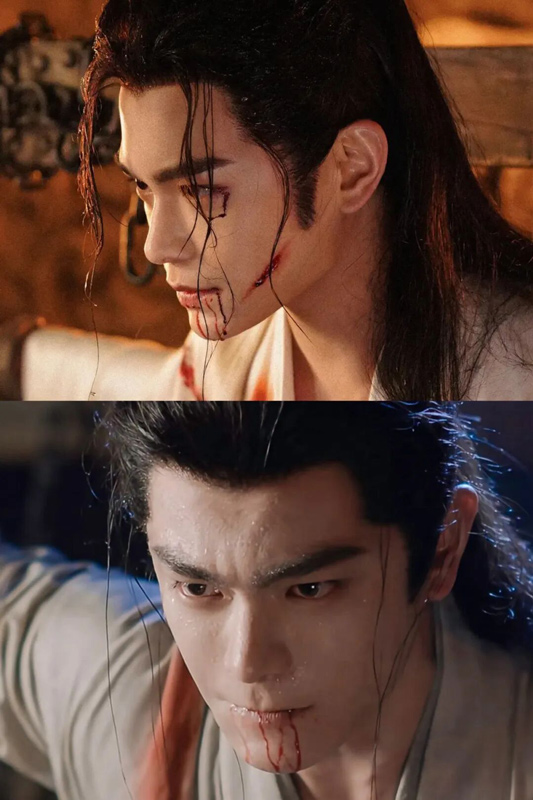
Ding Yuxi's method involves a deep immersion where he seems to share existence with the role. He speaks of characters as companions borrowed from reality, a philosophy that informs his approach. This connection allows him to convey grief and duty without overt theatricality, drawing viewers into the character's internal world.
Small mannerisms—a slight frown, a hesitant pause—are tailored to each situation, ensuring they never feel repetitive. Because the emotional foundation shifts with the story, these details always serve the moment. This consistency makes Wei Yun's journey compelling and believable from start to finish.
Ensemble Depth
Chu Lin Yang (楚临阳) embodies loyalty and courage, especially in scenes where he defends the vulnerable. His plea for justice during the Wei family's hardship highlights a shared code of honor among warriors. Such moments are delivered with a conviction that elevates the entire narrative.

Wei Jun (卫珺), though briefly seen, leaves a lasting impression through a balanced portrayal of warmth and authority. The actor infuses the role with a dignity that makes the character feel fully realized, even with limited screen time. This ability to animate secondary roles adds richness to the world.
Other figures, like the elder princess played by Chen Qiaoen (陈乔恩), contribute a regal presence that complements the main arcs. Together, the cast builds a tapestry of relationships rooted in family and sacrifice. Their collective efforts ensure that every scene carries weight and emotional truth.

3. Closing Thoughts: Passionate, Dashing, and Tough
Watching the opening episodes of Fight for Love left a lasting impression, one that lingers with its emotional depth and unwavering intensity. This series goes beyond mere entertainment, tapping into themes that resonate on a collective level. It reminds viewers that narratives centered on broader ideals can be as compelling as any personal tale, offering a fresh perspective on what television can achieve.
Patriotic Fire
Fight for Love ignites a sense of devotion to homeland from the very start. It shifts focus from individual romances to the broader yearning for peace and stability. Characters demonstrate a willingness to face impossible odds, embodied in events like the stand at Bai Di Valley, where soldiers gave their lives for a cause greater than themselves. This commitment is poignantly captured in the actions of Chu Yu, whose symbolic choices underscore a deep connection to her land and people.
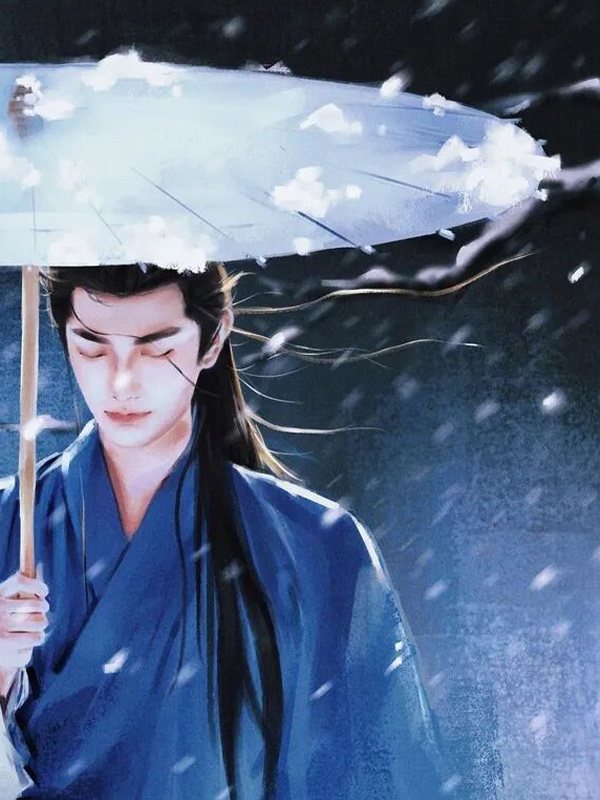
The series portrays sacrifice not as a grand gesture but as a series of quiet, determined decisions. Scenes of conflict are handled with a raw honesty that avoids sensationalism, making each moment feel earned and meaningful. This approach allows the audience to reflect on the true cost of protecting what one holds dear, without leaning on clichés or overly dramatic tropes.
What sets this element apart is its grounding in everyday humanity. Dialogue often consists of simple, heartfelt statements that carry significant weight, reflecting a cultural appreciation for community and duty. These interactions build a world where national pride feels authentic and deeply personal, rather than forced or ideological.
Action Spirit
Fight sequences in Fight for Love are crafted with clarity and purpose. Each movement is intentional, contributing to both the plot and character arcs without unnecessary complexity. The choreography emphasizes practicality over flair, ensuring that every battle advances the story while maintaining a gripping pace that keeps viewers engaged from start to finish.
At the center of this dynamic action is the character of Chu Yu. She is depicted as consistently capable and resilient, with a presence that commands attention in every scene. Her actions in combat are sharp and decisive, showcasing a strength that is both physical and emotional, and she never falls into the trap of relying on others to resolve her challenges.
These action elements do more than provide excitement; they serve as a narrative device to explore deeper conflicts. Whether through duels or strategic maneuvers, the physicality on screen mirrors internal struggles and moral dilemmas, adding layers to the storytelling that enrich the overall experience.
Core Strength
The narrative foundation of Fight for Love is solid and well-constructed. Pacing is brisk, with each episode moving the story forward without filler or drag. This efficiency ensures that viewers remain invested, as plot developments unfold in a logical and satisfying manner that builds toward meaningful climaxes.
Characters across the board are given depth and dimension, each with clear motivations and arcs that contribute to the whole. They exhibit a sense of integrity and purpose that makes their journeys relatable and inspiring. This attention to detail in character development fosters a connection that feels genuine and earned.
Technical aspects like cinematography and sound design enhance this sturdy framework. Visual contrasts, such as the use of color in key scenes, amplify emotional tones without overt explanation. Similarly, the soundtrack supports the action subtly, drawing audiences deeper into the world without overwhelming the narrative.

4. An Essential Viewing Experience
For those in search of a series that blends intricate narratives with heartfelt moments, Fight for Love stands as a prime example. It immerses audiences in a setting where historical events and personal tales intertwine seamlessly, creating a compelling watch from start to finish.
Its strength lies in depicting relatable human struggles and triumphs, allowing viewers to form deep connections with the characters. You will find yourself engrossed in their decisions and growth, as each episode unfolds with a natural flow that avoids exaggeration or filler.
I have found it to be a rare gem that lingers in memory long after viewing. While not tailored for every taste, its genuine approach ensures it resonates strongly with those who value substance over spectacle. The storytelling encourages introspection without forcing messages, making it both engaging and thought-provoking.
If you haven't experienced it yet, I highly suggest giving it a try. Let it draw you into its narrative depth, and you may discover a new appreciation for how stories can captivate and inspire. This is one journey you won't regret embarking on.