In ancient China, where garments rarely featured pockets, bags became essential companions for daily life and travel. These accessories were far more than mere containers; they evolved into symbols of status, practicality, and even fashion across different dynasties. From the earliest recorded uses in the Zhou Dynasty, bags were tailored to specific needs, reflecting social hierarchies and cultural shifts. This exploration delves into how these items transformed from simple carryalls into intricate expressions of identity and style, showcasing the ingenuity of ancient craftsmanship.
Early Forms
During the Pre-Qin period, people already relied on bags for transporting goods, as noted in the Book of Songs. Texts describe two main types: the small Tuo (橐) and the larger Nang (囊), used for carrying food and supplies during journeys or military campaigns. These early designs emphasized functionality, with materials and sizes adapted to nomadic and agricultural lifestyles. As societies stabilized, bags began to serve broader purposes, laying the foundation for more specialized versions in subsequent eras.
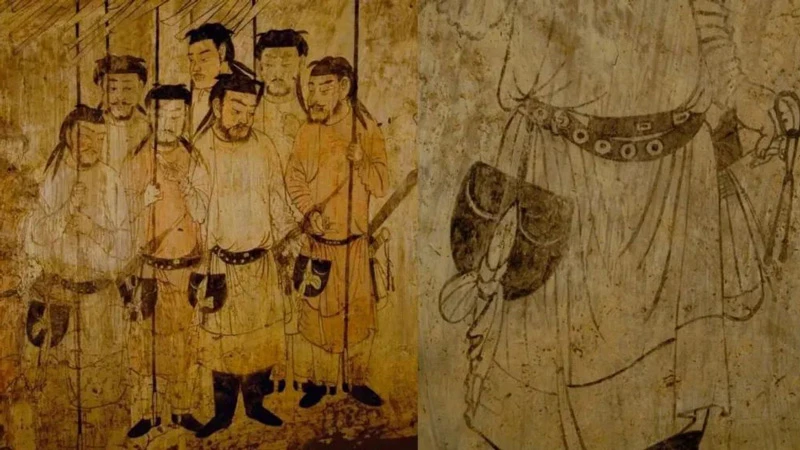
By the Han Dynasty, a square bag called the Shounang (绶囊) emerged, primarily holding official seals and documents. Bestowed by emperors upon officials, it became a mark of rank and authority. Historical records like the Song Shu (宋书) detail its wearing method—strapped at the waist—highlighting its role in bureaucratic life. The bag’s design often included luxurious elements, such as animal claw patterns, which indicated the wearer’s position. For instance, higher-ranking individuals adorned theirs with gold threads, making it a visible status symbol.
Artifacts from this era, such as murals in the Sui Dynasty tombs, depict officials with these bags, illustrating their enduring importance. The Shounang not only stored items but also communicated social standing through its decorations. As dynasties changed, these early innovations paved the way for more elaborate designs, blending utility with symbolic meaning in everyday life.
Status Markers
In the Tang Dynasty, bags took on new roles as identifiers of nobility. The Yufu (鱼符), a fish-shaped tally akin to a modern ID, was carried in a specialized pouch known as the Yudai (鱼袋). According to the New Book of Tang (新唐书), the bag’s decorations—gold for top officials and silver for lower ranks—clearly displayed one’s hierarchy. Poets like Han Yu (韩愈) referenced this in works, noting how the “gold fish” bag signaled high office, making it a coveted accessory among the elite.
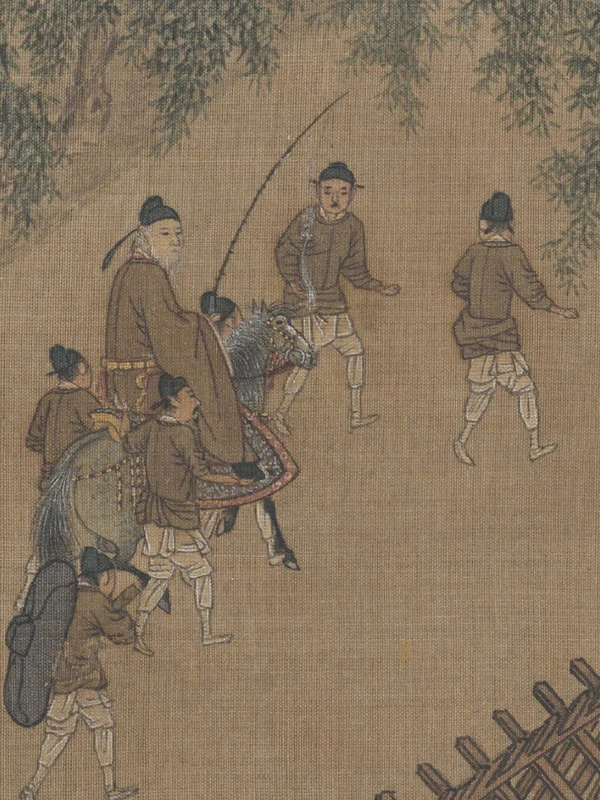
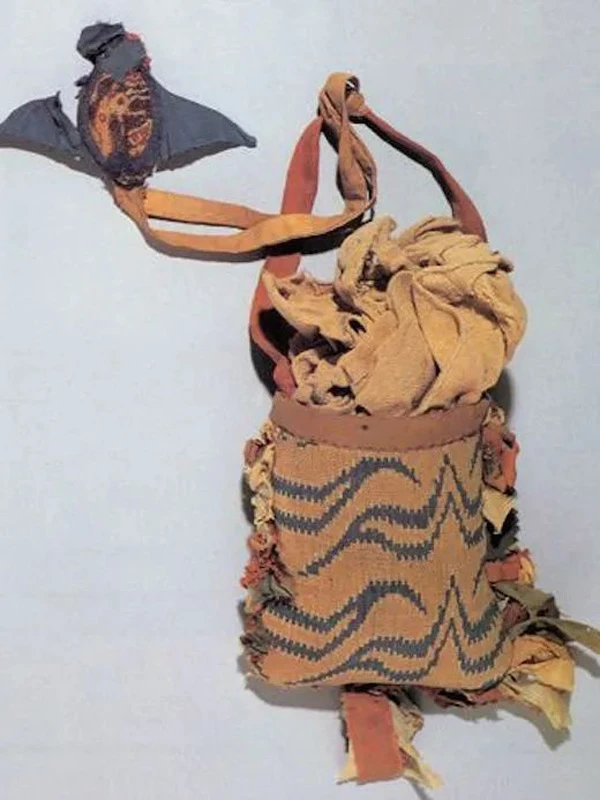
These bags were not just functional; they were integral to court rituals and interactions. The Yudai ensured that rank was visible during imperial audiences, reinforcing social order. Over time, similar practices spread, with bags like the Book Bag used for scholarly tools, emphasizing the link between education and status. Excavations from sites such as Xinjiang (新疆) reveal beautifully crafted examples, showcasing the craftsmanship invested in these items.
The evolution continued into the Song Dynasty, where commoners adopted versions like the Dao Bi Nang (刀笔囊) for writing implements. This democratization of bag use allowed broader segments of society to engage with these symbols, though elite distinctions remained. Through these developments, bags became woven into the fabric of Chinese culture, reflecting both personal identity and collective values.
Everyday Fashion
Beyond official use, bags served practical needs in daily life. The Dalian (褡裢), a double-layered pouch worn over the shoulder, was popular for carrying money and small items. Its design—open in the middle with compartments on each end—made it versatile for merchants and travelers. Often called the “money bag,” it exemplified how bags adapted to economic activities, becoming a staple in markets and homes across regions.
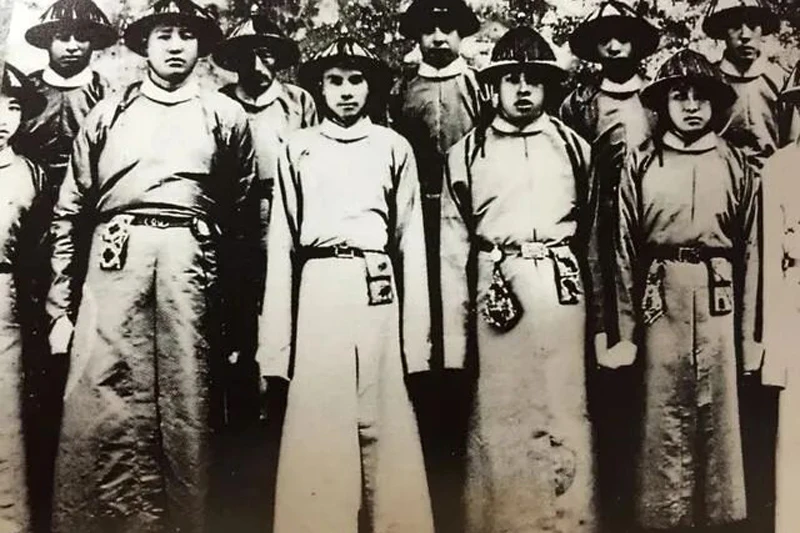
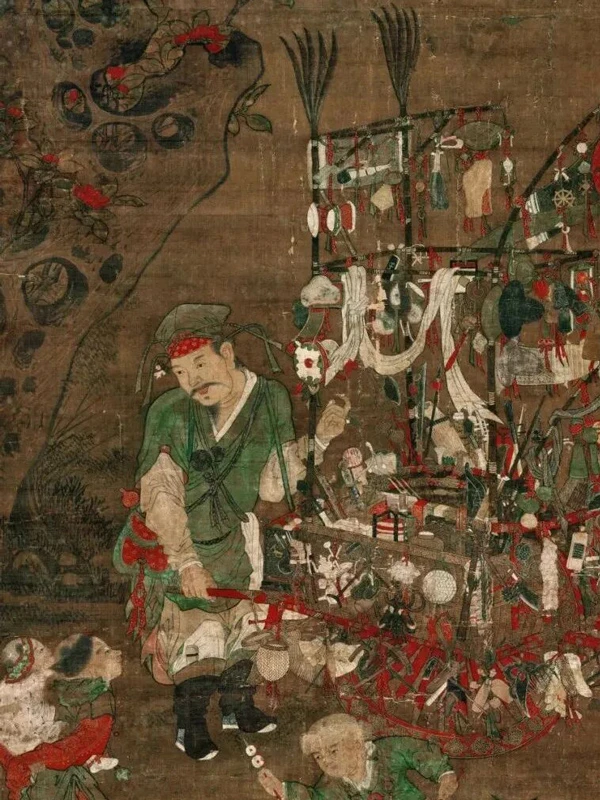
Specialized bags also flourished, such as the Yan Dai (烟袋) for tobacco or the He Bao (荷包) for personal trinkets, which combined utility with aesthetic appeal. Art from the Yuan Dynasty, like the Painting of Children at Play (元人戏婴图), shows leather pouches adorned with embroidery, indicating that even functional items were crafted with care. These accessories allowed individuals to express personal style while meeting everyday demands.
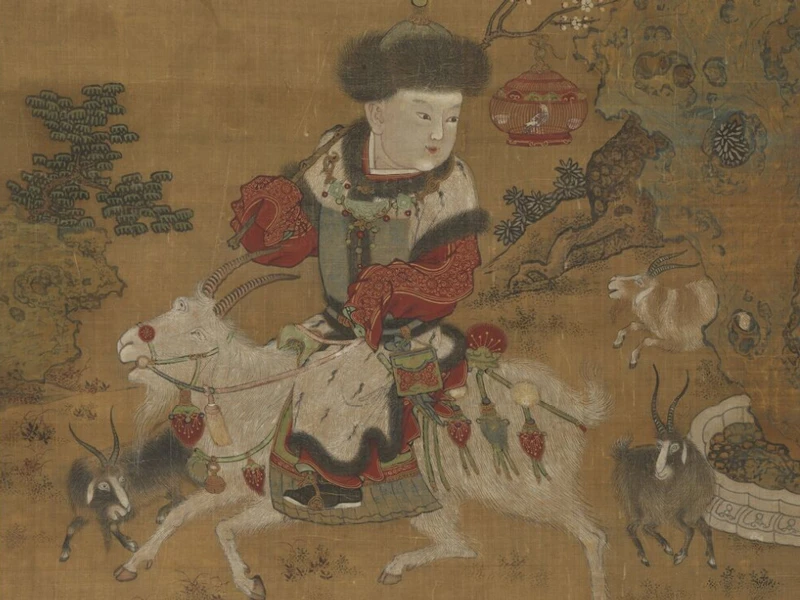
Fashionable elements appeared in artworks, such as the Dunhuang (敦煌) murals, where a woman carries a bag resembling modern totes, or Tang-era figurines depicting travelers with sleek, half-round designs. These examples highlight how ancient Chinese blended practicality with creativity, turning bags into statements of elegance. As centuries passed, this legacy influenced broader trends, proving that style and substance have always been intertwined in human accessories.



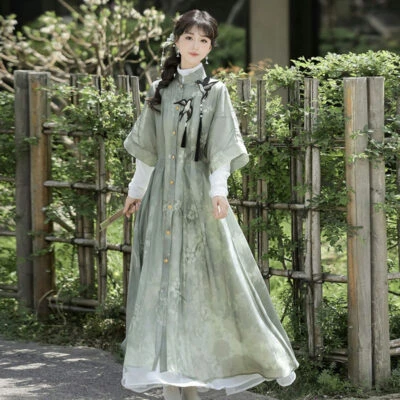
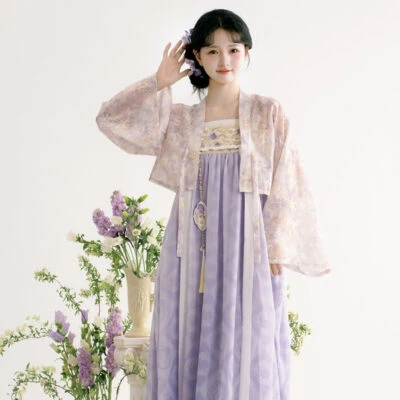


Omg, this is awesome!! I’ve been deathly curious about historically accurate bags for hanfu, so this is a real gold mine. Thanks you!
So glad you love it! 🥰