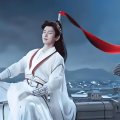
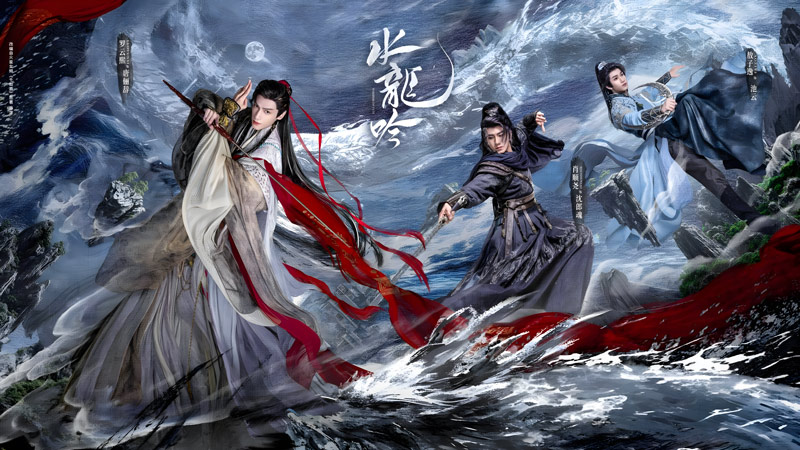
I just finished the opening episodes of Whispers of Fate (水龙吟), and the experience left me eager to discuss it with others. The protagonist, played by Luo Yunxi (罗云熙), stands out as a compelling figure who draws viewers into the story effortlessly.
From the outset, the narrative flows smoothly, avoiding any sluggish moments that might lose the audience's interest. Characters are fleshed out with depth, making each interaction feel genuine and engaging. Visually, the scenes are crafted with such care that they could easily serve as stunning backgrounds for any device.
Before diving in, I had reservations given the extensive promotions, but those worries dissolved quickly. The team behind this project has delivered something that resonates on multiple levels, blending action and emotion seamlessly.
Platforms like Migu Video (咪咕视频) have thrown their weight behind the release, creating buzz through innovative campaigns. This support has amplified its reach, drawing in viewers who might otherwise overlook such offerings.
What sets this series apart is how it balances intensity with subtlety, allowing moments to breathe without unnecessary embellishment. He brings a nuanced performance that anchors the entire plot, making it easy to invest in his journey.
In an era where content can feel repetitive, this show manages to feel fresh and invigorating. It is a testament to thoughtful storytelling and execution that prioritizes the viewer's engagement over flashy distractions.

1. Mastermind's Game, Fated Foes
For years, audiences have grown accustomed to protagonists who start from humble beginnings, facing trials and slowly gaining strength. This narrative pattern, while compelling, often follows a predictable path of struggle and eventual triumph. However, a shift is occurring in character design, introducing figures who enter the story fully formed and in control. These individuals bypass the traditional journey of self-discovery, offering a fresh dynamic where power and intellect are established from the outset. This approach challenges viewers to engage with stories differently, focusing on the execution of plans rather than the development of capability. It represents a significant departure from the formulas that have long dominated screen and page.
Mastermind Characters
In the drama Whispers of Fate, the character Tang Lici (唐俪辞) embodies this new archetype. He is introduced not as a victim of circumstance, but as a calm, calculating individual who remains undisturbed by the chaos around him. While others scramble to investigate a mysterious event, he is found quietly carving a wooden doll, displaying no concern for the accusations directed his way. His demeanor is not one of defensiveness, but of serene authority, immediately shifting the power balance in any interaction. This establishes him as a central force who operates on a different level of awareness compared to those who seek to challenge him.
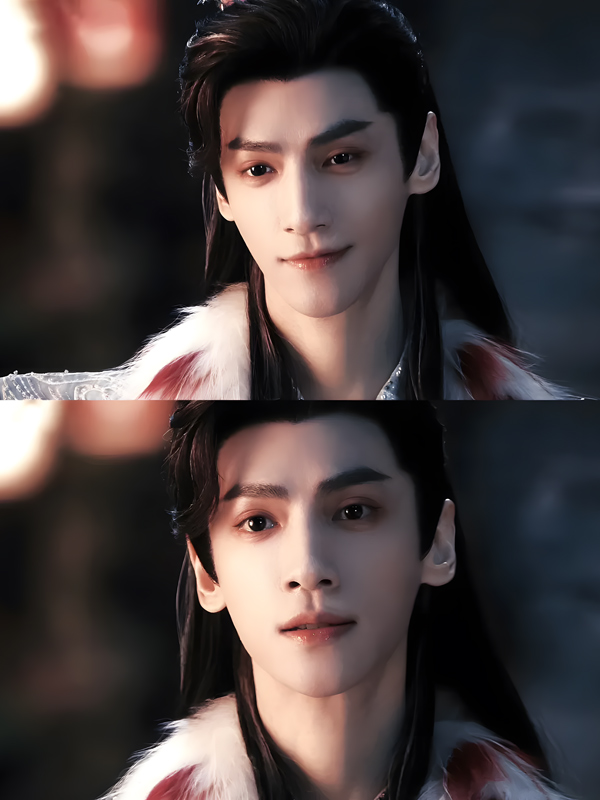
What sets such characters apart is their ability to perceive events as part of a larger design they have already crafted. When an investigator confronts him, he does not deny involvement but questions the visitor's motive, asking why they would approach someone they cannot defeat. This reframes the entire encounter, turning the tables and making the accuser feel exposed. His actions are deliberate, and every person who interacts with him inadvertently becomes a piece in a game he is directing. The storyline avoids the cliché of the wrongly accused hero seeking redemption, instead presenting someone for whom conflict is merely an expected variable in a preordained sequence.
Audiences witness how he influences those around him without overt manipulation. Zhong Chunjie (钟春髻) quickly clears his name, while Chi Yun (池云) is persuaded to assist him willingly. Even the involvement of Jiang Cheng (江城) is something he anticipated. This meticulous orchestration means that the plot does not happen to him; he happens to the plot. For viewers tired of seeing protagonists endure hardship, this provides a satisfying alternative where intelligence and preparedness are the ultimate strengths. It allows the narrative to explore themes of agency and control without relying on physical battles or emotional turmoil.
Audience Experience
Watching a character like Tang Lici offers a distinct form of entertainment. There is no anxiety about his survival or success, as he is never truly in peril. Instead, the enjoyment comes from observing how he navigates each situation with foresight and grace. This removes the emotional burden often associated with rooting for an underdog, replacing it with a pure appreciation for strategic thinking. The viewer becomes a spectator to a master at work, akin to watching a chess grandmaster anticipate moves several steps ahead. This creates a relaxed yet engaging experience where the focus is on the elegance of the solution rather than the struggle to find one.
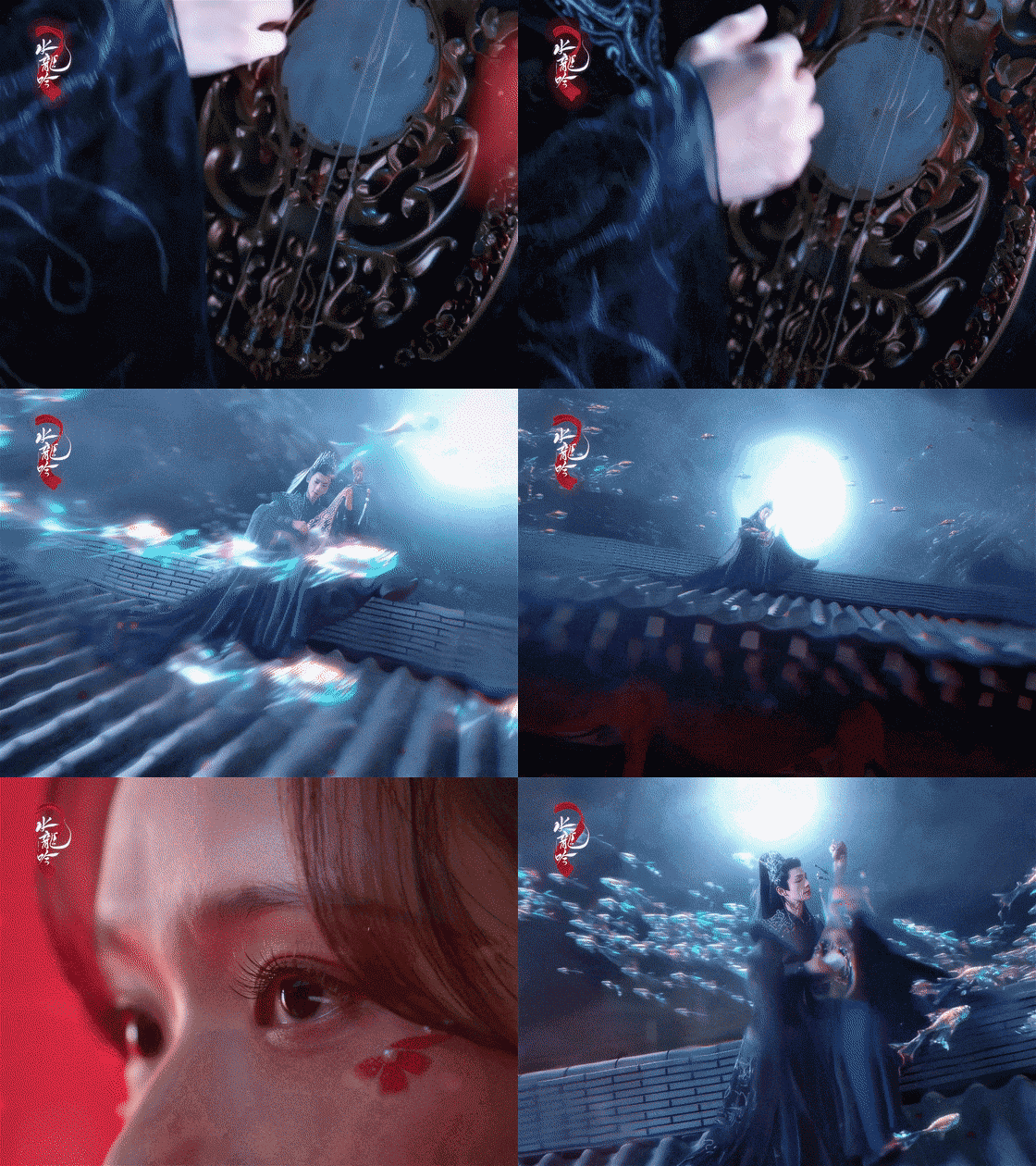
This character type appeals strongly to those who admire competence and intellect. The traditional "growth arc" can sometimes feel prolonged, with moments of frustration as the hero learns through failure. In contrast, a "completed" protagonist delivers immediate satisfaction by demonstrating expertise from their first appearance. They do not need to prove themselves; their actions speak for them. This resonates with audiences who prefer seeing capability in action rather than waiting for it to develop. It taps into a preference for stories where the hero's mind is the primary weapon, making every interaction a demonstration of their superiority.
The psychological appeal lies in the reduction of uncertainty. While unpredictability can be exciting, there is a comfort in knowing that the central character is always a step ahead. It allows viewers to immerse themselves in the intricacies of the plot without worrying about the protagonist's fate. This shift also changes how antagonists are perceived; they are not formidable threats but rather obstacles that the hero is already equipped to handle. The drama becomes a display of tactical brilliance, where each revelation is part of a larger, coherent plan designed by the main character.
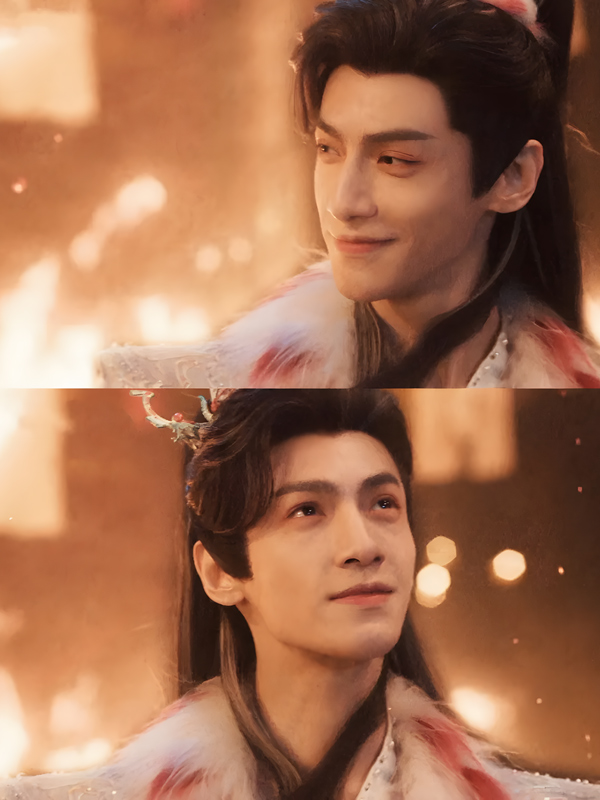
Moreover, this approach can deepen engagement by encouraging audiences to pay closer attention to details. Since the protagonist is often aware of information that others are not, viewers must watch carefully to catch the subtle cues and connections. It transforms passive watching into an active process of deduction, mirroring the character's own analytical nature. This intellectual participation can make the story more memorable and rewarding, as viewers feel they are unraveling the mystery alongside the hero, even though he is always leading the way.

2. Genius in Control, Love Torn Apart
In the narrative landscape of Whispers of Fate, the interplay between loyalty and suspicion crafts a compelling drama that transcends mere action. At its core, the story delves into the fragile nature of trust, embodied by the tumultuous relationship between Tang Lizci and Liu Yan (柳眼). Their once unbreakable bond, likened to that of siblings, faces a severe test following the tragic demise of their mentor, Fang Zhou (方周). This event triggers a chain of reactions, where accusations and hidden truths propel the characters into a emotional labyrinth. The audience is invited not just to witness their struggles, but to ponder the weight of decisions made in moments of despair.
Fragile Trust
The foundation between Tang Lizci and Liu Yan was built on years of shared trials in the martial arts world. Tang Lizci often saw his friend as a beacon of integrity, someone whose moral clarity shone brightly in their chaotic environment. Their interactions were marked by mutual reliance, whether in training or facing external threats. This deep connection made the eventual rift all the more devastating, as it stemmed from a place of profound personal belief rather than superficial disagreement.
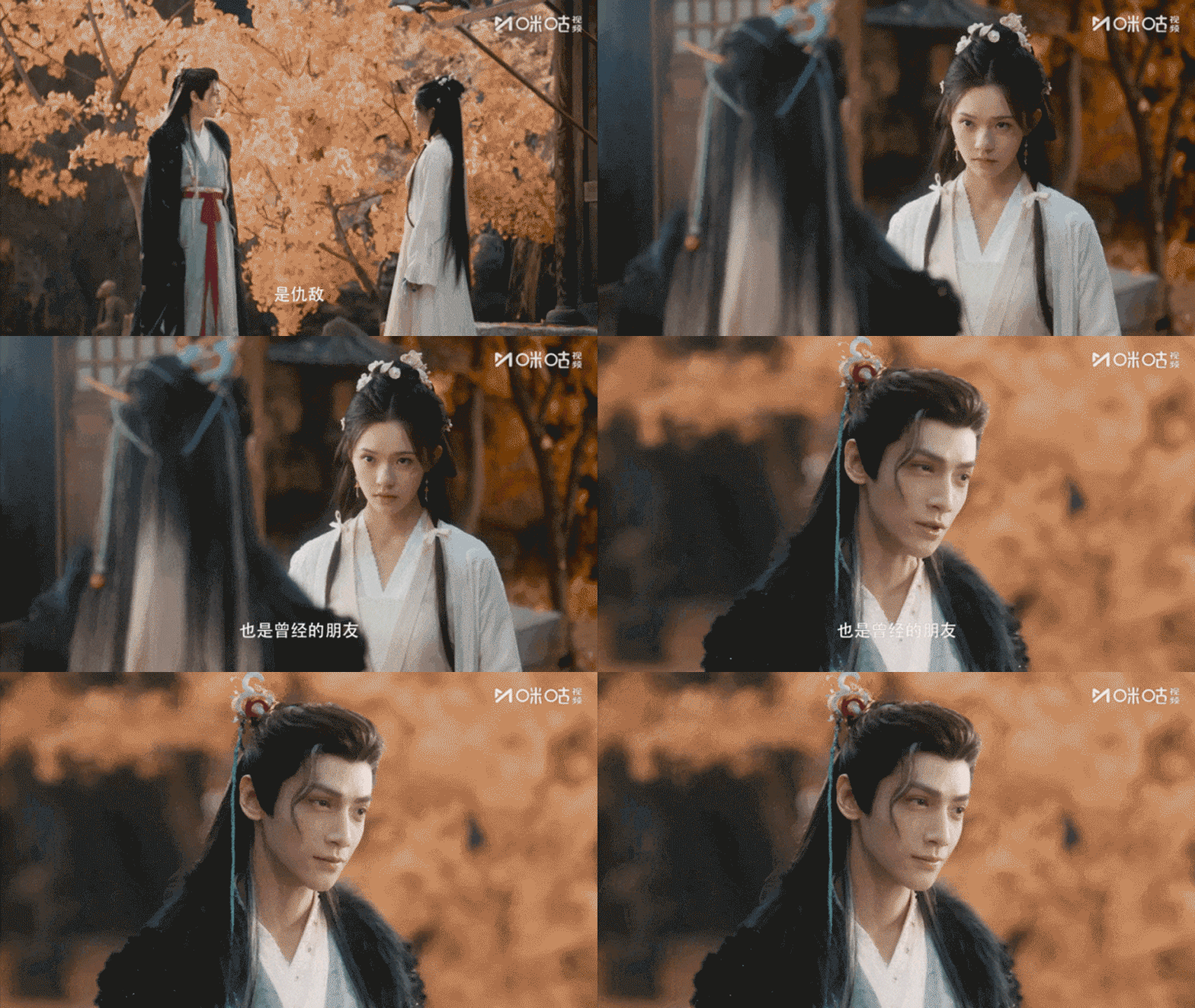
When Fang Zhou died under mysterious circumstances, Liu Yan's world view crumbled. He interpreted the evidence through a lens of grief, becoming convinced that Tang Lizci was responsible. This conviction grew from a seed of doubt into an unshakable truth in his mind. The emotional turmoil he experienced blinded him to alternative explanations, leading him down a path of irreversible actions. His internal conflict between love for his friend and hatred for the perceived betrayal created a psychological depth that resonates with viewers.
The aftermath of this accusation left both men isolated. Tang Lizci, wounded physically and emotionally, found himself grappling with the loss of not one but two pillars in his life. Instead of lashing out immediately, he retreated into a state of reflection, questioning how things had spiraled so quickly. This period of introspection allowed for a nuanced portrayal of his character, showing that strength can manifest as patience rather than aggression.
Unspoken Truths
As new events unfold, such as a mysterious massacre that points to Liu Yan, the plot thickens with layers of ambiguity. Tang Lizci's response to these developments is notably measured. He does not seek violent confrontation but instead announces his intention to find his former friend, stating simply, "I am looking for you." This phrase carries a multitude of meanings, suggesting a quest for understanding rather than vengeance. It implies that there may be more to the story than what has been revealed so far.
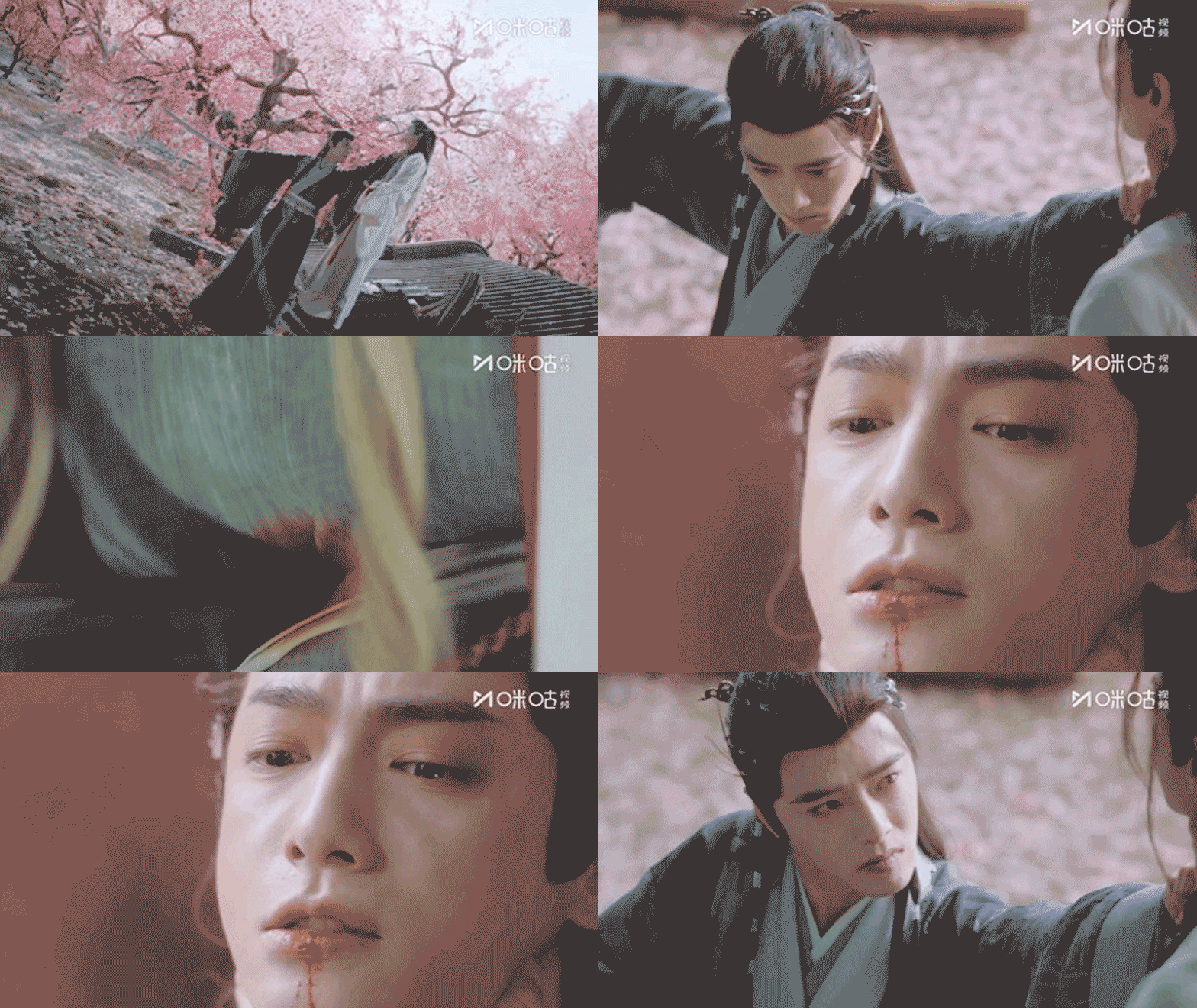
The dynamic between the two characters becomes a game of cat and mouse, with one openly searching and the other remaining elusive. Liu Yan's avoidance is not born of cowardice but from a place of deep hurt and confusion. He believes he has been wronged, and his withdrawal is a form of self-preservation. This creates a tension that keeps the audience guessing about his true motivations and whether he might possess knowledge that could alter the narrative.
Secondary characters and subplots weave into this central mystery, adding context without overshadowing the main emotional arc. For instance, clues about Fang Zhou's past or unseen alliances hint at a larger conspiracy. These elements serve to enrich the story, providing possible explanations for the characters' behaviors and raising stakes for their eventual reunion. The audience is left to piece together fragments, much like the protagonists themselves.
Emotional Resonance
What makes this relationship particularly gripping is its refusal to conform to black-and-white morality. Both Tang Lizci and Liu Yan are portrayed with flaws and virtues, making them relatable. Their actions, though extreme at times, stem from believable human emotions like love, jealousy, and fear. This complexity allows viewers to empathize with both sides, even when their choices lead to tragic outcomes. It challenges the notion of absolute right and wrong in personal conflicts.
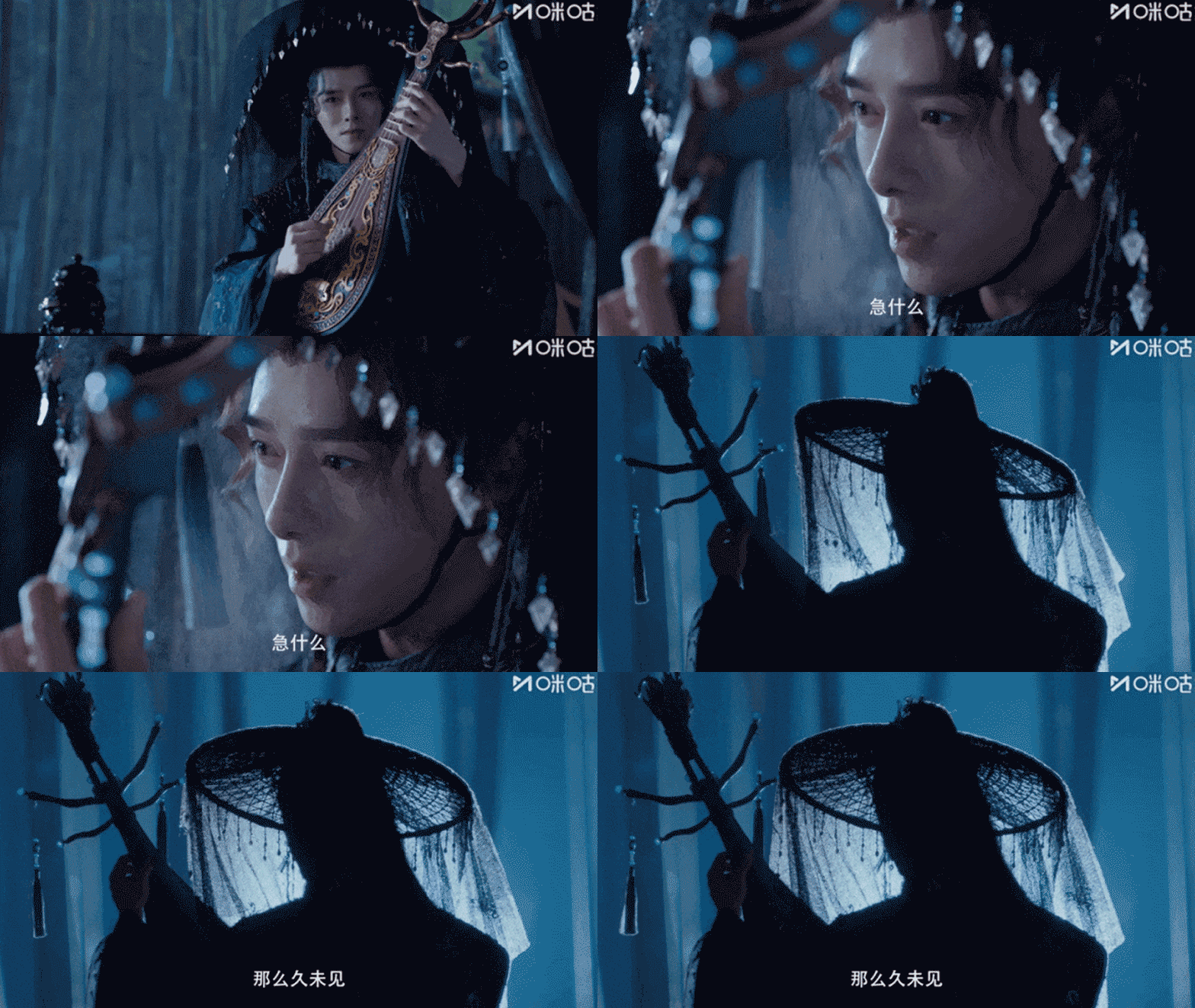
The use of visual storytelling, such as flashbacks to their happier days, accentuates the pain of their current estrangement. Scenes of them training together or sharing lighthearted moments serve as a poignant contrast to the present hostility. These memories act as emotional anchors, reminding the audience of what was lost and what could potentially be regained if reconciliation becomes possible.
Ultimately, the narrative explores themes of forgiveness and the possibility of redemption. Whether the characters can overcome their past and find a way back to each other remains an open question. This uncertainty is a driving force that maintains engagement, as viewers invest in the hope that truth and compassion might prevail. The story becomes a meditation on how relationships can be fractured and, perhaps, mended through courage and understanding.

3. Eastern Elegance, Fatal Ties
In an era where digital content floods screens, a quiet shift is occurring in visual storytelling. Productions are increasingly drawing from deep cultural wells to create worlds that feel both ancient and fresh. One series, Whispers of Fate, stands out for its dedication to this approach, weaving traditional elements into every frame without feeling dated. This isn't about nostalgia; it's a deliberate effort to make historical artistry accessible and exciting for today's audiences. The result is a viewing experience that engages the eyes and the imagination, setting a new standard for what visual media can achieve.
Mineral Colors
The visual language of Whispers of Fate begins with its palette, which avoids synthetic tones in favor of organic depth. Artists adopted the Yancai (岩彩) technique, historically used in Dunhuang (敦煌) cave paintings, by grinding minerals like lapis lazuli and malachite into pigments. This method gives colors a textured, luminous quality that changes with light, echoing the natural wear of centuries-old art. It’s a subtle nod to history that makes each scene feel grounded and rich.
This choice does more than please the eye; it anchors the narrative in a tangible past. Viewers might not consciously notice the difference, but the hues carry a weight that digital colors often lack. Scenes bathed in these mineral-derived shades evoke emotions tied to heritage and timelessness. The production team spent months experimenting to get the right balance, ensuring that every shot respects the source material while serving the story’s mood.
Beyond mere background, these colors interact with characters and plots. In moments of tension, deep blues and greens from Yancai enhance the drama without overwhelming the action. This attention to detail shows how color can be a silent storyteller, weaving cultural threads into the fabric of the series. It’s a reminder that beauty in media isn’t just about brightness but about meaning.
Fabric Stories
Costumes in Whispers of Fate are not just attire; they are narratives stitched into fabric. For the character Tang Lici, designers incorporated a Diexie belt (蹀躞带) structure from the Tang dynasty, adorned with Sanskrit symbols to reflect his ambiguous morality. Armor pieces draw inspiration from Sanxingdui (三星堆) bronze artifacts, blending mystique with regality. Each garment tells a story through its cuts, embroidery, and materials.
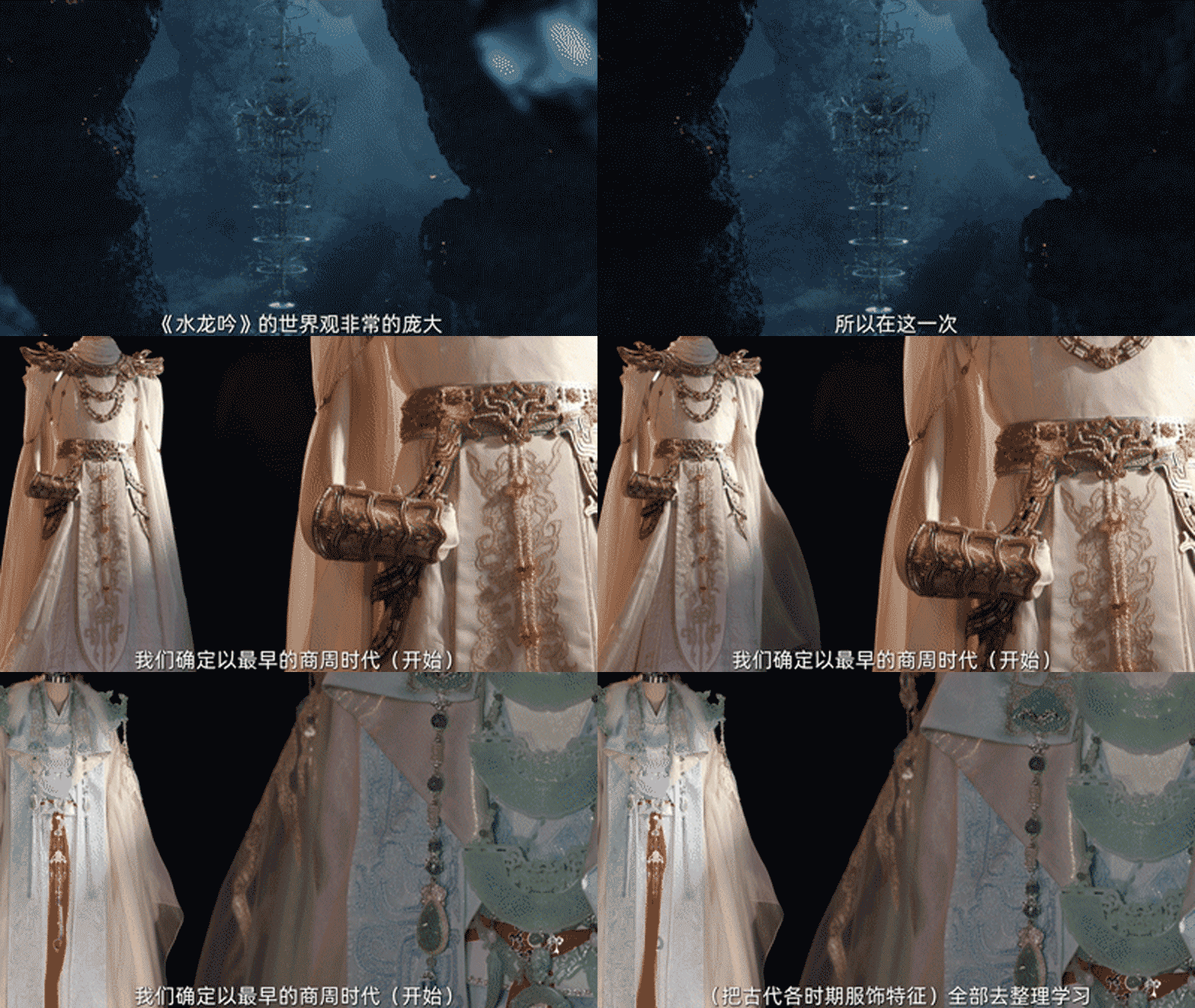
Over 847 custom outfits were created, many employing intangible cultural heritage techniques. Panjin embroidery (盘金绣), Suzhou stitching (苏绣), and Huasi inlay (花丝镶嵌) work appear throughout, preserving crafts that risk fading into obscurity. For instance, Liu Yan wears vibrant, clash-ing colors in his minority-inspired embroidery, highlighting his complex identity. Meanwhile, Chi Yun sports asymmetrical designs that mirror a rogue’s free-spirited nature.
Even secondary characters receive this meticulous treatment, with costumes that reflect their roles and backgrounds upon closer inspection. This level of detail ensures that the world feels cohesive and alive, where every thread contributes to the overall immersion. It’s a testament to how clothing can embody culture without needing words.
Built Environments
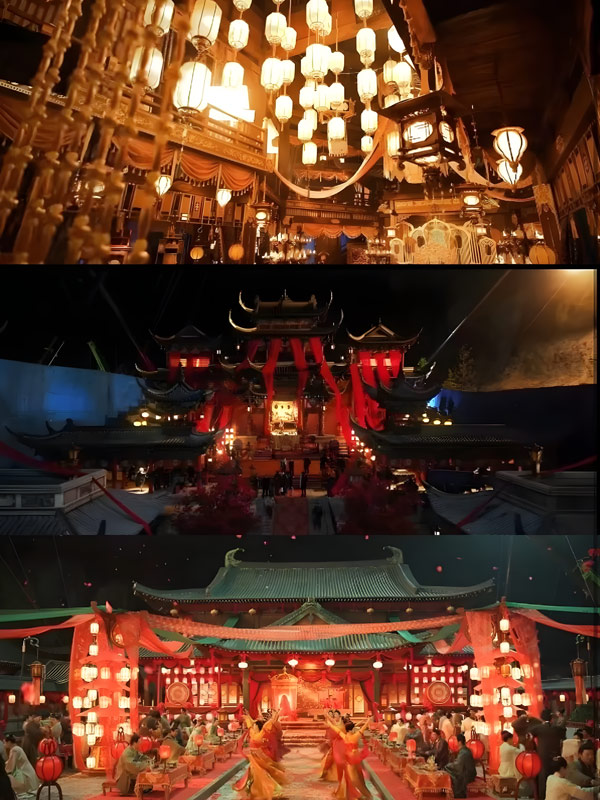
The series features 188 practical sets, each crafted to embody distinct historical eras without relying on generic backdrops. Elements from the Shang dynasty’s rustic simplicity, Han’s grandeur, Song’s elegance, and Ming’s intricacy merge seamlessly. A single empty shot might be composed like a classical landscape painting, inviting viewers to pause and appreciate the artistry. This commitment to physical spaces adds a layer of authenticity that CGI often misses.
These environments do more than set the scene; they influence the pacing and tone of the story. A courtyard designed with Song aesthetics offers a calm respite, while a chamber infused with Shang motifs feels ominous and ancient. The production team studied architectural manuals and artifacts to ensure accuracy, resulting in spaces that feel lived-in and historically resonant. This approach allows the series to transport audiences visually and emotionally.
By building these worlds from the ground up, Whispers of Fate creates a immersive experience that honors Chinese architectural heritage. It’s a bold move in an industry leaning toward digital shortcuts, proving that tangible sets can deepen engagement. Viewers are not just watching a story unfold but stepping into a carefully reconstructed past.
Audience Response
Since its release, Whispers of Fate has sparked discussions among viewers who appreciate its visual depth. Many note that the series doesn’t just entertain but educates, introducing them to traditional arts they might not have encountered otherwise. This blend of education and entertainment has helped it gain a loyal following, with fans dissecting every frame online to uncover hidden details.
The anticipation for new episodes highlights how this aesthetic dedication enhances engagement. People aren’t just waiting for plot twists; they’re eager to see what new visual treasures each installment reveals. This response underscores a growing appetite for media that values craftsmanship over speed, suggesting a shift in what audiences expect from high-quality productions.
Ultimately, the series demonstrates that investing in cultural authenticity can yield both artistic and commercial rewards. By prioritizing detail and heritage, it sets a benchmark that may inspire future projects to delve deeper into their own cultural roots. In a crowded market, this approach offers a way to stand out while preserving important artistic traditions.

4. Glimpses of a Grand Design
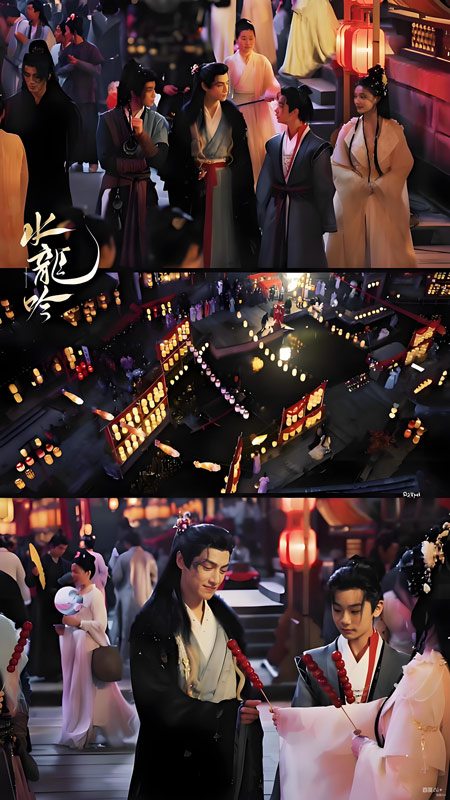
With only four episodes available, Whispers of Fate feels like a brief dive into a deep ocean. Tang Lici has just started to maneuver his pieces, and the strained relationship with Liu Yan hints at a layered past. What untold resources does he keep hidden? Their once-strong bond now shows cracks, sparking curiosity about what drove them apart.
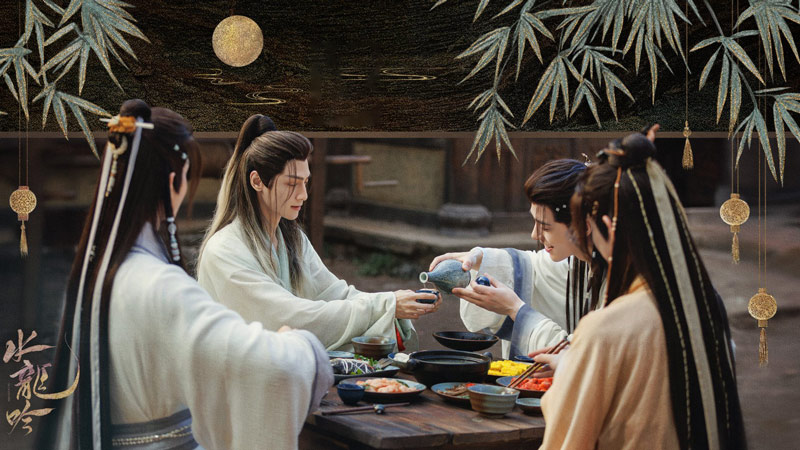
New faces are expected to join the story, adding twists to an already intricate web. Each scene is crafted to hold attention, with suspense building steadily and leaving viewers eager for resolutions. The narrative avoids filler, making every moment count and the experience intensely engaging.
On Migu Video, audiences congregate to speculate and await updates. I'm drawn back to see how Tang Lici's plans evolve, knowing that in this series, overlooking any detail could mean missing a key insight. The storytelling resonates because it trusts the viewer to piece together the puzzle, creating a personal and captivating journey.