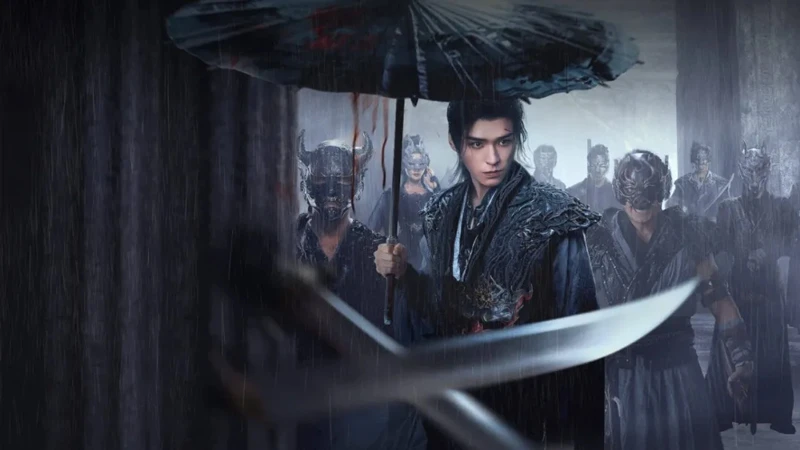
How did a White-Haired Sword Saint’s Tears Redefine Modern Wuxia? When the final episodes of Blood River (暗河传) unlocked early access, social media platforms were instantly flooded with clips of Gong Jun’s (龚俊) character, Su Muyu (苏暮雨), with hair as white as snow. A two-minute scene of him fighting with his sword, his hair turning white, garnered 300 million views in just one hour. The barrage of comments, filled with phrases like “This acting is god-tier,” completely obscured the screen. The platform’s backend saw a surge of over two million new subscribers within three hours of the finale’s release. Even “Su Muyu’s same-style white hair” became a trending search on online shopping sites. This frenzy was not just about a dramatic visual transformation; it was a testament to an actor’s profound embodiment of a role that resonated deeply with audiences.
The Anatomy of a Scene
The duel against the eunuch Zhuo Qing (浊清) in episode 36 stands as a masterclass in physical acting. The camera meticulously follows the details: the bulging veins on his hand as he grips the Jian (剑, sword), the sharp roll of his Adam’s apple as he unleashes a powerful technique, and the final, devastating moment when his sword shatters. It is then that the tips of his hair begin to lose color, turning a stark white. His eyelids droop and then snap open, his gaze shifting from fierce determination to hollow emptiness. The director later revealed the painstaking effort behind this sequence, explaining that the white hair was applied in layers over multiple days of filming. The actor insisted that the timing of each strand’s whitening had to synchronize with his character’s breathing and emotional state. Viewers immediately decoded the performance, noting how it evolved from desperate struggle to tragic acceptance of his fate.
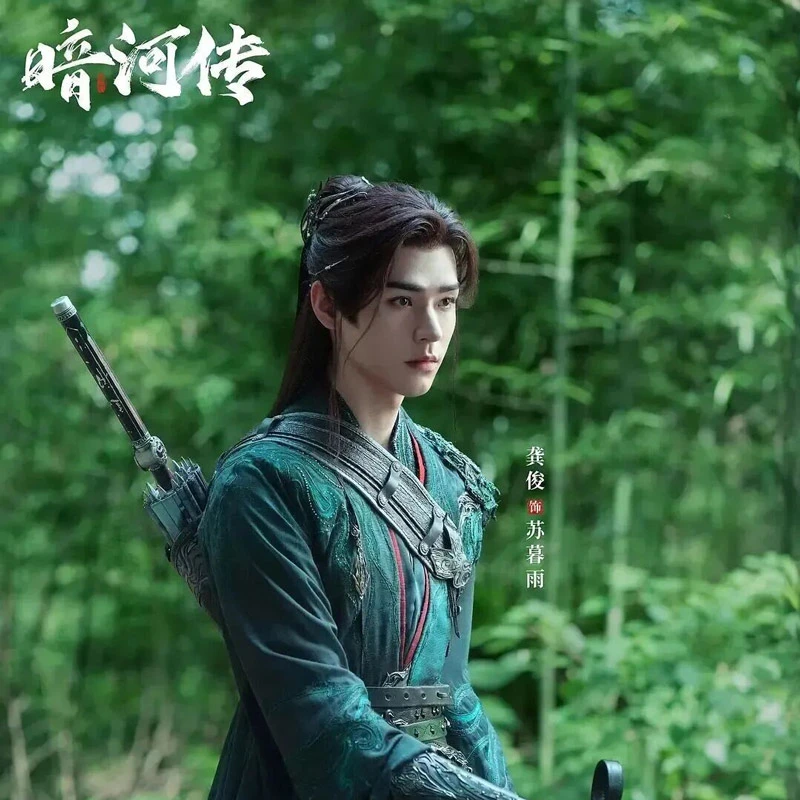
This attention to detail transcends the spectacular fight choreography. In a quieter, yet equally powerful moment in episode 38, Su Muyu is reunited with Bai Hehuai (白鹤淮), who he believed was dead for twelve years. Here, Gong Jun uses minimal dialogue, instead conveying a universe of emotion through subtle physicality. His hand reaches out to touch her face, but his fingers recoil as if burned, instead clutching at the worn fabric of his own sleeve—a sleeve that had borne the brunt of twelve years of hardship. When he finally presses a healing pill into her palm, his fingers tremble uncontrollably, pale and shaking like autumn leaves. The screenwriter noted that these specific actions were not in the script but were the actor’s own creation, born from his understanding that after a long wait, his character would be too afraid that the moment was merely another illusion.
More Than a Makeover
The white hair is far more than a striking visual gimmick. It serves as a physical manifestation of a life force being expended, a permanent record of sacrifice etched onto his body. It symbolizes the ultimate price paid for victory in the world of Wuxia (武侠, martial heroes). This transformation anchors the character not as an invincible hero, but as a vulnerable human being pushed to his absolute limit. The audience’s connection to this moment stems from this vulnerability. They are not just watching a superhuman feat; they are witnessing a person suffer a tangible, irreversible consequence. This makes his sacrifice feel real and deeply earned, elevating the narrative beyond simple heroics into a more poignant exploration of cost and consequence.
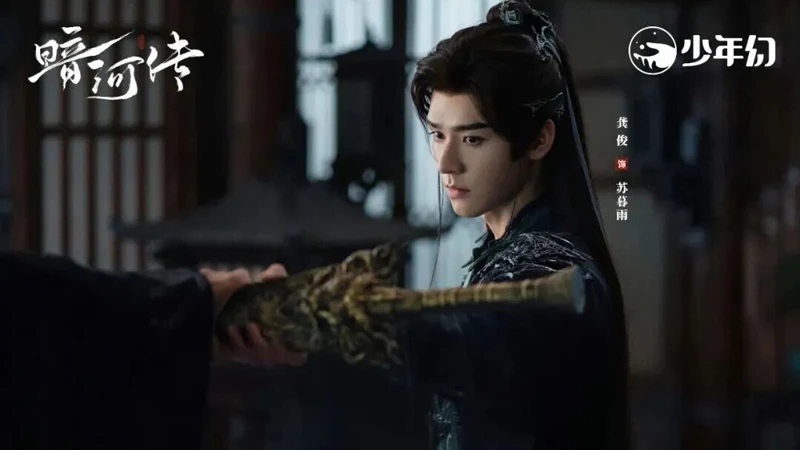
This physical symbol of his ordeal stays with him until the very end. In the final scene, as the clandestine organization, Blood River, is dissolved, Su Muyu stands silently watching his comrades throw their weapons into a fire. He does not cry or speak. He simply stares into the flames, his hand occasionally rising to touch the white hair at his temple. That single, quiet gesture speaks volumes, encapsulating the weight of the 4,380 days he endured. It is a farewell not just to his comrades, but to the person he once was. The performance demonstrates that the most powerful emotions in a grand narrative are often communicated through silence and small, human gestures rather than lengthy speeches.
A Shift in the Tide
The overwhelming response to Blood River‘s finale signals a potential shift in audience expectations. For years, period dramas, particularly in the Xianxia (仙侠, immortal heroes) and Wuxia genres, have often been criticized for prioritizing special effects, convoluted plots, and star power over substantive character development and believable performances. This series, however, proved that the soul of a martial arts story does not lie in its visual spectacle, but in its humanity. Gong Jun’s performance—marked by that one physical transformation, a few trembling fingers, and a final, weighted silence—demonstrated that an actor initially recognized for his appearance could command respect through sheer acting prowess.
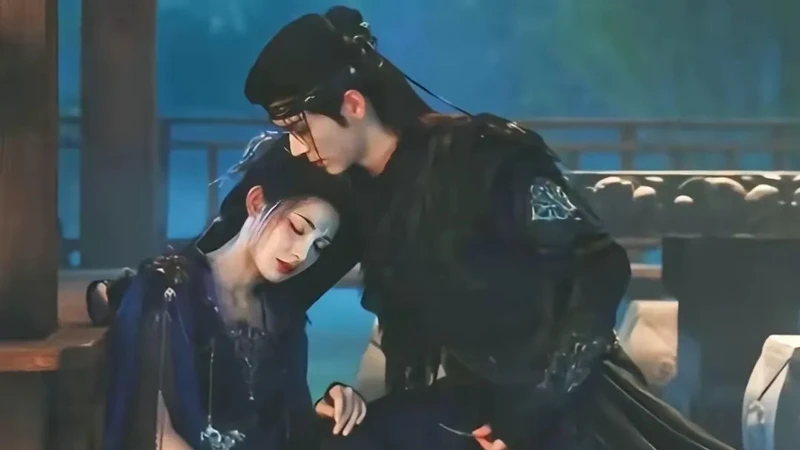
The success of these key scenes suggests a growing appetite for narratives that treat their characters as complex individuals rather than archetypes. The audience celebrated Su Muyu not because he was a flawless hero, but because he was a relatable person desperately trying to survive and protect what he loved within a harsh and unforgiving world. As one viewer aptly put it, “Before, we watched Gong Jun for his looks; now, we watch him for the story he tells.” This sentiment reflects a broader desire for depth and authenticity, challenging the industry to invest more in nuanced writing and dedicated performances. The triumph of Blood River is a clear reminder that in the end, a character’s journey, truthfully portrayed, is the most powerful special effect of all.