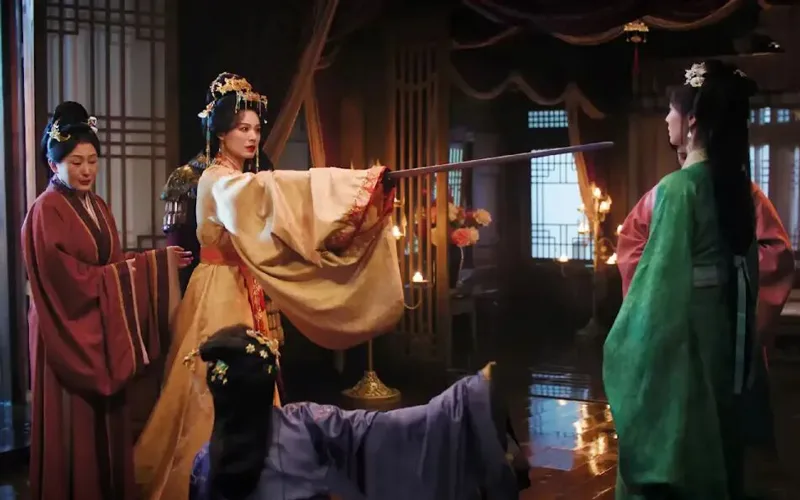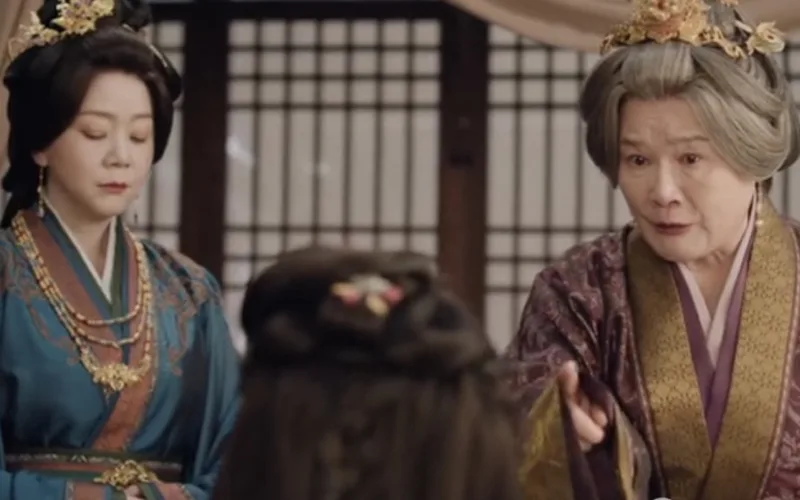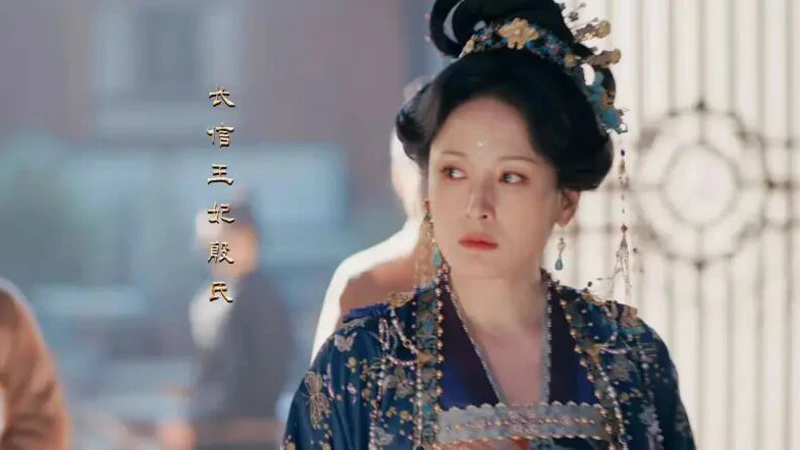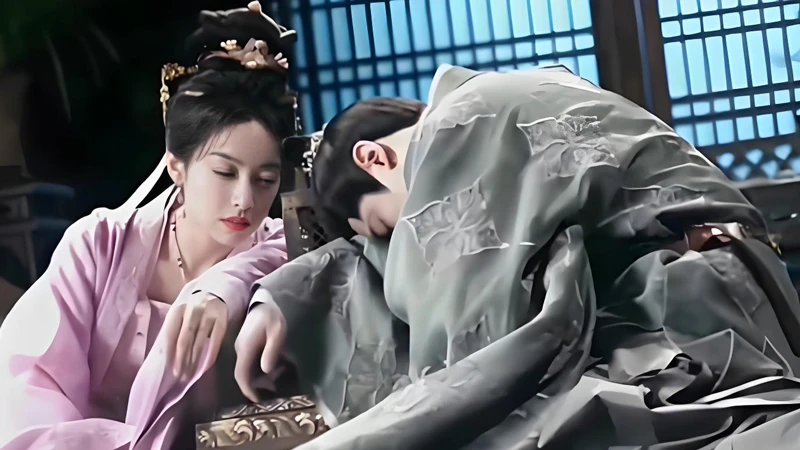
In the dramatic landscape of Fight for Love (山河枕), Gu Chusheng (顾楚生) appears as a man torn between love and duty. His decision to take an arrow for Chu Yu (楚瑜) during a chaotic treasure banquet at Qinxi Valley (沁溪谷) sparks intense speculation. While many interpret this act as undying affection, a deeper examination reveals a web of motivations rooted in survival, identity, and resistance. This story unfolds against a backdrop of political turmoil and personal betrayal, where characters navigate the harsh consequences of their choices. Gu Chusheng’s journey is not just a romance but a reflection on how external pressures shape human behavior, often leading to actions that defy simple explanation.
Forced Alliance
Gu Chusheng’s marriage to Wang Linlang (王琳琅) was a calculated move born from desperation. After his family faced ruin due to Qin Wang’s (秦王) alleged treason, Gu Chusheng narrowly escaped execution through the intervention of Chu Yu’s father, only to be sentenced to exile. Chu Yu devotedly accompanied him for five years, sharing his hardships. However, when Ning Guo Gong (宁国公) presented an ultimatum—marry his daughter Wang Linlang and gain political influence or face immediate death—Gu Chusheng chose the path that promised survival and a chance to restore his family’s honor. This pragmatic decision severed his bond with Chu Yu, yet it was driven by a need to achieve justice for his loved ones rather than mere personal gain.
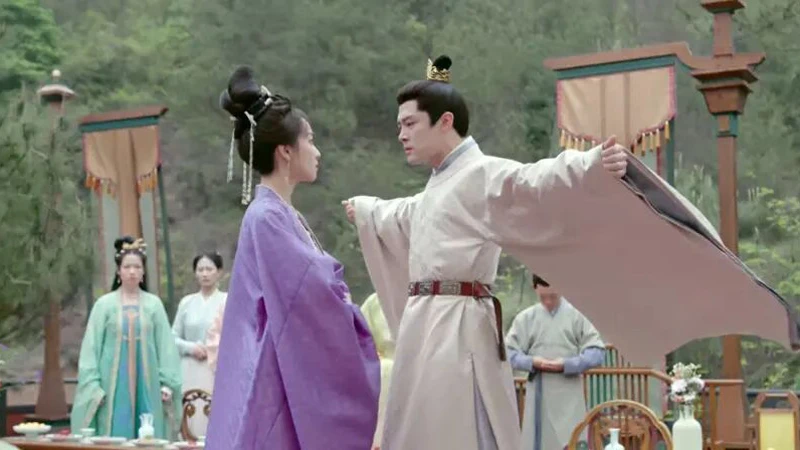
Life under Ning Guo Gong’s roof was fraught with humiliation and control. Gu Chusheng, once a proud scholar, found himself subjected to demeaning rituals, such as enduring scalding tea without flinching, all to prove his compliance. His career moves and daily actions were micromanaged, stripping him of autonomy. For a man who valued integrity, this subservience felt like a constant erosion of his spirit. Wang Linlang, though sincere in her affection, could not shield him from these indignities, and his coldness toward her grew as a silent testament to his inner turmoil.
The marriage, while advantageous, came at a great emotional cost. Gu Chusheng’s allegiance to Wang Linlang was superficial; he viewed it as a necessary evil to reclaim his family’s legacy. In moments of reflection, he acknowledged that his heart remained with Chu Yu, but he rationalized his actions as sacrifices for a greater cause. This internal conflict highlights how societal expectations can force individuals into roles that contradict their true desires, leading to a life of quiet desperation.
Quiet Rebellion
Gu Chusheng’s persistent attention to Chu Yu served as his subtle defiance against Ning Guo Gong’s dominance. In a world where every aspect of his life was dictated, showing care for Chu Yu became one of the few acts he could control. It was not solely about rekindling old flames but about asserting his individuality in the face of overwhelming oppression. By maintaining this connection, he challenged the expectations placed upon him, even if it risked further tension within his new family.
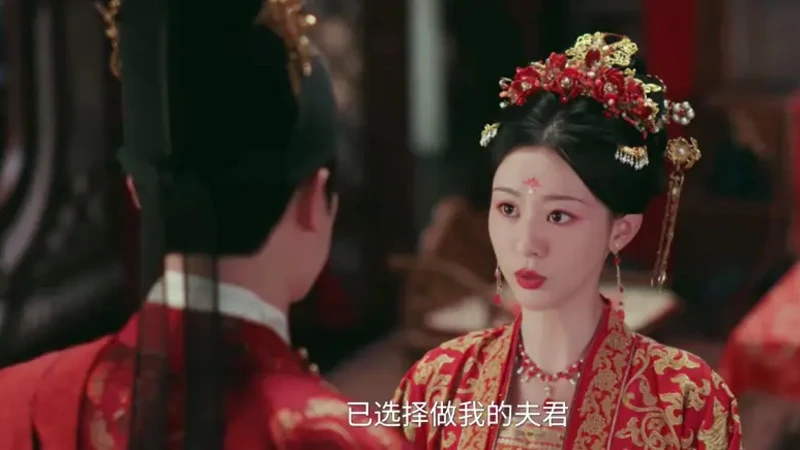
His protective gestures, like taking the arrow for Chu Yu, provided a temporary escape from his compromised existence. In those instances, he could momentarily embody the noble man he once was—someone who acted out of principle rather than calculation. This behavior offered a psychological reprieve, allowing him to feel virtuous amid the moral compromises of his daily life. It was a way to reconcile with his past self, who would have never chosen power over love.
Moreover, these actions held a strategic dimension. By demonstrating loyalty to Chu Yu, Gu Chusheng kept alive the possibility of reconnecting with her should circumstances change. His fierce reaction upon learning of her marriage to Wei Jun (卫珺) exposed his lingering hopes and the emotional investment he had maintained. This undercurrent of calculation reveals how his rebellion was both personal and opportunistic, blending genuine sentiment with self-preservation.
Identity Struggle
At the heart of Gu Chusheng’s actions lies a profound struggle with self-identity. He deeply resents the person he has become—a man who abandoned love for societal approval and safety. Protecting Chu Yu allows him to temporarily shed this despised persona and reconnect with the idealized version of himself from years past. This psychological need drives much of his behavior, transforming what seems like affection into a tool for self-redemption and emotional survival.
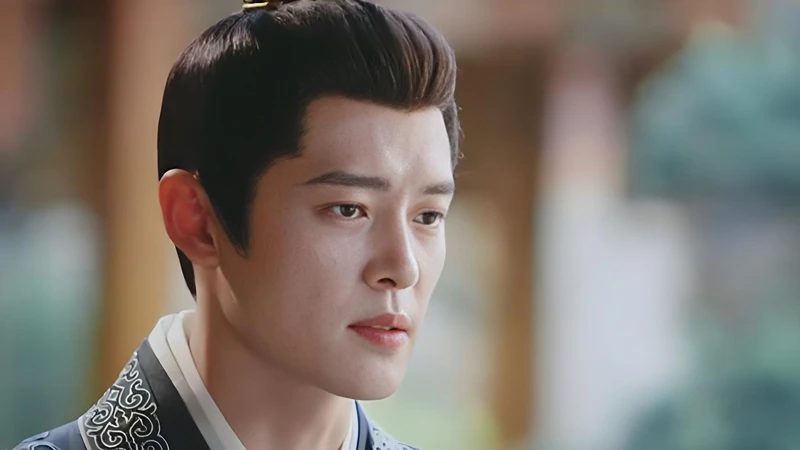
His admission to Wang Linlang that he is not a good person underscores his awareness of his moral failings. By suffering for Chu Yu’s sake, he constructs a narrative where his sacrifices are noble rather than selfish. This justification helps him cope with the guilt of betraying both women, framing his life as a series of necessary evils for a higher purpose. Such internal conflicts are common in stories where characters grapple with honor and compromise, revealing the universal tension between who we are and who we wish to be.
Ultimately, Gu Chusheng’s story in Fight for Love transcends a simple love triangle. It delves into the complexities of human motivation, where actions are rarely black and white. His journey shows how individuals in constrained environments use whatever means available to maintain a sense of self, even if it leads to further entanglement and heartache. Through his eyes, we see the enduring quest for integrity in a world that often demands its surrender.