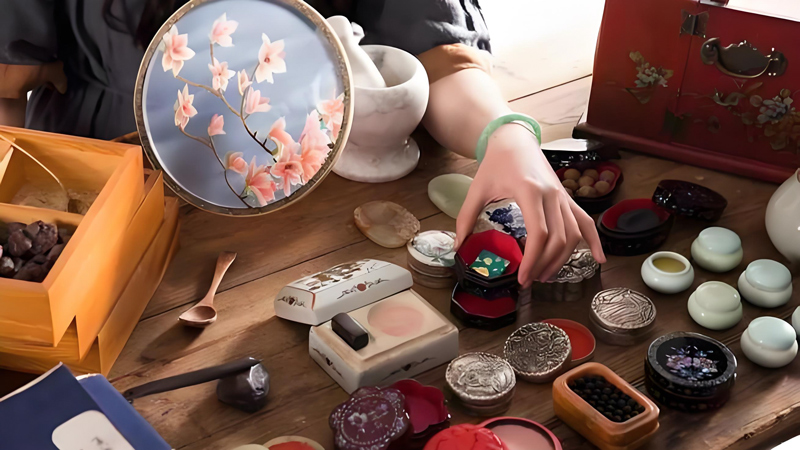
What skincare secrets did ancient Chinese royalty like Wu Zetian (武则天) and Yang Guifei (杨贵妃) use to maintain their flawless complexions? Long before modern cosmetics, women in dynastic China developed intricate beauty routines using natural ingredients. These methods, rooted in tradition and herbal wisdom, focused on cleansing, nourishing, and healing the skin with resources from the environment. From simple rice water to elaborate formulas, ancient skincare was a blend of art and science. This exploration reveals how historical figures achieved radiant skin without today's technology, highlighting practices that have influenced beauty standards for centuries.
Ritual Cleansing
In ancient China, cleansing was the foundation of skincare, much like today. People in the pre-Qin era used Rice Water, the starchy liquid left after washing rice, to clean their faces. This natural solution, rich in alkaline substances, helped balance skin oils and left the complexion bright and clear. It was a simple, effective start to daily hygiene that even commoners could access.

By the Jin Dynasty, a more advanced cleanser called Zao Dou (澡豆) emerged. Made primarily from ground peas mixed with spices and herbs, it dissolved easily in water for a thorough wash. This innovation offered a deeper clean and was praised for its ability to remove impurities while leaving skin refreshed. Its popularity grew as people sought better ways to maintain facial hygiene.
During the Tang Dynasty, Zao Dou reached its peak, becoming a staple in households across social classes. Wealthy elites, however, used luxurious versions infused with precious ingredients like White Pea Powder, musk, and egg whites. These blends not only cleaned but also perfumed the skin, reflecting the era's emphasis on elegance. Historical texts, such as Qian Jin Yi Fang (千金翼方), noted that such cleansers were essential for the refined, symbolizing status and self-care.
Natural Nourishment
After cleansing, ancient women turned to nourishing treatments to enhance their skin's vitality. One common practice was Face Threading, where fine threads were used to remove facial hair for a smoother appearance. While effective, it was often supplemented with homemade masks made from raw, natural ingredients that provided deeper hydration and brightness.
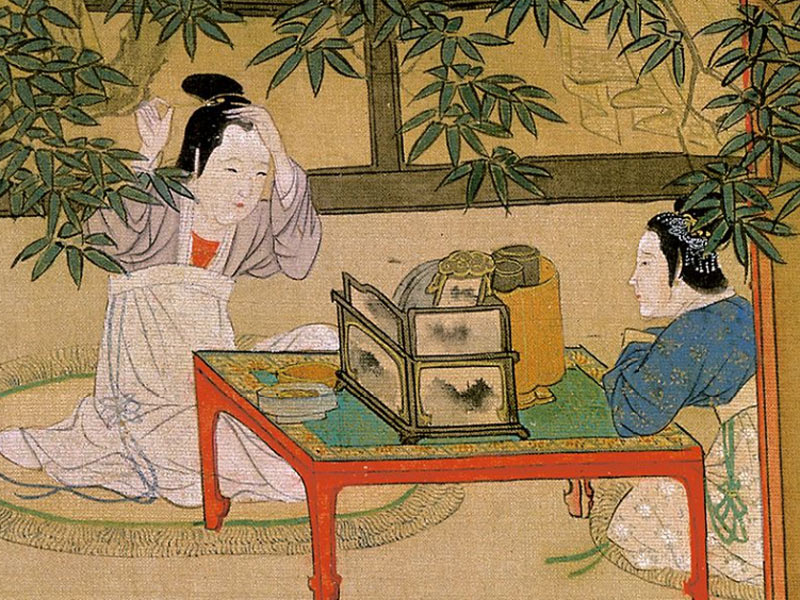
These masks combined items like egg whites, honey, and almond powder to create pastes that were applied directly to the face. For instance, mixtures with Yi Mu Cao (益母草), or motherwort, were popular for their ability to moisturize and reduce dark spots. This approach embraced the idea that skin should harmonize with nature, resulting in a healthy, glowing look admired in classical descriptions of beauty.
Animal-based products also played a key role; Face Fat, made from pig lard or other oils, formed a protective barrier against harsh weather. In the Song Dynasty, recipes evolved to include wax and herbs like white mulberry, targeting specific issues such as dryness or aging. These nourishing creams were applied daily, helping to maintain soft, resilient skin through changing seasons.
Herbal Secrets
Herbal medicine was central to ancient Chinese skincare, with many plants used for their therapeutic properties. Wu Zetian, one of China's few female emperors, reportedly used a formula based on Yi Mu Cao to keep her skin youthful and free of wrinkles. This herb, known for its benefits in women's health, was applied topically to improve tone and texture, demonstrating how internal wisdom translated to external care.
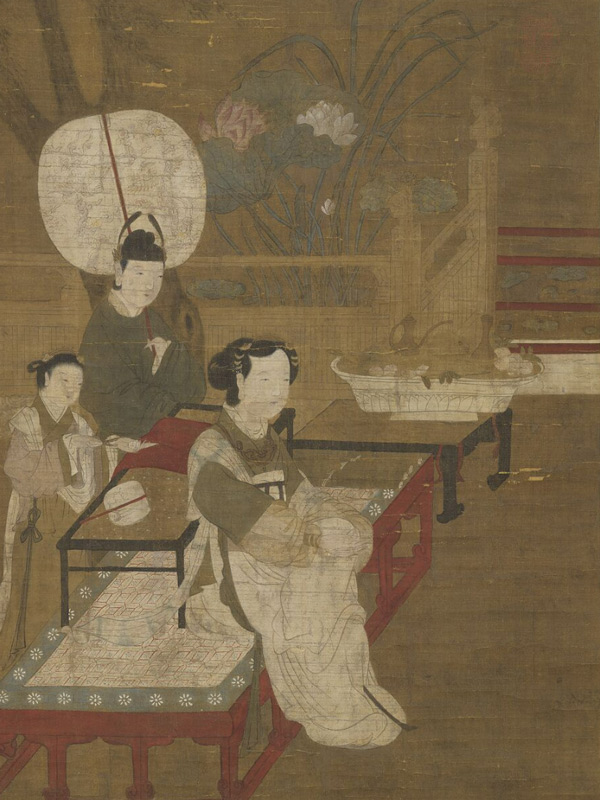
Texts such as Ben Cao Gang Mu (本草纲目) documented over 250 herbs, including Scutellaria for inflammation and Placenta Extract for anti-aging. These ingredients were ground into powders for internal use or blended into ointments, offering holistic solutions that addressed root causes of skin issues.
Beyond individual herbs, complex blends incorporated elements like Earthworm to prevent dryness or Red Flower to boost circulation. Such formulas aimed to purify the skin, fade discolorations, and promote a radiant glow. This herbal legacy shows how ancient practices valued long-term health over quick fixes, leaving a timeless impact on beauty rituals that continue to inspire today.