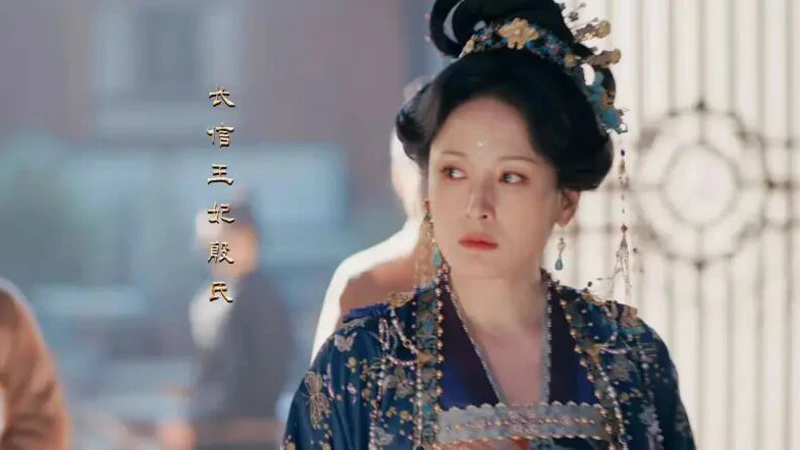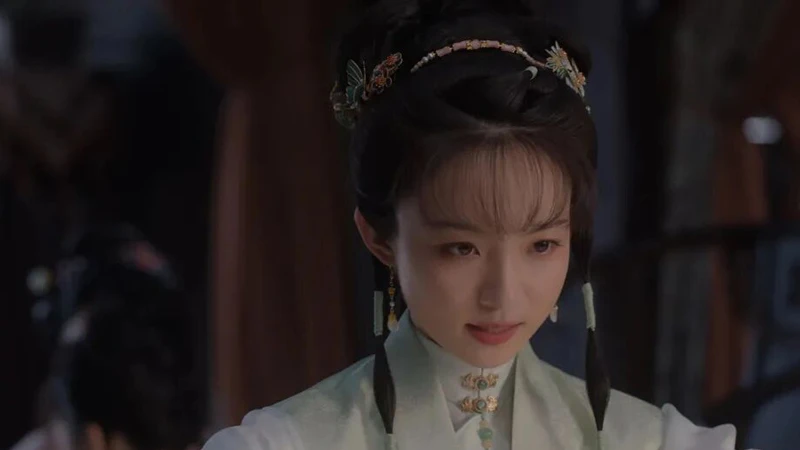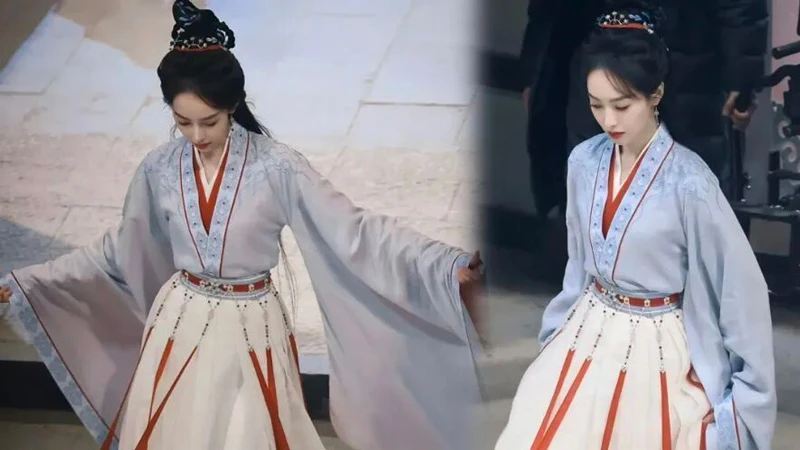
In the captivating world of historical dramas, certain costumes stand out and capture the audience’s imagination. One such example is the elegant dress worn by Song Qian (宋茜) in the television series Fight for Love (山河枕), which has garnered attention for its ethereal and fairy-like appearance.
Set against a backdrop of ancient China, this attire features a unique decorative element that adds a dynamic flow to the skirt, making it seem almost magical. This accessory, often seen as elongated pendants or knots, plays a crucial role in enhancing the garment’s visual appeal. But what exactly is this decoration, and how does it contribute to such a mesmerizing effect? This article delves into the details of this ancient art form, exploring its design, historical context, and the subtle ways it elevates traditional clothing.
The Elegant Knot
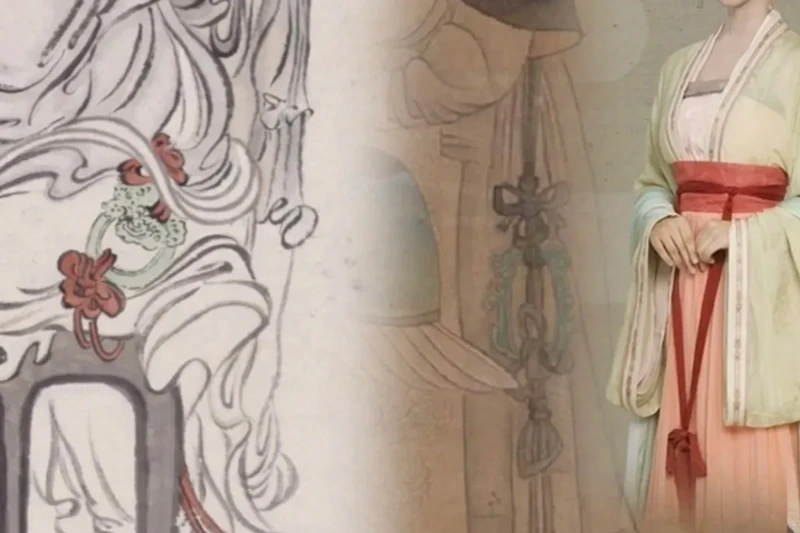
At the heart of this enchanting costume lies a distinctive knot known as the Oxalis Knot. This intricate design typically consists of three or four loops arranged in a pattern reminiscent of a cloverleaf. Crafted from slender silk ribbons, it is often used in combinations, such as double knots, to create a layered effect. When attached to the flowing skirts of characters like those in Fight for Love, it sways gently with movement, introducing a sense of lightness and grace. The knot’s name derives from its resemblance to the oxalis plant, commonly known as clover, which is associated with luck and positivity in various cultures.
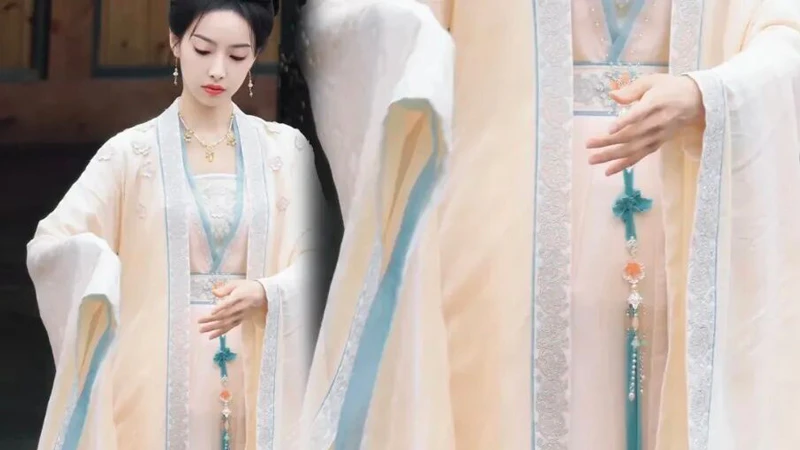
This decorative element is not merely for show; it serves a functional purpose in traditional attire. In many designs, it is part of a larger accessory called the Jade Ring Ribbon, where it connects to a jade circle, enhancing both the aesthetic and symbolic value. The knot helps to weigh down the skirt fabric, similar to how “jin bu” or restraint ornaments were used historically to control the flow of garments. As the wearer moves, the knot dances with the fabric, creating a visual rhythm that echoes the elegance of classical dance forms. This interplay between design and motion is what gives the costume its fairy-tale quality.
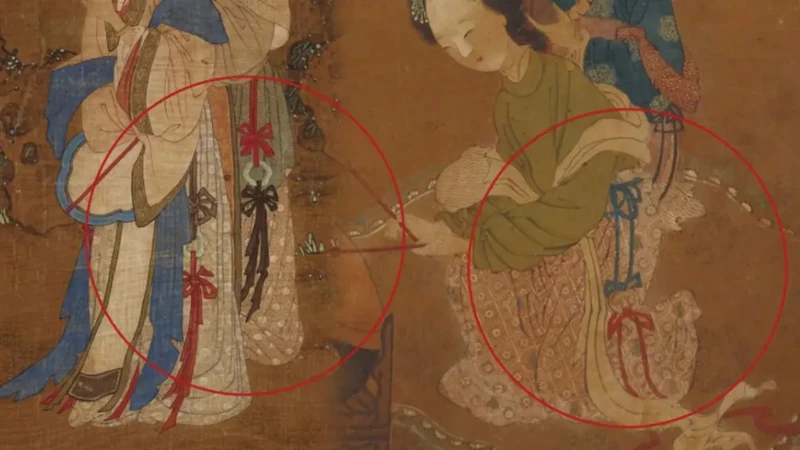
Moreover, the Oxalis Knot can be adapted in various ways, such as being draped from the waist or integrated into neckpieces like pearl collars. In Fight for Love, it is primarily seen hanging from the skirt, where it catches the light and air to produce a soft, rustling sound. This auditory element, combined with the visual flutter, immerses viewers in a sensory experience that heightens the drama’s emotional depth. By focusing on such details, costume designers bridge the gap between historical accuracy and artistic expression, making ancient fashion relevant to modern audiences.
Historical Roots
The origins of this knot trace back to ancient China, where it was part of a broader tradition involving “shou” or ribbon decorations. Initially, these ribbons were used to hang official seals, serving as markers of status and identity in courtly settings. Over time, they evolved into decorative components for clothing, particularly in the Song Dynasty, when nobility favored lightweight materials like silk and gauze for their garments. Artifacts from sites such as the Dabao’en Temple (大报恩寺), also referred to as Changgan Temple (长干寺), provide tangible evidence of this practice. Excavations there uncovered silk ribbons featuring the Oxalis Knot, showcasing its prevalence in daily life and ceremonial wear.
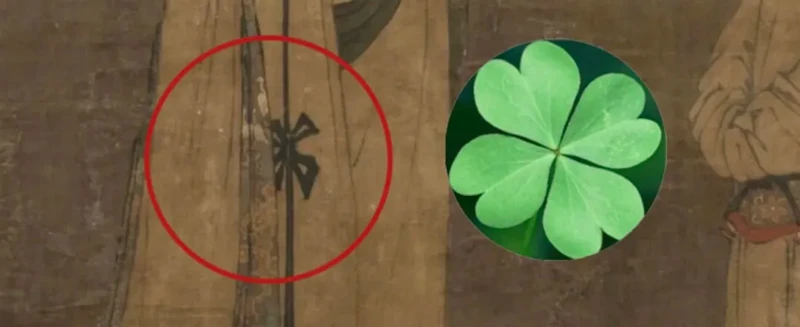
During the Song era, women’s fashion emphasized fluidity and refinement, with skirts designed to flutter with every step. The incorporation of knots like the Oxalis variety allowed for both beauty and practicality, as they helped manage the volume of the fabric while adding ornamental value. In formal occasions, such as rituals or court events, these decorations were elaborated with multiple knots or combined with jade elements to denote the wearer’s social standing. This blend of function and symbolism reflects the sophisticated aesthetics of the period, where even small accessories conveyed deeper meanings related to harmony and prosperity.
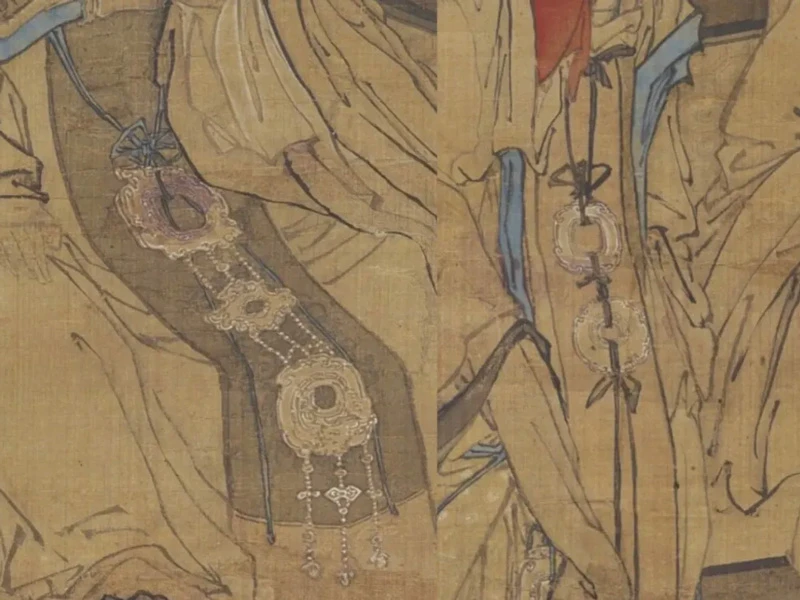
Beyond its use in clothing, the Oxalis Knot held cultural significance as a symbol of good fortune and unity. Its association with the oxalis plant, which was noted in ancient texts like Compendium of Materia Medica (本草纲目) for its medicinal properties, added layers of meaning. People believed that wearing such knots could attract positive energy and blessings, making them popular in both everyday attire and special ensembles. This historical context enriches our understanding of why these elements were cherished and how they continue to inspire contemporary designs in period dramas like Fight for Love.
Crafting Beauty
Creating the Oxalis Knot involves a precise technique that starts with forming basic loops, often referred to as “ears.” For a simple version with three ears, one begins by twisting the ribbon into interconnected circles, adjusting the tension to maintain the clover-like shape. This process can be scaled up by adding more ears, resulting in complex patterns like the clustered flower knot, which symbolizes abundance and perfection. Learning to tie this knot not only connects individuals to traditional crafts but also offers a hands-on way to appreciate the artistry behind historical costumes.
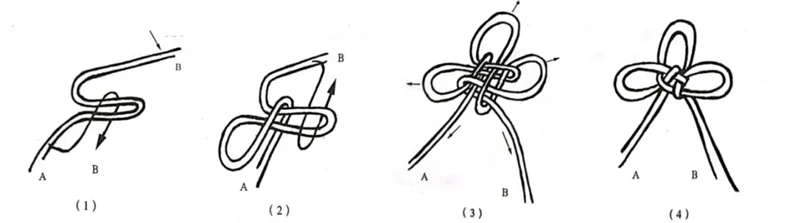
In practical terms, the knot’s placement on clothing is key to its effect. When positioned at the waist, it dangles freely, interacting with the skirt’s movement to create a sense of airborne elegance. In Fight for Love, this is masterfully executed to highlight Song Qian’s character, making her appear as if she is gliding rather than walking. The knot’s ability to catch light and shadow adds depth to the costume, enhancing its cinematic quality. This attention to detail demonstrates how ancient techniques can be adapted to modern storytelling, preserving cultural heritage while engaging viewers.
Ultimately, the enduring appeal of the Oxalis Knot lies in its simplicity and versatility. It transforms ordinary fabric into something extraordinary, infusing garments with a timeless charm that resonates across eras. As audiences admire the beauty of costumes in shows like Fight for Love, they are also witnessing a revival of traditional arts. This fusion of past and present not only celebrates Chinese history but also inspires new generations to explore the rich tapestry of their cultural legacy through fashion and design.