Article
Search results:
-
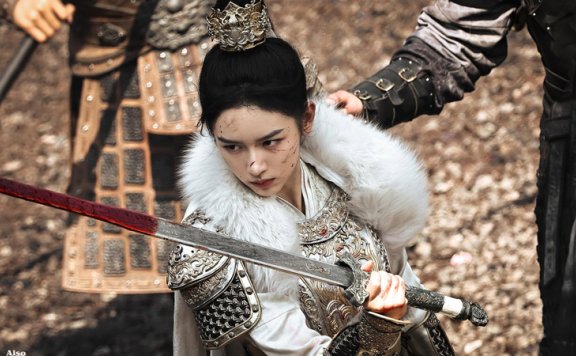
Talk with Zhou Ye: Wearing Armor Onscreen, Training Offscreen
The interview took place on a hot, sticky summer night. Zhou Ye (周也) had just wrapped up an offline promo event for Legend of The Female General (锦月如歌), and her energy carried that faint excitement you can't quite hide even when you try. "The first time I heard about Legend of The Female General was online. I didn't expect they would actually reach out to me later and hand me the script," Zhou Ye said. After reading just the first few episodes, she was struck by the core of He Yan's character. It wasn't the spectacle of big battle scenes or some clever plot device that moved her. What caught her was He Yan's resilience—the toughness that sits deep inside this character. Zhou Ye wanted to bring that to life on screen, whole and unbroken. In our conversation, we started with this new drama. From the first time she flipped open the script to the last time she set aside the heavy armor; from sweating in the training field to the joy, anger, and sorrow she carried both on and off set; and also how she views her work and the road ahead. Zhou Ye's answers came across just like… -
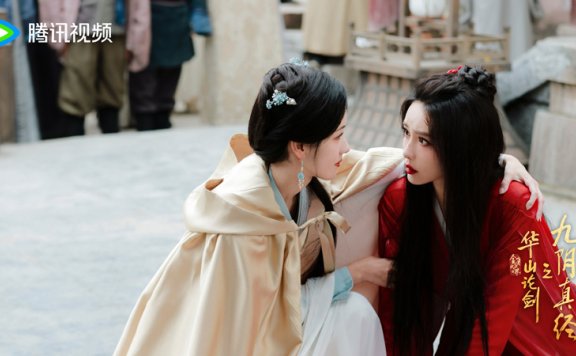
Duel on Mount Hua: Opening up A New Path for Wuxia Drama
Recently, the wuxia drama Duel on Mount Hua (华山论剑), co-produced by Tencent Video and Yaoke Media, directed by Xu Bing, Deng Ke, Cao Dun, and Zang Xichuan, officially wrapped up. The cast lineup (listed by story timeline) includes Zhou Yiwei, Gao Weiguang, Chen Duling, Peter Ho, Hankiz Omar, Ming Dao, Meng Ziyi, and He Yu. Last year's Iron Blood and Loyal Heart (铁血丹心) followed the classic spirit of Jin Yong's original, while Duel on Mount Hua takes a bolder approach. Its four story arcs—Eastern Heretic and Western Venom (东邪西毒), Southern Emperor and Northern Beggar (南帝北丐), The Five (五绝争锋), and Nine Yin True Sutra (九阴真经)—reconstruct the characters in surprising ways. Together, these two dramas create a "Jin Yong Wuxia Universe" that both respects tradition and experiments with form, bringing new energy into the genre. In today's market, producing a wuxia drama already requires a dose of passion and chivalry. We spoke with producer Zhang Yingying, who worked on both Iron Blood and Loyal Heart and Duel on Mount Hua, to unpack how this unique Jin Yong world was shaped for modern viewers and why it resonates. The Wuxia Starting Point, and a Fresh Unit-Story Approach From his first novel The Book… -
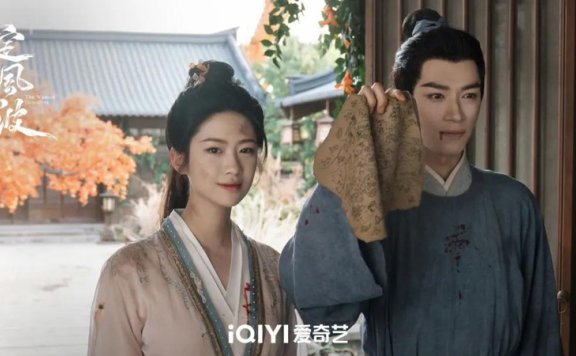
Beyond the Scene: 7 Years Crafting The Wanted Detective
"We couldn't afford the rights to any novels, and no production company offered us a chance to adapt an existing IP. Creating something original was our only option." This was his situation—and one many young screenwriters face. Before The Wanted Detective (定风波), Zhang Yunxiao's last works were the 2016 TV series An Ju and 2017's The Hypnotist Who Was Hypnotized. Reappearing in front of audiences after years, he had spent most of that time focusing on The Wanted Detective. There were moments he considered giving up—or even leaving the industry entirely to do something else if screenwriting didn't work out. Fortunately, once the script for The Wanted Detective was completed, it gained strong recognition on the platform. Before the premiere, Yu Zheng posted on Weibo: "I've read the script—it's amazing. I even got to see the finished product. Wish I could direct it myself." After airing, audience feedback gave Zhang Yunxiao more space for reflection. While the show's broadcast numbers didn't fully meet the team's initial expectations, they received significant acknowledgment for pursuing original work. What he calls a "no-retreat" effort is also a form of self-rescue for a young screenwriting team. Below is Zhang Yunxiao's account, organized from a… -
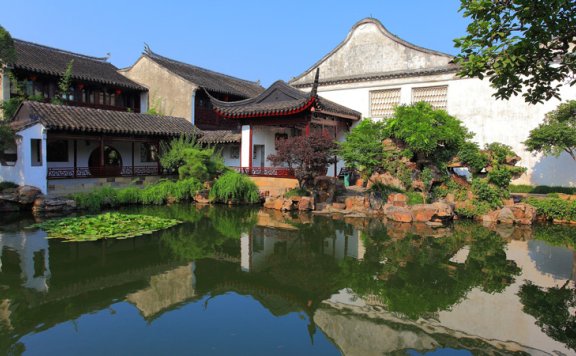
Suzhou: Where Classical Gardens and Living Culture Intertwine
Nestled in the heart of Jiangnan, Suzhou emerges as a living canvas where ancient design breathes through time. This city unfolds like an open-air museum, celebrated for its UNESCO-listed classical gardens—not as static relics, but as dynamic spaces where nature and philosophy merge. Within their walls, miniature mountains and reflective ponds capture the essence of each season, while beyond, the pulse of daily life echoes through narrow, historic lanes. From the delicate melodies of Kunju (昆剧) opera floating over water to the intimate storytelling of Pingtan (评弹) in cozy teahouses, Suzhou engages all senses. Its culinary traditions, rooted in seasonal harmony, offer a taste of the region’s rhythm. Here, every garden path, cobbled alley, and steamy bowl tells a story—inviting travelers to wander, contemplate, and immerse in a living culture where past and present gracefully intertwine. 1. Suzhou's Living Canvases: Where Design Breathes 1.1 Suzhou's Gardens: Four Seasons, One Step Suzhou unfolds like a living museum, its cityscape woven with 108 classical gardens. No single visit can capture them all, demanding thoughtful selection. These are not static relics but dynamic spaces where the ancients bottled nature's essence: stone mimicking mountains, ponds mirroring lakes, ensuring every season painted new scenes within… -
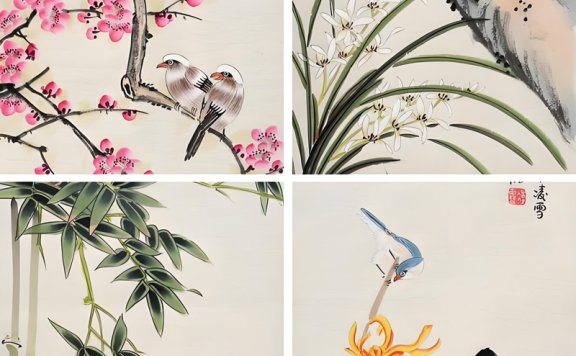
Mastering the Techniques of China’s 4 Gentlemen
In Chinese culture, the "Four Gentlemen" — plum blossom, orchid, bamboo, and chrysanthemum — are revered as emblems of moral integrity and spiritual ideals, embodying the virtues of resilience, elegance, perseverance, and purity. Known collectively as the "Four Gentlemen," they have long served as foundational subjects in Chinese literati painting and poetry, reflecting the Confucian and Daoist aspirations toward inner nobility and harmonious coexistence with nature. This artistic tradition, deeply rooted in symbolic expression, transcends mere representation to convey philosophical depth and personal character. Through evolving techniques and stylistic developments across dynasties, the depiction of these plants has become a refined language of the spirit, capturing both the tangible beauty and intangible essence of these enduring natural symbols. 1. The Unbroken Line of Ink Plum Blossoms 1.1 Echoes on Paper The journey of monochrome plum blossom painting began centuries ago. Records trace its emergence to the Northern and Southern Dynasties, flourishing notably in the Northern Song era. Monk Zhongren pioneered this form, abandoning colour entirely. He found inspiration in moonlight casting a plum's shadow onto paper, capturing its essence solely through ink's subtle shades and washes. His vision sparked a tradition. Yang Buzhi (杨补之) followed, refining Zhongren's (仲仁) technique. He… -
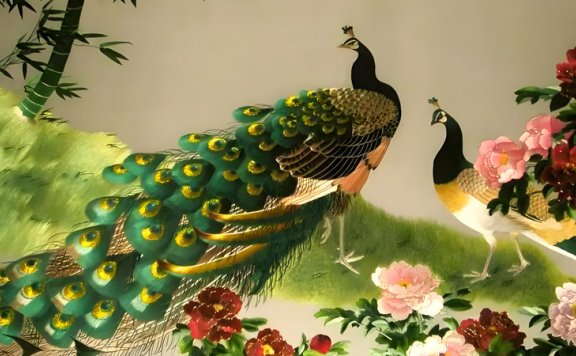
Dynastic Development of China’s Ancient Embroidery Craft
China, recognized as the birthplace of silk, boasts the earliest invention of sericulture, silk reeling, and weaving in human history. Chinese silk textiles and embroidery, born from exquisite craftsmanship and continuous technical innovation, represent an integral part of the nation’s cultural heritage. For millennia, Chinese embroidery has been distinguished by its long history, sophisticated techniques, stunning variety, and exceptional artistry, maintaining a unique aesthetic appeal and technical supremacy across centuries. Known as “needle embroidery” or “flower embroidery,” this art form employs colored threads of varying thicknesses stitched into fabric to depict figures, flora, fauna, and landscapes, producing distinctive decorative effects. Unconstrained by the limitations of weaving, embroidery allows fluid and vivid compositions. With its capacity to render texture and three-dimensionality, it is sometimes regarded as “superior to painting,” rivaling the expressive power of ink and brush. 1. Zhou Dynasty In 1975, excavations at Rujiazhuang (茹家庄) in Baoji (宝鸡), revealed a silent whisper from the Western Zhou dynasty. Inside two tombs, faint imprints on earth bore witness to humanity's earliest known encounter with embroidery. These traces, analyzed as patterns formed by the locked-stitch method, represent China's foundational needle technique. Two twisted threads meticulously formed large, regular designs, likely swirling thunder-cloud motifs.… -
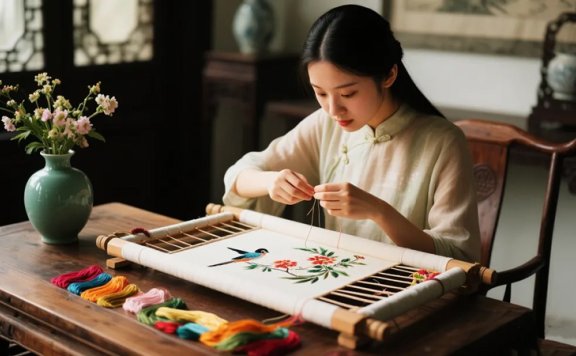
The Unseen Labor Behind Su Embroidery’s Luxury
When you see the price tag on a piece of Su embroidery, it's natural to wonder why intricate stitching on fabric commands such value. The answer lies not in the visible threads, but in the invisible realms of time, skill, and profound dedication woven into every square inch. This ancient craft transcends mere decoration; it represents centuries of accumulated wisdom passed down through generations of artists whose hands translate fleeting thoughts into enduring silk. The Alchemy of Thread and Time Silk-splitting defies imagination. Finer than a human hair, premium silk threads are painstakingly divided into 1/16, 1/32, or even 1/64 strands. This delicate process demands absolute focus – a momentary lapse means starting over. Handling such fragile material requires eyesight sharp enough to count dust motes and hands steady as mountain stones. Time becomes tangible in Su embroidery. A single panel can consume months or years. Embroiderers transform into living statues, bent over wooden frames for endless hours. Their world shrinks to the rhythmic dance of needle and thread, repeated thousands of times daily. Backaches, calloused fingers, and strained eyes are silent partners in this creation. This relentless physical endurance forms the foundation of the craft’s cost – a testament… -
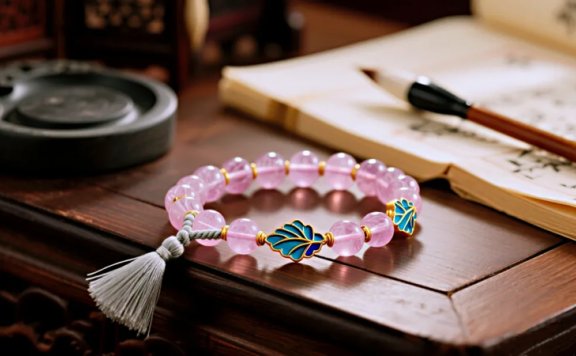
How Pink Crystal and Cloisonne Redefine Fashion
Have you ever wondered if a delicate pink crystal and vibrant Cloisonne could spark a fashion revolution on your wrist? Imagine the soft allure of Pink Crystal meeting the rich heritage of Cloisonne, creating a blend that's both timeless and trendy. This pairing isn't just jewelry—it's a statement of elegance and innovation. Whether you're a young enthusiast or a lover of classic styles, combining these elements adds a unique flair to any outfit. Forget the ordinary; embrace this dynamic duo to transform your daily accessories into conversation starters. It's all about balancing sweetness with sophistication, making every glance at your wrist a moment of pure delight. Elegant Fusion The charm of Pink Crystal lies in its gentle, translucent hue that radiates innocence and warmth. When worn as a bracelet or necklace, it instantly softens your look, evoking a sense of youthful grace. Many find it irresistible, especially those drawn to subtle, feminine aesthetics. Its simplicity makes it versatile, perfect for everyday wear without overwhelming your style. In contrast, Cloisonne brings a burst of bold colors—deep blues, vivid greens, and festive reds—often accented with fine gold wires. This ancient craft exudes a regal air, reminiscent of historical opulence and cultural richness.… -
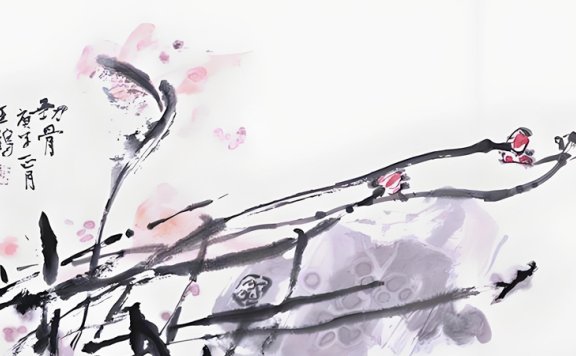
How Absence Amplifies Meaning in Chinese Painting
Every artist faces the same dilemma: what to include and what to exclude. This choice defines a work's power. In Chinese painting, this deliberate selection—known as "qu she" (取舍)—isn't just technique; it's philosophy. It transforms clutter into clarity and noise into meaning. Master painters wield omission like a brushstroke, understanding that absence speaks louder than crowded details. The empty space isn't vacant—it's charged with intention. Let's explore how less becomes profoundly more. Silence Speaks Volumes Liang Kai's (梁楷) The Portrait of the Poet Bai Ge (太白行吟图) strips everything nonessential. No background. No context. Just the poet mid-stride, sleeves flowing. This radical minimalism forces viewers to confront Li Bai's essence—his defiant spirit and untethered imagination . Adding mountains or taverns would dilute the focus. The void becomes the very air he breathes, the boundless space where his verses take flight. Here, omission isn't loss; it's amplification. Similarly, Qi Baishi’s (齐白石) Shan Ju Cui Zhu Tu (山居翠竹图) presents a puzzle: a house titled "Mountain Dwelling" with no dwellers in sight. Instead, two chickens scratch near a bamboo grove . Removing people wasn't negligence—it was genius. Their absence invites us into the scene. We hear imagined rustles, feel the stillness. Had figures appeared,… -
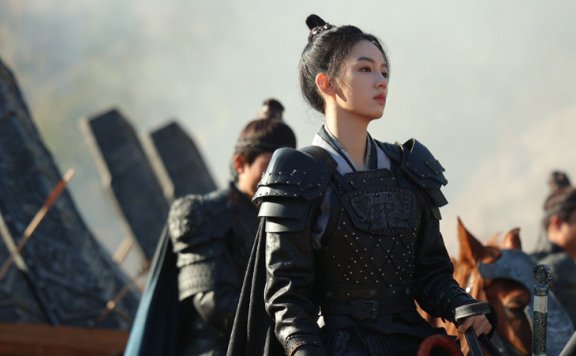
Legend of The Female General Forges Its Own Path
Summer is for costume dramas. They’re a crowd-pleaser, offering something for everyone. The genre is a sprawling universe of its own, constantly delivering fresh hits. From the political intrigue of Joy of Life (庆余年) to the refined elegance of Dream of Splendor (梦华录)—this shows masterfully weave together romance, Xianxia, suspense, and palace scheming. This year is no exception. We’ve already seen breakout hits like A Dream of Majesty (书卷一梦) and The Immortal Ascension (凡人修仙传). And just as the latter continues its successful run, a new 36-episode contender has suddenly arrived: Legend of The Female General (锦月如歌). With a compelling plot and a cast that’s perfectly aligned with current tastes, this show is poised to be a serious competitor. The Vengeance Plot Legend of The Female General is adapted from the hugely popular novel Rebirth of the Female General Star (重生之女将星) by Qian Shan Chake (千山茶客). It tells the story of He Yan (played by Zhou Ye), the eldest daughter of the He family. To preserve her family's status, she spent years impersonating her brother, He Rufei. But upon returning home, she was betrayed and nearly killed. Surviving the attempt on her life, He Yan disguises herself as a man to enlist… -
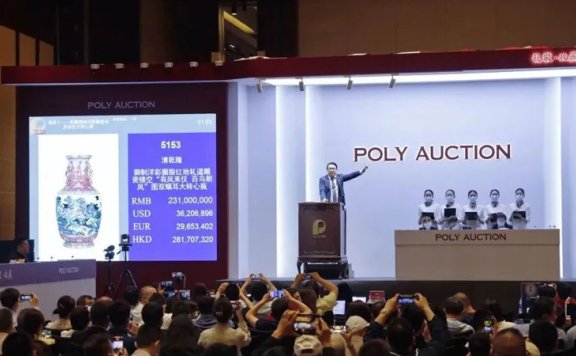
The Billion-Dollar Code: Decoding the Qianlong Yangcai Phenomenon
In the hushed, high-stakes auction rooms of Hong Kong and Beijing, a specific type of artifact consistently commands breathless attention and record-shattering bids. The names are poetic—a "Gourd Vase with 'Longevity' Design," a "Revolving Vase with Dragons," and a "Phoenix and Hundred Birds Vase." The prices are astronomical, soaring past hundreds of millions. The common thread weaving through these sales isn't just the Qianlong era; it's a specific, dazzling technical achievement: Yangcai (洋彩), or "foreign colors." This isn't just porcelain. It's a story of imperial ambition, a virtuoso craftsman, and a unique moment of East-West fusion, frozen in glaze and fired to perfection. So, what is the secret code that makes Qianlong (乾隆) Yangcai the undisputed emperor of the auction world? The Master & The Monarch: A Partnership For The Ages The story of Yangcai is inextricably linked to two men: the Qianlong Emperor, one of China's most powerful and artistically ambitious rulers, and Tang Ying (唐英), his genius Superintendent of Pottery. Tang Ying wasn't just a bureaucrat; he was a visionary artist and technologist. Stationed at the imperial kilns in Jingdezhen (景德镇), he personally oversaw the creation of the emperor's wares. Under constant pressure to innovate and impress, Tang… -
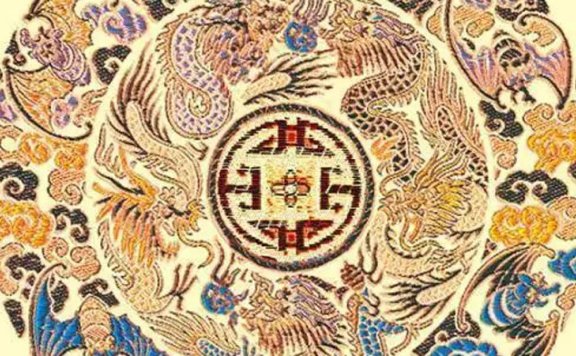
Stitches Through Time: How Chinese Embroidery Really Developed
When a beautifully preserved embroidery piece appears on cultural programming, it does more than showcase visual splendor—it opens a window into one of China's most enduring art forms. While modern viewers marvel at the technical mastery, the true story of Chinese embroidery reveals a history far more complex and fascinating than most realize, characterized by unexpected turns, technical revolutions, and constant evolution. A Non-Linear Path of Development The common assumption that embroidery developed in a straight line from simple to complex misses the remarkable twists in its historical journey. The earliest beginnings trace back to prehistoric times when bone needles joined animal hides—functional stitching that would eventually evolve into decorative expression. By the Shang and Zhou dynasties, embroidery had emerged as a recognized craft, although it was still in its developmental stages. The real breakthrough came during the Warring States period with the invention of chain stitch, a technique that created flowing, interconnected lines that brought dramatic new life to textile designs. The magnificent embroideries discovered at the Mashan No. 1 Chu Tomb in Hubei, featuring paired phoenixes and dragons, demonstrate how this period established embroidery as a medium for sophisticated artistic expression. The Tang Dynasty witnessed another leap forward… -
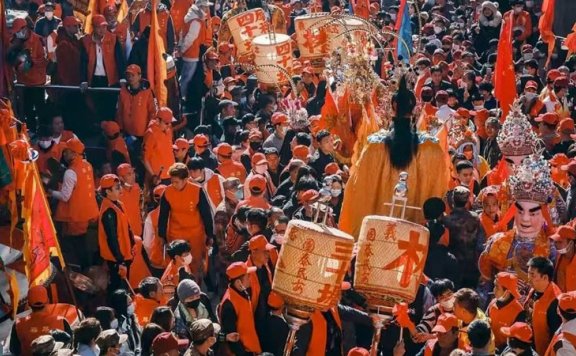
Gods Among Us: The Living Spirit of Fujian's Processions
If you find yourself in a village in Fujian or Guangdong during the Lunar New Year and see a vibrant, thunderous procession of dancing figures, towering deities, and ecstatic crowds, you’ve witnessed Youshen (游神). Often translated as ‘god procession,’ this is not a historical reenactment or a performance for tourists. Youshen is a profound tradition that embodies local faith and community spirit, where deities literally emerge from their temples to walk among their people. The Heart of the Parade: Ritual and Community At its core, Youshen is an act of reciprocal care. It’s based on a simple, powerful idea: the gods protect the people, so the people must honor the gods. This isn’t a somber, quiet ceremony. It’s a joyous, cacophonous celebration that blurs the line between the divine and the mortal. The process begins when statues of deities are carefully taken from their altars and placed atop ornate, decorated palanquins. These aren’t just any gods; they are deeply local figures. Alongside more widely recognized deities like the Great Emperor Huaguang (华光) or the Goddess Chen Jinggu (陈景谷), villages often have their patron gods and their fascinating entourages—figures like the playful ‘Child Brother’ or the imposing, tall generals known as… -
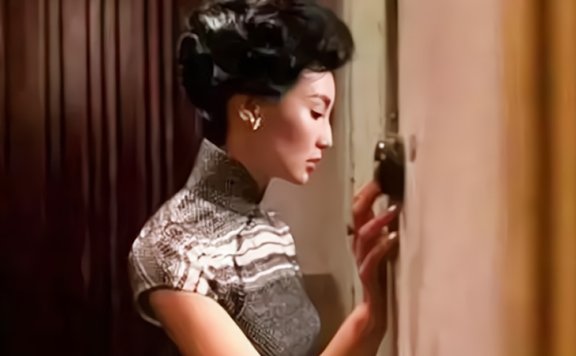
Beyond the Silhouette: Decoding the Qipao’s Timeless Appeal
Walking into the world of Qipao can feel like stepping into a beautiful, but slightly overwhelming, art gallery. You know you're looking at something special, but where do you even begin? As someone who's navigated this myself, I can tell you that finding your perfect Qipao isn't about following strict rules—it's about understanding three core elements that transform it from a costume into your dress. Forget complex historical deep dives; let's talk fabric, cut, and design like you're shopping with a knowledgeable friend. Pick Your Fabric Wisely This is the most important decision you'll make. The fabric doesn't just determine how the Qipao looks; it dictates how it feels to wear it all day. For everyday occasions, you want something breathable and low-maintenance. Cotton-linen blends or textured cotton twill are your best friends. They're comfortable, resist wrinkles, and have a casual, chic vibe. Picture a simple grey linen Qipao with subtle pearl buttons—perfect for a weekend brunch or exploring a city market. These natural fibers allow your skin to breathe, making them ideal for warmer climates or extended wear. The texture of these fabrics also adds depth and character to simpler designs, proving that elegance doesn't require formality. When the… -

An Autumnal Guide to Wellness According to TCM
As the relentless heat of summer finally begins to soften, we enter Chushu (处暑), the "End of Heat" solar term in the traditional East Asian calendar. For me, this isn’t just a date on a page; it’s a tangible, almost visceral shift in the environment. In the framework of Traditional Chinese Medicine (TCM), this period is a pivotal, gradual moment to align our daily habits with the season’s inherent energy—which is fundamentally about harnessing the "harvest" and consciously turning inward. This transition isn’t about a drastic life overhaul; it's about integrating subtle, intuitive tweaks to what we eat, how we rest, and how we move to feel genuinely balanced and resilient as the world changes around us. Working with the Autumn Air The most immediate change you’ll likely feel during Chushu is the rise in dryness, or what TCM calls Zao (燥) , or pathogenic dryness. This environmental shift can subtly yet significantly affect our respiratory and integumentary systems, often showing up as a scratchy throat, slightly tighter or flaky skin, a dry cough, or even a feeling of mild irritation. My first and most enjoyable line of defense is always in my kitchen. I consciously begin to swap out… -
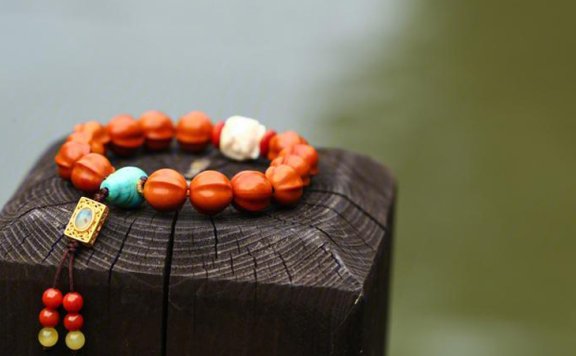
Can 10 Healing Artifacts Bridge Ancient Wisdom and Modern Wellness?
For centuries, people across Asia have carried small, polished objects in their palms, turning them over and over. Many see this as a calming habit or a connection to tradition. But beneath the smooth surfaces of these cherished beads and carvings lies a hidden truth: they are tiny vaults of ancient medicine. These aren't just ornaments; they are concentrated nature, offering subtle wellness benefits that unfold with every touch. This practice transforms idle moments into sessions of natural healing, where the warmth of your hand activates the dormant virtues within wood, seed, and vine. Each rotation is a silent conversation with centuries of herbal wisdom, turning stress into serenity and touch into therapy. Agarwood: Fragrant Therapy First among these natural treasures stands Agarwood, revered as the diamond of the plant kingdom. Its extraordinary value, sometimes reaching staggering sums per gram, speaks to its rarity and profound significance. This precious substance forms within specific trees when they suffer injury, secreting a dark, aromatic resin that embeds within the wood itself. The resulting material carries an exquisite, complex scent profile – notes of sweet vanilla, cool mint, floral hints, or deep amber can emerge, varying with origin and tree species. Beyond its… -
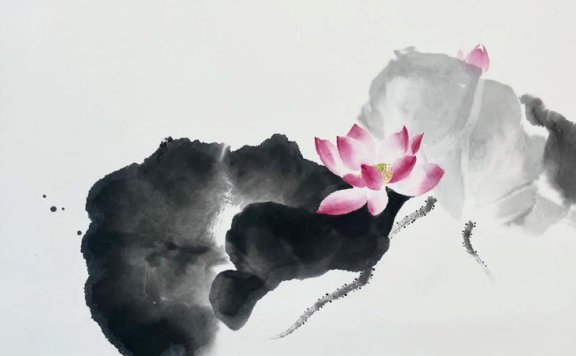
A Guide to Painting Lotus in Traditional Chinese Art
As an extension of the chrysanthemum painting technique—one of the Four Gentlemen in traditional Chinese ink wash painting—the lotus holds a significant place in floral and bird compositions. In method, the lotus blossom can be understood as an enlarged, multi-petaled version of the chrysanthemum’s core, while its leaves, though broader, are rendered through similar brushstroke techniques. This makes the lotus an excellent subject for practicing essential brushwork and ink wash skills, such as tonal variations, textural strokes, and compositional balance. Furthermore, its elegant form and cultural symbolism have established it as a recurring and cherished theme in classical and contemporary bird-and-flower paintings. Therefore, any serious study of this artistic genre would be incomplete without mastering the depiction of the lotus. 1. Decomposed Drawing of Lotus Structure 1.1 The Outlining Technique Outline Method begins at the petal tip. A single stroke flows left, another right – single outline complete. Three strokes form a spoon shape – complex outline. For half-open blooms, strokes converge tightly at the heart. 1.2 The Sketch-Fill Method White Lotus: Outline first three petals inward. Use complex outline for the fourth. Wash the seedpod in grass green. Touch petal bases with gamboge. Dab pale vermilion on upper petals.… -
How Ink and Brush Define China's Soul?
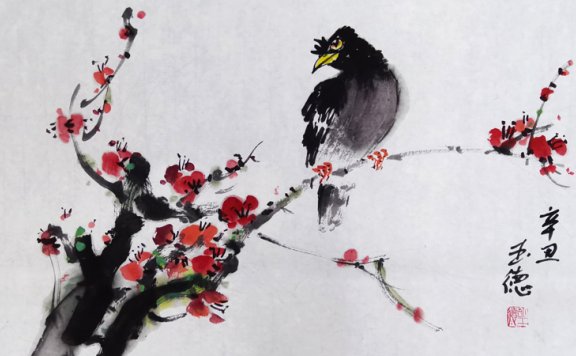
On the soft surface of Xuan paper (宣纸), a wolf-hair brush outlines the bones of mountains, while ink washes breathe life into rivers and clouds. Guohua (国画), honed over millennia, transcends mere visual art. It is a silent symphony of Eastern philosophy. When Northern Song master Fan Kuan (范宽) imprinted his signature "Raindrop Texture Strokes" onto Travelers Among Mountains and Streams (溪山行旅图), or when Yuan dynasty recluse Ni Zan (倪瓒) conjured vast, empty landscapes with minimalist strokes, they weren't just depicting scenery. They were probing the essence of heaven and earth itself. The beauty of Guohua lies in its profound artistic conception, a measured rhythm of ink and void, exploring the philosophical depth of harmony between man and nature. The Dance of Ink and Brush Guohua developed its language, a highly symbolic system built on brush and ink. Tang dynasty theorist Zhang Yanyuan (张彦远), in History of Famous Paintings across Dynasties (历代名画记), emphasized "Bone Method Brushwork", linking painting strokes to the disciplined energy of calligraphy. Southern Song painter Liang Kai (梁楷) embodied this in his The Splash-Ink Immortal (泼墨仙人图). Bold, sweeping strokes define the robe, echoing cursive script, proving the brush itself held intrinsic beauty – a concept of "writing"… -
How China's 4 Embroidery Styles Captured the World?
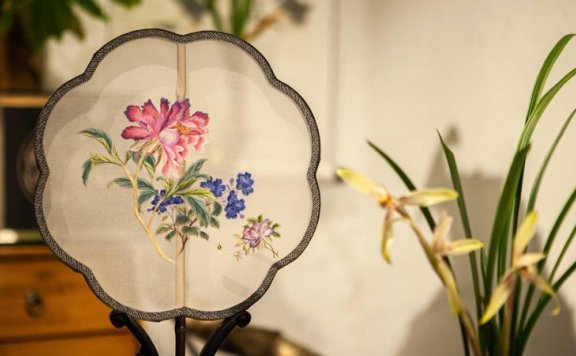
For over three millennia, Chinese embroidery has transformed simple thread into breathtaking art. Emerging during the Shang and Zhou dynasties, it initially served ritual purposes and marked social status. Its journey saw lockstitch mastery in the Qin and Han, absorbed painting aesthetics in the Tang and Song, and crystallized into four distinct, revered regional styles by the Ming and Qing: Su, Xiang, Yue, and Shu embroidery. More than decorative craft, this intricate artistry weaves together ceremonial tradition, feminine skill, and global exchange, embodying China's aesthetic spirit. Its enduring legacy earned it global recognition as an intangible cultural treasure. 1. Su: Double-Sided Elegance Hailing from Jiangsu, Su Embroidery embodies "finesse, delicacy, elegance, and purity." Its crown jewel is the astonishing double-sided technique, where identical images appear flawlessly on both fabric sides. Finesse demands microscopic precision, with stitches accurate within 0.01mm and subtle shifts across 200 silk hues. Delicacy is legendary: a single thread splits into 128 filaments, and a cat's eye requires 15 painstaking layers; its pupil comes alive with Shizhen (施针) creating light reflections. Elegance shines through Xuzhen (虚针), mimicking ink wash painting's ethereal beauty. Purity means perfection – no knots, skipped stitches, or stray ends mar the reverse. Mastering this… -
When Ink Berries Ripen: Huang Jiexin's Living Fruit Paintings
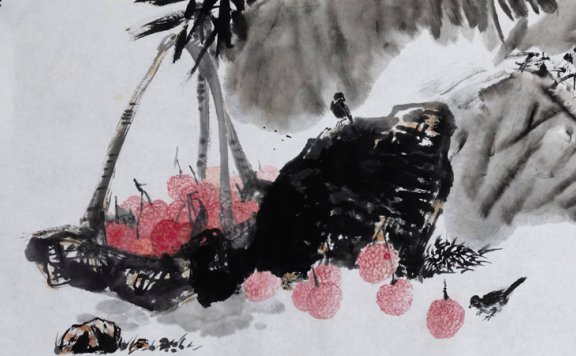
A single branch emerges on rice paper, heavy with lychees glowing like rubies veiled in morning mist. Ink swirls and crimson bleeds, not merely depicting fruit but capturing the humid breath of southern orchards. Artist Huang Jiexin (黄杰信) wields his brush not as a tool, but as an extension of nature itself. His paintings transcend mere representation; they are silent poems where dewdrops cling to imagined skin and bird songs seem to rustle the painted leaves. Each stroke whispers of seasons turning, of life condensed onto paper through the profound simplicity of ink and water. This is an invitation to witness nature's fleeting moments, immortalized through a master's touch that makes silence audible and stillness vibrate with life. Lychee See how the lychees cluster, their forms born from washes of vermilion and carmine. Huang Jiexin avoids rigid outlines. Instead, he lets diluted ink pool and spread, naturally defining the fruit's bumpy texture. A touch of cinnabar at the tip suggests moisture, as if each berry was plucked moments ago, still cool from the dawn. The leaves are broad declarations of green – applied with bold, wet strokes of ink. Veins aren't drawn; they emerge where darker pigment meets lighter, a…