Television screens glow with a particular kind of magic when a performer truly belongs in the past. The Gu Zhuang Ju (古装剧) hinges not just on ornate costumes, but on actors who wear history with innate grace. They move with a learned poise, their presence feeling both authentic and elevated, turning each scene into a living portrait.
From the restrained intensity of one star in The Promise of Chang'an (长安诺) to the gentle resilience another brings to One and Only (周生如故), these artists do more than recite lines. They build worlds. Their performances bridge centuries, making ancient struggles and joys feel immediate, reminding viewers why these stories endure.

Luo Yunxi (罗云熙)
For actor Luo Yunxi, the historical role is an exercise in physical poetry. His presence is often described as possessing an otherworldly grace, a quality that turns costume into second skin and movement into narrative. This is not mere posture, but a complete fusion of actor and archetype, where every gesture carries intention.
His performance in the series Whispers of Fate (水龙吟) marked a shift. Here, the elegant immortal was replaced by the grounded resolve of a Wuxia hero. He performed demanding fight sequences under arduous conditions, believing physical authenticity fuels emotional truth. This commitment moved him beyond ethereal beauty into the realm of visceral believability.
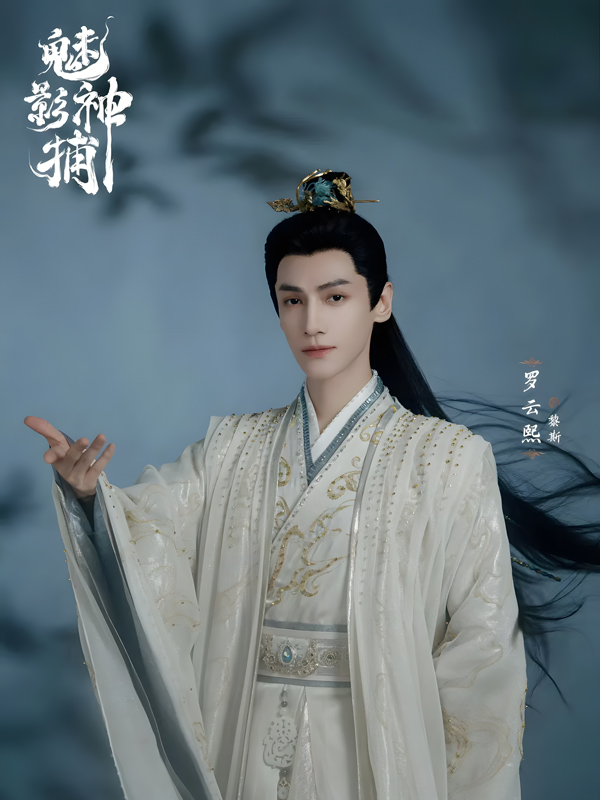
His range is proven through contrast. He could be the gentle, mournful Runyu (润玉) in Ashes of Love (香蜜沉沉烬如霜), or channel a silent, terrifying authority as the demon sovereign in Till the End of the Moon (长月烬明). In the upcoming Mei Ying Shen Bu (魅影神捕), a bronze mask and official's robes suggest a new facet: mysterious authority. He is refining a personal language for historical performance.

Hou Minghao (侯明昊)
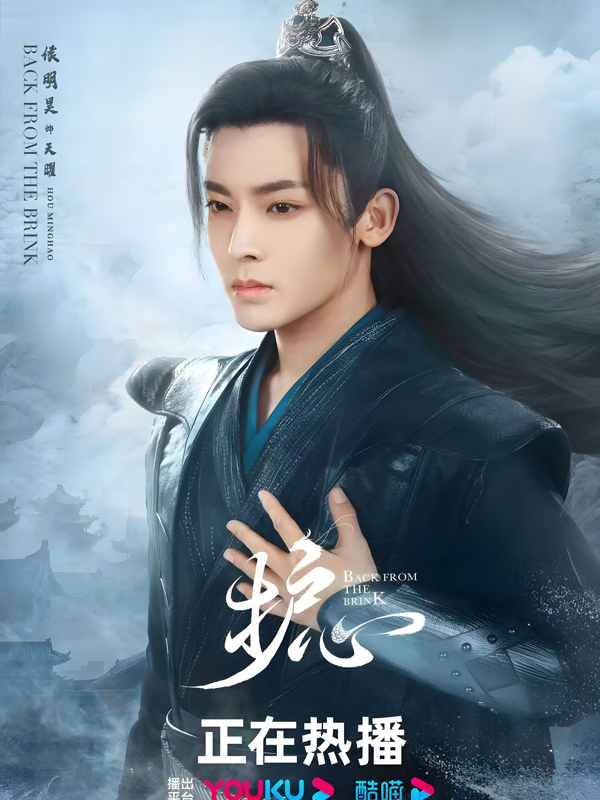
Hou Minghao represents a different ideal: the genuine youthful spirit. His appeal lies in a natural, unforced vitality that fits scholarly youths and burgeoning heroes alike. This avoids any hint of affectation, feeling organic rather than performed.
His skill is in mapping a character's growth. In Back From The Brink (护心), he traced a dragon lord's journey from vulnerability to power. In Dashing Youth (少年白马醉春风), he captured a pampered young master's transformation into a seasoned martial artist, blending naivety with rising courage.
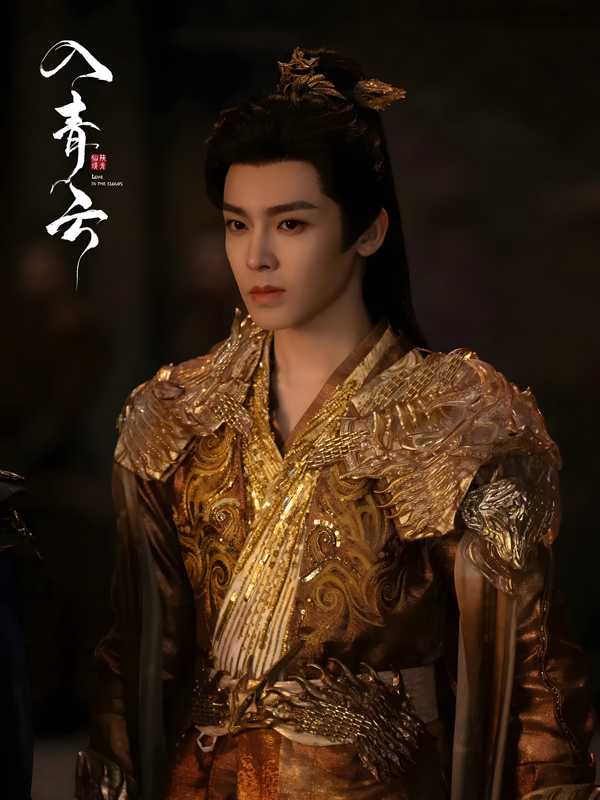
The series Love in the Clouds (入青云) showcased a grittier dimension. Playing a condemned fighter, he balanced a broken interior with a fierce exterior, revealing resilience beneath a defiant facade. The role contributed to his notable record of leading series to high popularity metrics. With future projects like Glory (玉茗茶骨), he continues to explore diverse personas within the genre, building recognition steadily through his work.

Ren Jialun (任嘉伦)
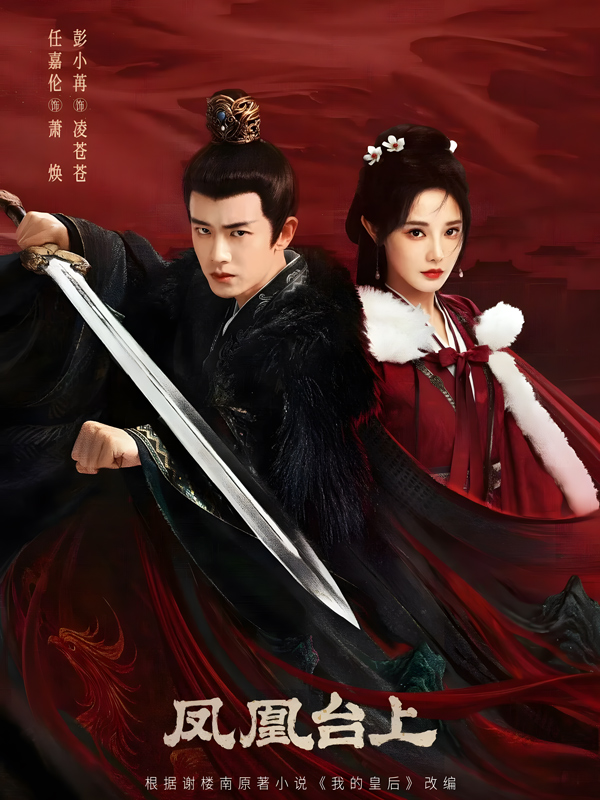
Where some captivate with movement or spirit, Ren Jialun masters the power of stillness. His strength is a commanding, innate nobility that makes him seem born to wear imperial robes, as seen in his recent role as Xiao Yu (萧煜) in Love & Crown (凤凰台上). He possesses a rare quality of feeling inherently suited to the ancient world he portrays.
His performances are studies in restrained communication. As Lu Yi (陆绎) in Under the Power (锦衣之下), a single glance could convey cold calculation or hidden tenderness. In the tragic One and Only, his portrayal of General Zhou Shengcheng (周生辰) was defined by profound restraint. Heartbreak was communicated through subtle shifts in expression, not dialogue, creating a deeply moving experience.
His consistent success in projects like The Blue Whisper (与君初相识) and Love of Nirvana (流水迢迢) is built on this foundation of meticulous character work. He focuses on the granular details of each role, building a reputation not on celebrity, but on credible embodiment. This approach solidifies his position as a mainstay of the genre.

Ding Yuxi (丁禹兮)
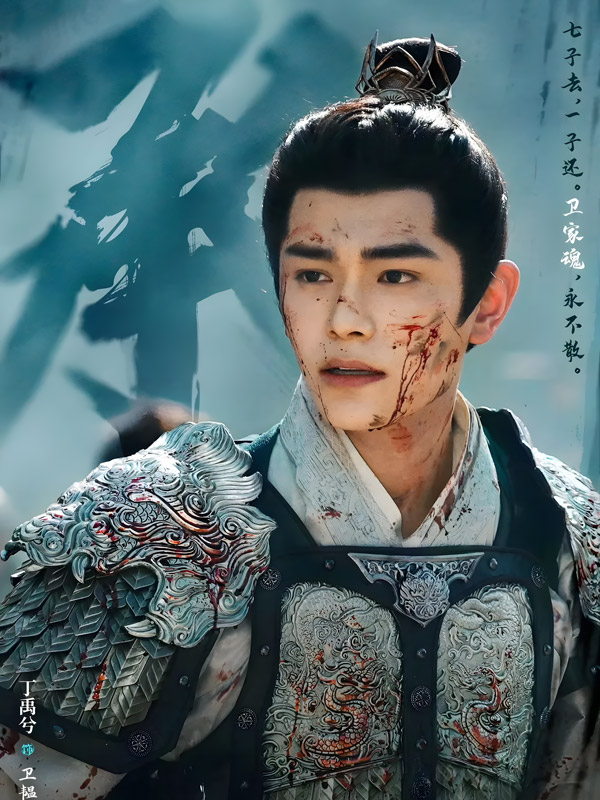
Ding Yuxi possesses a versatility that makes him a director's asset. Rather than relying on stereotypical handsomeness, he offers a compelling adaptability. His features seamlessly support a wide range of archetypes—the scholar in white, the warrior in blood-stained armor, the nobleman in crimson robes riding a horse. Each image feels distinct and authentic, leading audiences to call him the perfect "novel-cover male lead."
His strength lies in meticulous detail. He conveys complex internal states through slight shifts in gaze, subtle facial movements, and precise physicality. In a scene from Fight for Love (山河枕), a multi-layered crying sequence as his character escorts a funeral procession home was particularly impactful, noted for its raw and graduated emotion. This attention to minute expression is the foundation of his craft.
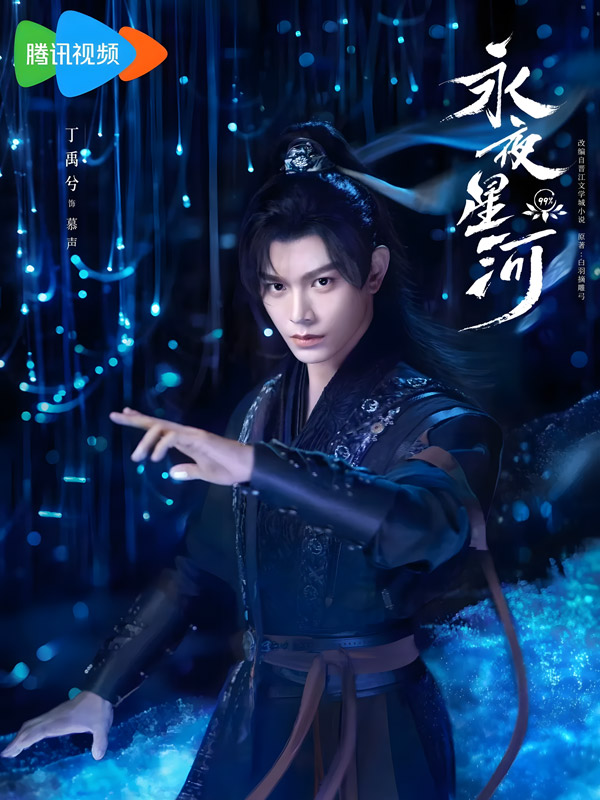
From the morally complex Mu Sheng (慕声) in Love Game in Eastern Fantasy (永夜星河) to a restrained general, or from a physically frail family head to a sensitive stand-in character, he approaches each role as a blank slate. This extends to his earlier work, like the shrewd prince who transforms into a devoted protector in The Romance of Tiger and Rose (传闻中的陈芊芊). He earns the label "one drama, one new face," proving his skill lies in complete immersion, not mere repetition.

Yang Yang (杨洋)
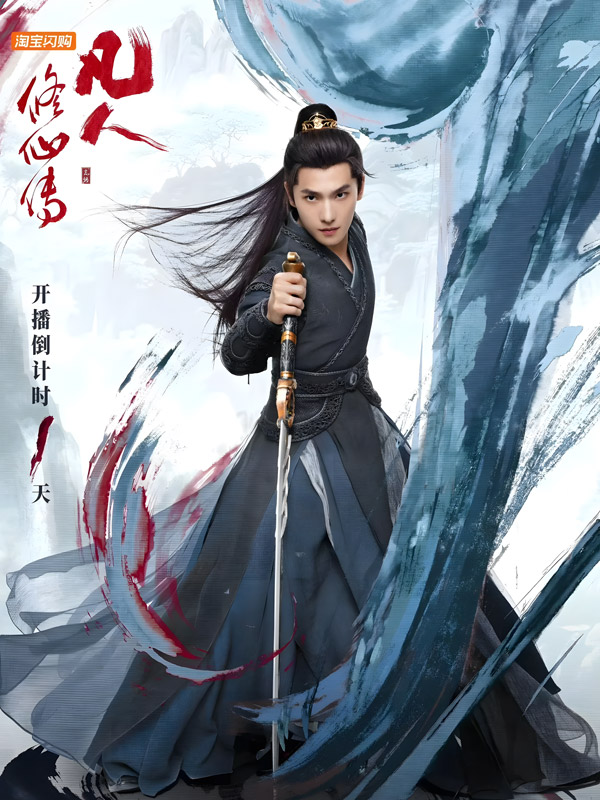
When discussing classical elegance, Yang Yang is frequently cited. His features are sharp and pronounced—often described as the pinnacle of "opulent beauty"—with a tall nose, defined brows, and eyes that naturally convey integrity. His stature and posture lend an innate nobility to historical costumes, particularly white garments that evoke the poetic ideal of the flawless gentleman from ancient literature.
In the recent The Immortal Ascension (凡人修仙传), he played Han Li (韩立). He balanced the character's initial worldly demeanor with a later transcendent grace, creating a palpable contrast between the cunning "Han Old Devil" and the ethereal "Han Immortal Venerable." His performance captured both the character's growth and the otherworldly quality central to Xianxia narratives.
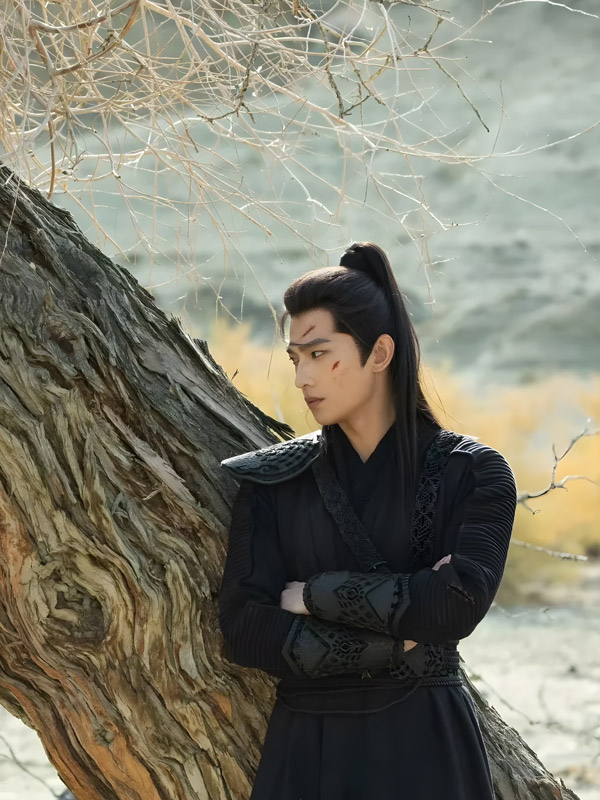
His physical discipline is another asset. Action sequences appear fluid and effortless, his bearing consistently poised. This makes him a natural fit for roles demanding martial prowess and dignified grace, as seen in Feng Lanxi (丰兰息) from Who Rules the World (且试天下). Another role, the passionate warrior Zhan Zhao (展昭) in Zhan Zhao Adventures (雨霖铃), with its iconic red costume and battle-worn intensity, further cemented his status. Viewers praise his ability to embody masculine heroism without affectation, offering a refreshing contrast in the genre.

Gong Jun (龚俊)
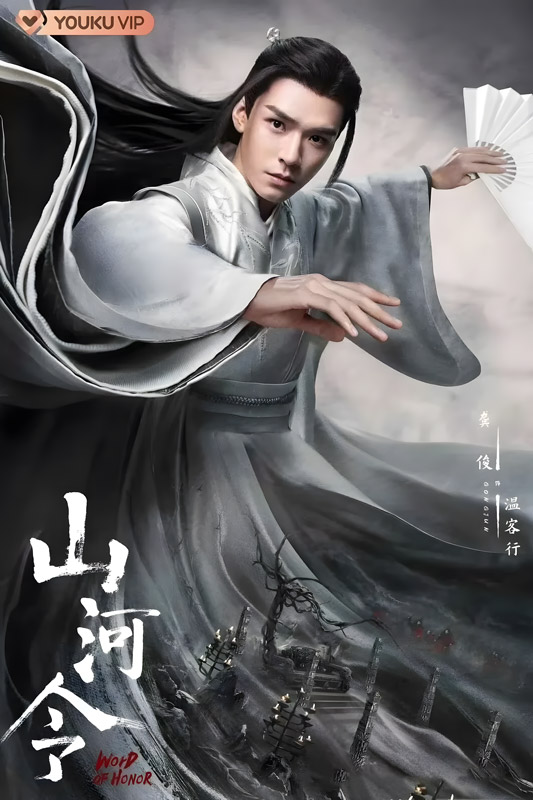
Gong Jun rose to prominence with the role of Wen Kexing (温客行) in Word of Honor (山河令). He represents a different facet of "opulent beauty," with deeply set features and a pair of eyes that can shift from charming to piercing. His visual impact is versatile: dazzling but not gaudy in red, effortlessly elegant in white, capturing the essence of a carefree yet capable hero from legend.
His breakthrough role was a study in duality. He portrayed Wen Kexing's early persona—a volatile, dangerous beauty—and his later evolution into a devoted protector with equal conviction. This role showcased his range and propelled him to widespread recognition. He didn't just play a part; he navigated its profound emotional journey, making the character's extremes believable and connected.
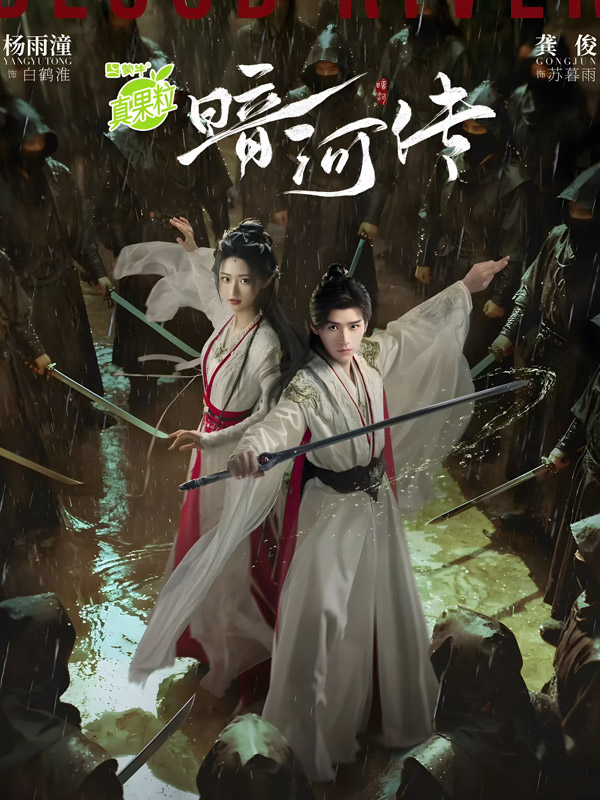
This skill in layering characters continues. In Fox Spirit Matchmaker: Red-Moon Pact (狐妖小红娘月红篇), he depicts Dongfang Yuechu's (东方月初) lively devotion and heartfelt sorrow with delicate progression. As the cool-headed assassin Su Muyu (苏暮雨) in Blood River (暗河传), he balances menace with hidden loyalty, his eyes telling a story as vivid as his smooth combat moves. Anticipation surrounds his upcoming role in Blade of Vengeance (白衣公卿), where a high ponytail and traditional silhouette suggest a perfect fusion of actor and archetype, like a figure stepped out of an ancient painting.

Deng Wei (邓为)
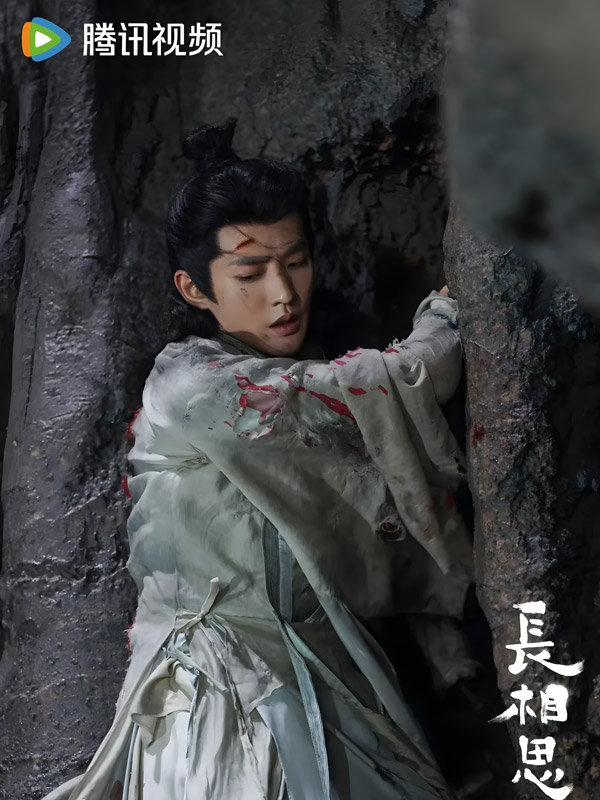
Deng Wei has rapidly become synonymous with a certain refined, multilayered aesthetic in historical drama. His presence captures a classical ideal—elegant, slightly melancholic, and containing hidden depths. In Lost You Forever (长相思), his dual role offered a perfect showcase. As the gentle noble Tu Shanjing (涂山璟), he exuded a warm, steady luminosity. As the traumatized Ye Shiqi (叶十七), that light was dimmed to a fragile flicker, communicated through hesitant movements and a wary gaze. The contrast highlighted his skill in portraying both dignity and vulnerability within the same character arc.
He excels at portraying what audiences term a "broken" quality—a sense of beautiful ruin layered with quiet strength. This extends to characters with darker, more obsessive edges, adding a "unrestrained" complexity to the traditional graceful archetype. His performance in Love of the Divine Tree (仙台有树) as Su Yishui (苏易水) weaves together these threads of damage, fierceness, and beauty into a compelling whole. It is a portrayal that acknowledges pain without being defined by it, suggesting resilience beneath the surface.
His upcoming role in The Legend of Rosy Clouds (云秀行) as Lou Qiyan (楼启炎) promises to further explore this territory of the "beautiful, strong, and tragic." His trajectory points toward a mastery of roles that are visually archetypal yet psychologically intricate. He embodies the romantic and tragic ideals of the genre, proving that potent drama can lie in stillness, a glancing look, or the subtle shift from a gentle smile to an expression of profound sorrow.

Cheng Yi (成毅)
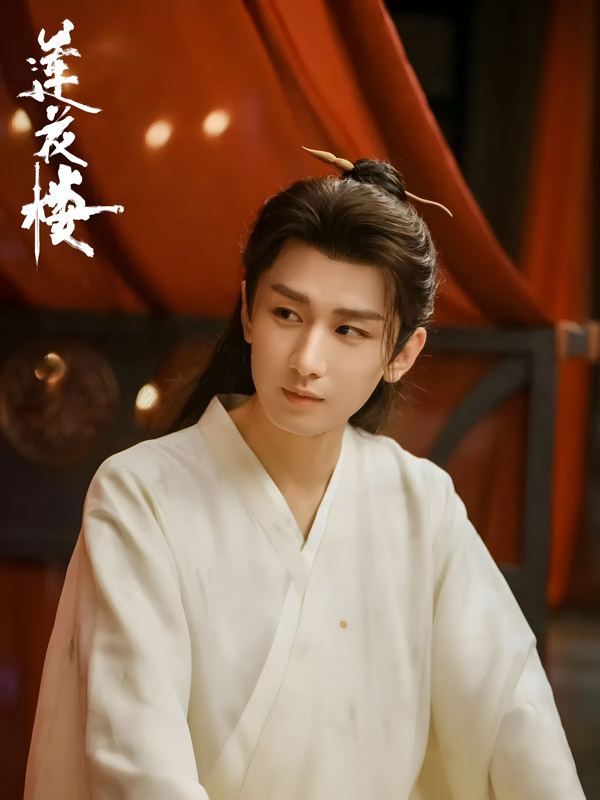
Cheng Yi engages with historical drama through a deeply physical and emotionally unreserved language. His roles are often journeys through suffering, resilience, and redemption, conveyed with a visceral intensity that connects directly with audiences. In Love and Redemption (琉璃), his portrayal of Yu Sifeng (禹司凤) through ten lifetimes of torment established a blueprint for conveying "broken" beauty—a vulnerability that never collapses into weakness. His capacity to endure heartbreak on screen feels infinite, each tear carrying a specific history of pain.
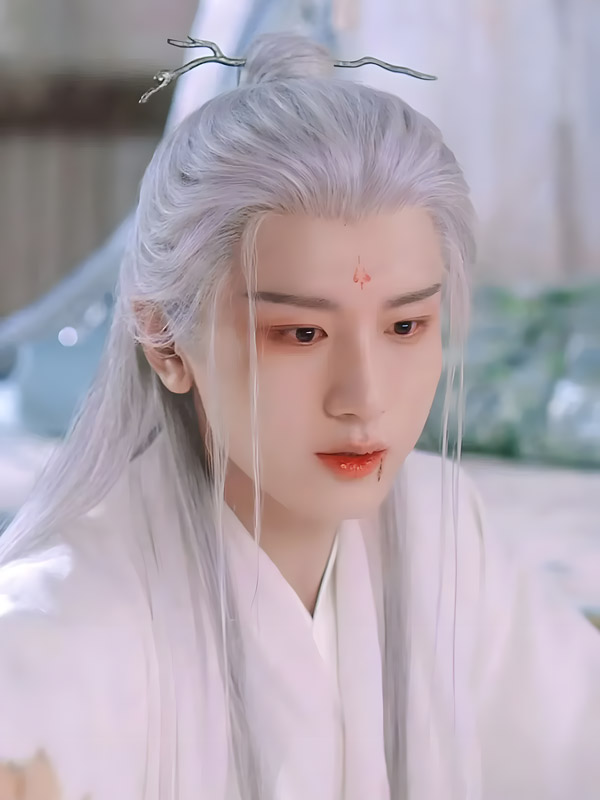
This physical commitment defines his action style. His fight choreography is notable for its clean, powerful lines and narrative clarity, whether as a righteous emperor, a demon sovereign, or a wandering physician in the acclaimed Mysterious Lotus Casebook (莲花楼). As Li Lianhua (李莲花) in that series, he expertly balanced the character's fading health with a sharp, undimmed spirit. The performance married "illness-tinged beauty" with worldly experience, creating a profoundly charismatic and poignant figure that drove the series to lasting popularity.
His willingness to fully inhabit extreme emotional and physical states sets him apart. Whether depicting the restrained anguish of a noble, the chaotic fury of a character wronged, or the quiet release of final acceptance, his emotional eruptions are carefully mapped and devastatingly executed. He treats the historical body as a site of both magnificent skill and profound fragility, making his performances captivating studies in contrast.

Tan Jianci (檀健次)
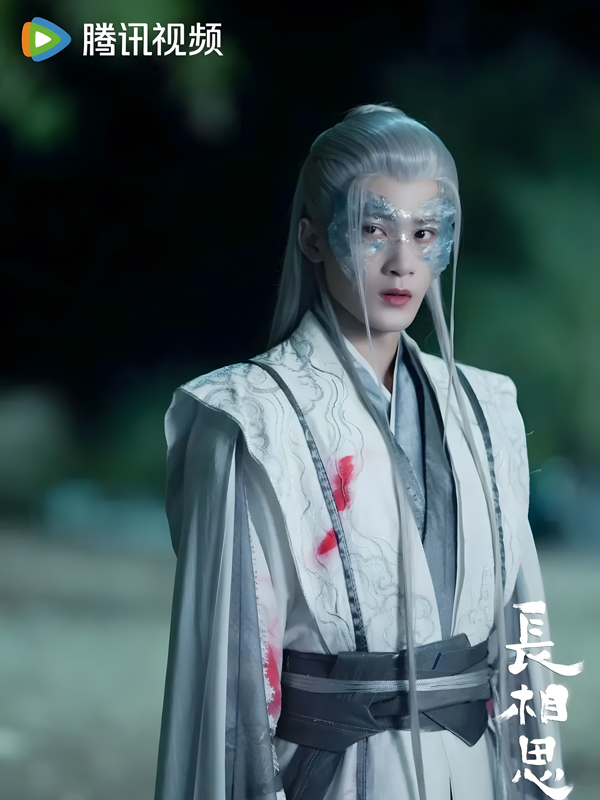
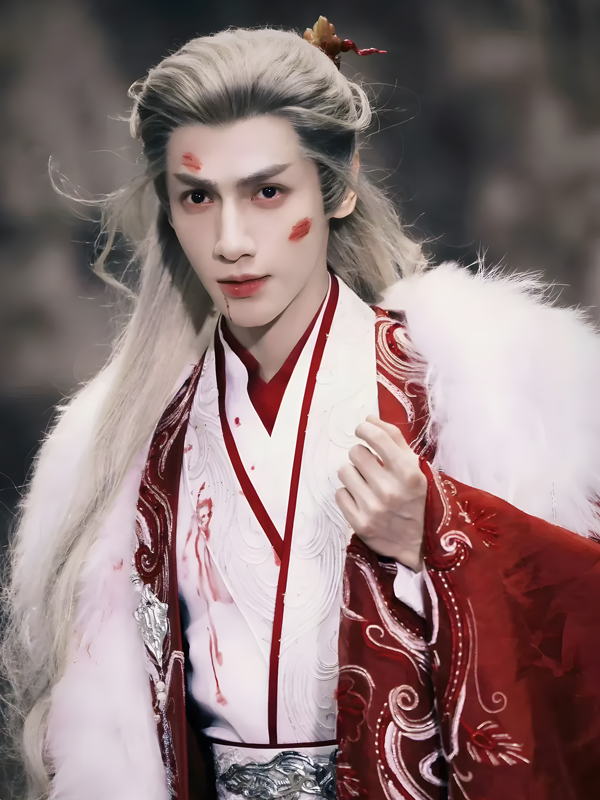
For Tan Jianci, character is an environment he builds around himself. His performance as Xiang Liu (相柳) in Lost You Forever (长相思) was a masterclass in atmospheric creation. With silver hair, snow-white robes, and piercing eyes, his appearance was a direct translation from literary fantasy to screen. Yet, it was his embodiment of the character's essence that truly captivated. He conveyed the ancient sea demon's alien majesty, his ruthless practicality as a military strategist, and the disguised yearning of his mortal alter ego, Fang Fengbei (防风邶防风邶), with seamless transitions. Each identity felt complete, distinct, and rooted in a core of tragic solitude.
His action sequences contributed to this aura. Movement was not just combat but expression—fluid, purposeful, and elegant, reflecting a being centuries old. The much-discussed moment of his character's fate was a testament to physical storytelling. Standing tall amidst chaos, his posture radiating defiance even as his white robes were stained, he conveyed epic tragedy primarily through his eyes. The scene was less about physical suffering and more about the solemn acceptance of destiny, leaving a lasting emotional imprint.
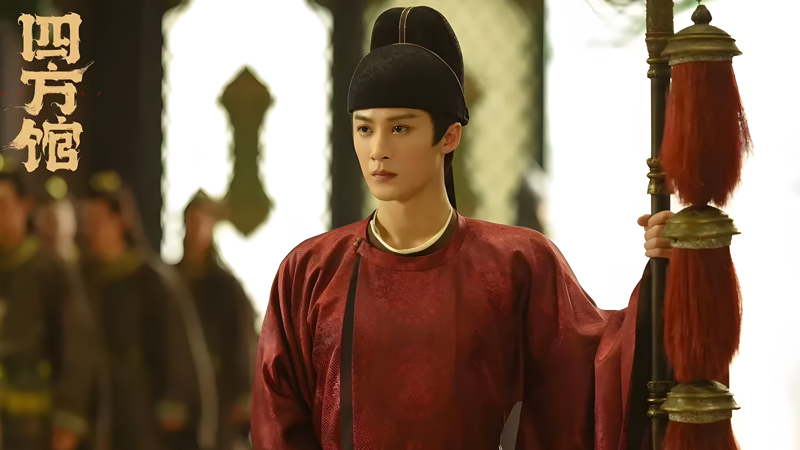
This chameleonic quality shines in contrast. In Go East (四方馆), he appears as Yuan Mo (元莫), shedding the otherworldly aura for a straightforward, youthful vitality. The stark difference from Xiang Liu showcases his range and his "face-changing" ability between projects. It underscores his approach: performance is about crafting a unique, immersive sensory world for each role, letting atmosphere tell as much of the story as dialogue.

Xiao Zhan (肖战)
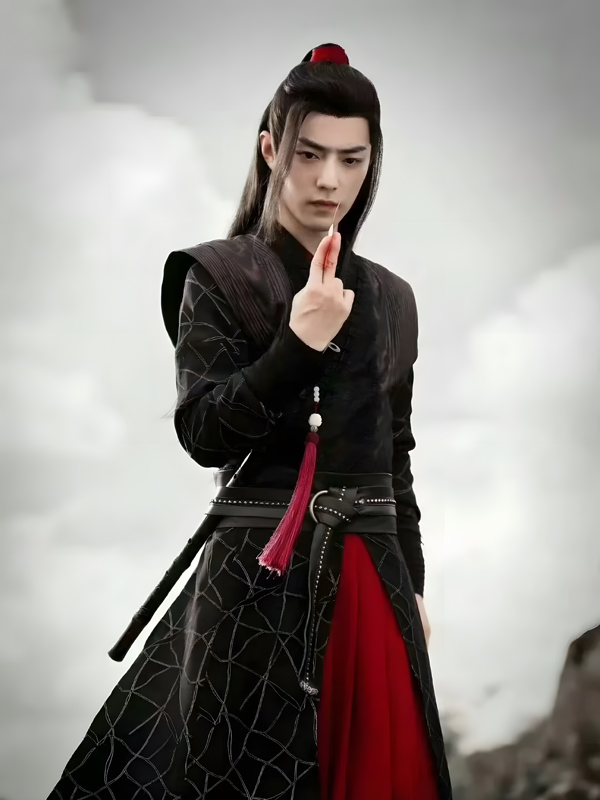
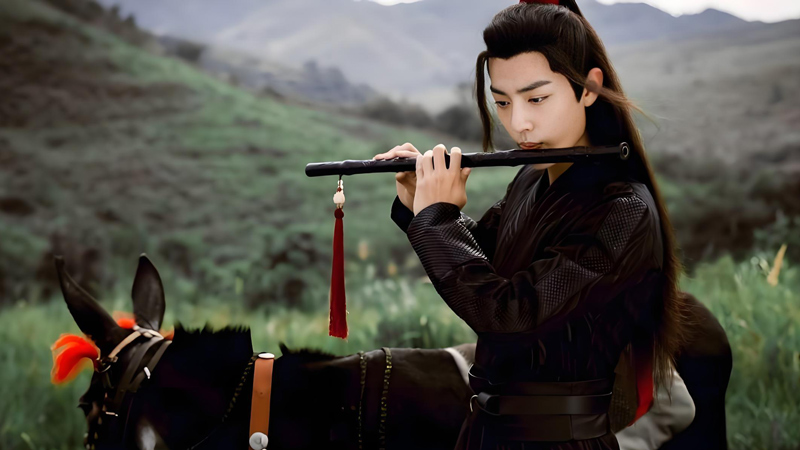
Xiao Zhan possesses a physicality that seems engineered for historical fantasy. His stature and features lend themselves to both the refined elegance of a noble and the rugged bearing of a warrior. This versatility forms the foundation upon which he constructs vastly different personas. In The Untamed (陈情令), his portrayal of Wei Wuxian (魏无羡) was a study in radical transformation. He began as a figure of unburdened brightness, his eyes sparkling with playful rebellion. The descent into the darker, more complex Yiling (夷陵) Patriarch was marked not by grand gestures, but by a chilling shift in his gaze, a new weight in his silence, making the character's journey visceral and believable.
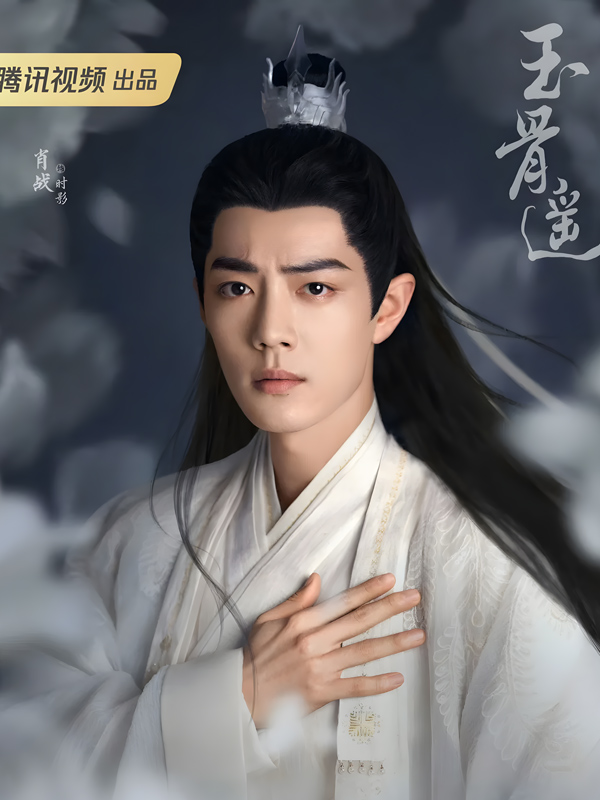
This ability to command narrative through subtlety reached new heights in The Longest Promise (玉骨遥). As Shi Ying (时影), his entrance—a slow descent from the sky in white robes—became an iconic moment of serene, otherworldly beauty. Stripped of heavy stylization, his performance relied on minute facial control and a restrained emotional palette to convey immense power and hidden vulnerability. A single look could hold centuries of feeling, proving that drama often resonates loudest in the quietest of expressions.
His ongoing work in projects like Legend of Zang Hai (藏海传) signals a deliberate pivot. Here, he delves into characters defined by political cunning and internal calculation, moving his craft into the realm of psychological subtlety. This evolution from charismatic youth to layered strategist highlights a career built not on static image, but on continuous, thoughtful reinvention within the historical frame.

Summary
Ten actors represent the vibrant lifeblood of the Guzhuang Ju genre. Through their distinct artistic languages—be it physical poetry, youthful spirit, commanding stillness, versatile adaptability, classical elegance, layered beauty, emotional physicality, atmospheric creation, or subtle reinvention—they do more than wear costumes and recite lines.
They breathe life into history and myth, constructing bridges of empathy that connect ancient hearts to modern sensibilities. Their dedication refines the craft of historical performance, ensuring that each new generation of stories is not merely told, but vividly, compellingly felt. As they continue to explore new archetypes and deeper psychological depths, they collectively uphold the enduring magic of the genre: its power to make the distant past resonate with timeless emotional truth.