As the relentless heat of summer finally begins to soften, we enter Chushu (处暑), the "End of Heat" solar term in the traditional East Asian calendar. For me, this isn’t just a date on a page; it’s a tangible, almost visceral shift in the environment. In the framework of Traditional Chinese Medicine (TCM), this period is a pivotal, gradual moment to align our daily habits with the season’s inherent energy—which is fundamentally about harnessing the "harvest" and consciously turning inward. This transition isn’t about a drastic life overhaul; it's about integrating subtle, intuitive tweaks to what we eat, how we rest, and how we move to feel genuinely balanced and resilient as the world changes around us.

Working with the Autumn Air
The most immediate change you’ll likely feel during Chushu is the rise in dryness, or what TCM calls Zao (燥) , or pathogenic dryness. This environmental shift can subtly yet significantly affect our respiratory and integumentary systems, often showing up as a scratchy throat, slightly tighter or flaky skin, a dry cough, or even a feeling of mild irritation.
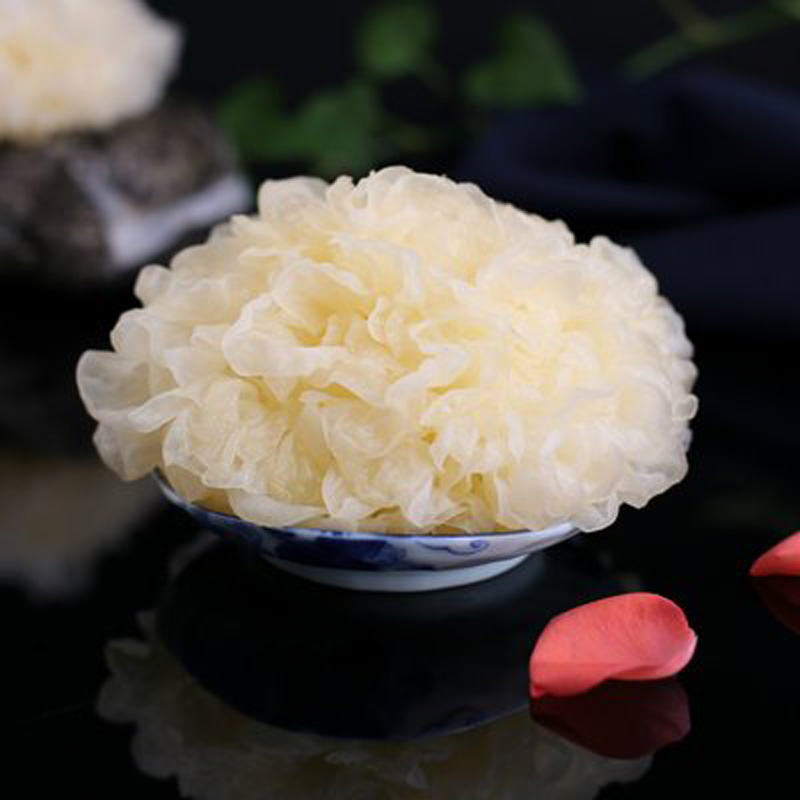
My first and most enjoyable line of defense is always in my kitchen. I consciously begin to swap out summer's cooling, raw foods like cold salads and smoothies for gently moistening and warming cooked dishes. This is the prime season for ripe pears (often gently steamed with a touch of honey to make them easier to digest and more lung-moistening), soft lily bulbs in soups, and simmering pots of silky silver ear fungus dessert soup. The classic TCM guiding principle for autumn is to "increase sour and reduce pungent." In practice, this means I actively lean into tart, astringent foods like hawthorn berries, grapes, or pomelos, which are traditionally thought to help the lungs gather and consolidate their energy. Conversely, I consciously go easier on excessively spicy and pungent foods (like heavy amounts of chili peppers, raw garlic, or ginger) that might cause the body to sweat and dissipate precious fluids.
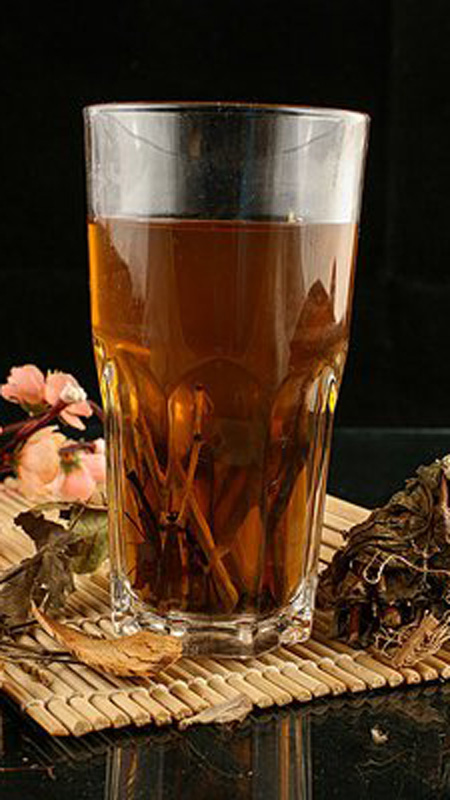
Beyond meal choices, it’s the small, consistent habits that build up. I might start my day by sipping slowly on a thermos of warm water steeped with a few chrysanthemum flowers and Maidong (麦冬) to maintain mucosal moisture and keep my throat feeling comfortable throughout the day. Using a humidifier in my bedroom at night is another simple, modern adaptation to counter the dry air. For skin dryness, I switch to a richer moisturizer and might even apply a light layer of sesame oil after a shower while my skin is still damp to lock in hydration, an old trick I learned.
The Rhythm of Rest and Emotional Calm
In TCM philosophy, autumn is intrinsically linked to the lungs (肺), which govern not just respiration but also our defensive Weiqi (胃气), which protects us from external pathogens. This is a season to conserve energy, not expend it recklessly. It’s a time for contemplation and gentle release, mirroring the trees letting go of their leaves.
For me, this season translates to being far more intentional about my daily schedule and emotional bandwidth. I actively aim to wind down earlier in the evening, perhaps choosing to read a physical book or journal instead of watching an intense or stimulating show. This processs supports the TCM idea of "converging and collecting the spirit," helping to prevent that slight melancholy or nostalgia that can sometimes accompany the shorter days and the symbolic "dying" of nature.
My sleep routine undergoes a natural shift too. The old adage, "Early to bed, early to rise," feels less like a rigid rule and more like a natural biological imperative during this time. It’s about syncing with the sun's rhythm—retiring as darkness falls and rising with the light—to help the body’s Yang energy begin its natural, inward turn, thereby conserving strength and building reserves for the deeper rest winter will demand.
Listening to Your Body's Needs
A classic TCM phrase for this transitional time of year is Chun Wu Qiu Dong (春捂秋冻)—which translates to "Bundle up in spring, freeze a little in autumn." The core idea is to avoid bundling up in heavy layers too quickly, allowing your body to gradually adapt to the steadily cooling temperatures and thereby strengthening its resilience.
The crucial nuance is to keep your core—specifically your abdomen, lower back, and the vulnerable nape of your neck—perfectly warm at all times, while your extremities like arms and legs can be allowed to acclimatize to the cooler air. I practically live in light layers—a cotton tank top under a cardigan, a light scarf I can easily wrap or remove, or a comfortable vest. This allows me to regulate my temperature perfectly throughout the day, avoiding any sudden chills that could let cold penetrate, which TCM considers a primary cause of illness.
This is also the time to be exceptionally kind and attentive to your digestive system, which TCM relates to the Earth element and the spleen and stomach organs. I almost entirely put away ice-cold drinks and instead sip on warm water, ginger tea, or mild herbal infusions throughout the day. I focus on consuming cooked, warm meals that are easy to break down, like congees, stews, and roasted vegetables. If I feel any bloating, sluggishness, or lack of appetite—common signs of a sluggish digestive Qi—a few minutes of gentle clockwise abdominal massage or applying firm, steady pressure to the Zusanli (足三里) point, located four finger-widths below the kneecap on the outer leg, is a simple and effective way to soothe and invigorate my stomach function.
The true, simple heart of Chushu wellness is this: tune in. Notice the cooler mornings, truly feel the quality of the dry air on your skin, observe your energy levels and mood, and respond with simple acts of warmth, moisture, and calm. It’s a gentle, natural, and deeply personal process of settling into the new rhythm of the year.