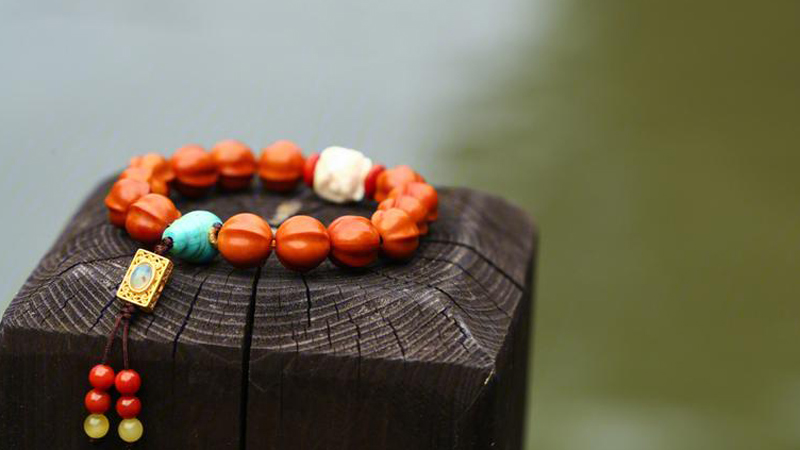
For centuries, people across Asia have carried small, polished objects in their palms, turning them over and over. Many see this as a calming habit or a connection to tradition. But beneath the smooth surfaces of these cherished beads and carvings lies a hidden truth: they are tiny vaults of ancient medicine. These aren't just ornaments; they are concentrated nature, offering subtle wellness benefits that unfold with every touch. This practice transforms idle moments into sessions of natural healing, where the warmth of your hand activates the dormant virtues within wood, seed, and vine. Each rotation is a silent conversation with centuries of herbal wisdom, turning stress into serenity and touch into therapy.

Agarwood: Fragrant Therapy
First among these natural treasures stands Agarwood, revered as the diamond of the plant kingdom. Its extraordinary value, sometimes reaching staggering sums per gram, speaks to its rarity and profound significance. This precious substance forms within specific trees when they suffer injury, secreting a dark, aromatic resin that embeds within the wood itself. The resulting material carries an exquisite, complex scent profile – notes of sweet vanilla, cool mint, floral hints, or deep amber can emerge, varying with origin and tree species.
Beyond its captivating fragrance, Agarwood holds a sacred place in traditional Eastern medicine. Ancient texts, including the renowned Compendium of Materia Medica (本草纲目) by Li Shizhen (李时珍), detail its therapeutic virtues. It was prized for its ability to calm the spirit, ease breathing difficulties, warm the body's core energy, and support kidney function. Modern enthusiasts value Agarwood beads not just for their beauty or status but for the lingering, calming scent released naturally from the wood's pores, believed to soothe the mind and promote restful sleep.
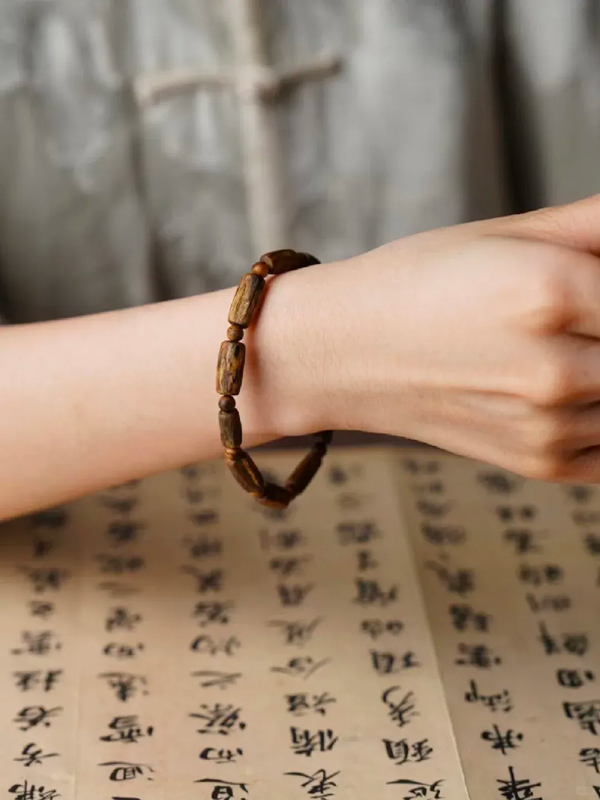
Unlike many polished objects, Agarwood beads thrive without vigorous handling. Excessive rubbing can clog the delicate resin channels within the wood, trapping its precious scent. Natural body oils and sweat can also dull its fragrance and introduce unwanted odors. The true benefit lies in gentle contact and appreciating the subtle aroma it releases during quiet moments or light wear.
Finding genuine, high-quality Agarwood requires discernment. Its rarity and value make it susceptible to imitation. True appreciation comes from understanding its natural formation, its complex scent journey, and respecting the tree's long journey to produce this remarkable resin.

Bamboo Root: Sculpted Wellness
Carved from the dense, knotted base of the bamboo plant, these intricate figures possess a surprising heft and smoothness. This art form, flourishing since China's Ming and Qing eras, transforms the rugged, often intimidating root mass into objects of serene beauty. Craftsmen carefully select mature roots, their inherent density making them ideal for detailed sculpting. Over time, patient handling brings forth a deep, lustrous reddish-brown patina, reminiscent of aged mahogany.
Less known is the deep connection between bamboo roots and traditional herbal knowledge. Varieties like Purple Bamboo root were specifically documented in medical texts for their therapeutic properties. These roots were traditionally prepared as decoctions to address internal imbalances, combat dampness within the body's systems, and support joint comfort. Other bamboo types, like Sweet Bamboo root, were noted for their calming effects, particularly useful during times of physical transition or stress.
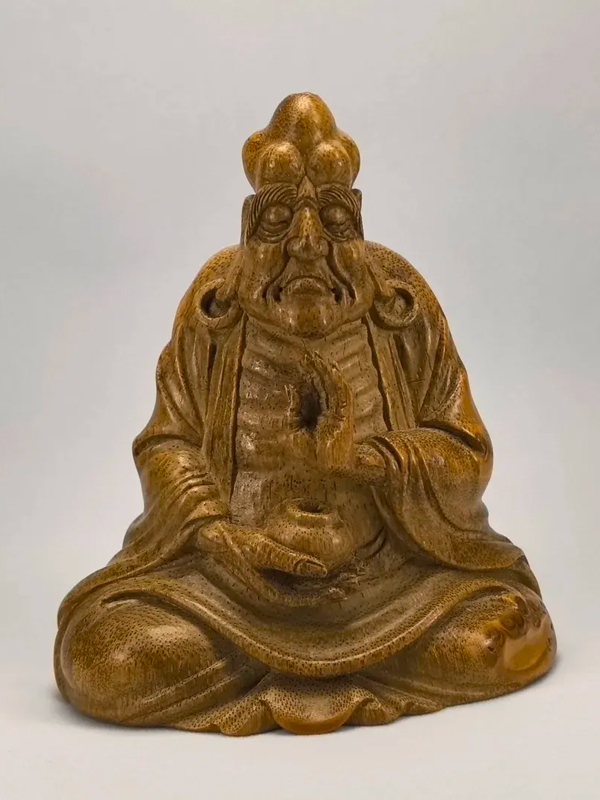
The phrase "seven parts handling, three parts medicine" resonates strongly within circles appreciating bamboo root carvings. It captures the essence of these objects – beautiful art pieces that, through the simple act of touch and the passage of time, are believed to impart subtle wellness, connecting the holder to the plant's inherent vitality.
Each unique root carving tells a story – of the bamboo grove, the artisan's skill, and the years of gentle care that transform its surface into a warm, living artifact. They serve as tactile reminders of nature's resilience and artistry.

Soapberry: The Monk's Cleansing Bead
With deep roots in spiritual practice, the seeds of the Soapberry tree hold a unique place. Found gracing the grounds of ancient temples like Lingyin Temple (灵隐寺) in Hangzhou, these trees drop hard, dark berries historically gathered by monks. They were strung into prayer beads – 108 seeds forming a mala used for meditation and chanting. The true marvel lies in the fruit's saponin-rich pulp.
When the ripe berries fall, their flesh can be easily separated, boiled, and strained. The resulting liquid is a powerful, entirely natural cleanser, producing a rich, gentle lather effective for skin and fabrics. This simple preparation method made Soapberries a staple in traditional households and monastic communities for centuries as an eco-friendly alternative to manufactured soaps.
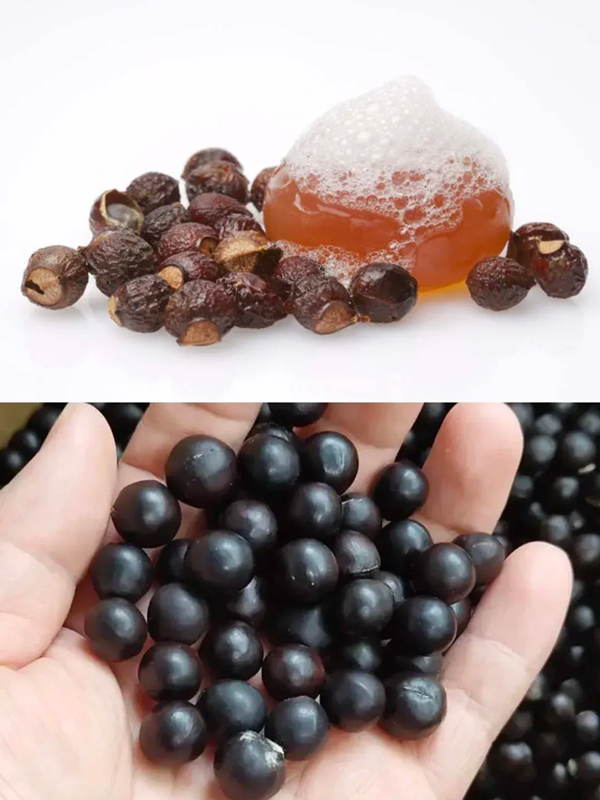
A contemporary trend sees seasoned Soapberry seed malas, polished smooth from years of devotional use, serving a dual purpose. A few beads crushed and mixed with water instantly create a frothy, fragrant wash, often praised for its gentleness on the skin. It embodies the concept of purity in both spiritual and physical terms.
Holding a Soapberry mala connects one to a lineage of simple, natural living. The smooth seeds, warmed by the hand, offer quiet focus, while the knowledge of their inherent cleansing power adds another layer of practical reverence.
These unassuming, grey-brown seeds, often seen dried and strung above doorways in southern regions, possess surprising properties. When first handled, their surface is dull, but persistent, gentle rolling in the palm gradually coaxes out a deep, warm reddish-brown hue. More importantly, this process activates the seeds' natural chemistry.
 Chinaberry: Nature's Insect Repellen
 Chinaberry: Nature's Insect Repellen
Their significance extends far beyond folk tradition. Recognized for millennia, Chinaberries feature in foundational Chinese medical texts like the Divine Farmer's Classic of Materia Medica (神农本草经). Classified initially for their potency, they were later documented for specific uses related to their bark and roots as well.
The ripe seeds contain compounds known for their ability to repel insects and inhibit certain fungi. Traditionally, strings of them were hung as natural pest deterrents. For those who handle them regularly, the seeds offer a subtle, ongoing release of these protective elements. They are also associated in folk medicine with alleviating discomfort related to internal stagnation or external skin irritations.
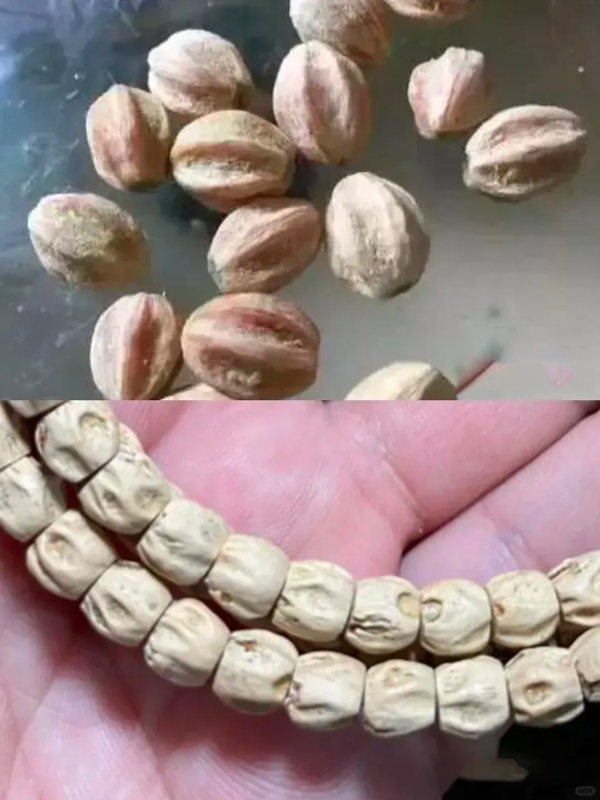
Owning a polished Chinaberry bracelet is like carrying a tiny, potent piece of natural pharmacy. The smooth, warm beads are pleasant to touch, while their history and inherent properties offer a unique sense of connection to ancient, practical wisdom for everyday wellbeing.

Spatholobus Vine: The Blood Vitality Bracelet
In the bustling lanes near Jokhang Temple, skilled artisans bend and shape supple vines over charcoal fires. Sourced from the slopes of the Himalayas, this plant is known for its distinctive reddish-brown streaks resembling spilt blood. In Tibetan healing traditions, it has long been a remedy specifically associated with women's health, particularly for regulating cycles and easing associated discomforts.
The vine's traditional use centers on its warming nature and affinity for supporting healthy blood flow and easing fatigue. Practitioners valued it for addressing imbalances thought to stem from blood deficiency or stagnation, helping to nourish and move the body's vital energy.
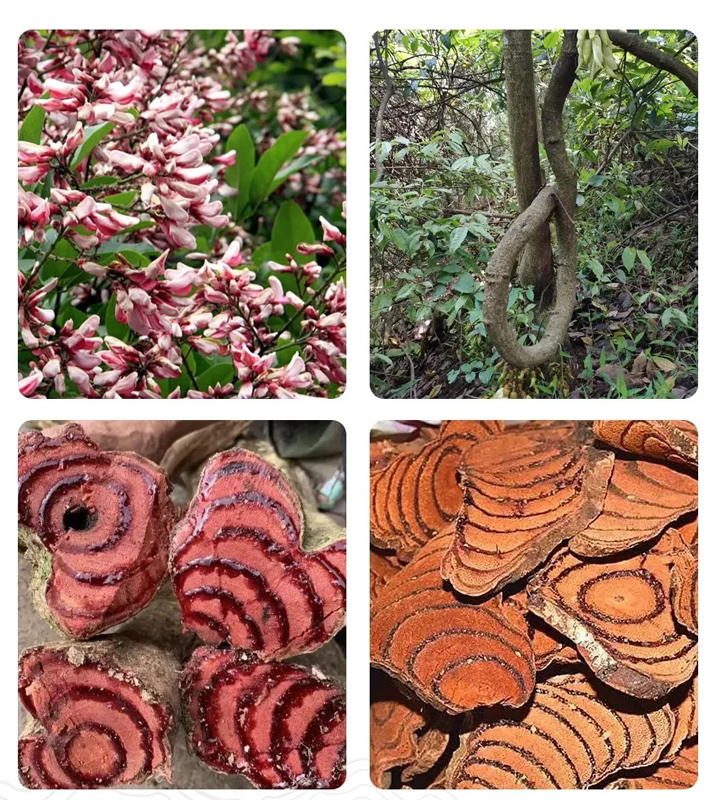
Beyond its medicinal history, the vine's natural beauty and flexibility make it perfect for crafting simple, elegant bracelets. Enthusiasts discovered that regular wear and the natural oils from the skin transform the vine's surface. It develops a deep, glossy sheen reminiscent of polished stone, enhancing its visual appeal.
Wearing a Bloodvine bracelet connects one to the rugged beauty of the high mountains and an ancient lineage of natural wellness. It’s a piece of living jewelry, believed to offer gentle, supportive energy simply through skin contact, becoming more beautiful with time and wear.

Wax Amber: The Soul-Calming Amber
Picture Baltic shores where fishermen once wore amber, believing it shielded them from harm—a faith rooted in tangible healing. This fossilized resin, prized in markets, hides secrets beyond its glow: it calms the mind and mends wounds. Historical texts like the Compendium of Materia Medica detail its use for insomnia and trauma relief, with powdered amber applied topically. Today, its essence infuses over-the-counter remedies, easing anxiety without synthetic drugs.
Centuries ago, Chinese empresses like Zhao Feiyan (赵飞燕) slept on amber pillows for restorative rest. Her story illustrates how this "soul stone" balances energy, drawing on its natural antiseptic properties. Modern studies hint at similar benefits, validating ancient claims that it stabilizes emotions during stress.
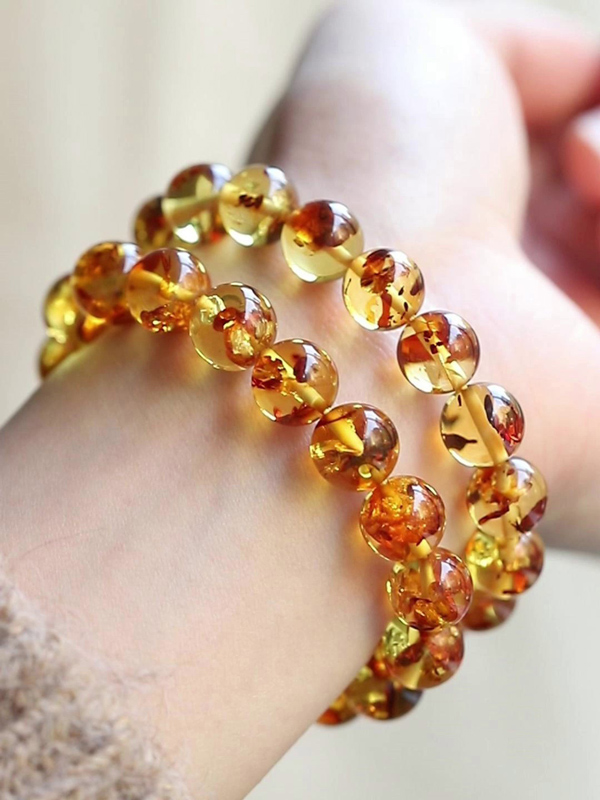
Beyond royalty, amber served warriors and commoners alike. Texts such as the Rihuazi Bencao (日华子本草) praise it for heart health and mental clarity, showing its role in daily wellness. Now, it's a staple in holistic therapies, bridging eras as a portable healer.
Amber's journey from ocean depths to apothecaries underscores a universal truth: nature crafts cures we often overlook. Its enduring appeal lies not in rarity, but in accessible, gentle care for modern lives.

Turquoise: Sky Stone for Calming and Soothing
Hidden in Tibetan mountains, turquoise emerges as a "sky stone," revered for detoxifying the liver and calming nerves. Locals read its color shifts to diagnose health, a practice echoing in Tibetan medicine with formulas like the twenty-five ingredient pill. This mineral's copper-rich core absorbs toxins, as ancient Persians used it for epilepsy and Europeans for eye ailments.
In China's Hubei, artisans crafting turquoise report faster wound healing and reduced infections. Workers there bathe cuts in turquoise water, halting inflammation—a testament to its antibacterial magic. Such traditions highlight how it shields the body, turning jewelry into preventive care.
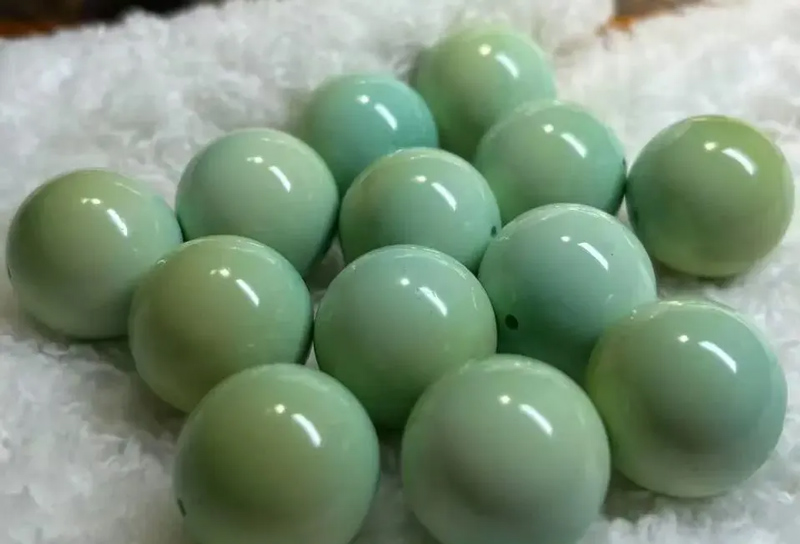
Globally, turquoise transcends cultures; medieval texts document its role in soothing ulcers and heartache. Modern applications include stress-relief jewelry, where its cool touch eases tension through skin contact, proving its timeless relevance.
This stone isn't just decorative; it's a lifeline in high-altitude communities. Its ability to draw out illness makes it a symbol of resilience, showing how earth's gifts foster inner peace.

Red Sandalwood: Imperial Wood for Nourishing and Unblocking
Within Beijing's Forbidden City, red sandalwood carvings emit a soothing scent, embodying "emperor's wood" for its heart-healing virtues. Dense and fragrant, it sinks in water, symbolizing strength in Chinese lore. The Compendium of Materia Medica lists it for pain relief and wound care, with compounds that reduce swelling and calm headaches.
Historically, it treated postpartum issues and infections, as Ming dynasty texts prescribe it for "dissolving stasis." Artisans handling it still avoid inflammation, crediting its natural resins. Today, sandalwood oils feature in aromatherapy, easing modern stress through inhalation.
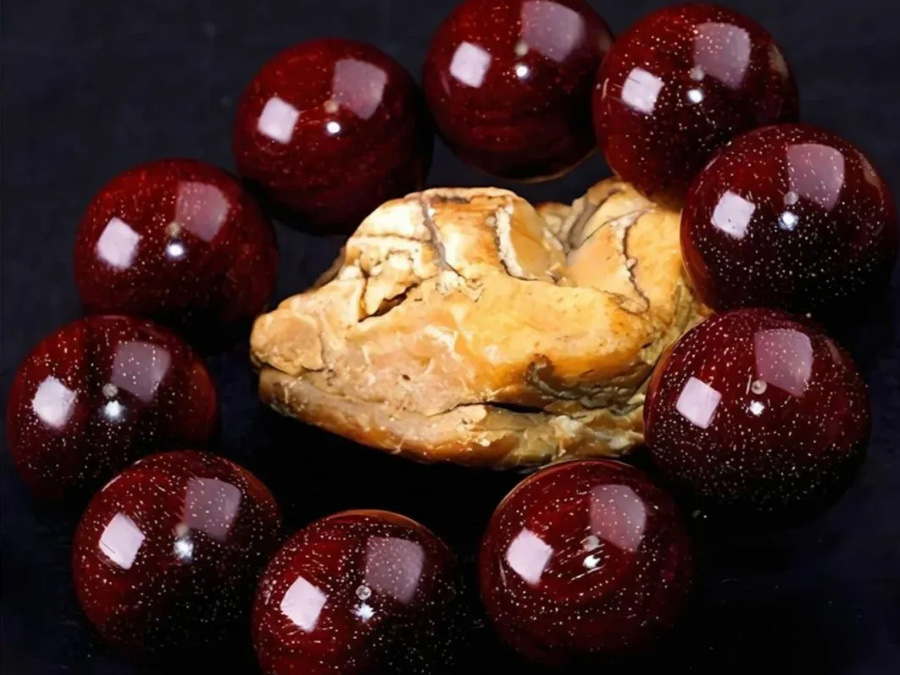
Its slow growth—centuries to mature—reflects patience in healing. Ancient doctors valued it for "harmonizing blood," a concept now echoed in studies on its anti-inflammatory effects. This wood connects luxury to longevity, offering grounding in chaotic times.
Sandalwood teaches that true value lies in substance, not shine. As a bridge to tranquility, it reminds us that nature's toughest gifts often bring the softest comfort.

Bodhi Seed: Buddha's Tears for Clearing Mind and Vision
At Wutai Mountain's base, bodhi seed beads, known as "tears of enlightenment," double as digestive aids and immunity boosters. These palm seeds, used in Buddhist prayer, release saponins when polished—natural cleansers that detoxify the body. Traditional medicine prescribes them for spasms and sleep, enhancing vitality through simple touch.
In practice, they soothe stomach aches and skin issues, with infusions promoting youthful radiance. Their gentle abrasion in hand massages stimulates points linked to organ health, as texts describe for "calming spirit." Modern users report better sleep and reduced anxiety, validating ancient wisdom.
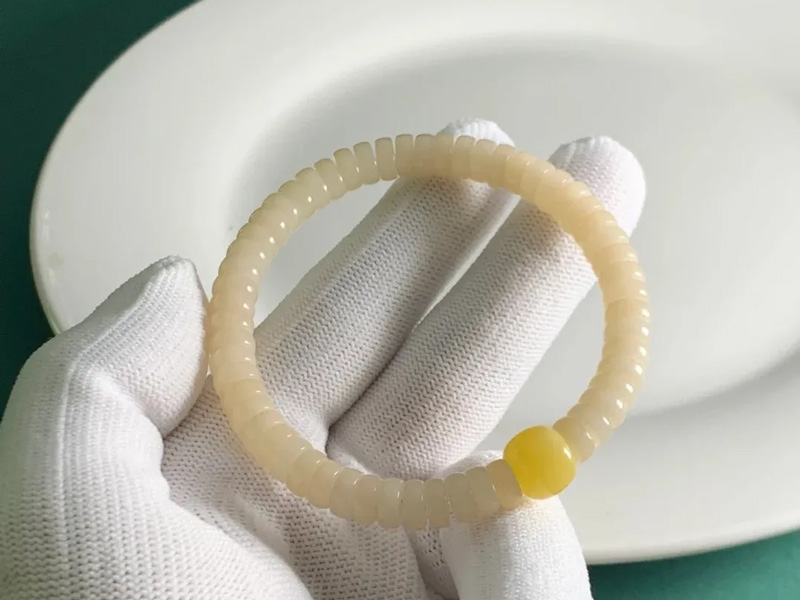
This seed's journey from ritual to remedy shows how spirituality and wellness intertwine. It's not just a counter; it's a companion for holistic living, adapting to urban stress with quiet potency.
Bodhi seeds embody simplicity in healing: unassuming yet powerful, they transform daily friction into profound renewal.

Walnut: Palm Thunder for Brain-Benefiting and Unblocking
Amid Beijing's hutongs, elders roll walnuts to "boost brain waves," using them as massage tools that unblock energy pathways. These nuts, lighter than stone, warm palms to stimulate wrist points, aiding circulation as described in the Yi Lin Zuan Yao (医林纂要). Their ridges knead muscles, relieving stiffness and enhancing focus.
Beyond physical relief, walnuts nourish the mind; traditional uses include combating phlegm and dryness. Seniors favor them for gentle therapy, where heat from friction soothes arthritis, proving that small rituals yield big benefits.
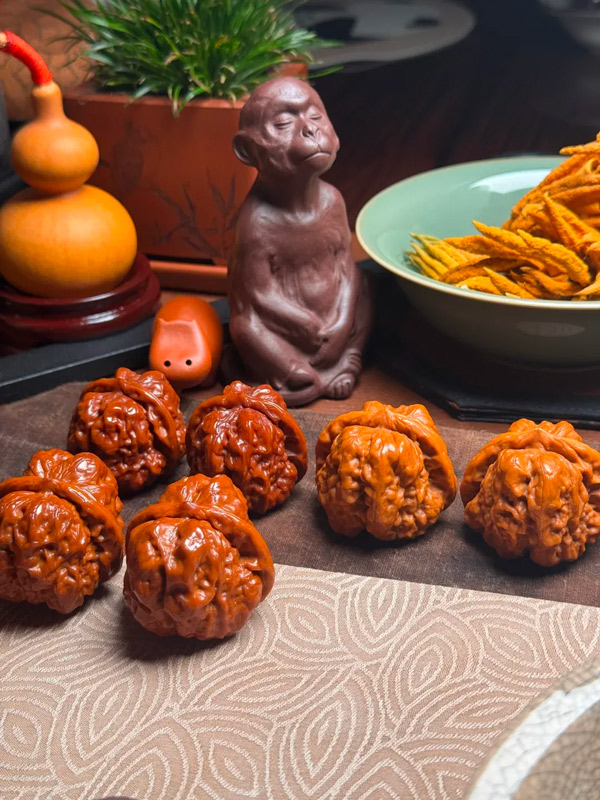
In modern contexts, they're pocket-sized wellness, promoting cognitive health through tactile engagement. Studies link such stimulation to reduced dementia risk, echoing historical insights on "clearing channels."
Walnuts teach that healing hides in habit. As we grip them, we reconnect with nature's rhythm, turning idle moments into vitality.
Summary
Recently, people across Asia have carried polished natural objects, a practice blending tradition with subtle wellness benefits. These items are not mere ornaments but are considered concentrated nature, offering natural healing through touch. Key examples include Agarwood, revered for its calming fragrance and ability to soothe the mind; Bamboo Root carvings, believed to impart vitality and balance through handling; and Soapberry seeds, used both for meditation and as a natural cleanser. Other materials like Chinaberry act as insect repellents, Spatholobus Vine is associated with supporting blood vitality, and Bodhi Seeds are used for mental clarity.
Additionally, Walnuts are rolled to stimulate circulation and cognitive function, while materials like Amber, Turquoise, and Red Sandalwood are valued for their calming and anti-inflammatory properties. This tradition transforms idle moments into therapeutic rituals, connecting users to ancient herbal wisdom and natural wellness through everyday touch.