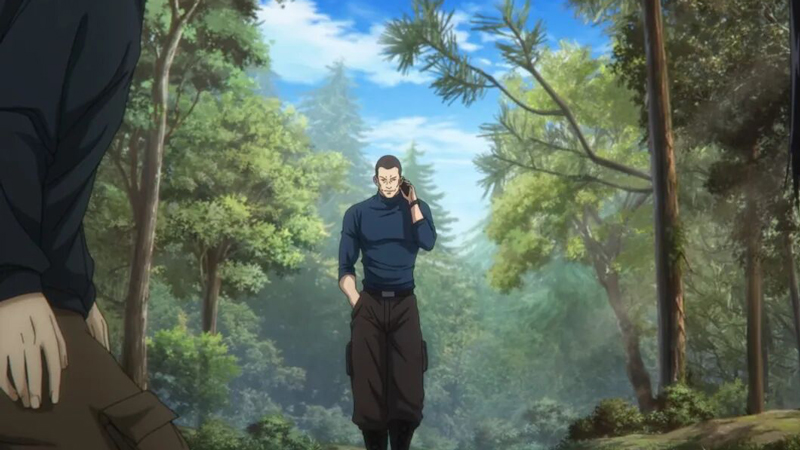
For fans eagerly awaiting the return of The Outcast (一人之下), the premiere of its sixth season has sparked a particular conversation. Many viewers are reporting a distinct visual experience—one that feels less like traditional fluid animation and more akin to a sophisticated motion comic.
The show appears to cling closely to its source material's panels, prioritizing a direct narrative transfer over dynamic cinematic interpretation. This shift in presentation raises a fundamental question about modern 2D production: where should the line be drawn between efficient adaptation and immersive animation?
The sensation is noticeable from the first episode. Scenes that should burst with energy feel restrained. Character movements can seem abrupt or simplified, and the overall flow between actions lacks the seamless grace expected from a top-tier series. Dialogue and plot progression carry the weight, while the visual storytelling takes a secondary, more static role. This has led to a muted reception, a surprising turn for a series once celebrated as a flagship title for Chinese animation.
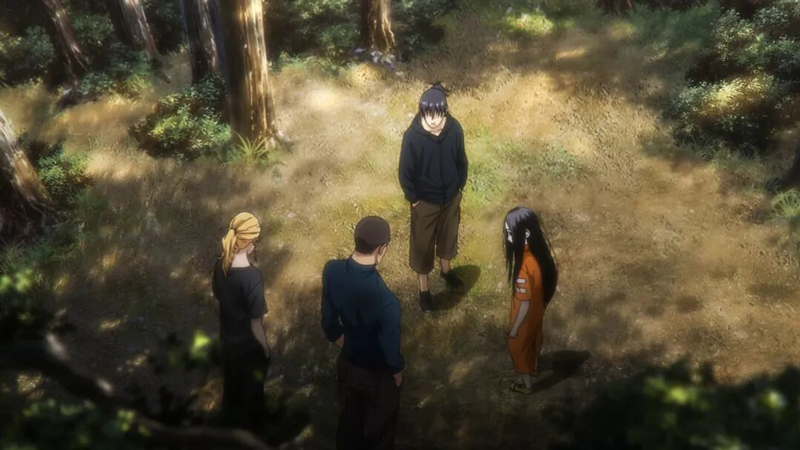
This phenomenon isn't about a lack of skill, but perhaps a conscious choice in production philosophy. By examining what separates a standard adaptation from a masterful 2D creation, we can understand the gap viewers are sensing. The discussion goes beyond this single season, touching on the core challenges and artistic decisions that define the medium itself.
The Hallmarks of Great 2D
To grasp what feels missing, we must look at works that define excellence. Series like Fog Hill of Five Elements and Attack on Titan set a formidable standard. Their power doesn't just lie in story, but in a relentless commitment to kinetic artistry. For instance, a single, blistering fight sequence in Fog Hill of Five Elements was reportedly built upon thousands of hand-drawn frames. Each motion—a recoil, a pivot, a decisive strike—is broken down and fleshed out with supplementary drawings to create impeccable flow.
This commitment extends to biomechanics. Superior 2D animation treats its characters as entities bound by physics. A show like Demon Slayer meticulously animates the entire body's engagement in a sword swing: the grip tightening, the torque from the hips, the follow-through of the blade, and the character's rebalancing afterward. The environment interacts with these actions; dust stirs, fabric ripples, and the impact feels tangible. This detailed choreography creates a believable world, not just a sequence of images.
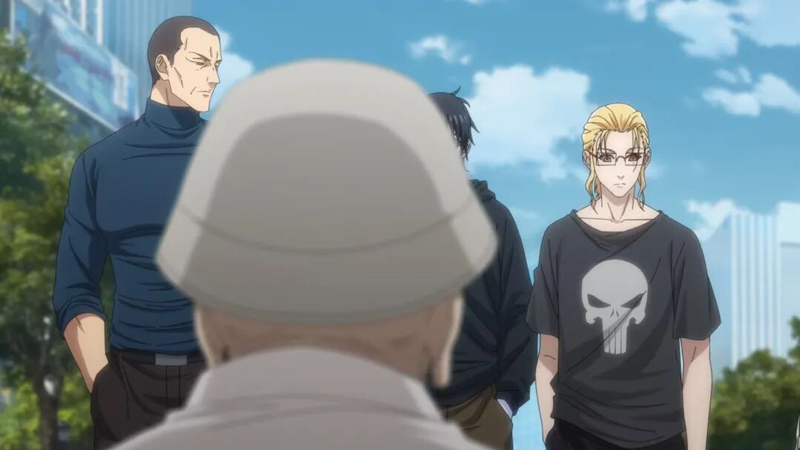
The magic of top-tier 2D lies in this illusion of life. It achieves something even advanced 3D can struggle with: a uniquely expressive, organic fluidity. It’s the subtle difference between a 3D model of a skirt swinging and a 2D-animated one where every fold and drape responds authentically to a character's gait and the virtual wind. This is the gold standard against which all 2D work is measured.
Efficiency Versus Expression
Returning to The Outcast 6, the contrast becomes clear. The production seems to operate on a principle of narrative sufficiency. The frames are present and coherent—they get the story beat across—but they often lack the intermediate frames that create smooth motion. Actions can feel like a series of key poses strung together, mimicking the static composition of a comic book page brought to minimal motion. This is the essence of the "motion comic" feel: a prioritization of source material fidelity over transformative animation.

This approach significantly impacts action and emotional delivery. Scenes that should be explosive or deeply nuanced are rendered through simpler techniques: rapid cuts, static holds, and camera zooms across a largely still image. While this controls budget and timeline, it sacrifices the immersive, visceral punch that dedicated frame-by-frame animation provides. The viewer is told about the action through dialogue and composition rather than being made to feel it through movement.
The result highlights a pivotal choice in adaptation. Is the goal to faithfully illustrate the comic, or to reinterpret it for the unique language of animation? The latter requires investing in the invisible labor between panels—the imagined physics, the emotional arcs within a glance, the weight of a step. For The Outcast 6, the choice leans toward illustration. Understanding this distinction is key for audiences navigating the evolving, and often budget-constrained, landscape of serialized 2D animation today.