Article
Search results:
-
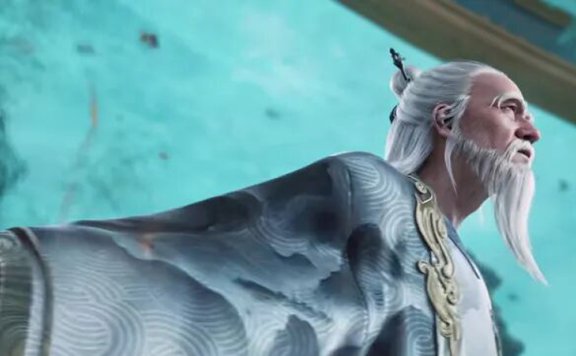
Sword of Coming: The Inkstone That Subdued the Old Jiao
What did the inkstone taken from the distant capital truly mean for the ancient Jiao (蛟)? In the Sword of Coming (剑来) animation, a single object became the instrument of utter humiliation and brutal subjugation, revealing the terrifying gap between a fallen immortal and a creature terrified of its own shadow. The Insult That Woke the Serpent The great hall of the Big Water Mansion was supposed to be a place of authority. Yet, on this day, it belonged entirely to Cui Dongshan (崔东山). He stood there, a picture of arrogant ease, while Old Jiao and his son knelt in submission. Old Jiao, a being with the potential to transform into a true celestial dragon, had spent centuries deliberately suppressing his cultivation. He remained stubbornly at the Nascent Soul stage, for he knew that every step upward brought him closer to the scrutiny of the heavens and the inevitability of divine punishment. His strategy was simple: stay small, stay quiet, stay free. But Cui Dongshan was not a man who respected such careful strategies. When Old Jiao attempted a polite negotiation, it was dismissed like the buzzing of a fly. When he dared to question the intruder’s power, he sealed… -
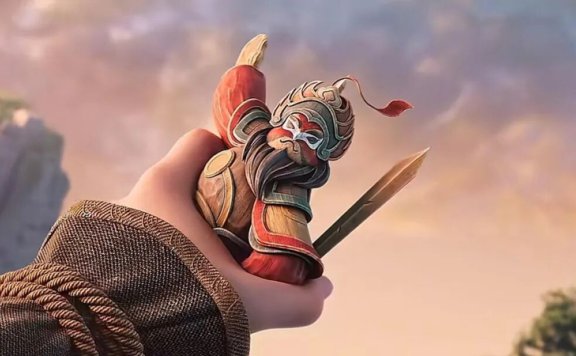
The Mysterious Puppet: Its Power in Sword of Coming 2
In the world of Sword of Coming 2 (剑来2), profound power often hides within the most mundane of objects. During the journey to Qidun Mountain (棋墩山), the painted puppet carried by the mischievous boy Li Huai (李槐) proves this point spectacularly. When the Ghost Queen, Madam Chu (楚夫人), unleashes her domain of the dead upon Red Candle Town, her binding spells and resentful energy paralyze Li Baoping (李宝瓶) and Lin Shouyi (林守一). All seems lost until Li Huai's simple doll intervenes, shattering the supernatural siege. This event raises a compelling question: what is the true nature of this puppet, and where does its power to counter a formidable ghost cultivator originate? A God's Legacy The puppet's journey begins with Wei Bo (魏檗), the former mountain god of Qidun Mountain. After his golden statue was destroyed and cast into the river, fragments of his power and legacy remained woven into the land's spiritual veins. The doll was one such artifact, concealed deep within the mountain's roots. It was no ordinary carving. Its core was crafted from rare Yinchen Mu (阴沉木), a supernatural wood nurtured over centuries by the mountain's vital energy and the lingering traces of divine worship. This foundation granted… -
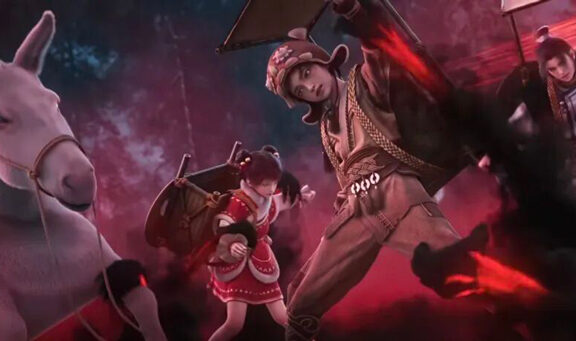
Sword of Coming: The Red Bride’s Scholar-Planted Trees
The world of Sword of Coming (剑来) is vast and treacherous, a realm where journeying cultivators face dangers both martial and mystical. After the powerful A-Liang (阿良) ascends, the story swiftly turns to a new, deeply unsettling chapter. Our protagonists, led by the resilient Chen Ping'an (陈平安), find themselves in a territory governed not by a benevolent spirit, but by a vengeful ghost. This isn't a tale of simple monster-slaying; it is a meticulous unfolding of what makes Chinese supernatural horror so uniquely haunting. It intertwines tragic romance, bureaucratic corruption, and a chilling aesthetic, centered on a figure known as the Bride-Ghost, Chu Furen (楚夫人). Her elegant, crimson-clad appearance masks a deeply twisted purpose: to use scholars as fertilizer for her trees. A Crimson Welcome Chen Ping'an and his young companions travel onward, their route subtly altered by the mischievous Cui Dongshan (崔东山). They enter a domain under the official jurisdiction of the Great Li Empire. Its designated guardian is Chu Furen, a name on the royal register as a local river and mountain deity. Her methods, however, are anything but divine. She possesses a macabre obsession with capturing traveling scholars. Her aesthetic is a deliberate spectacle of eerie beauty.… -
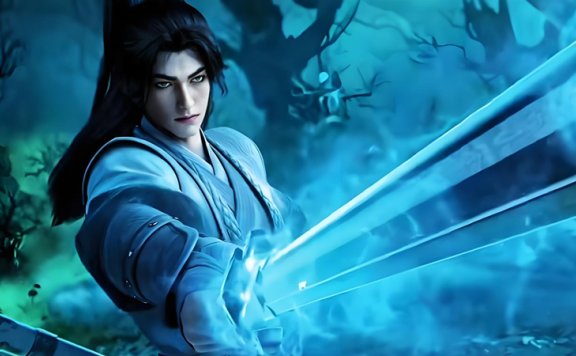
Ghost Finds Peace as Lie Unravels in Sword of Coming 2?
The chill that precedes dawn hangs heavy over the ancient streets. In the world of Sword of Coming 2 (剑来2), a single truth, buried for a hundred years, can be more lethal than any flying blade. The latest glimpse into the saga’s second season pivots away from sheer combat to the profound shockwaves of revealed history. A vengeful spirit, Madam Chu (楚夫人), has haunted the narrative with her potent mix of grief and fury, her power a direct manifestation of a betrayal she believes consumed her life and love. Her confrontation with the young journey-man Chen Ping’an (陈平安) reaches a fever pitch, only to be interrupted not by a stronger sword, but by the arrival of messengers carrying words that could dismantle her very existence. Truth as a Weapon Chen Ping’an, pushed to his limit, prepares to unleash his most precious treasures: two slivers of sword energy meant to save his life. Against the terrifying might of Madam Chu, it seems a necessary sacrifice. Yet, his assessment of the threat is rooted in fear for his young companions. The preview suggests a fascinating imbalance—these legendary energies, said to vanquish all below the Fourteenth Realm, might have been catastrophic overkill. Given… -
Cheng Yi’s Ming Dynasty-Inspired Regalia in Liang Jing Shi Wu Ri
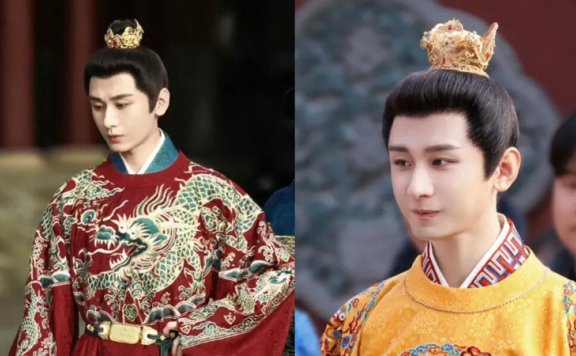
The recent reveal of actor Cheng Yi's (成毅) costumes for the upcoming historical drama Liang Jing Shi Wu Ri (两京十五日) has sent the Chinese internet into a deep dive. A particular photo showcasing his elaborate headpiece and belt sparked instant recognition among history enthusiasts. "I've seen that crown! In a museum!" exclaimed one comment, leading many to question: Are historical dramas finally getting the intricate details of court attire right? This focus on material accuracy marks a shift in production design, moving beyond sheer visual spectacle to engage with the tangible artifacts of China's past. The specific items in question are not mere fabrications but are inspired by prestigious Ming Dynasty relics, offering a fascinating glimpse into the world of imperial regalia and the strict sartorial codes that governed it. A Crown Fit for a King The headpiece attracting so much attention is modeled after the Double Dragon Cavorting with Pearl Ribbon Crown, a significant artifact. This crown holds the distinction of being Object No. 1 at the Hong Kong Palace Museum, the first item officially accessioned into its collection. It was part of a monumental donation of 946 ancient gold and silver items from the Mengdiexuan collection. The original… -
Why the Old Scholar Took the Jade Hairpin in Sword of Coming 2
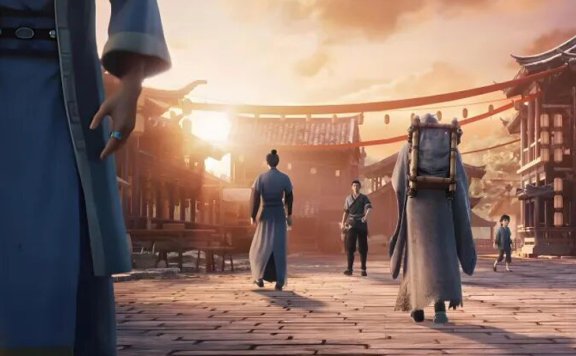
In the latest episode of the popular animated series Sword of Coming 2 (剑来2), a simple yet profound act sends ripples through the story. The revered Old Scholar takes back a jade hairpin, a gift from the esteemed Qi Jingchun (齐静春), from the young protagonist Chen Ping'an (陈平安). On the surface, this seems like a cold, even harsh, withdrawal of favor. But this is no act of caprice. It is, in fact, a masterstroke of mentorship, a deliberate move in a grand strategy concerning survival, character, and legacy. By removing this symbolic token, the Old Scholar isn't abandoning his disciple; he is setting the stage for Chen Ping'an's most crucial test yet. A Calculated Removal The hairpin was more than an accessory; it was a beacon. As the acknowledged successor to the Old Scholar's lineage, Chen Ping'an wearing it marked him as a prime target in the treacherous world of cultivation. With the aftermath of the Li Zhu Cave Heaven (骊珠洞天) incident still unsettled, numerous factions watch with hostile intent. The hairpin, a symbol of protection, paradoxically became his greatest liability. The Old Scholar's action strips Chen Ping'an of this dangerous visibility. It forces him to step out from under… -
Sword of Coming 2: Qi Jingchun's Farewell in Wen Sheng's Sleeve
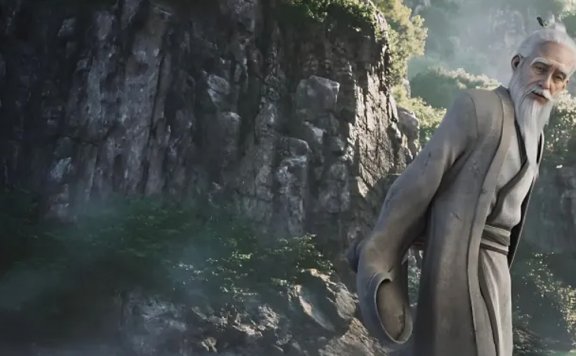
In a quiet, easily missed moment from the latest episode of Sword of Coming 2 (剑来2), a profound act of farewell unfolds without a single word spoken. The scene involves the venerable teacher, Wen Sheng (文圣), retrieving a hairpin—a token once given by his departed disciple Qi Jingchun (齐静春) to their junior, Chen Ping'an (陈平安). As Wen Sheng reaches for the object, something intangible occurs. A gentle breeze, carrying the faint essence of spring, seems to brush against his sleeve. This is no ordinary wind. It is a final, ethereal gesture from a disciple long gone, a silent communication that speaks volumes about legacy, protection, and the unbreakable bonds of their lineage. The Breeze That Answers Qi Jingchun's famous adage, "When in doubt, ask the spring breeze," has resonated deeply with fans. It was always viewed as poetic comfort, a vague metaphorical guide. This scene, however, redefines it as a literal promise. His transformation into the breeze is the answer. It confirms he never truly left. His will and spiritual essence have merged with the very Dao of the world, becoming a perpetual, watchful presence over the path of his teacher and his junior brother. The animation's subtlety is masterful;… -
A Fist's Lesson in Justice in Sword of Coming 2
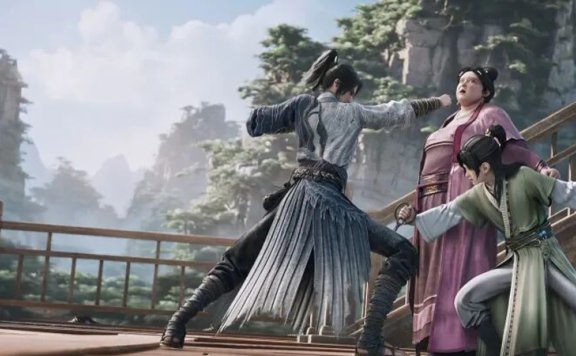
The confrontation aboard the riverboat was never going to be settled with words. In the second season of the animated series Sword of Coming 2 (剑来2), the moment fans had anticipated arrived, not with a philosophical debate, but with the sharp, unmistakable language of a well-thrown punch. Chen Ping'an (陈平安), our steadfast protagonist, faced a group of arrogant Dali (大骊) officials whose version of "reason" was simply the authority of their status. After a series of escalating provocations—scarring a young boy’s donkey, attempting to seize the girl Xiaoping (小瓶) as a servant, and finally driving a pair of scissors into Chen Ping'an's own thigh—the time for talking was over. This scene, more than a simple fight, became a defining lecture on the price of principle in an unjust world. The Unreasonable "Reason" The conflict's brilliance lies in its setup. The animation deliberately clarifies the instigation. Young Li Huai (李槐) was simply playing, his small white donkey an innocent victim of a noble son's malicious swipe. The deliberate cruelty of scarring the animal, magnified on screen, underscores the bullies' nature. Their most egregious act, however, was targeting Xiaoping, revealing a mindset that sees the weak as property. This raw display of… -
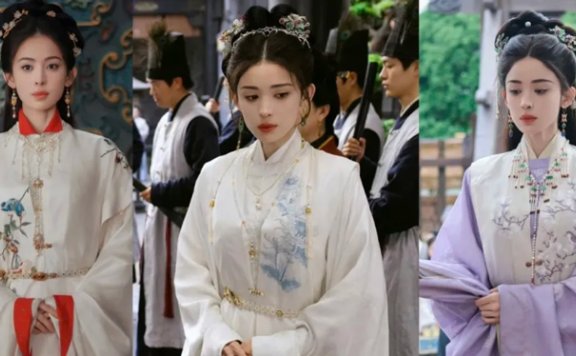
Why Does Rong Shanbao’s Outfit in Glory Look So Slimming?
In the historical drama Glory (玉茗茶骨), actress Na Zha (娜扎) captivates audiences not just with her performance, but with her wardrobe. Her character, Rong Shanbao (荣善宝), is frequently seen in a specific style of outerwear that seems to magically elongate her silhouette, sparking online conversations about its flattering power. Viewers quickly noted its similarity to modern fashion items, revealing a fascinating truth: this garment is a centuries-old design called the Bijia (比甲). More than just a costume piece, the Bijia’s journey from the imperial courts of ancient China to contemporary street style showcases a stunning continuity in aesthetic preference, proving that some designs truly are timeless. Historical Threads The Bijia’s origins trace back to the Song Dynasty. Originally a form of Hanfu, it was a sleeveless, collarless over-garment, similar to a long vest. Its practical design was later adopted and adapted during the Yuan Dynasty for functionality. Historical records like the Yuanshi (元史) describe its purpose: a garment with a front shorter than the back, lacking sleeves and a collar, secured by two ties. This made it ideal for equestrian activities and labor, protecting the torso without restricting arm movement. By the Ming Dynasty, the Bijia had shed its purely… -
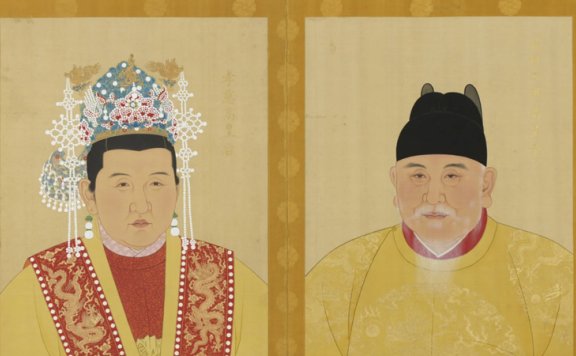
What Did Ming Dynasty Women Really Wear?
Across centuries, clothing has served as a mirror to Chinese society, reflecting shifts in aesthetics, technology, and social order. While modern fashion draws from countless influences, the styles of the Ming Dynasty (1368-1644 AD) offer a particularly vivid window into a world where fabric, color, and pattern were powerful languages. This was not a static tradition but a dynamic one, evolving from restrained elegance to magnificent complexity. Today, as interest in historical dress revives, we look back to this era not for mere replication, but to understand the sophistication and symbolic richness that defined a woman's appearance, from the imperial court to the bustling marketplace. Silhouettes in Flux The foundational ensemble for Ming women was the Ao (袄), a jacket or upper garment, worn over a skirt. Early in the dynasty, the Ao featured narrow sleeves and clean lines, continuing a Song Dynasty preference for simplicity. By the mid to late Ming period, as prosperity grew, sleeves widened dramatically. The innovative Pipa Xiu (琵琶袖), or "lute sleeve," became iconic: wide through the arm but sharply cinched at the wrist, creating an elegant, flowing shape reminiscent of the Chinese lute instrument. Beneath the jacket, the Mamian Skirt (马面裙) reigned supreme. This… -
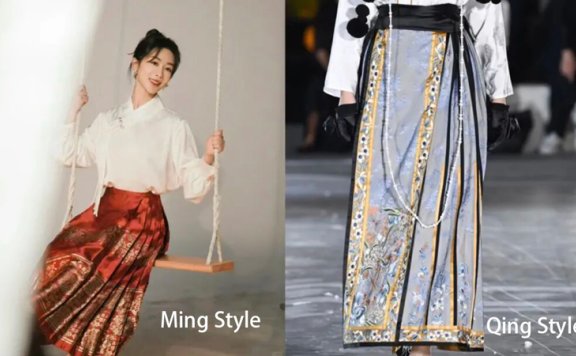
Decoding Ming & Qing Dynasty Mamianqun
At first glance, the flowing skirts known as Mamianqun (马面裙) from China’s Ming and Qing dynasties appear nearly identical. Both feature the iconic flat front and back panels—the “horse-face” or Mamian—flanked by pleated sides. This similarity often leads modern viewers to see them as one and the same. Yet, to the trained eye, they speak different visual languages, each whispering secrets about the era that created it. You don't need a history book to tell them apart. Instead, focus on four key details: the behavior of the pleats, the character of the Mamian panel, the philosophy of its patterns, and the finish of its waistband. These elements transform the skirt from a mere garment into a legible text, revealing a profound shift in aesthetics and worldview between two defining dynasties. Reading the Pleats The most immediate clue lies in the pleats. A Ming dynasty skirt typically employs what experts call "live pleats." These pleats are secured only at the waist and the hem, leaving the middle section free. As the wearer moved, the pleats would swing open and close dynamically, creating a sense of lightness and fluidity. The pleats themselves were fewer in number and spaced wider apart, contributing to… -
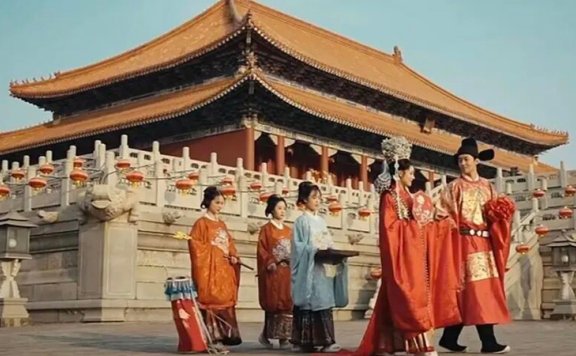
Decoding Ming Dynasty Robes in Etiquette China
When a television program can make historical clothing feel as immediate as today's fashion headlines, something special is happening. A recent broadcast by China Central Television (CCTV) has captivated audiences not with futuristic designs, but with a deep, respectful look into the past. The focus was the intricate beauty and profound symbolism of Hanfu, the traditional attire of the Han Chinese. By examining specific garments, particularly from the Ming Dynasty, the program connected threads of fabric to threads of cultural memory, prompting viewers to see ancient robes as more than museum relics. They are presented as active testaments to a worldview, where aesthetics and social order were seamlessly woven together. More Than Fabric: The Language of Ceremonial Dress The CCTV program, titled Etiquette China (礼仪中国), serves as a guide to this philosophy. It operates on a powerful premise: to understand a civilization's ideals, study the clothes it wore for its most important moments. The series approaches Hanfu not merely as costume, but as a visual language of Li (礼), a concept encompassing ritual, propriety, and the very framework of traditional social harmony. The most formal garments, known as ceremonial dress, carried the heaviest symbolic weight. These robes were canvases for… -
Hairstyle Codes in The Story of Minglan
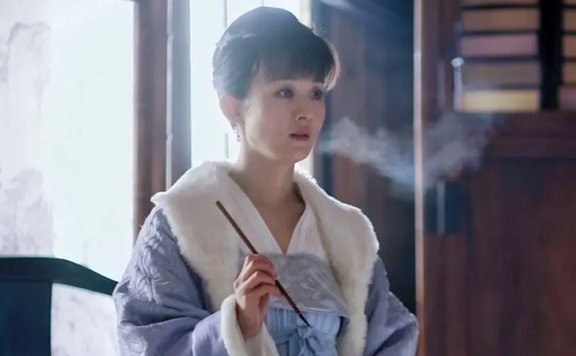
When audiences first tuned into The Story of Minglan (知否知否应是绿肥红瘦), they were drawn into a world of intricate family politics and personal growth. A subtle visual detail caught many eyes: the hairstyle of the protagonist, Sheng Minglan (盛明兰), played by actress Zhao Liying (赵丽颖). In her youth, she wore hair that fell over her forehead, much like contemporary bangs. After marriage, this style vanished, replaced by a formal, swept-back updo. This shift is far from arbitrary; it is a deliberate reflection of ancient Chinese societal codes, where hair served as a clear indicator of age, status, and personal responsibility. This exploration goes beyond the drama, uncovering how hairstyles functioned as a silent language in historical China, marking the significant transition from the carefree days of childhood to the weighted duties of adulthood. Decoding Childhood Hair In ancient China, the hairstyle we now loosely associate with bangs was exclusively a child's privilege. This look, known as Liu Hai (刘海), originated from the term "childhood-specific hairstyle", meaning "hair left for a child." From the Zhou Dynasty onward, both boys and girls wore their hair in this manner during their early years. Historical artworks, such as the painting Children at Play in an… -
Did Ming Officials Really Wear Jeweled Hats?
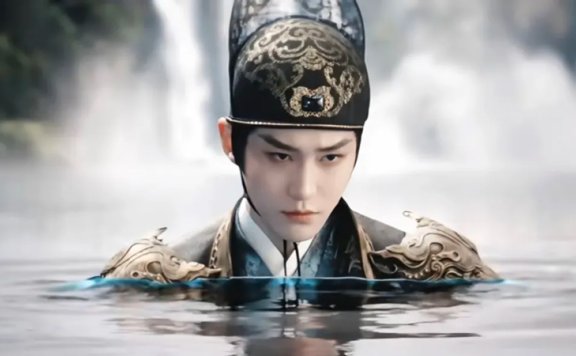
The recent period drama The Unclouded Soul (逍遥) sparked debate not just over its plot, but over a hat. Actor Wang Duo's (汪铎) character, Bing Zhu (秉烛), holds a position akin to the head of the Eastern Depot (东厂), a feared Ming Dynasty secret police agency. Such leaders were sometimes ironically called “Factory Flowers” for their perceived flamboyance. His costume, featuring an ornate black gauze cap with a central jeweled ornament known as a Maozheng (帽正), seemed to fit that trope. Yet, viewers questioned its historical accuracy, asking if Ming officials truly wore such elaborate headpieces or if the show was taking creative liberties. Icon of Authority The black gauze cap, or Wushamao (乌纱帽), is the definitive symbol of a Ming Dynasty bureaucrat. Its origin lies in the Futou (幞头), a headscarf from the Wei and Jin periods. By the Ming era, it had evolved into a stiffened hat, officially codified as mandatory court attire. Officials wore it with a round-collar robe, a belt, and black boots. This uniform was so entrenched that "losing the black gauze cap" became, and remains, a metaphor for losing one's official post. Scholars like Gao Chunming (高春明) and Sun Ji (孙机) note the Ming… -
The Stage of Hair: Ming Dynasty Women's Crowning Glory
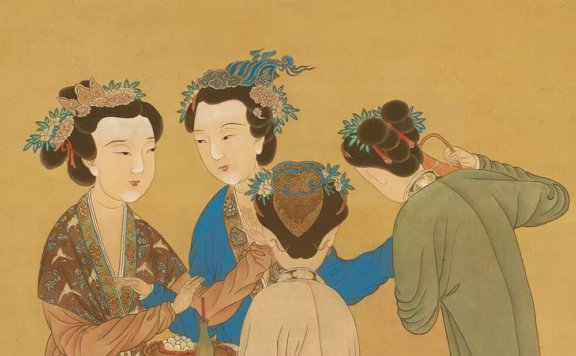
A woman sits before a bronze mirror in her chamber. Her fingers, deft and sure, begin their daily ritual. Strand by strand, hair is coiled, pinned, and elevated. This is not mere grooming; it is the construction of identity. In the Ming Dynasty, a woman’s hairstyle was her public statement, a silent language of social status, marital availability, and regional fashion. From the relatively simple coils of the early 14th century to the architectural marvels atop heads in the 16th, the evolution of the hair bun narrates a story of aesthetic ambition and social nuance. It was a canvas for artistry and a map of one's place in the world. Evolution of Style The journey of Ming hairstyles mirrors the dynasty's own socio-economic pulse. Initial styles, influenced by the preceding Song and Yuan periods, favored modesty and restraint. Hair was often gathered into neat, low buns, reflecting a post-war ethos of simplicity. This understated elegance, however, was not destined to last. As the dynasty matured, particularly during the mid to late Ming period, commercial prosperity blossomed. A vibrant urban culture emerged, especially in the wealthy Jiangnan (江南) region. With newfound economic confidence came sartorial daring. Women's hairstyles began to soar,… -
Yang Zi’s The Mo Earrings: A 600-Year-Old Ming Fashion Icon
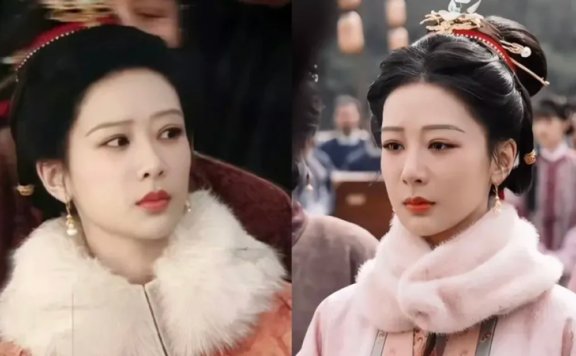
In the historical drama The Mo (家业), the earrings worn by actor Yang Zi (杨紫) in her role as Li Zhen (李祯) are more than just elegant accessories. They are a direct portal to the fashion sensibilities and consummate craftsmanship of the Ming Dynasty, roughly 600 years ago. The specific style, a Hulu (葫芦)-shaped pendant, was a staple in the jewelry boxes of Ming noblewomen. This attention to detail in costume design does more than create a visually authentic scene; it prompts a fascinating question. How did a simple fruit's form become a centuries-long symbol of status and blessing, so meticulously crafted that it still impresses modern audiences? Design and Detail The Hulu earring seen on screen is a refined example of its kind. Typically part of a full ceremonial headdress set, its design is both symbolic and intricate. The version Yang Zi wears appears to be made of white jade or pearl, forming the body of the gourd. A delicate gold leaf caps the top, with two beads suspended beneath to create the distinctive "waist" and lower bulb of the fruit. The most arresting detail is the tiny ring of minuscule gold granules that cinches this waist, a testament… -
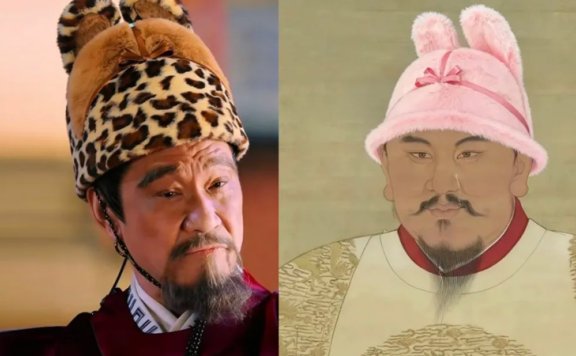
The Curious Case of the Ming Bunny Hat
A simple black hat, once reserved for Ming Dynasty emperors, has hopped from the solemn pages of history into the playful heart of internet culture. Known formally as the Yishan Crown (翼善冠), this piece of royal headwear is now affectionately dubbed the "bunny hat" by netizens and Hanfu enthusiasts. Its journey reveals how a potent symbol of imperial authority can be transformed, through a lens of modern creativity and humor, into a beloved cultural icon. This shift is more than a mere change of name; it represents a fresh, accessible dialogue with the past. A Crown's Evolution The story of this distinctive cap begins long before the Ming Dynasty. Its earliest ancestor is the Futou (幞头), a headscarf worn by men in the Tang Dynasty. Initially a practical cloth for tying up hair, its soft, hanging flaps might remind one of a rabbit's drooping ears. By the Song era, the Futou had stiffened and formalized, most notably in the official's black gauze cap with long, straight wings. When the Ming founder, Zhu Yuanzhang (朱元璋), sought to restore traditional dress codes, he adapted these styles for a new imperial aesthetic. For his officials, he maintained the black gauze cap with horizontal… -
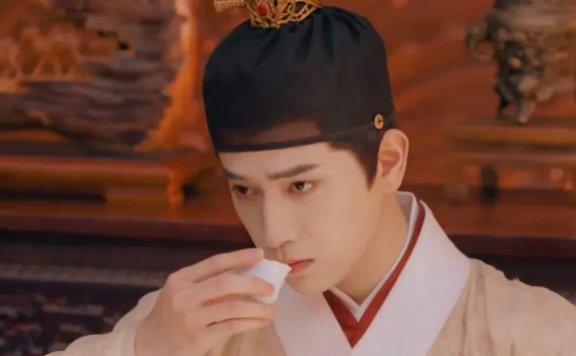
Unpacking the History of Ming Dynasty Wangjin
Why is that actor wearing a fishnet on his head? That's a question many viewers had when watching the recent period drama Marry My Cousin (表妹万福). In a sea of ornate costumes, a male character's headwear stood out: a sheer, net-like cap covering his hair and forehead. To modern eyes, it looked bizarre, even comical. Was this a costume department blunder? A sign of a low budget? The truth, however, is far more interesting. This isn't a prop mistake or a fashion mishap. It’s a historically accurate piece of attire known as a Wangjin (网巾), a hair net that was a staple of Ming Dynasty men's fashion and a symbol of Han Chinese cultural identity. More Than a Hairnet The Wangjin was a practical and essential item. Made from finely woven black silk, horsehair, or even human hair, its primary function was to hair binding, or bind the hair. It kept the main topknot securely in place and neatly gathered any loose or shorter hairs around the temples and neck. This created a clean, tidy appearance considered fundamental for a gentleman. Beyond mere tidiness, the Wangjin served as a base layer for other, more formal headwear. Hats and caps of… -
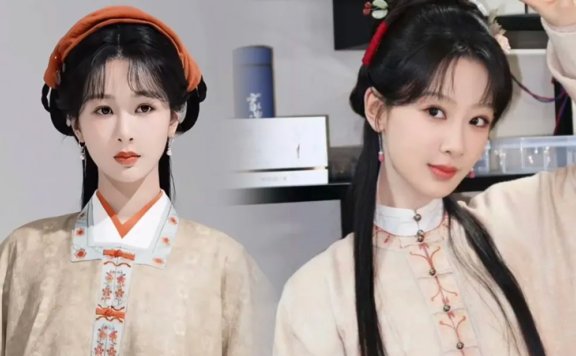
Uncovering the History of Chinese Ming and Qing Buttons
In the historical drama The Mo (家业), the character Li Zhen (李祯), portrayed by Yang Zi, wears garments adorned with a vertical row of buttons. These fasteners shift between cloth and metal variants across different scenes. This subtle costume detail sparks a fascinating question: did traditional Chinese clothing even use buttons? The answer reveals a rich, overlooked history of functional art, distinguishing the elegant Ming-style cloth buttons from the later, densely arranged Qing-era "centipede buttons." Ancient Fasteners Reimagined The common belief is that ancient Chinese attire relied solely on sashes and ties, a system known as "tying tassels and fastening sashes". This method involved intricately woven ribbons to secure garments, allowing adjustment for fit and comfort. Historical texts like the Book of Rites mention the use of such ties. However, this was not the whole story. Archaeological evidence, such as the figurines from the Qin Dynasty, suggests the possible use of simple toggle-like fasteners, though debate continues on whether these were for armor or daily wear. By the Tang and Song dynasties, while ties remained dominant, a quiet evolution began. Elements of cloth buttons appeared on certain robes, like the round-collared Yuanlingpao (圆领袍) and some versions of the Beizi (褙子).… -
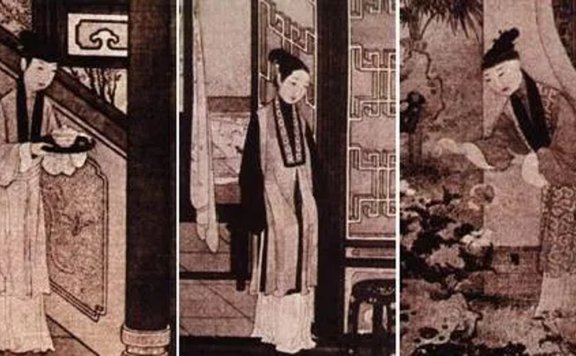
How Did a Humble Riding Jacket Become the Runway Star of the Ming Dynasty?
Imagine a garment so versatile it bridged the gap between the dusty plains and the gilded halls of imperial palaces. This was the journey of the Bijia (比甲), a sleeveless jacket that evolved from a Mongol practical essential into a defining icon of Ming Dynasty fashion. Its story is not merely one of changing hemlines and fabrics, but a fascinating reflection of cultural exchange, social mobility, and aesthetic innovation. By tracing its path, we uncover how clothing can transcend its original purpose to become a canvas for identity and artistry. Saddle to Street The Bijia's origin is rooted in utility. Designed during the Yuan Dynasty under Empress Chabi (察必) of the Khongirad tribe, its primary function was to facilitate riding and archery. The classic design featured a front opening secured by ties, no sleeves or collar, and a back panel longer than the front. This ingenious cut protected the rider's core from wind while allowing complete freedom of movement for the arms. Initially, it was apparel for the steppe and the aristocracy, a common sight in the Yuan court but rare among the general populace. Following the Yuan-Ming transition, one might have expected this distinctly Mongol garment to fade. Instead,…