
When a beautifully preserved embroidery piece appears on cultural programming, it does more than showcase visual splendor—it opens a window into one of China's most enduring art forms. While modern viewers marvel at the technical mastery, the true story of Chinese embroidery reveals a history far more complex and fascinating than most realize, characterized by unexpected turns, technical revolutions, and constant evolution.
A Non-Linear Path of Development
The common assumption that embroidery developed in a straight line from simple to complex misses the remarkable twists in its historical journey. The earliest beginnings trace back to prehistoric times when bone needles joined animal hides—functional stitching that would eventually evolve into decorative expression.
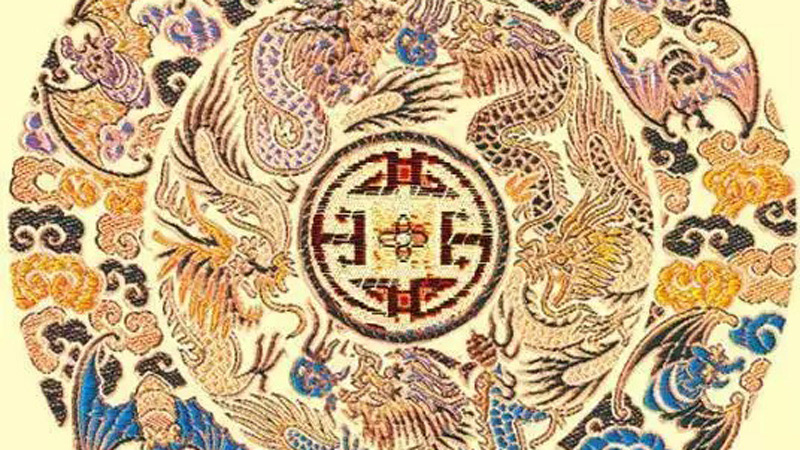
By the Shang and Zhou dynasties, embroidery had emerged as a recognized craft, although it was still in its developmental stages. The real breakthrough came during the Warring States period with the invention of chain stitch, a technique that created flowing, interconnected lines that brought dramatic new life to textile designs. The magnificent embroideries discovered at the Mashan No. 1 Chu Tomb in Hubei, featuring paired phoenixes and dragons, demonstrate how this period established embroidery as a medium for sophisticated artistic expression.
The Tang Dynasty witnessed another leap forward as embroidery absorbed influences from painting. New stitches emerged, including flat embroidery, dot embroidery, and most notably, graded embroidery, which used silk threads in gradually shifting color tones to create stunning dimensional effects. This technique found perfect expression in Buddhist embroideries, exemplified by the magnificent "Sakyamuni Preaching on Vulture Peak" housed in the British Museum, where technical innovation served spiritual expression.
The Foundation Before the Peak
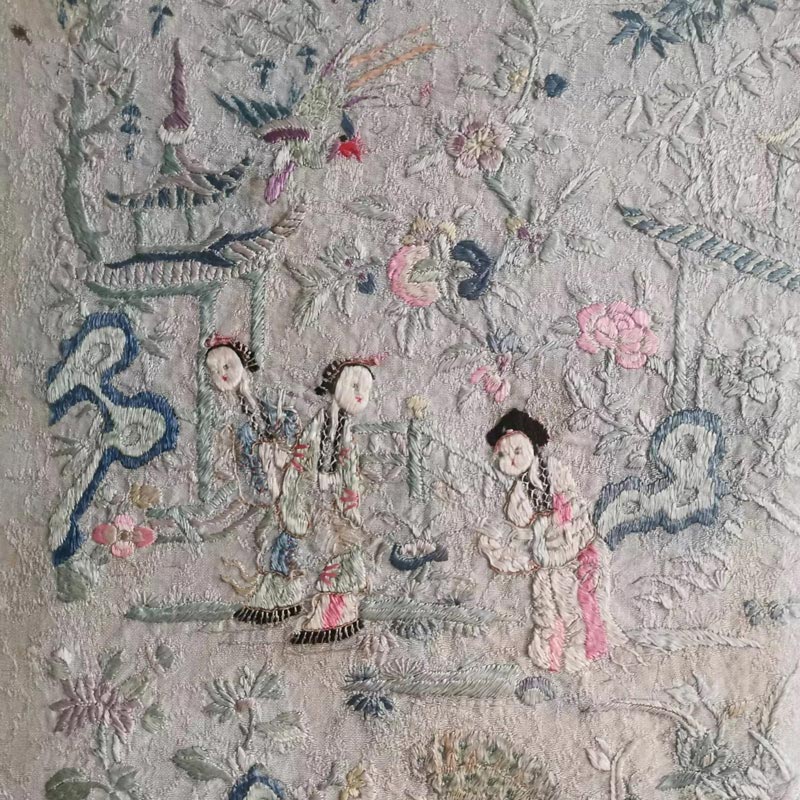
While Song Dynasty embroidery is rightly celebrated as a golden age of technical refinement and artistic achievement, this pinnacle was not reached suddenly. The foundation was laid through centuries of accumulated knowledge and technique development.
The set stitch technique, which became characteristic of Su embroidery, actually began in the Tang Dynasty but reached maturity during the Song. This method involved successive rows of stitches that blended colors seamlessly without visible joins, allowing embroiderers to recreate the subtle gradients of ink paintings with astonishing fidelity. Masterpieces like the Southern Song court embroidery "Immortal on Terrace Riding Crane" demonstrate how needlework could capture the expressive quality of brushwork.
This gradual progression toward technical perfection shows how each dynasty built upon previous accomplishments. The Tang period's expansion of stitch techniques made possible the Song era's artistic achievements, reminding us that artistic peaks are always supported by previously developed foundations.
The Complex Reality of Cultural Transmission
The transmission of embroidery skills across generations faced numerous challenges that complicate the narrative of straightforward tradition. The case of Gu embroidery during the Qing Dynasty illustrates this complexity perfectly.
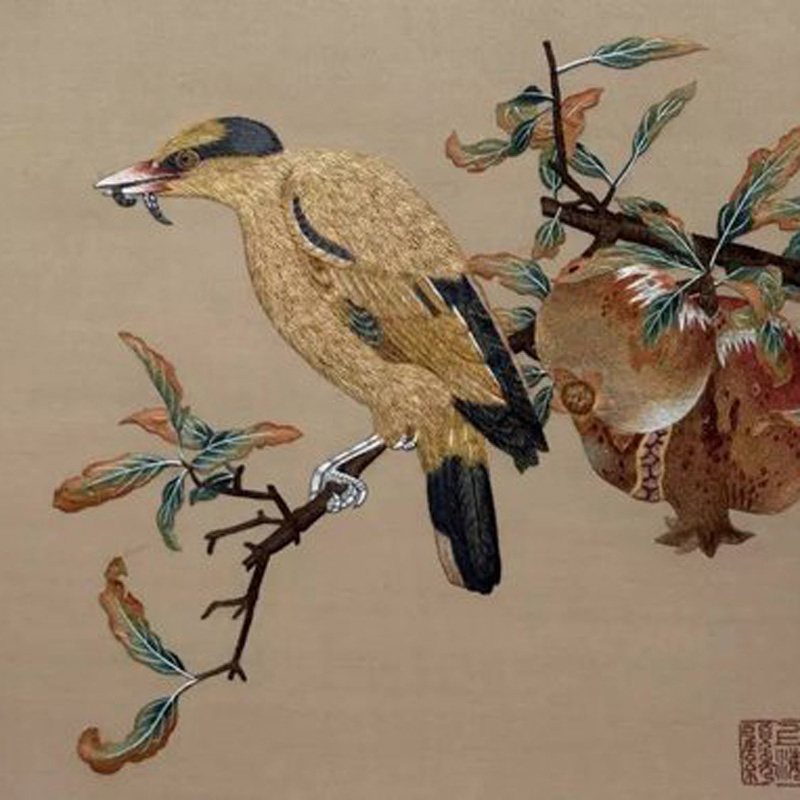
Initially referring to works produced by the renowned Gu family, the term "Gu embroidery" gradually became a marketing label applied to various commercial embroideries regardless of their actual origin. As demand from court and wealthy patrons grew, workshops mass-produced embroidered garments and decorative pieces, often trading on the reputation of famous styles without maintaining their technical standards.
Historical records like the "Compendium of Excellence" note that by the late Qing period, embroidery could be divided into two distinct streams: artistic embroidery that followed painting traditions and commercial embroidery for clothing and daily items. While urban workshops employed professional embroiderers to meet market demand, concerns emerged about whether the art's essence was being preserved amid commercialization.
This tension between artistic integrity and economic reality appears in literature of the period as well. The descriptions of embroidered items in "Dream of the Red Chamber" reflect both the pervasive presence of embroidery in elite life and the varying quality and authenticity of these works.
The history of Chinese embroidery reveals itself not as a simple progression but as a complex mosaic woven with technical innovations, artistic influences, and practical challenges. Understanding this complex background allows us to appreciate not just the beauty of the stitches themselves but the remarkable cultural journey they represent—a story of continuous adaptation and preservation that continues to inspire contemporary artists, keeping this ancient tradition alive.
