
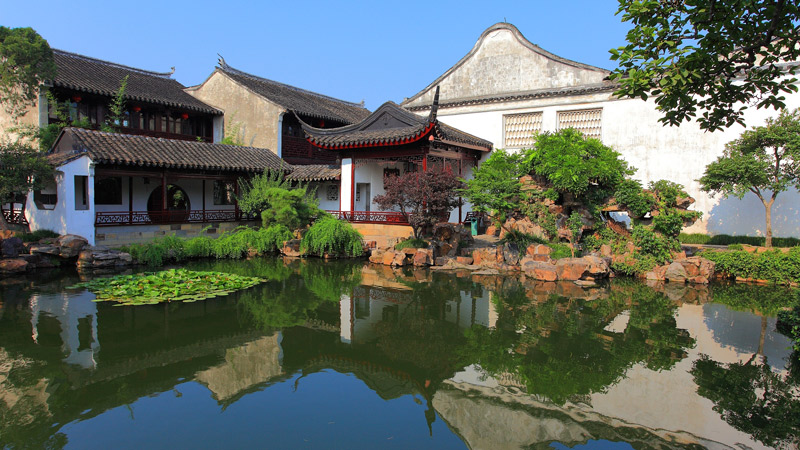
Nestled in the heart of Jiangnan, Suzhou emerges as a living canvas where ancient design breathes through time. This city unfolds like an open-air museum, celebrated for its UNESCO-listed classical gardens—not as static relics, but as dynamic spaces where nature and philosophy merge. Within their walls, miniature mountains and reflective ponds capture the essence of each season, while beyond, the pulse of daily life echoes through narrow, historic lanes.
From the delicate melodies of Kunju (昆剧) opera floating over water to the intimate storytelling of Pingtan (评弹) in cozy teahouses, Suzhou engages all senses. Its culinary traditions, rooted in seasonal harmony, offer a taste of the region’s rhythm. Here, every garden path, cobbled alley, and steamy bowl tells a story—inviting travelers to wander, contemplate, and immerse in a living culture where past and present gracefully intertwine.

1. Suzhou's Living Canvases: Where Design Breathes
1.1 Suzhou's Gardens: Four Seasons, One Step
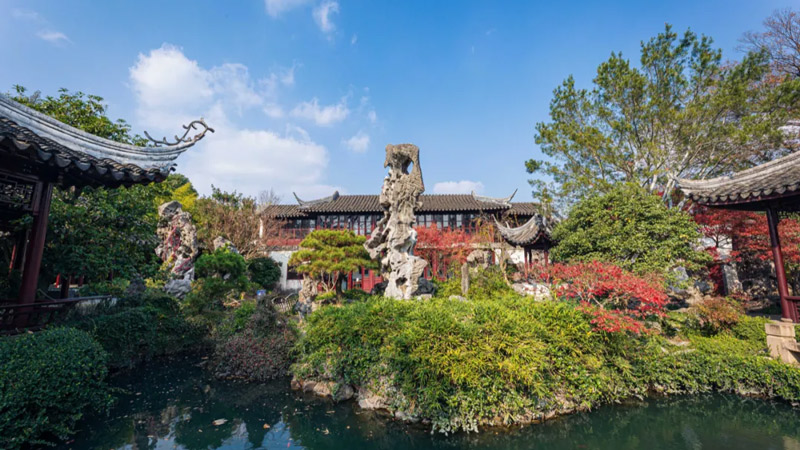
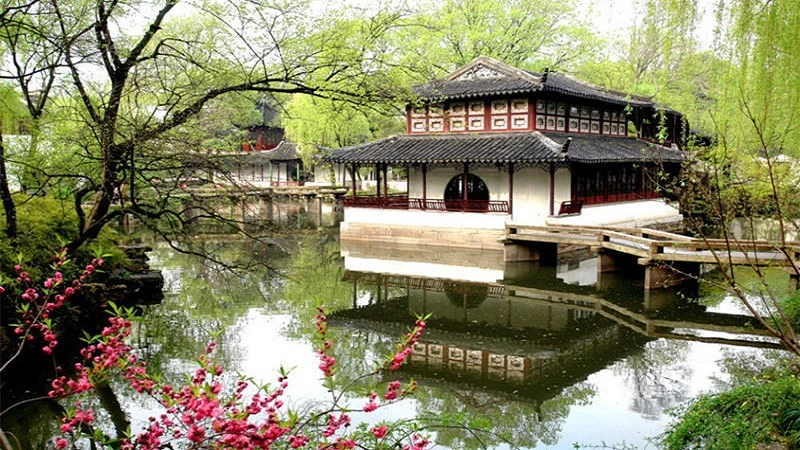
Suzhou unfolds like a living museum, its cityscape woven with 108 classical gardens. No single visit can capture them all, demanding thoughtful selection. These are not static relics but dynamic spaces where the ancients bottled nature's essence: stone mimicking mountains, ponds mirroring lakes, ensuring every season painted new scenes within their walls.
1.2 Masters Through Time
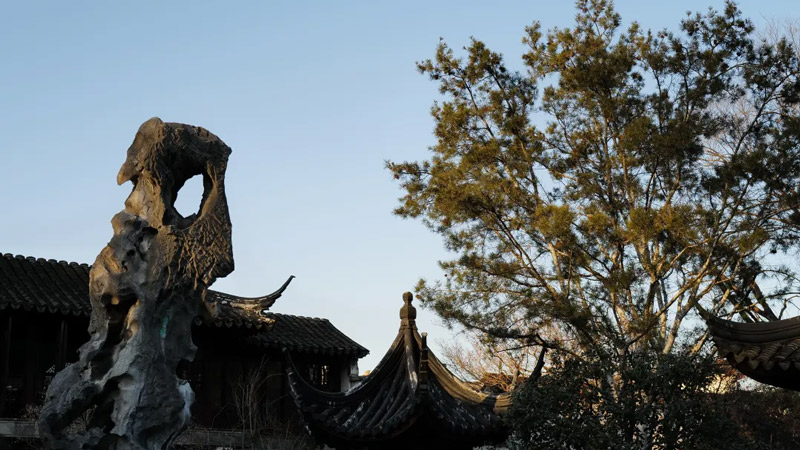
Suzhou's Big Four crystallize distinct dynastic spirits. Humble Administrator’s Garden embodies Ming grandeur. Its water-centric layout, guided by scholar-artist Wen Zhengming (文徵明), feels expansive yet intimate. His 400-year-old wisteria still blooms each April, a fragrant violet cascade. Lion Grove showcases Yuan dynasty rock mastery. Its labyrinthine limestone peaks, celebrated by Emperor Qianlong (乾隆), invite playful exploration.
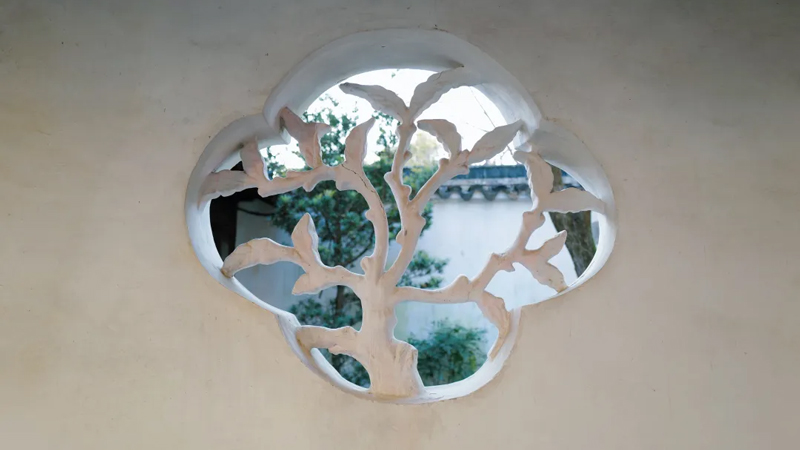
Lingering Garden offers Qing refinement. Smaller than Humble Administrator’s, it excels in architectural harmony. Its crown jewel is the celestial Guanyun Peak (冠云峰), a 5.7-meter limestone marvel, one of Jiangnan’s legendary stones. Nearby, the Five Peaks Hall reveals exquisite nanmu wood craftsmanship. Canglang Pavilion (沧浪亭), Song dynasty’s gift, stands as Suzhou’s eldest. Its unique double corridor borrows scenery from the outer canal, while 108 intricate lattice windows frame ever-changing views. This was the romantic backdrop for Shen Fu (沈复) and Yunniang (芸娘) in Six Records of a Floating Life (浮生六记).
1.3 Small Scale, Big Impact
Beyond the giants lie treasures proving size isn't paramount. Master-of-Nets Garden packs profound influence into half an acre. Its Hall of Mental Cultivation hosted pivotal 1990s negotiations for Suzhou Industrial Park, linking tradition with modern progress. As the model for New York’s Ming Court, it pioneered cultural diplomacy. Night tours here transform pathways into stages for ethereal Kunju and Pingtan performances.
Mountain Villa with Embracing Beauty boasts a pinnacle of Qing rockery, a miniature mountainscape by master Ge Yuliang (戈裕良). Couple’s Retreat Garden, embraced by waterways, charms with its rare symmetry and whispers of scholar Shen Bingcheng’s (沈秉成) love story. Garden of Cultivation, tucked away in alleys, buzzes with locals sipping tea in its expansive waterside pavilion. Garden of Harmony, a latecomer, elegantly synthesizes styles from across the city.
1.4 Beyond the Expected
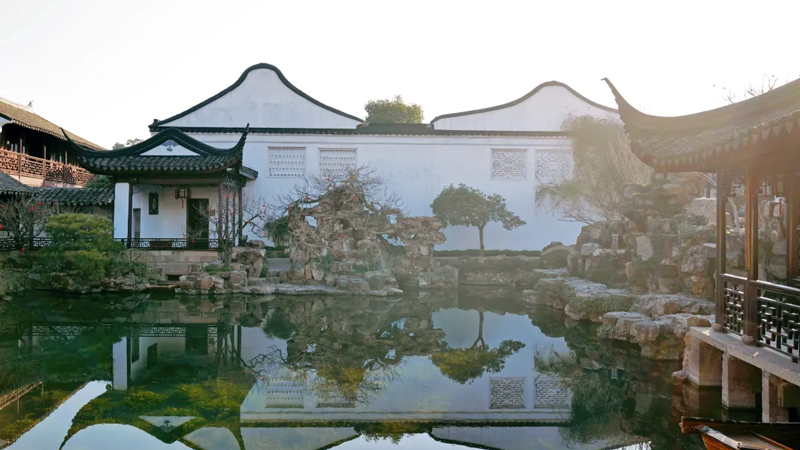
Suzhou’s garden spirit flourishes in unexpected places. Tiger Hill, dubbed "First Sight in Wu," defies its modest 34-meter height. Its leaning Cloud Rock Pagoda, older than Pisa’s tower, tilts dramatically. Below, the enigmatic Sword Pool, rumored entrance to a king’s tomb, bears calligraphy from China’s greatest masters. Arrive via canal boat from Shantang Street for full immersion.
West Garden Temple blends devotion with landscape. Beyond solemn halls lies a serene garden courtyard. Visitors seek its renowned vegetarian noodles – simple, perfectly portioned broths celebrating fresh ingredients. Afterward, find quietude copying sutras in the teahouse or watching resident cats patrol the fish pond. Hanshan Temple (寒山寺), immortalized by Tang poetry’s "midnight bell," retains its ancient resonance.
1.5 Modern Echoes
Suzhou Museum reimagines the form. Architect I.M. Pei considered it a crowning achievement. Its contemporary lines dialogue with classical motifs, while priceless artifacts like the Pearl Pagoda are displayed against curated garden vistas, creating living dioramas. The newer Lion Hill branch further expands this dialogue between past and present.
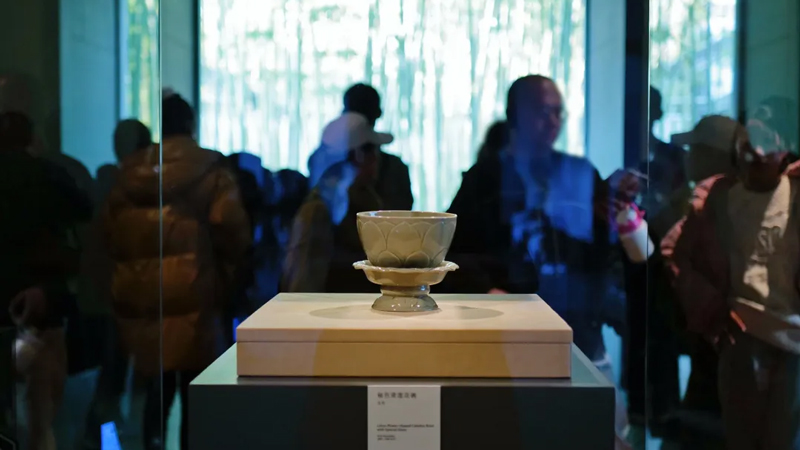
In Suzhou, gardens are more than scenery; they are philosophy rendered in stone, water, and plant. Each wall encloses a universe, each window frames poetry, inviting visitors to wander, contemplate, and witness time unfolding leaf by leaf, stone by stone.
2. Alleys: Hidden Lane Life, Jiangnan Awaits
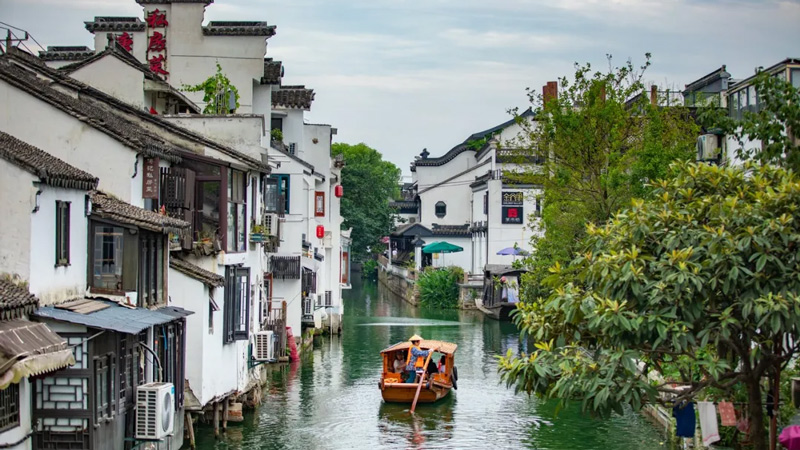
Suzhou whispers its secrets not just within famed gardens, but along its weathered lanes. These arteries pulse with daily life, holding centuries within their curves. To know this ancient city, one must wander beyond the postcard views, stepping into the narrow passages where history breathes alongside the present. Pingjiang Road (平江路), Guanqian Street (观前街), and Shantang Street (山塘街) offer distinct faces of this enduring charm.
2.1 Lanes Alive
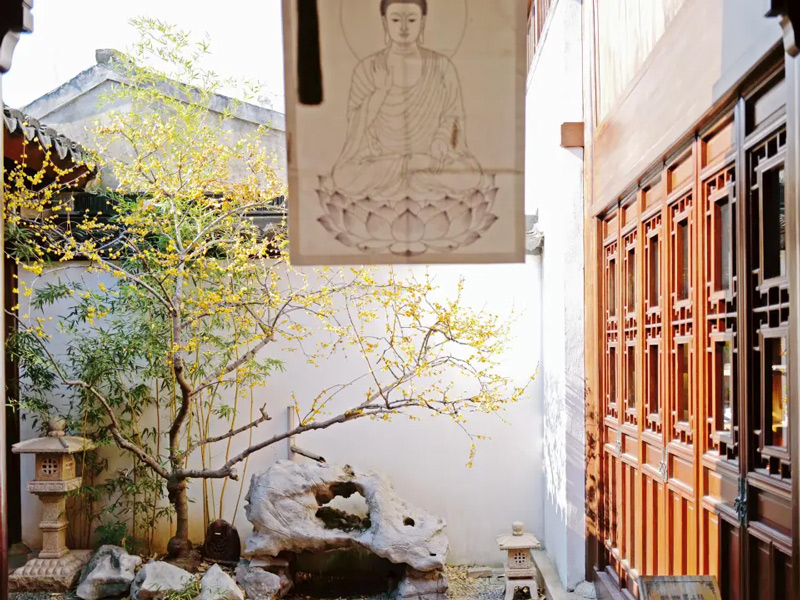
The true soul of Pingjiang Road lies not on its main stretch, but tucked within its tributaries. Down Luojia Lane (菉葭巷), the Kunju Museum waits – a quiet garden sanctuary defying the nearby bustle. Its ancient stage stands silent yet potent, echoing with imagined melodies. Further on, the Buddhist Lay Community Centre offers profound peace. Courtyards unfold with grace, housing a library rich with texts, freely open. Come December, wintersweet blooms saturate the air, adding sweetness to the stillness.
Guanqian Street buzzes differently. By night, it transforms into a vibrant marketplace, electric with energy. Shantang Street, however, tells an older tale. Stretching 3.6 kilometers from Douseng Bridge towards Tiger Hill, it follows the canal that was once the city's lifeline. Boats still glide past waterside homes, tracing the route poets praised as the heart of earthly prosperity and refinement.
2.2 Threads of Time
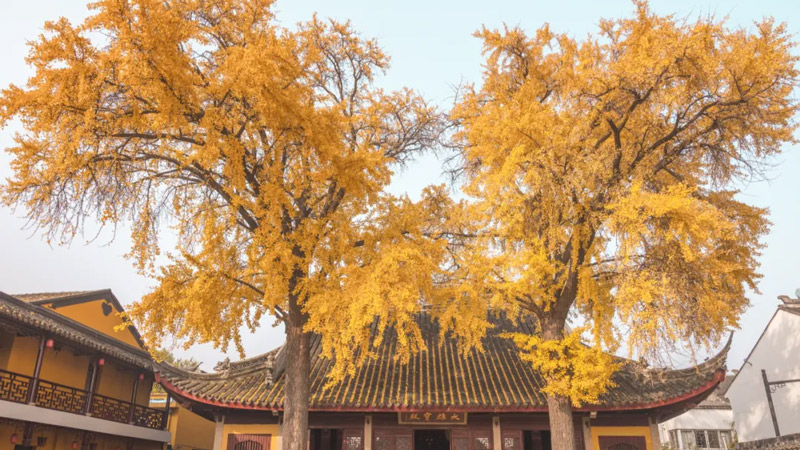
History isn't confined to museums here; it's embedded in the cobblestones. Dinghui Temple Lane (定慧寺巷) holds layers. At its western end stands Dinghui Temple, founded in 861 AD. Wars scarred it, yet two ancient ginkgo trees before its hall endure. Autumn cloaks them in gold, a radiant testament to resilience. Eastward, the Song Dynasty Twin Pagodes of Arhat Hall pierce the sky, neighbors to the modern Twin Pagodes Market – a dialogue across centuries.
Wusa Road (五卅路) whispers of the Republican era. Built with funds returned after the Shanghai May Thirtieth Incident, it became refuge for those fleeing that unrest. Among its lanes, Tongde Li (同德里) stands out – rows of distinctive Shikumen (石库门) houses, built under the patronage of the notable figure Du Yuesheng. Northwest Street offers stark contrasts: one end pulses near the Lion Grove Garden and Humble Administrator's Garden, the other finds quietude at the North Temple Pagoda of Gratitude, a site linked to Sun Quan's filial devotion for his mother in the Three Kingdoms period.
2.3 Hidden Corners
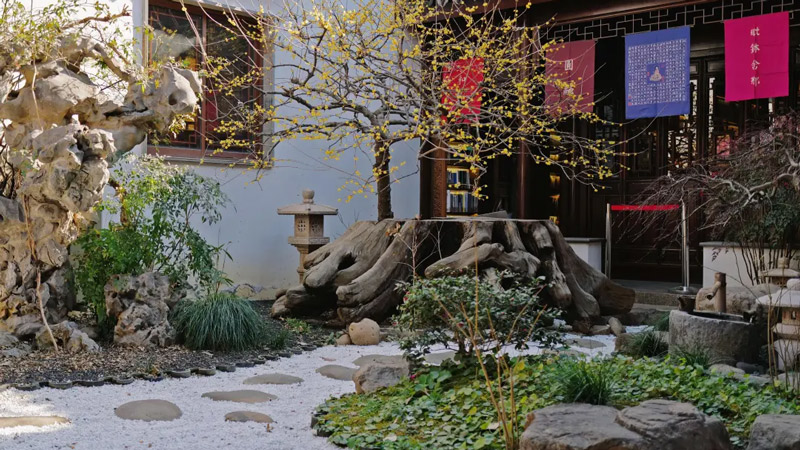
The magic often lies off-map. Discovering a tucked-away teahouse, a workshop where silk embroidery transforms into art, or a vendor selling mooncakes perfected over generations – these are the moments that define Suzhou. Each visit promises a new detail: a carved lintel noticed, a courtyard glimpsed through an open gate, the scent of osmanthus drifting on a breeze.
To experience Suzhou in autumn is to seek these quiet intersections. It’s in the dappled sunlight filtering through ancient trees onto mossy stones, in the murmur of conversation from a hidden cafe, in the gentle rhythm of a boat pole dipping into the canal. The grand gardens showcase mastery, but the streets offer the city's living, beating heart. Find solace there, away from the crowds, and feel the enduring pulse of Jiangnan.

3. Suzhou's Soundscape: Where Melodies Float on Teacups
Beyond Suzhou's visual feast lies an auditory world. Here, Kunju opera and Pingtan storytelling transform gardens and teahouses into stages, ensuring the music lingers long after the cup is empty.
3.1 Kunju: Echoes in Ancient Gardens
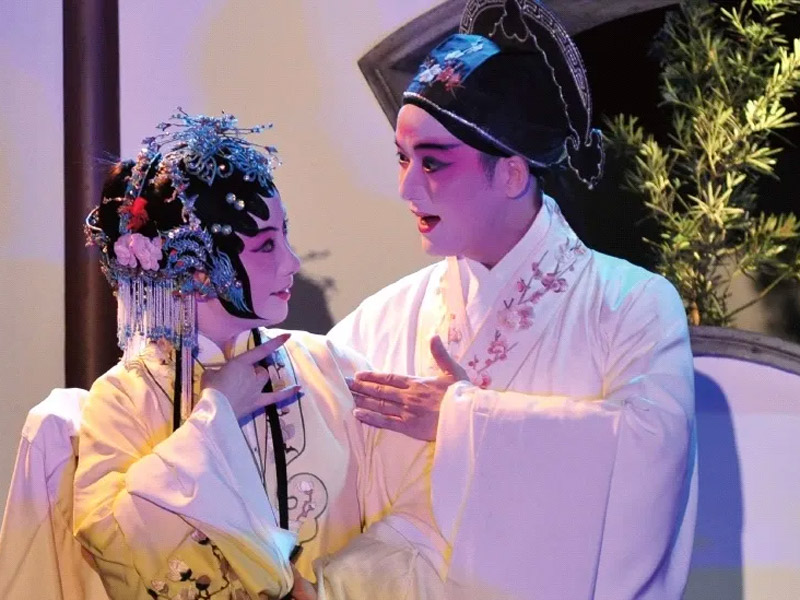
Kunju's delicate melodies feel woven into Suzhou's very air. Its fluid vocals, revered as the origin of Chinese opera, find perfect harmony within the city's classical courtyards. Productions like The Peony Pavilion at Kunju Opera Museum or Jade Hairpin at the Opera Conservatory aren't mere performances; they are immersive journeys. Sitting in the Humble Administrator's Garden as twilight falls, hearing Kunju drift over water, embodies Suzhou's poetic soul. The Real Garden's Dreaming of Suzhou and Canglang Pavilion's Six Records of a Floating Life prove this city masters the art of placing heritage within living scenery. Experiencing this fusion justifies any journey.
3.2 Pingtan: Silk Threads of Sound
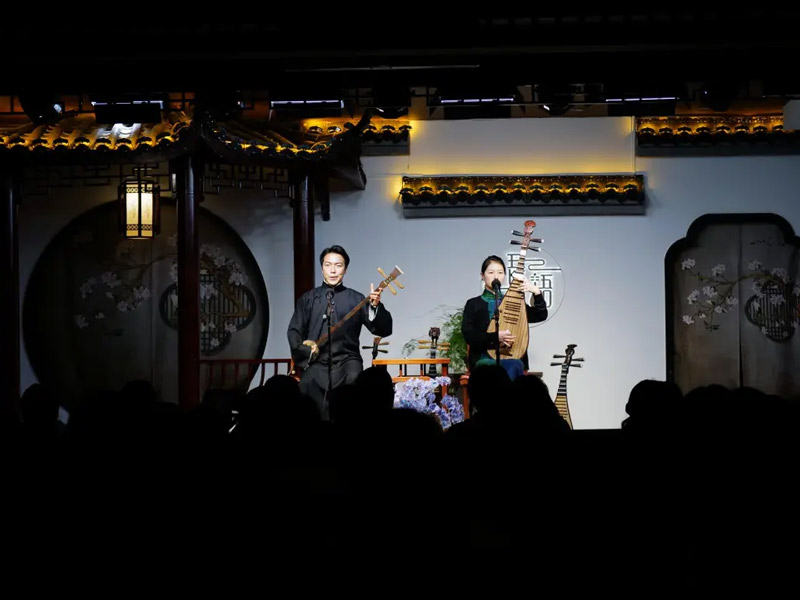
For the distinct voice of Suzhou, Pingtan reigns. This art form, sung in the local Wu Nong Ruan Yu (吴侬软语) dialect, possesses a honeyed softness, especially in female vocals. The interplay of Pipa lute and Sanxian (三弦) banjo crafts melodies as smooth as Suzhou silk, spinning tales of the Jiangnan region. Its charm lies in intimate settings where sound and story entwine.
3.3 Two Worlds of Listening
Suzhou offers varied Pingtan encounters. Historic venues like Guangyu Society, the oldest guild, pulse with local energy during afternoon sessions. Patrons, mostly longtime residents, savor intricate narratives. While ticket prices have shifted from symbolic sums, the focus remains on storytelling prowess. For visitors navigating the lyrical dialect, dedicated spaces bridge the gap.
3.4 Modern Bridges: Pingtan Teahouses
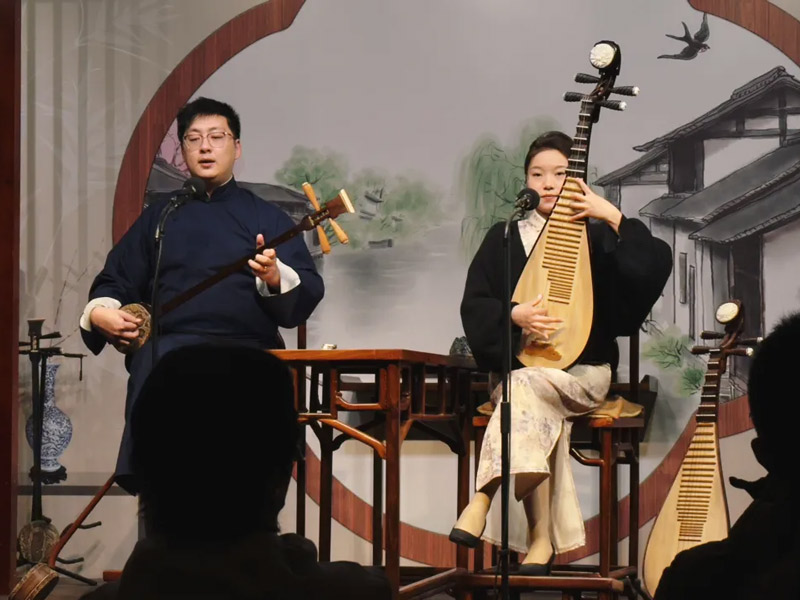
Venues like Pipa Yu (琵琶语) cater thoughtfully to newcomers. Performers introduce Pingtan's history and styles before starting, with lyrics projected for clarity. Its two branches offer distinct flavors. Guanqian Street's flagship boasts Wu Liangying (吴亮莹), famed for her rendition in The Flowers of War (金陵十三钗). Her voice commands attention, particularly in their finale – a modern adaptation of Sheng Sheng Man (声声慢). Here, Wu reshapes the classic with Pingtan techniques, creating an unforgettable signature piece.
Pingjiang Road's branch offers youthful vibrancy. A duo delivers energetic performances, concluding with their own Sheng Sheng Man duet accompanied by pipa – a fresh, harmonious take. Both locations share core artistry yet diverge in atmosphere: Guanqian provides refined comfort, Pingjiang offers cozy immediacy. Ticket prices reflect the difference, but duration remains equal. Choosing front-center seats ensures full immersion wherever you land.
3.5 Unbroken Threads
Suzhou understands its musical treasures are not relics. By placing Kunju amidst whispering willows and adapting Pingtan for contemporary ears, the city keeps its melodies alive. The final note fades, but the listener remains held within the resonance, a silent participant in an unending cultural conversation. Tea cools, gardens darken, yet the exquisite sounds continue to shimmer in the mind.

4. Suzhou's Delicacies: Four Seasons, Flavors for All
4.1 Bites of Tradition
Dawn breaks over the canals of Gusu (姑苏), mist curling off the water like steam from a waiting bowl. Here, the rhythm of life is measured not just in hours, but in the ripening of crops and the turning of tides. This deep connection shapes the local palate, where eating seasonally isn’t a trend, but an ancient pact with nature. Suzhou’s kitchens hum with the discipline of shi bu (食补) – consuming only what the earth offers at its peak moment.
Spring arrives on a palette of green. Tender bamboo shoots spear through damp soil, their crispness destined for quick stir-fries. Fragrant Chinese toon leaves, a fleeting delicacy, lend their unique aroma to simple dishes. Earthy kalimeris, foraged from field edges, offers a verdant counterpoint, often dressed lightly with sesame oil. These are not mere vegetables; they are the season’s first brushstrokes on the culinary canvas.
Summer heat demands relief. Enter the humble hairy chestnut, its starchy kernels transformed into cool, sweet broths that soothe the spirit. Equally refreshing is the local take on mung bean soup. Forget heavy pastes; Suzhou’s version is a clear, amber elixir studded with plump beans, sometimes whispering secrets of osmanthus or mint, served chilled to banish the midday swelter .
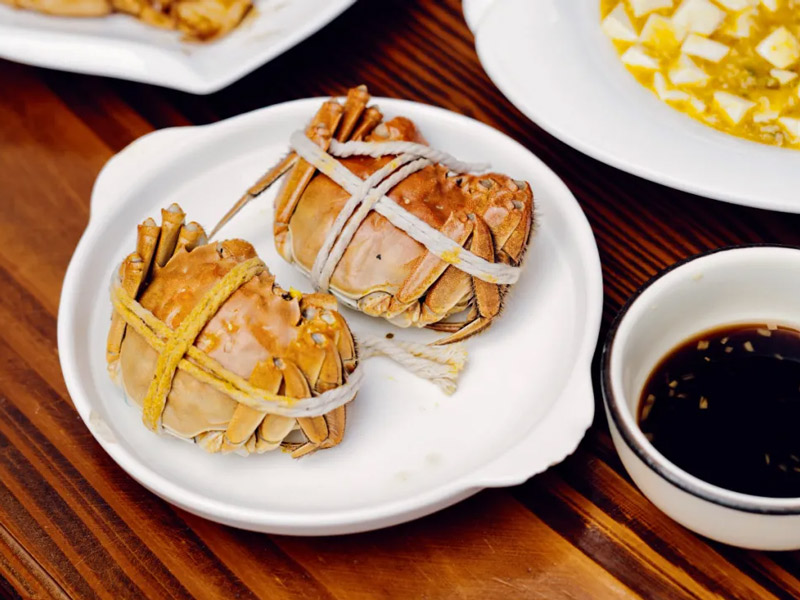
Autumn brings a golden haze. Sweet osmanthus blossoms perfume the air, their essence captured in sticky treats. Slices of lotus root, honeyed and stuffed with glutinous rice, become sweet lotus root. Taro balls simmer in fragrant syrup for sweet taro balls. But the season’s true crown belongs to the hairy crab from Yangcheng Lake (阳澄湖). Come late September, these prized crustaceans emerge, their shells brimming with rich, buttery roe and dense, sweet meat – a luxurious indulgence marking the harvest’s peak .
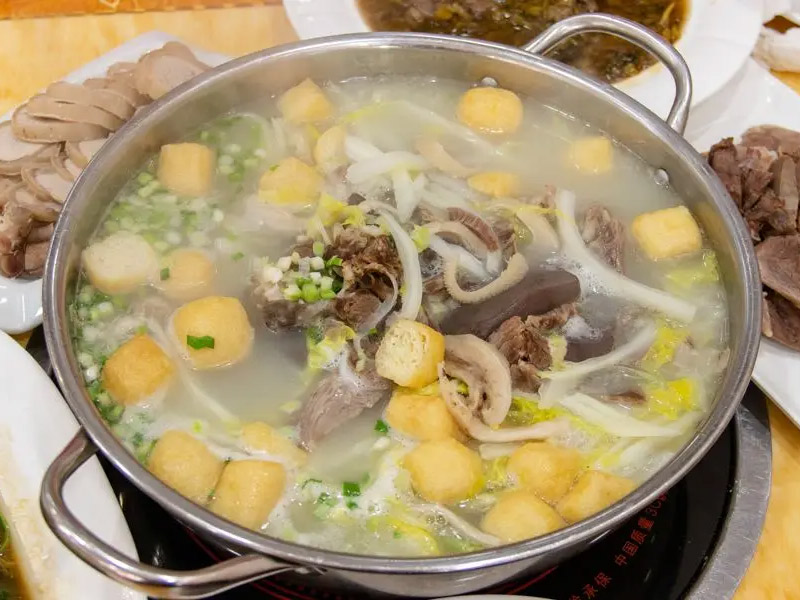
Winter’s chill summons warmth from stone pots. Cangshu mutton (藏书羊肉) reigns supreme, a dish born in the hills west of the city. Tender cuts of lamb or mutton simmer for hours, yielding milky-white broths pure in essence or deeper, soy-infused red broths. Served piping hot, often with cabbage or rice cakes submerged within, it’s fortification against the cold air, a culinary hearthstone cherished across generations .
4.2 Noodles, Pastry & More
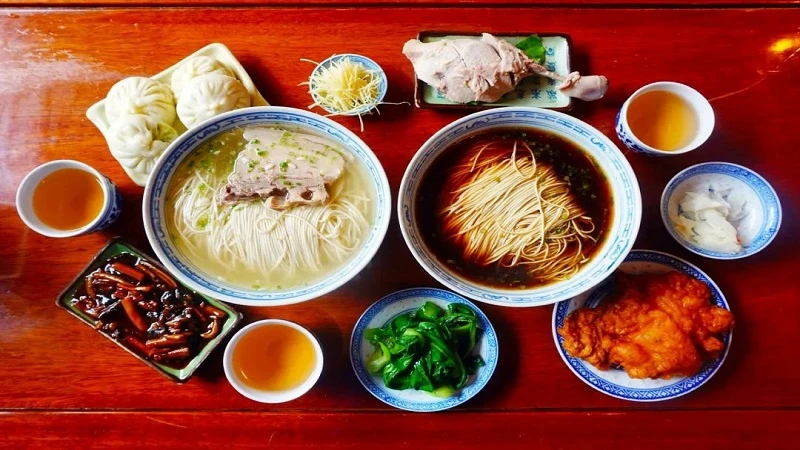
While seasonal shifts dictate fresh ingredients, Suzhou’s culinary identity rests on enduring pillars. Foremost is its mastery of wheat noodles. Here, the broth is sovereign. Achieving perfection demands chicken, duck, eel bones, and shrimp shells simmered long into a complex, savory elixir. The ritual is precise: specify noodle firmness, choose clear or soy-infused broth, then select from over a hundred toppings. Classics include meltingly soft braised pork belly atop noodles, luxurious triple shrimp (brain, roe, and meat), and the decadent crab gonads and fat sauce, requiring multiple crustaceans per bowl . A unique summer variant, Fengzhen meat noodles, surprises with fermented rice in its clear broth.
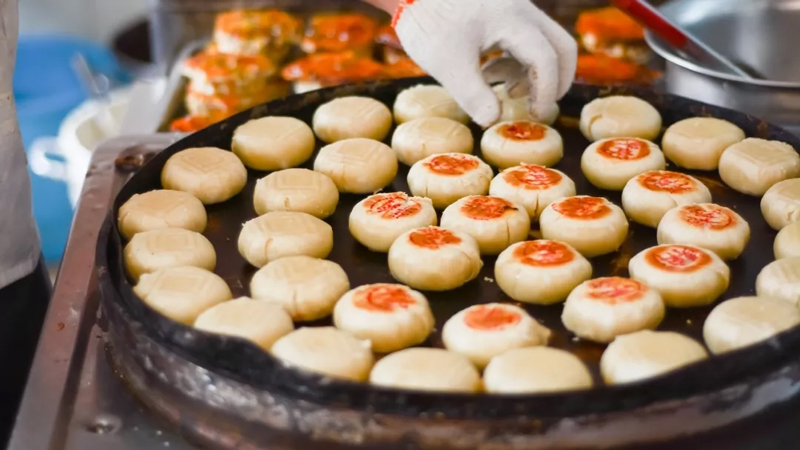
Pastry bears the city’s signature too. Shortcrust mooncakes, distinct from their Cantonese cousins, boast flaky, almost ethereal layers that shatter delicately. Fillings cleave to tradition: sweet red bean paste or nut-and-candied fruit blends for some, savory minced pork for others. Fresh from the oven, the aroma of warm pork pastry is irresistible, drawing queues and cross-border pilgrimages.
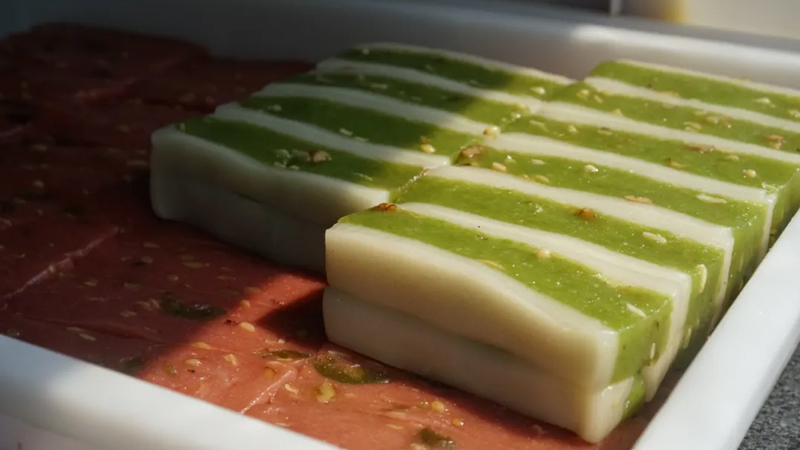
Sticky rice finds noble purpose in glutinous ambassadors. Jade-green Qingtuan (青团), fragrant with mugwort and filled with sweet bean paste, herald spring. Cool, crystalline mint cakes refresh in summer, while osmanthus cakes speckled with fragrant blossoms sweeten autumn days. These chewy-textured delights are edible heirlooms.
Comfort arrives in spherical form with stuffed rice balls. Sized like golf balls, their thin, yielding skins give way to generous fillings – sweet black sesame paste flowing like molten ink, or savory minced pork seasoned with ginger and spring onion. Sold individually, they invite sampling across the flavor spectrum.
The heart of local cuisine resides in Jiangnan home cooking. Sharing similarities with Shanghai fare, it favors rich sauces, caramelized sugars, and precise technique, echoing Huaiyang finesse. Proximity to lakes dictates bounty: freshwater treasures dominate. Dishes like sizzling eel strips crowned with hot oil, silken crab roe tofu, meticulously scored and fried sweet-and-sour mandarin fish, and pristine stir-fried river shrimp define its essence – a testament to the region’s harmony of land, water, and culinary craft.
Final Notes
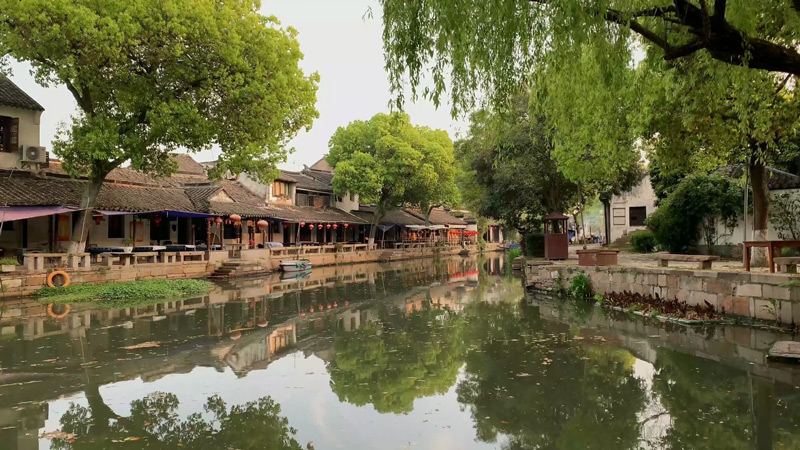
Suzhou, a historic city in the Jiangnan region, is celebrated for its classical gardens. These gardens, such as the Humble Administrator’s Garden and Lingering Garden, are dynamic spaces that blend nature, philosophy, and art, reflecting different dynastic styles. Beyond the gardens, the city’s narrow lanes, like Pingjiang Road and Shantang Street, pulse with daily life and centuries of history.
Suzhou’s cultural richness is expressed through Kunju opera and Pingtan storytelling, often performed in teahouses and gardens, creating an immersive auditory experience. The city’s culinary traditions emphasize seasonal harmony, with dishes like hairy crab in autumn and Cangshu mutton in winter, alongside staples such as wheat noodles and delicate pastries.
Overall, Suzhou offers a living culture where past and present gracefully intertwine, inviting visitors to explore its gardens, lanes, sounds, and flavors.
