
Walking into the world of Qipao can feel like stepping into a beautiful, but slightly overwhelming, art gallery. You know you're looking at something special, but where do you even begin? As someone who's navigated this myself, I can tell you that finding your perfect Qipao isn't about following strict rules—it's about understanding three core elements that transform it from a costume into your dress. Forget complex historical deep dives; let's talk fabric, cut, and design like you're shopping with a knowledgeable friend.
Pick Your Fabric Wisely
This is the most important decision you'll make. The fabric doesn't just determine how the Qipao looks; it dictates how it feels to wear it all day.
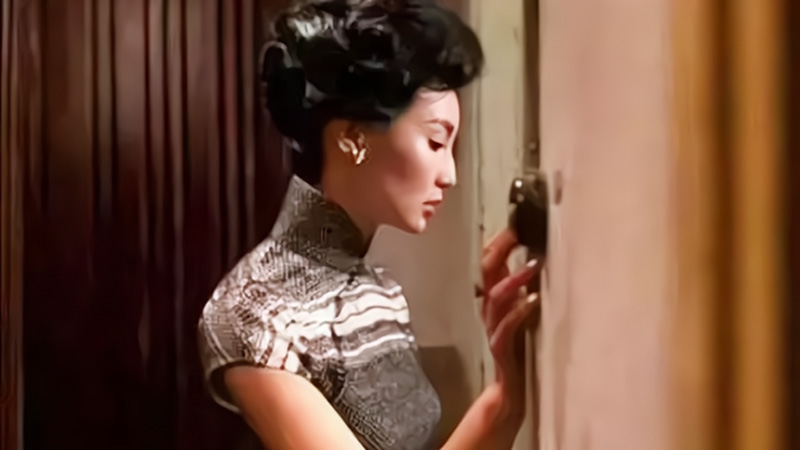
For everyday occasions, you want something breathable and low-maintenance. Cotton-linen blends or textured cotton twill are your best friends. They're comfortable, resist wrinkles, and have a casual, chic vibe. Picture a simple grey linen Qipao with subtle pearl buttons—perfect for a weekend brunch or exploring a city market. These natural fibers allow your skin to breathe, making them ideal for warmer climates or extended wear. The texture of these fabrics also adds depth and character to simpler designs, proving that elegance doesn't require formality.
When the event calls for elegance, it's time to invest. Real silk, specifically a crepe-back satin, is the ultimate choice. It has a gorgeous, understated luster and drapes against the body in a way that feels incredibly luxurious. The way silk catches light creates a mesmerizing effect as you move, with the fabric seeming to glow from within. For a truly unique look, seek out Xiangyunsha (香云纱), a silk cloth treated with yam juice and river mud. It has a distinctive texture, a matte finish, and a slight stiffness that lends a beautiful vintage feel. This fabric tells a story through its unique manufacturing process that dates back centuries, with each piece developing its own character over time.
My top tip? Avoid cheap, shiny polyester at all costs. It traps heat, often fits poorly, and looks unmistakably artificial. The right fabric makes all the difference between a dress you wear once and one you'll treasure for years. Quality fabric also maintains its shape better after multiple wears and cleanings, ensuring your investment lasts. Don't be afraid to ask vendors about fabric content and care instructions—this information is crucial for making an informed decision.
Find a Haircut That Loves Your Body Back
The goal is to find a silhouette that celebrates your shape, not one that fights against it. This is where the magic of the modern Qipao really shines. The cut should enhance your natural proportions while providing comfort and freedom of movement.
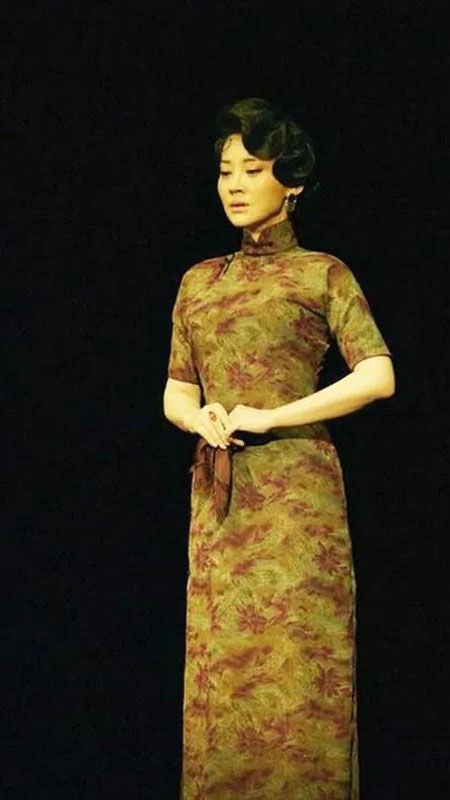
If you're new to the style or simply prefer a contemporary look, try a straighter H-line or A-line cut. It's forgiving, stylish, and incredibly easy to wear. These styles offer more room through the torso and hips while still maintaining the essential Qipao elements like the high collar and signature fastenings. The classic X-line is designed to define the waist and flare slightly at the hips, creating that iconic, graceful silhouette. The key is comfort—it should skim your body, not constrict it. When trying on different cuts, move around in them—sit down, walk, and raise your arms. The right Qipao should allow you to move naturally while maintaining its beautiful lines.
Pay close attention to length. The most versatile and universally flattering length hits at the knee or mid-calf. This area is appropriate for most settings and is incredibly easy to move in. Be cautious with full-length styles; they can feel formal and are harder to pull off casually. And always check the model's height in product photos—a "short" dress on a tall model might be a micro-mini on someone else. Consider your lifestyle when choosing length—a knee-length Qipao might be perfect for office wear or daytime events, while a longer version could be ideal for formal occasions. The slit height is equally important—it should provide ease of movement without compromising modesty.
Choose Designs for Your Real Life
The pattern and color should reflect your personal style and where you plan to wear it. This is your chance to personalize your Qipao and make it truly yours. The design elements can dramatically affect how the dress wears and how it's perceived.
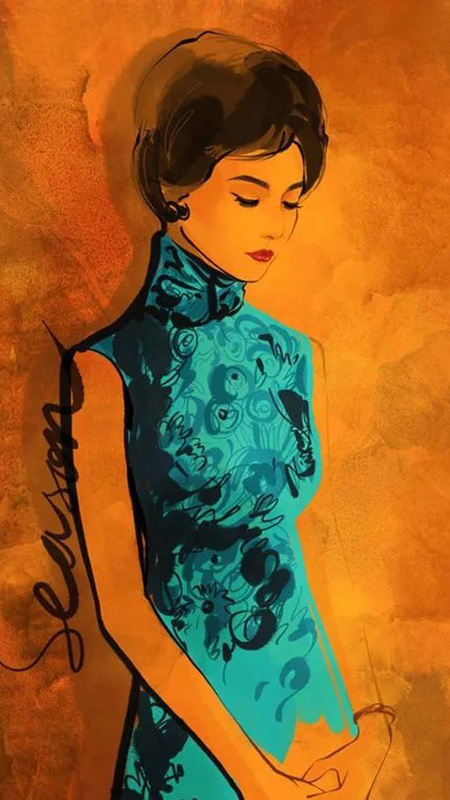
For a Qipao you'll reach for again and again, solid colors and small, subtle patterns are the way to go. Think jade green, dusty rose, or navy blue. These versatile shades transition seamlessly from day to evening and pair beautifully with both modern and traditional accessories. Delicate details like thin piping or small knotted buttons add interest without being loud. This approach is effortlessly sophisticated and never looks like you're trying too hard. Consider your existing wardrobe and choose colors that complement what you already own—this ensures your new Qipao will become a regular rotation piece rather than a one-time wear.
For a wedding, gala, or a special photoshoot, you can embrace more drama. Look for exquisite embroidery—a single peony on the collar or delicate vines along the hem. The modern rule is that less is more. A few beautifully executed artistic details are far more powerful than an overwhelming, full-coverage pattern that can look busy. When choosing patterns, consider scale—larger frames can handle bigger patterns, while petite figures might prefer smaller, more delicate designs. Also think about color harmony—monochromatic schemes offer modern elegance, while complementary colors create vibrant energy.
Remember, the best Qipao is one that makes you feel confident and authentic. It's a timeless piece of design that's waiting to become part of your story. Don't be afraid to mix traditional elements with contemporary styling—pair your Qipao with modern jewelry or footwear to make it your own. The true beauty of this garment lies in its ability to bridge heritage and personal expression, creating something that feels both timeless and uniquely yours.
